
Manon Servage takes classical ballet to the club
Words RACHEL ELDERKIN // Images BECCA HUNT // Motion RUBY HARRIS
MOVES chats to choreographer Manon Servage about two of their recent works, Eclipse and Letters of Silence, her speedy research processes (days, not weeks), and what sparks their choreographic curiosity.
A French-Canadian dancer, choreographer and creative who has made London her home, Manon takes a multi-faceted approach to all aspects of her work, whether that’s the spaces they perform in, the collaborators they work with or the places in which she finds inspiration for her choreography. Chatting with Manon, there’s a clear and unerring conviction in her approach to her work but, above all, a resilience and refreshing positivity towards making that work happen. Having already performed their work this year at APAP festival in New York City and at The Place, London, for Resolution 2026, Manon is not an artist to wait around but rather one who creates her own opportunities. We sat down to chat about the path Manon is forging for themselves as an independent choreographer and how she is making it work in the current landscape of the UK dance sector…
“I want to see classical ballet technique in a different way; for people to be empowered by it, and for it to feel non gendered.”
Manon Servage
Edited by Manon
In discussion with manon
Let’s start with your latest work, Eclipse. Can you tell us a little more about this piece?
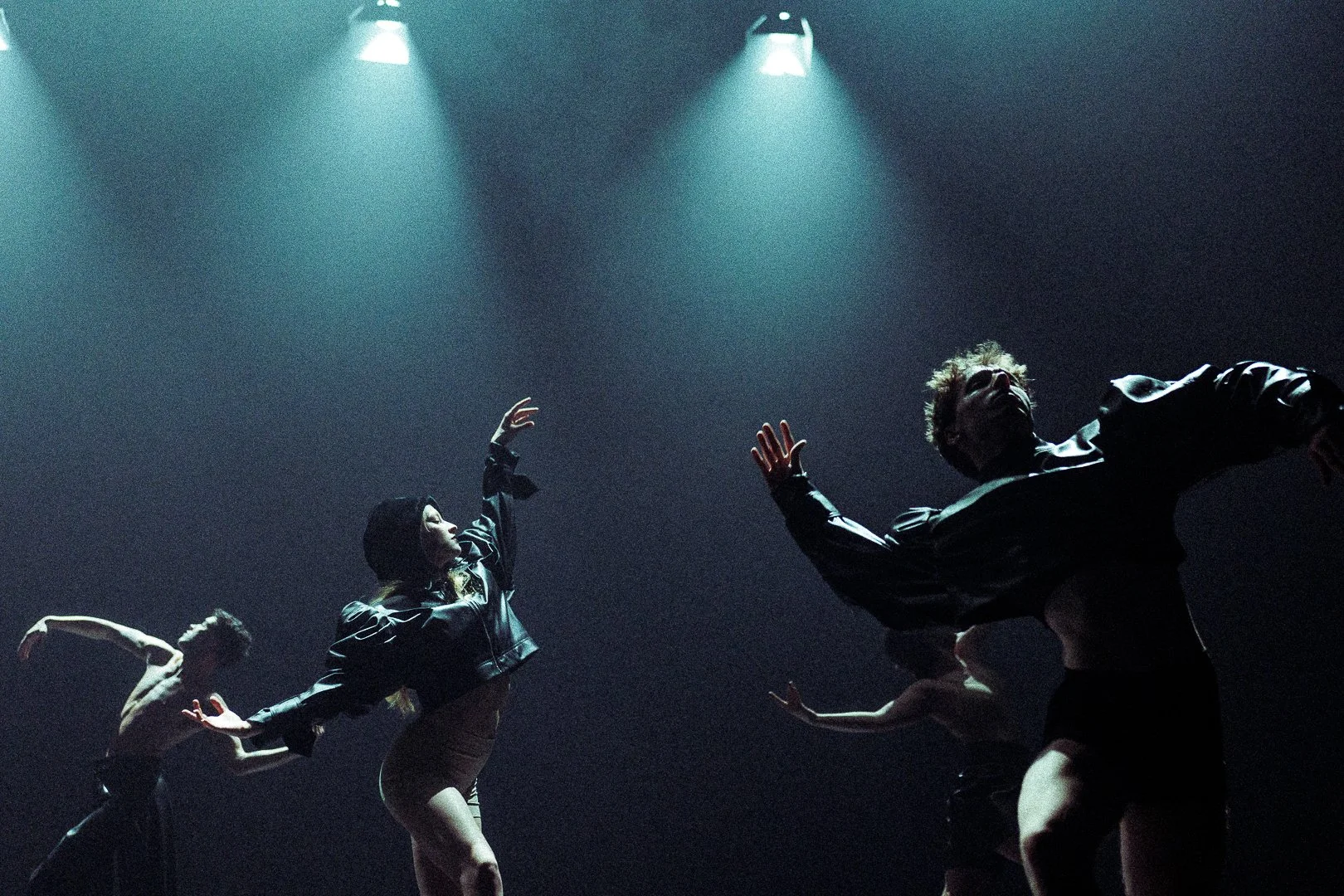
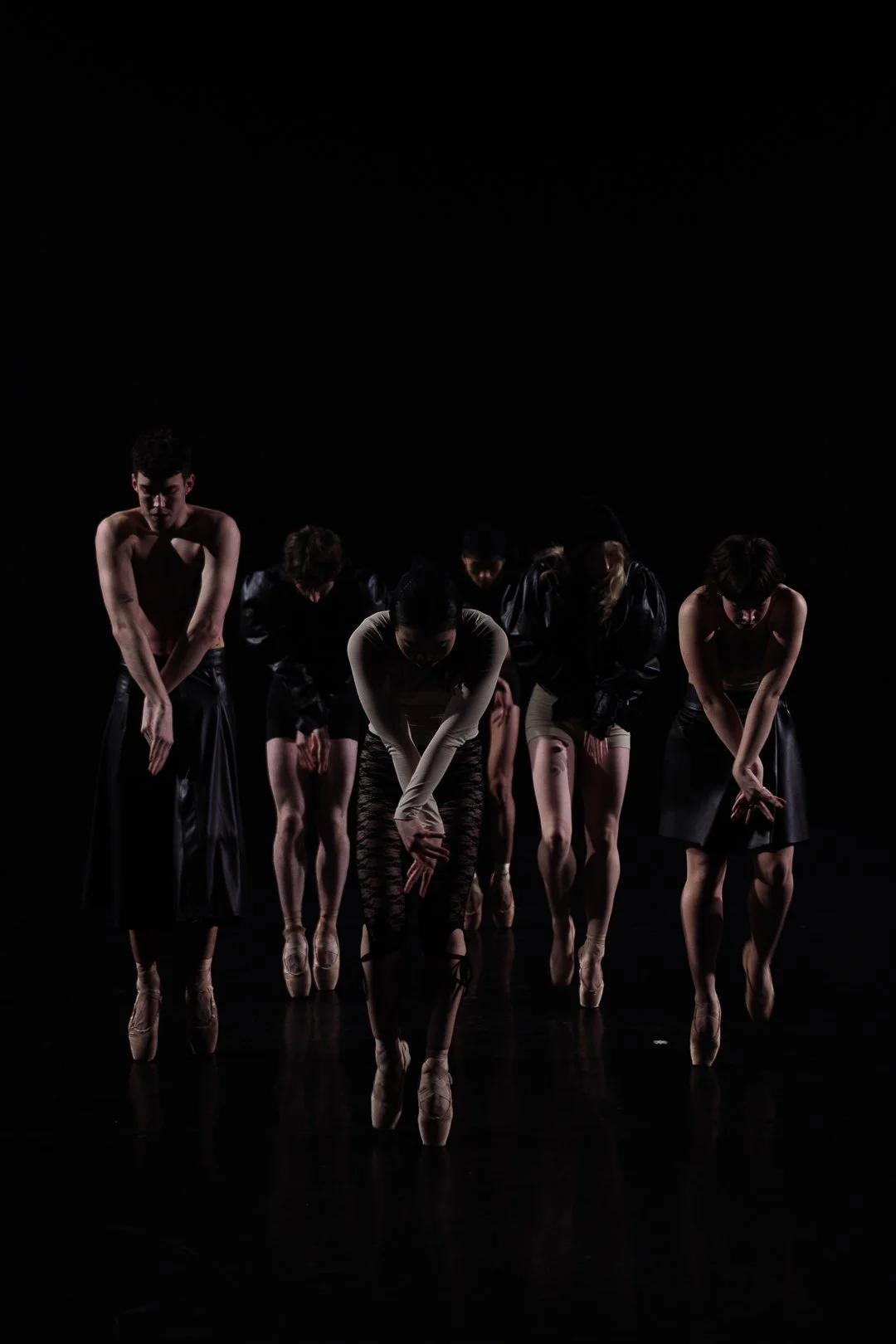
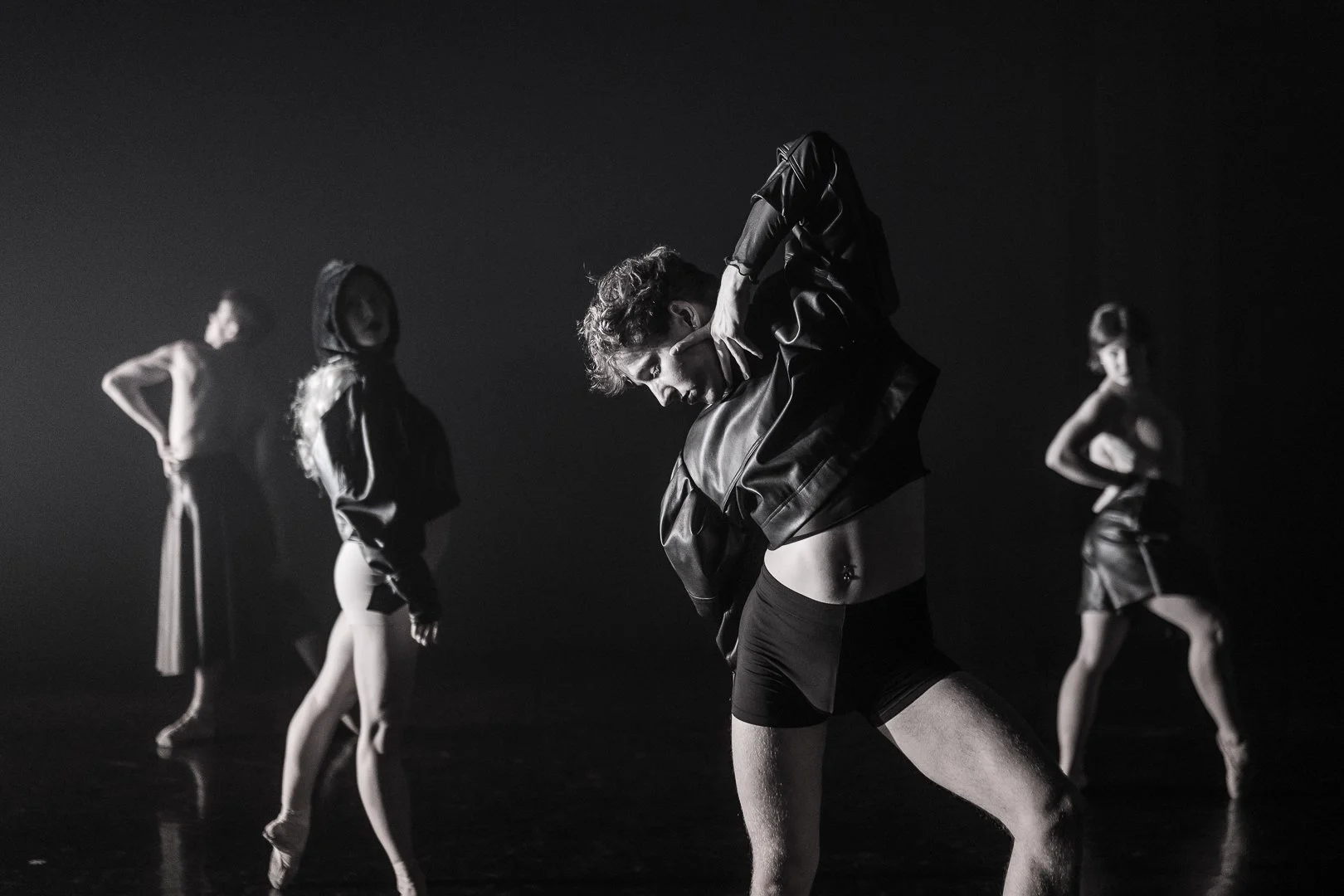
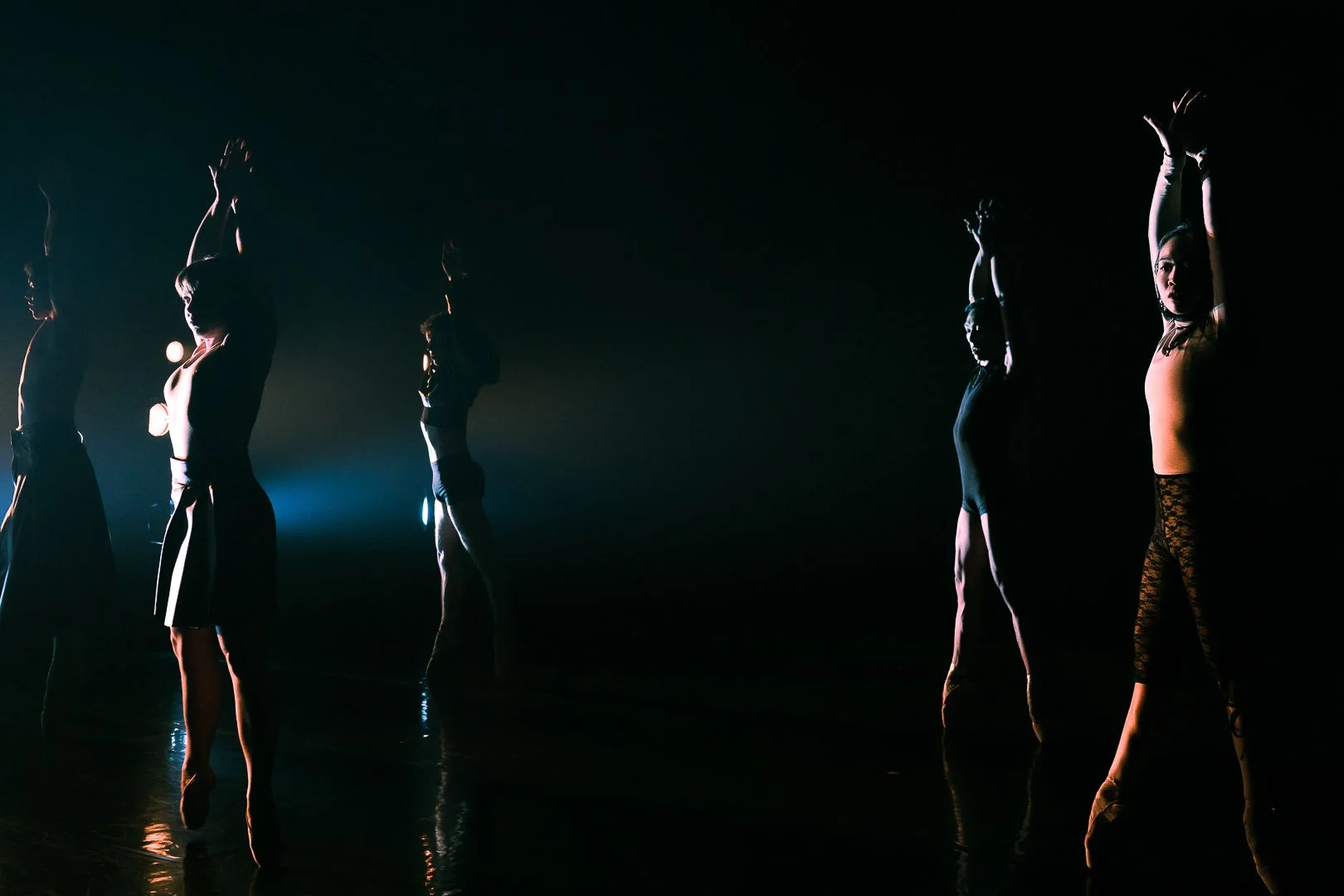
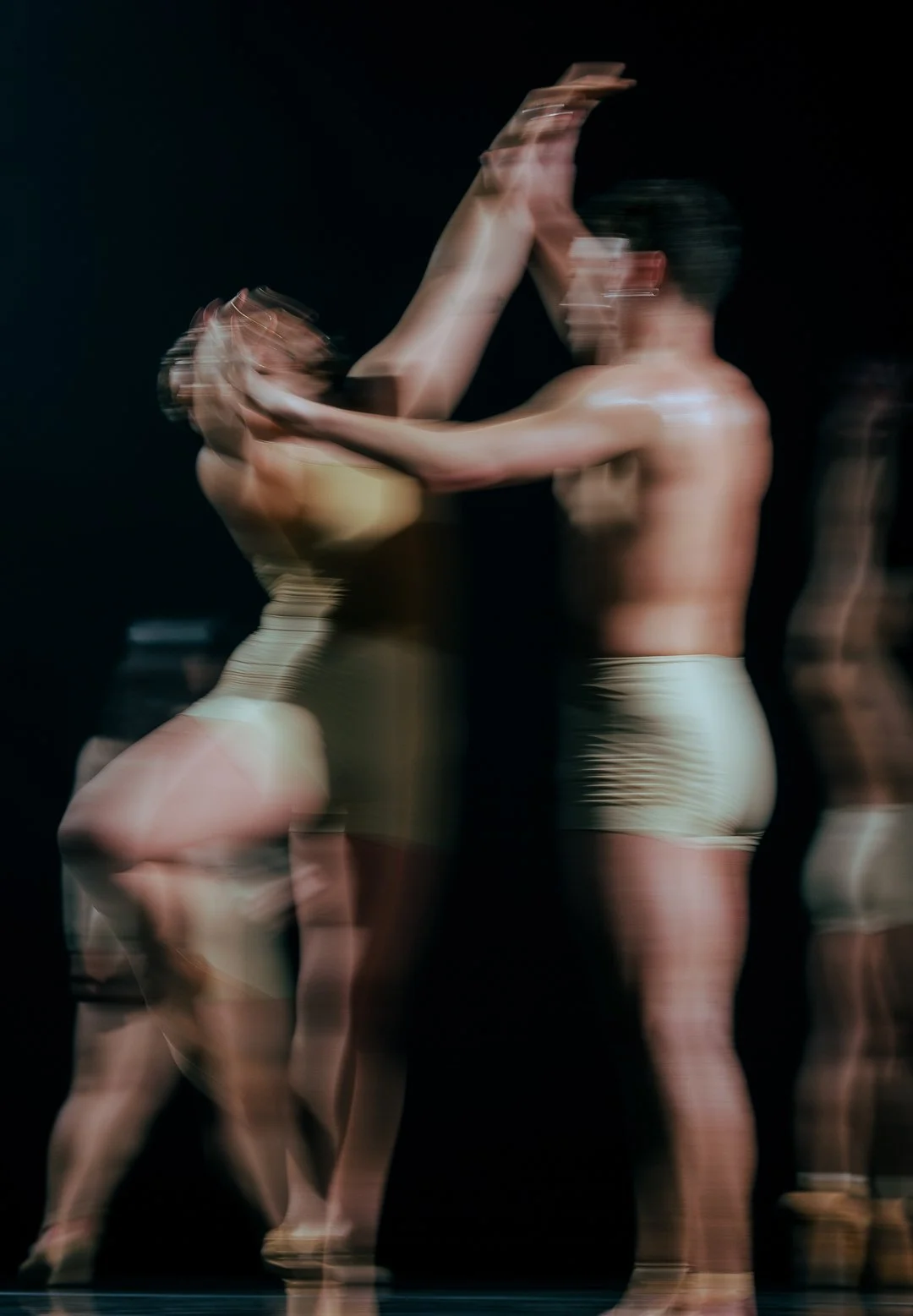
For Eclipse, I wanted to do something en pointe. I come from a classical ballet background and I wanted to use that, but I’ve felt bored with the classical scene. It’s also the first time I’ve approached a piece taking the perspective that ‘it’s not that deep’. It doesn’t have to explore a deep topic, or have a deep narrative. As Eclipse was for Resolution [an annual festival for new dance works at The Place, every Jan-Feb], that felt a good place to try things with less pressure.
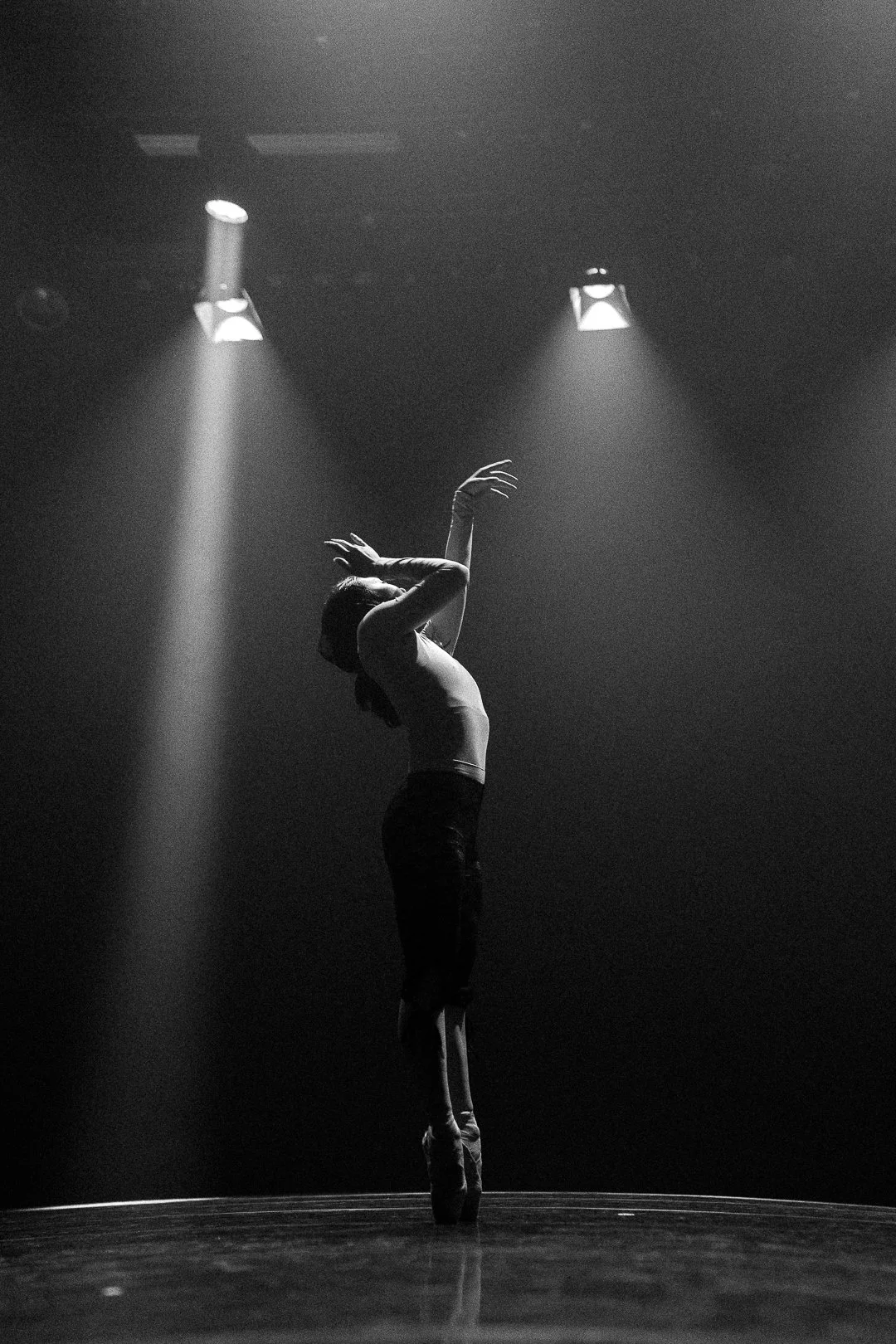
I took the idea of a club night. I wanted to develop a language en pointe, that still has the classical technique but feels sassier and embodies the groove and energy of the music. We had five days, including tech rehearsal, to explore movement with pointe shoes and put it all together. We tried different ideas, and in the end it came together like a puzzle from all these fragments. I took it as an exploration of what’s possible to do.
What makes you want to explore a different angle on classical ballet technique?
I want to see classical ballet technique in a different way; for people to be empowered by it, and for it to feel non gendered. We’re in 2026 and I want to move on from that [traditional gender roles in ballet]. In Eclipse we’re all en pointe, anyone can do lifts and partnering. I wanted to see bodies and humans on stage without being put in a box of being a particular gender. And it was fun - really hard, but fun.
How was it to present this work in Resolution 2026?
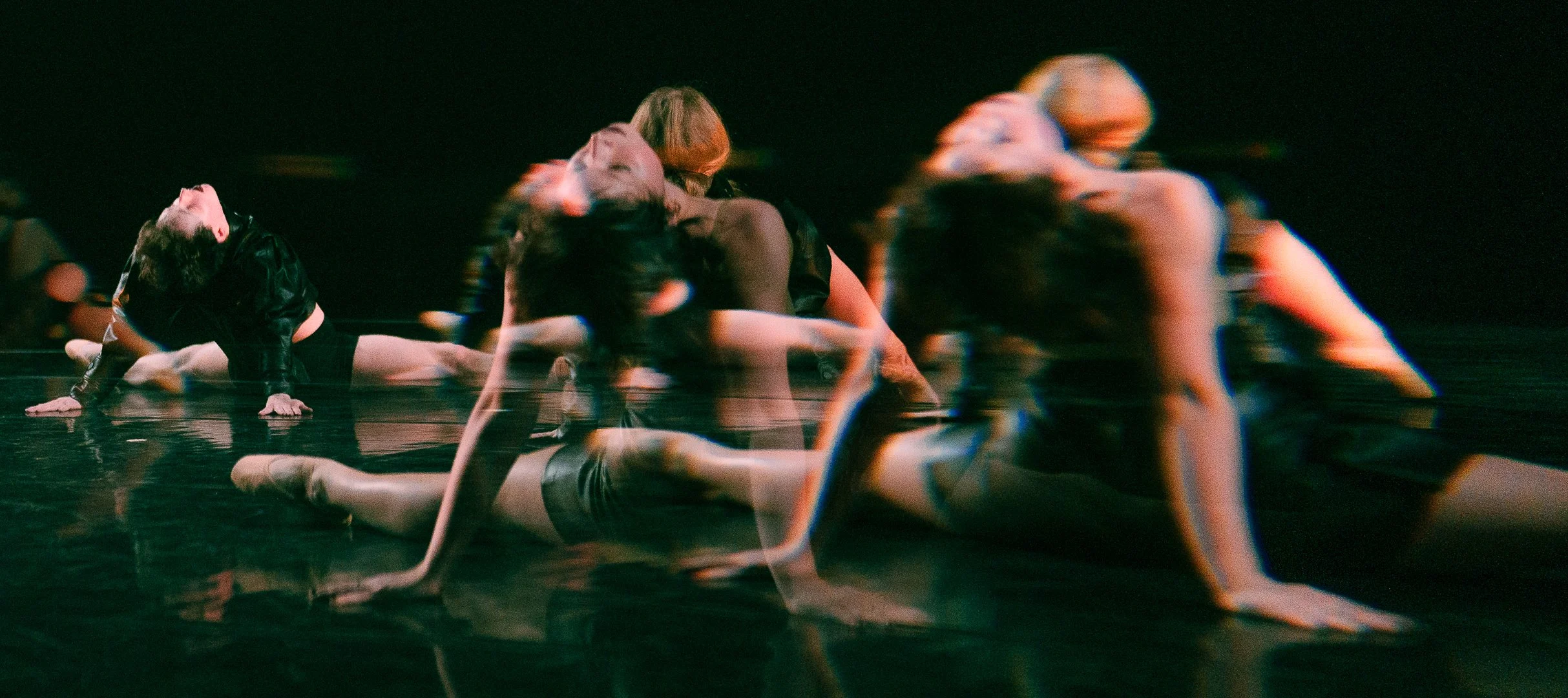
I love that The Place has this whole festival where you can just try things out. I’ve not been able to step back yet as I was dancing in the piece as well, so it’s hard to zoom out and see the bigger picture. For me though, it was one of my favourite works so far as I allowed myself to play, take risks and just go with it. It felt such a relief to do that.
I love that you found space to have fun with it! You’ve also presented another new work this year, Letters of Silence. Can you tell us a little more about that?
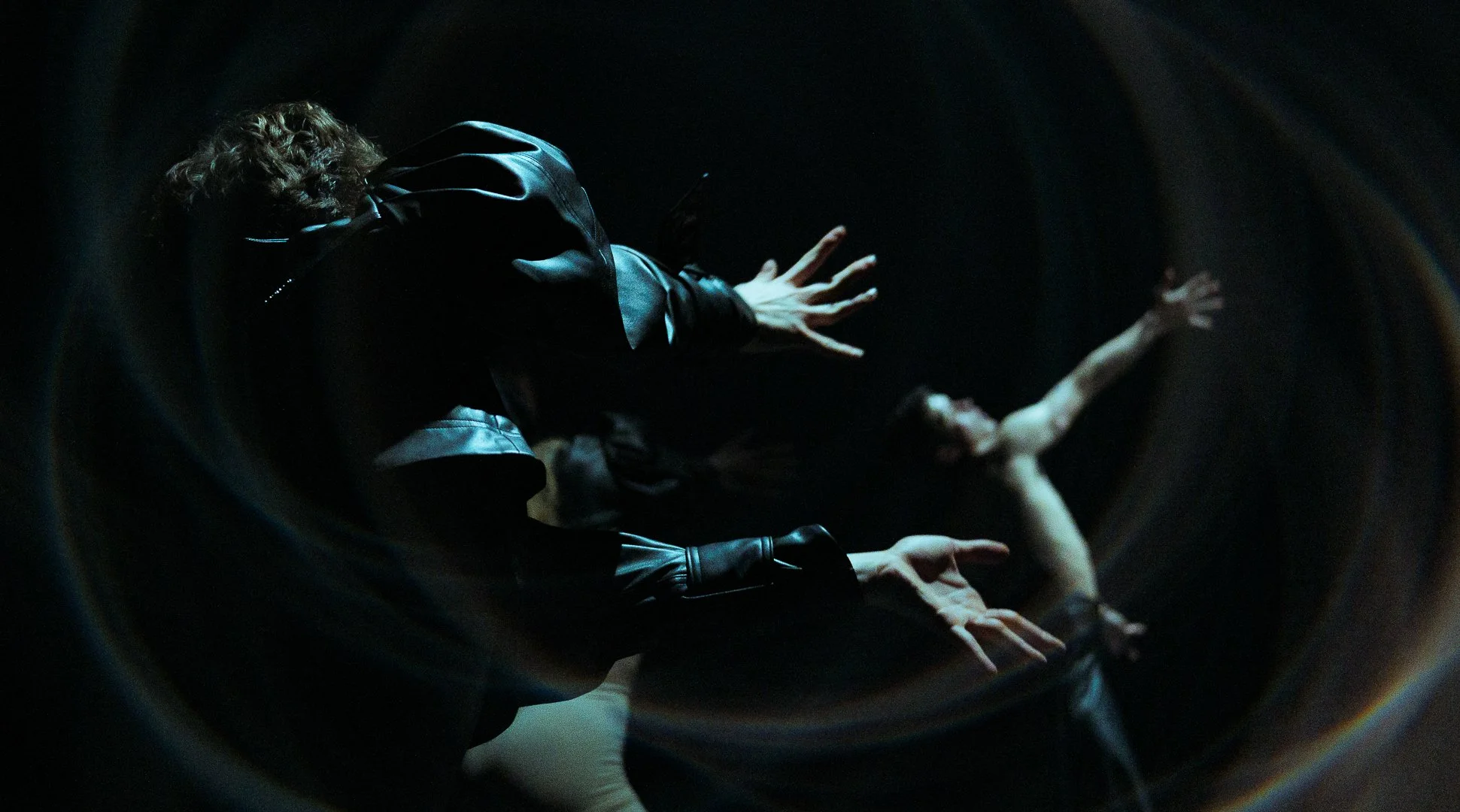
To me this piece is the opposite of Eclipse. It goes deeper into the narrative and storyline. I was researching how you can communicate with people without talking and all the ways that happens - how you think of someone and receive a message, or make eye contact and know what each other means. I like this idea of how souls can connect on different levels.
So I had that topic and narrative, and then I thought about the action of a typewriter - the way you type, type, type, then push it back. I used the idea of that action to generate movement and to see how you can break things down. I wanted to see how the connection between two people can emerge through that structure.
Letters of Silence was performed in New York City, how did this come about?
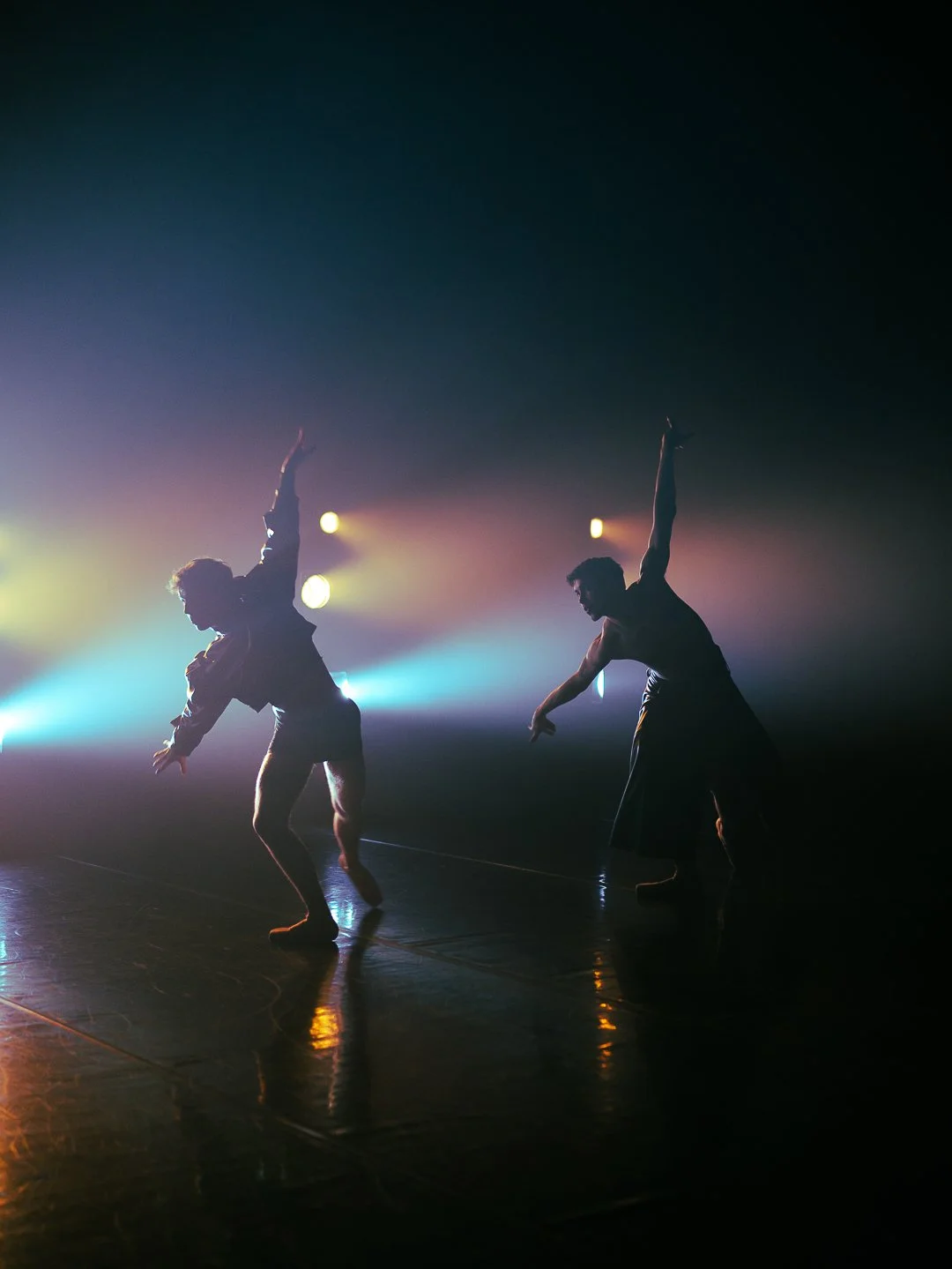
I went to NYC for the first time back in March 2025 and I loved it. Then I went back for six weeks in November to film for a Netflix show. Classic me, burning the candle at both ends, I’d go from rehearsals and shooting to take class or watch a show. I love chatting, I chat so much, and I got talking to Melissa at Peridance who is involved in running the dance company. In NYC they have this massive performing arts festival for January called APAP, where investors also come and watch. Peridance had some shows in that and they were still looking for a couple companies to perform alongside them. Even though I’m an independent choreographer, I sent footage of one of my older duets and arranged to come back. Then a week before, I decided I was bored of that duet and that I wanted to do something new. Thankfully they were happy with that, so that’s how Letters of Silence came about. We had two days in the studio before we flew to NYC!
Being part of APAP was a really good experience. The dance scene in NYC is similar to here, but also really different. It’s a different kind of community, very supportive. Peridance was a really inspiring company too, they are amazing dancers. I felt like I needed to step up and that was a really positive experience.“Like the tattoos that Minimal Gallery offers, the artworks of Impossibilities (Meet Me In Utopia) visualise an experimental and fantastical future.”
So after performing in APAP in NYC and Resolution 2026 in London, what’s next for Letters of Silence & Eclipse?
I want to develop both works further. Some work I leave and maybe come back to later, but with these pieces I want to take them further and perform them.
Letters of Silence actually connects with another duet. This is part one, the second duet called À regarder les étoiles (‘looking at the stars’) I’ve already made. So now I’d like to make a third duet, to form a full hour show where this trilogy comes together. This third piece would be called not here nor there, and it explores where the soul travels when it leaves the body. It would take more research; I don’t want it to be a basic duet.
The trilogy is a lot about grief, but I think we all experience types of grief in very different ways, so it delves into this but also this aspect we don’t know about, the what happens after. I want to use my imagination around that, and challenge the movement in a fun way. Each work can still be presented alone, but that’s an ambition for these works.
Eclipse, down the line, I feel it is more of an immersive show. Maybe in a club, or a basement… places that are a bit more underground and where you wouldn’t expect to find people en pointe!
Artists in the exhibition included Dylan Ng, Angela Santana, Wes Aderhold, Paul Simon, Vincent Laine, Garett Nelson, Sally Oh, Misoh, Josh Raiffe, Mark Malecki, Zach Teplin, Manuela Medina, Bruke Marew, Timothy Kin Cheng, Brian Karlsson, Adrienne, Vero Bello, Daniela Spector, and Soraya Zaman.
You’ve mentioned with both these works, how little time you spent in the studio choreographing them. How does working at speed like this change your creative process?
I don’t really have time to sit down and spend so much time researching. But I love the pressure of having two hours and having to make it work. It forces me to get it done, otherwise I’d just sit back into it. Of course I’ll spend time in the weeks before thinking about the piece. Plus for Letters of Silence, Zach [Parkin, Manon’s duet partner in the work] and I are used to working together, so we also just know where we’re going when we’re in the studio together.
In the future if I could have a month and the funding to do something that would be great, but right now it’s not possible!
It’s definitely a challenging time right now to create work as an independent choreographer. How do you navigate that lack of space, time and money and still make your work happen?
I save the money I earn from dancing and re-invest it into my work. Sometimes the things I care about don’t align with the things that funding is being invested in right now. It’s difficult as it limits the possibilities. I don’t get to have a set, and I’m doing the lights and the sound myself. If I had more money there would be more people involved. It would be a dream to have twenty people, time to explore and make a big production - maybe one day!
I’m lucky to have someone from NPAFE (The National Performing Arts Funding Exchange, based in the USA) supporting some of my work, but of course it’s limited. So you just have to make it work. And I refuse to not pay my dancers - that’s out of the question for me, even when they’re friends. If you're working for me, I’m paying you. I want to make work happen, but I want to make it happen in the right conditions. That's really needed, we’re not charity workers. I wouldn't do that (work for free) and I don’t want people to do it for me.
I’m in 100% agreement! So what would be your top tip for making it happen and getting your work out there?
I don’t give myself a choice. I put myself in a position where it has to work, and I don’t even think about the possibility of it not working. I try not to be in that waiting mindset - waiting for something to come to me, or for that theatre or festival to come back to me. I’m going to put it in front of you and if you don’t want it, then you don’t want it. And sometimes I’ll email until they reply or say yes, because I know the worth of what I’m doing and that they’ll like it - with respect of course! I need them to let me put it in the space first, and then we’ll see.
So really it’s getting out of that head space of ‘it’s not ready, it’s not the time’. You can find so many excuses. So I think, just go. We shared an extract from Letters of Silence at Nexmarket by youyou Zhou for London Fashion Week - they didn’t even want dance for that event! But I was like, let me come, you will like it. And they did.
Of course if I get a no, then I get a no. But if I don’t ask, then I’ve already got a no.
That’s such a positive approach! You mentioned Nexmarket by youyou Zhou, the event you performed at as part of London Fashion Week. What interests you about presenting your work in different contexts like this?
I do love presenting work in a theatre, there’s something very special about it. Even as a performer, there’s a different feeling about performing in a theatre. But I also want to put movement and dance in spaces where you wouldn’t usually see it.
So of course we recently showed Letters of Silence at Nexmarket by youyou Zhou, and a couple years ago I co-directed a short film, Memories, shot in Amar Gallery - you’d see art there, but not dance. I’m trying to be open, as much as possible, to what spaces you can put dance and performance in. I like the challenge that comes with adapting a work, with catering to a different audience or a different space. I think it takes dance further and allows it to reach audiences it wouldn’t normally reach. Often, people who come to a theatre have an interest in dance. I like to put dance in front of people who have zero interest in it and make them watch it. I quite like that thing of ‘you don’t want to see this, but let me put it in front of you and I want to know what you think’. I think that’s part of it for me, putting dance in spaces you wouldn’t think of and in front of people who would never, ever go and watch a theatre show.
And what has the response to that been like?
Using Nexmarket by youyou Zhou as an example, I had people messaging me after saying ‘that’s incredible we've never seen something like that’. Then you get people who just have different interests and don’t really care for it. For those with a positive response though, maybe they go and see more, and then you’ve opened a new perspective for them.
You can’t please everyone of course, and I'm OK with that. Even for myself, as an audience member, I don’t like 70% of the things I watch. So I accept that. We all like different things. And I’ve been rejected so many times as a dancer, at some point you know how to deal with it. I’ll keep going anyway!
So besides bringing dance to different spaces… What inspires you choreographically?
I’m big about queer representation & the LGBTQIA+ community on stage, as we still have very gendered things on stage and it's time to move on. So this for sure, but I equally get inspired by very random things - I can take one thing and just expand on it. I like broken things and the stories behind them, like a sculpture that’s been destroyed for instance. I read and write a lot of poetry, so I use that a lot as well. I’m also inspired a lot by human connections and how we communicate, and about soul connections.
Finally, what are you looking forward to working on next as a choreographer?
Of course I want to further develop Eclipse and Letters of Silence. Also I think I'd really like to collaborate with different artists. In December I worked with designer AGGLOMERATI who makes jewellery and masks. Those kinds of collaborations really challenge your movement and creative process. So I’d love to do short term things and quick collaborations; to develop an idea and see where it goes.
