Draw The Line: Tattoos, Steel Chairs, and “A Sense of Hope”
Words MIRANNE WATLEY // Images DEONTE LEE // Motion NIKITA GORLOV
Samuel Schler’s recent exhibition, Impossibilities (Meet Me In Utopia), takes place within a gallery and tattoo shop in Bushwick, New York. Including a choreographed performance, glass blowers, and (of course) the tattoo chairs, MOVES talked to Samuel about the motivations behind his captivating show.
Tattoos have been around for centuries. More than that. The oldest record of a tattooed body is Ötzi the Iceman, from over 5000 years ago. These enduring (or, as my parents love to remind me, permanent) marks transform our skin into a limitless canvas. Previously out of reach fantasies become pieces of art that we can touch and move. Mythical creatures. Fairytale landscapes. Tattoos fuse our bodies with the inconceivable. For Samuel Schler, this promise to reimagine the limits of possibility became the focus of his recent exhibition, Impossibilities (Meet Me In Utopia).
Hosted by Minimal Gallery - both exhibition space and tattoo shop - in Bushwick, New York, and curated by Samuel, Impossibilities (Meet Me In Utopia) incorporates the work of 19 artists. Each piece of work “purposefully pushes the boundaries of its own medium” and proves that we can make real the impossible. Mark Malecki combines steel and blown glass into an ethereal, yet cutting, structure. Dylan Ng’s oil painting mixes bodies and limbs into a colourful blur. Like the tattoos that Minimal Gallery offers, the artworks of Impossibilities (Meet Me In Utopia) materialise an experimental and fantastical future.
“The theatre will always be a safe space to create and consume dance, but I think we are seeing dance happening in more unexpected places”
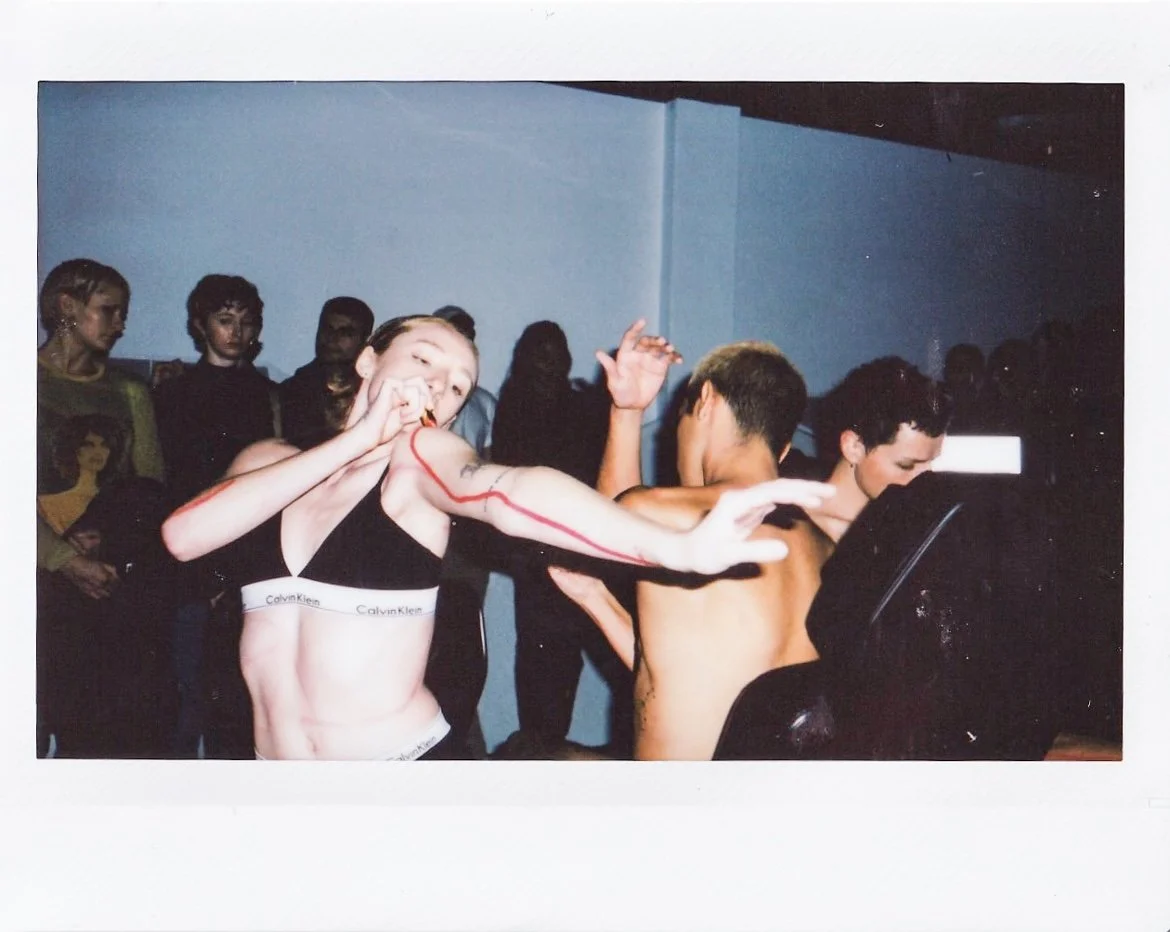
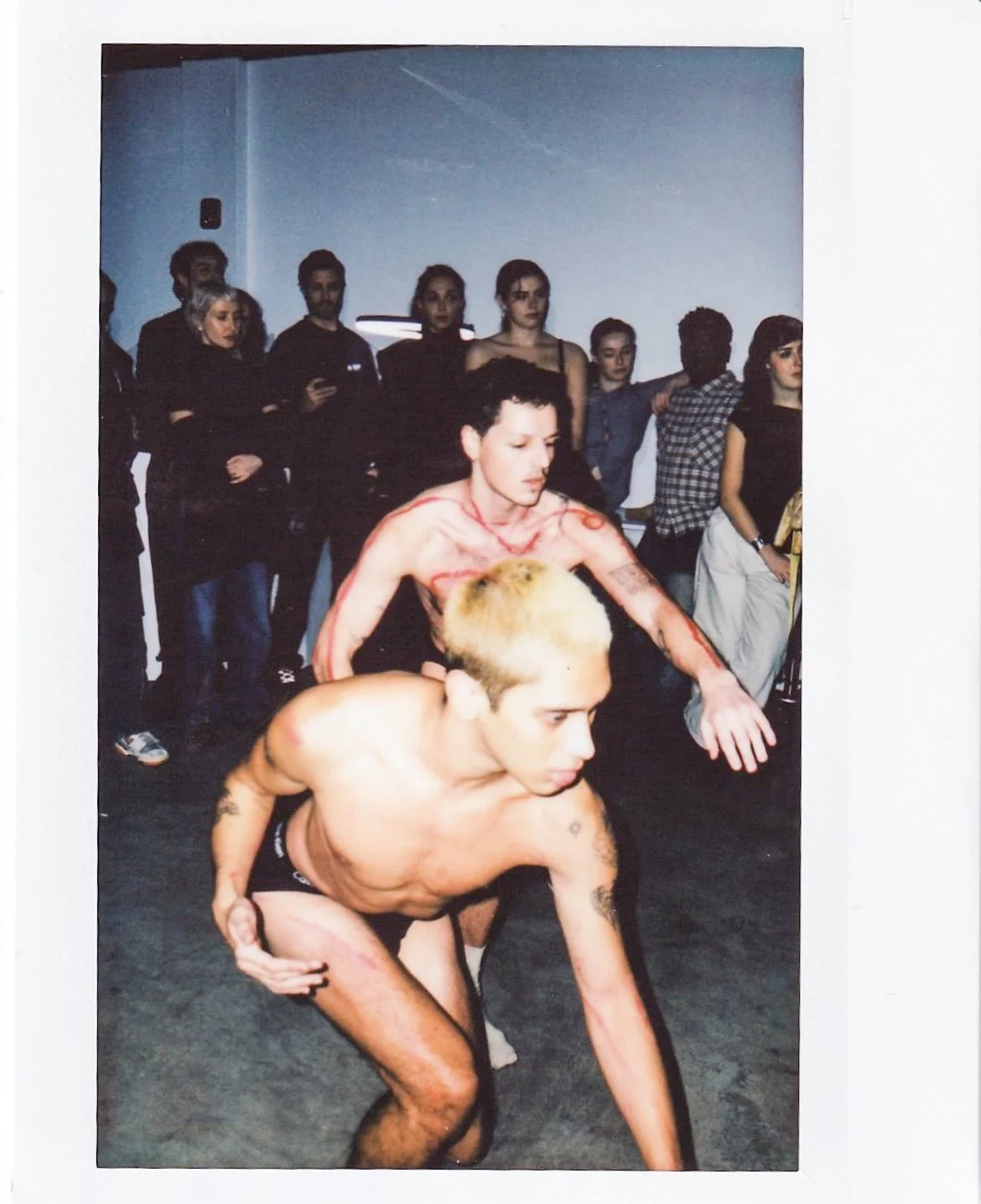
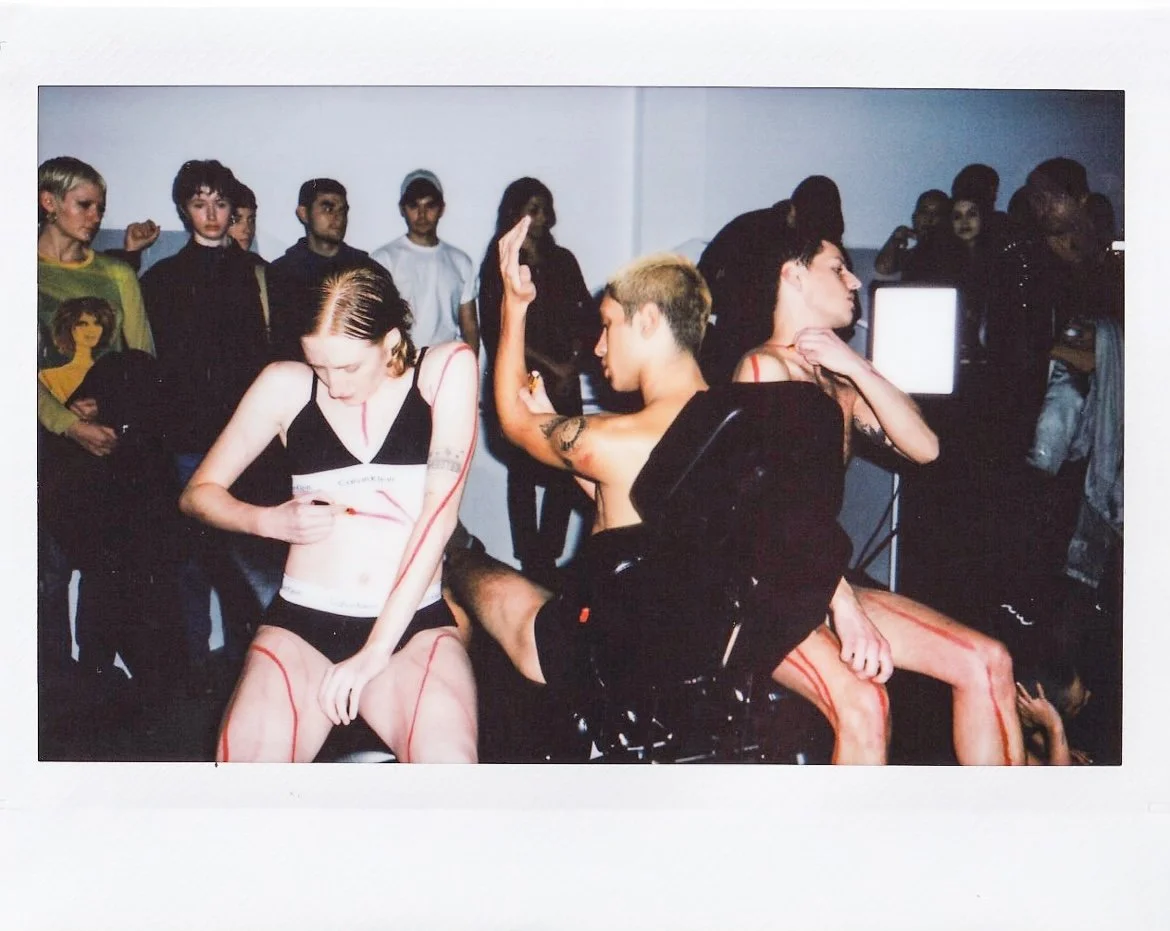
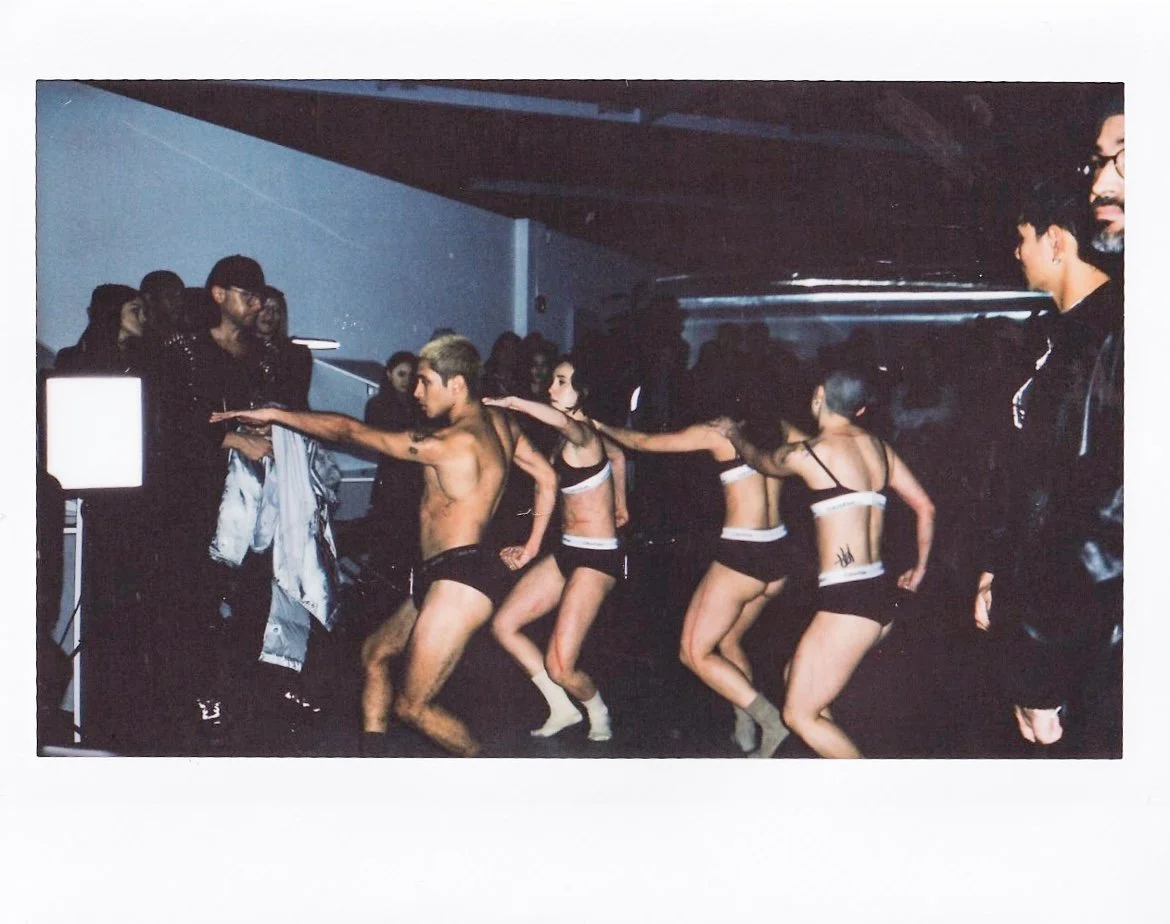
On the exhibition’s opening night, this fantasy came alive in a performance art piece, co-choreographed by Samuel Schler and Nicholas Lamaina and assisted by Ekko Greenbaum. Featuring seven dancers dressed in matching Calvin Klein sets, the piece is staged around Minimal Gallery’s tattoo chairs as lipstick is used to trace the dancer’s moving bodies. Titled, Draw The Line, the piece filled the gallery with the rhythmic releases of dance and complicated the line between audience and performer. Amidst intertwined bodies and a rapt audience, Draw The Line was able to suspend Minimal Gallery in a moment of wonder.
Samuel discussed the choices behind the performance in more detail with MOVES and delved deeper into the process of putting this exhibition together.
Dancers & Choreographic Contributors PILAR MELLON-REYES, TESSA RUSS, ELEANOR SIMMONS, ISABELLA ALDRIDGE, NOLAN EISENHAUR, STEVEN CAMACHO
In discussion with samuel
Can you describe the concept behind your exhibition, Impossibilities (Meet Me In Utopia)?
I was very inspired by The Truman Show and the concept that there is more to life than what we are currently experiencing. We are at a moment where there is an opportunity, if not an obligation, to rethink how we want to live, so the exhibition came out to challenge the current climate… and to actually showcase an alternative. Initially, I was simply going to call it Impossibilities, but I really wanted to give the title a sense of hope.
I curated the show very intentionally. There are some established artists and some completely emerging ones. I really tried to create diversity. It’s important to create spaces where a painter can be with a sculptor or a photographer with a textile artist.
We worked with a British set designer, Oli Colman, to create two beautiful, translucid sculptures for the exhibition. With them the set became a part of the exhibition itself.
Minimal Gallery hosted the exhibition. What stood out to you within this space?
I think it’s really important to bring established artists into Bushwick and out of Manhattan, which is usually where big galleries are. It creates a democratic space where art can be enjoyed regardless of status.
I'm also really interested in intersectionalities: art and dance, space design and performance, community building and the arts. Minimal Gallery represents that intersectionality as it's both a gallery and a tattoo shop.
The tattoo chairs became important in the staging of your dance performance, Draw The Line. When did you make the decision to include them and why?
When we saw the space it was really important for us to use it as it was. And, ultimately, getting a tattoo is such an act of resistance and revolution. You get a tattoo when you have something that you want to say and that you're willing to stick to. So we couldn’t have done a performance without acknowledging that the space is somewhere people come to make this commitment through needles and ink. We did actually have to change the choreography once we started doing tech rehearsals because the chairs were so thin, but we made it work!
The tattoo shop felt almost like a speakeasy. You entered through the gallery without knowing there was a tattoo shop behind. I think that’s why it felt so rich and surprising. We wanted the tattoo shop to stay open during the performance… so some people were getting tattooed as it was happening.
I love how your use of the space made the performance feel so organic. It also allowed the dancers to perform immersed within the audience. Can you talk more about the relationship that you wanted to build between the dancers and the audience?
When you make immersive work, it's really hard to predict how the audience is going to react but we were excited to see the audience get so close to the dancers. There is something so fascinating about observing a professionally trained dancer up close.
There was a moment in the middle of the performance where the dancers went to the audience and whispered in their ear, ‘Where do you draw the line? Draw it on my back’. It was an invitation for the audience to reflect on their boundaries. There were also two or three moments when the audience was invited to move closer or further away and we had the dancers guide them. This cast was incredible in being able to perform full out, while still respecting the boundaries with the audience.
What makes dance a unique medium for you to work with?
I think dance offers something that is so beautiful because it's transient. Any medium that’s not permanent offers the flexibility of trial without consequences. Especially when the performance is live, there is a comfort in knowing that we can try something new and it will disappear as soon as the movement ends. It allows a level of freedom.
“Like the tattoos that Minimal Gallery offers, the artworks of Impossibilities (Meet Me In Utopia) visualise an experimental and fantastical future.”
What were the main inspirations behind the choreography?
I really wanted to create a dialogue between the art and the performance. One of the paintings in the exhibition is by Angela Santana and shows the figure of a woman reclined on her side. Her painting really recontextualizes what the human body, specifically the female body, can convey. So one of the key choreographic motifs we developed was the body laying sideways on the tattoo chairs.
It’s also a 12 minute piece that truly starts within the realm of performance art. The music starts really low and you have Pilar blasting the door of the gallery open, wearing a big fur coat and boots. Pilar enters and starts a repetitive movement, just throwing themselves on Vincent Laine’s steel chair (also a feature of the
exhibition). Mind you, everyone has been in that space for the past 30 minutes looking at the chair… but no one has sat on it. People didn’t really understand what was happening. Then the dancers start coming out and we have more choreographed movements to transition from performance art to dance.
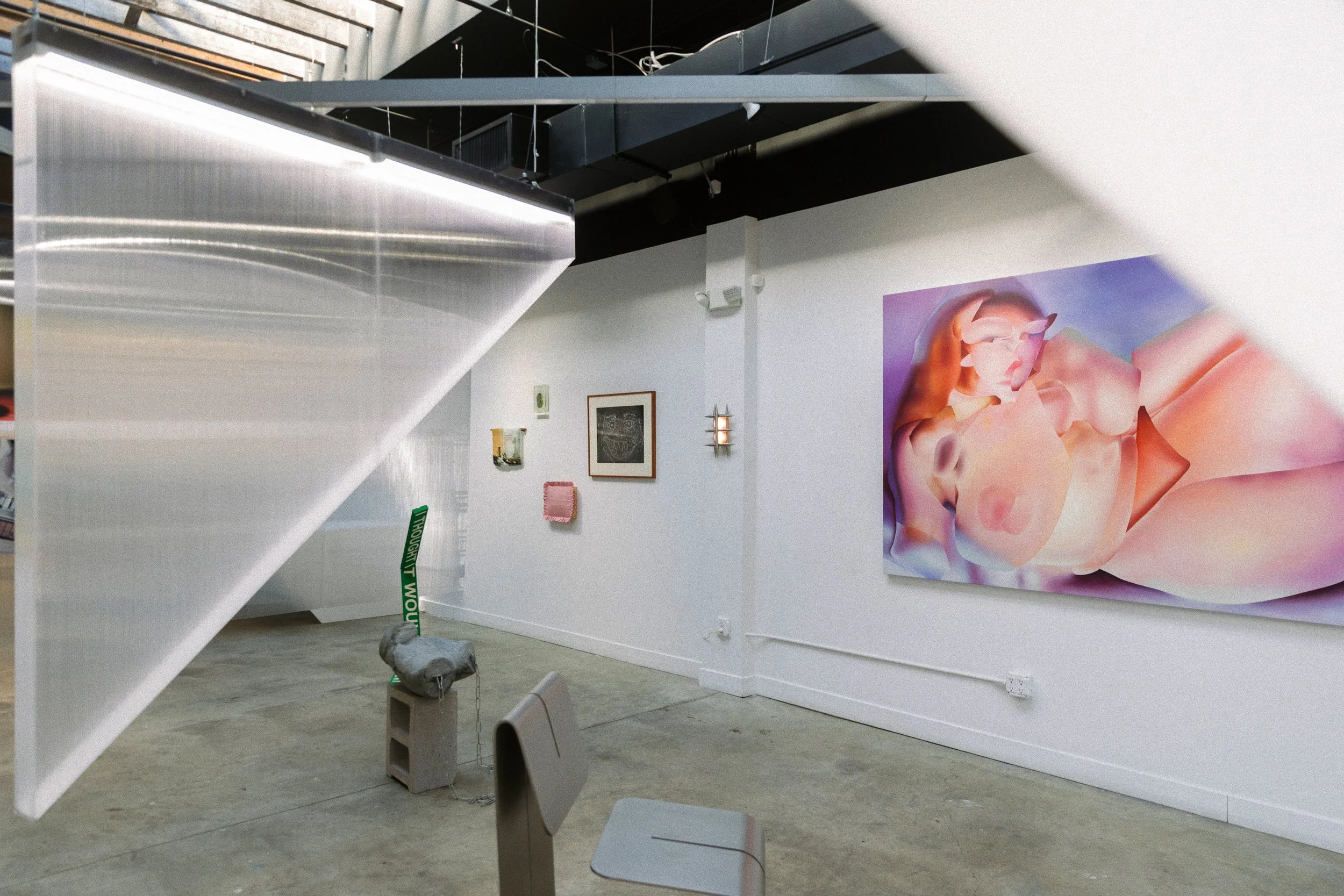
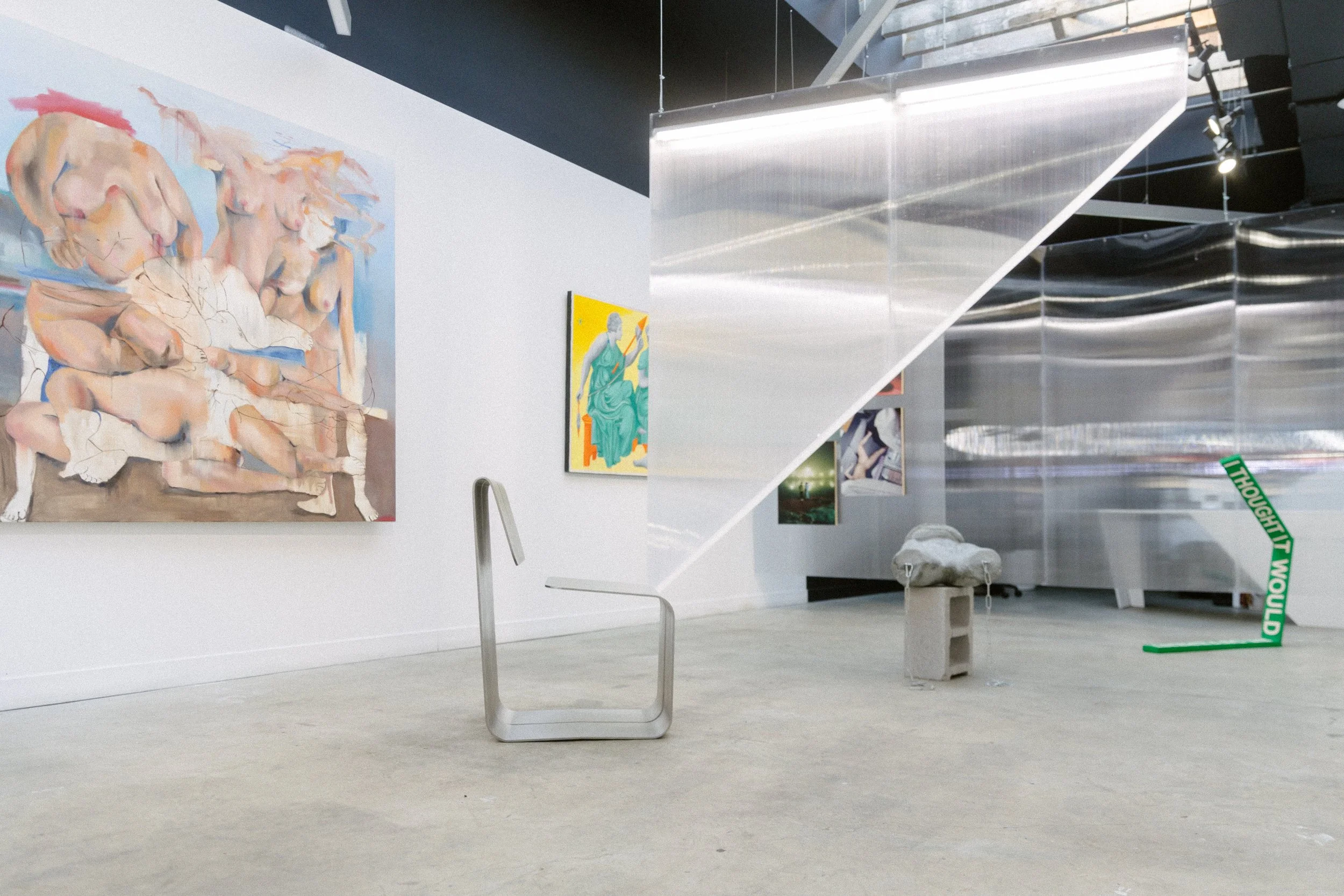
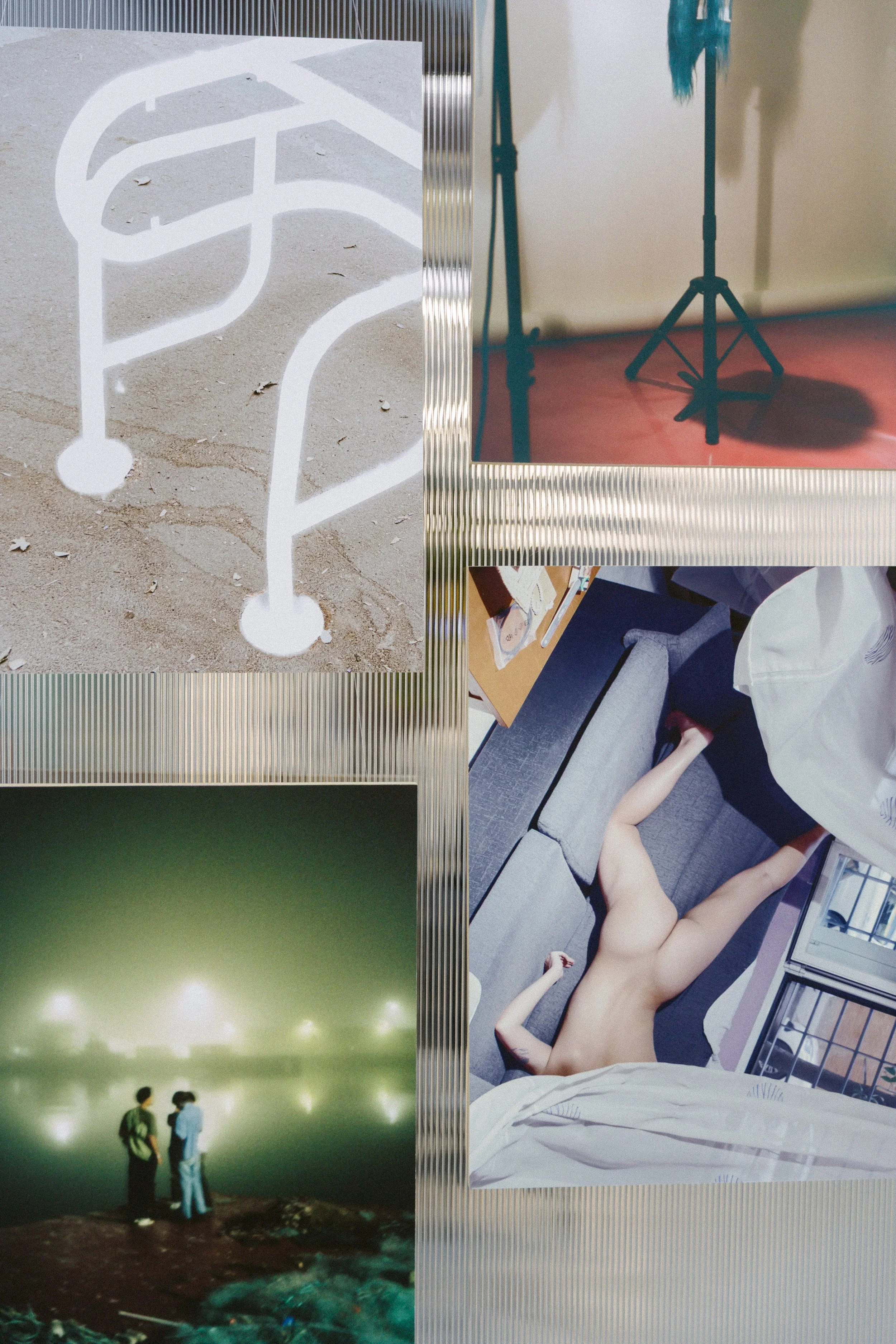
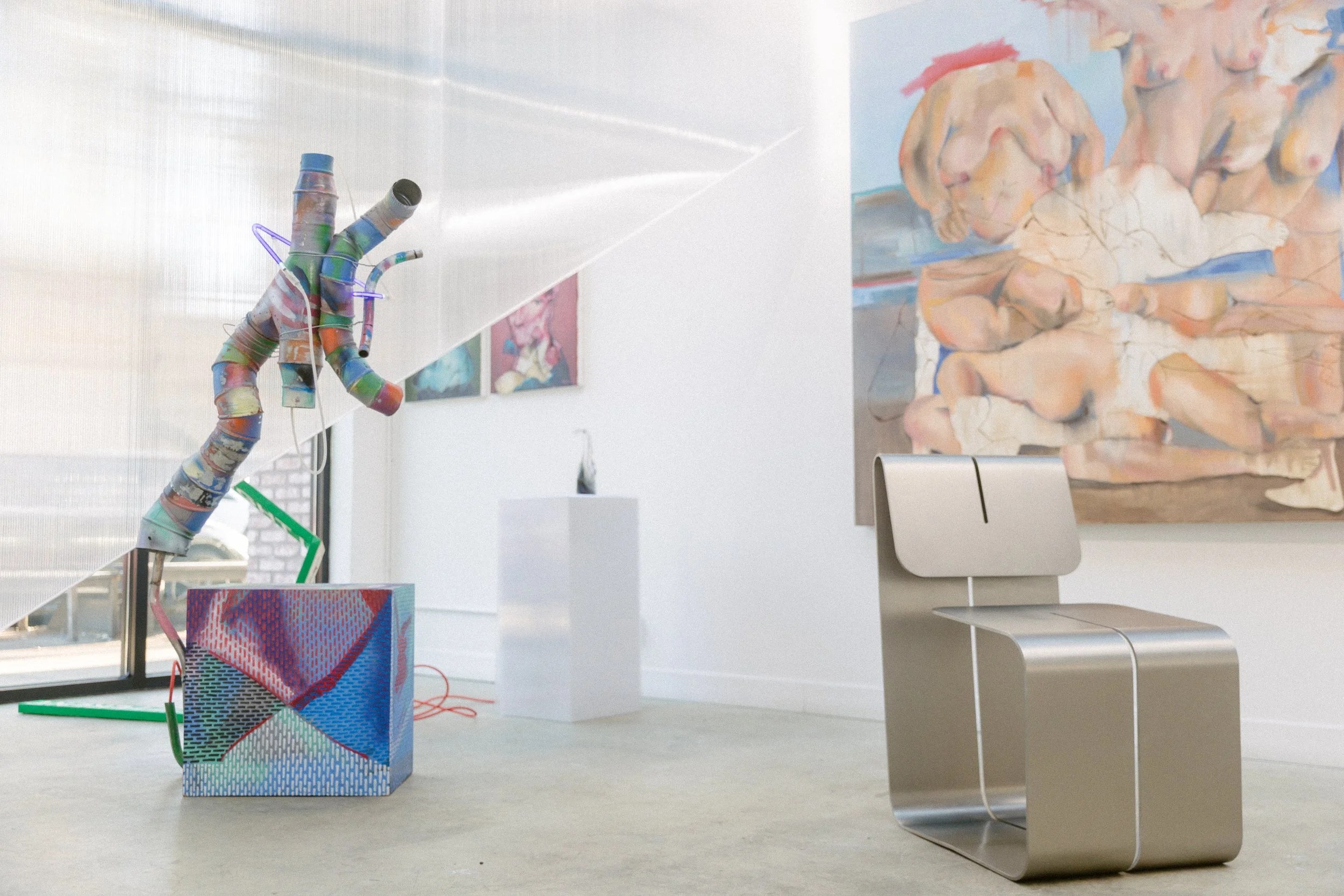
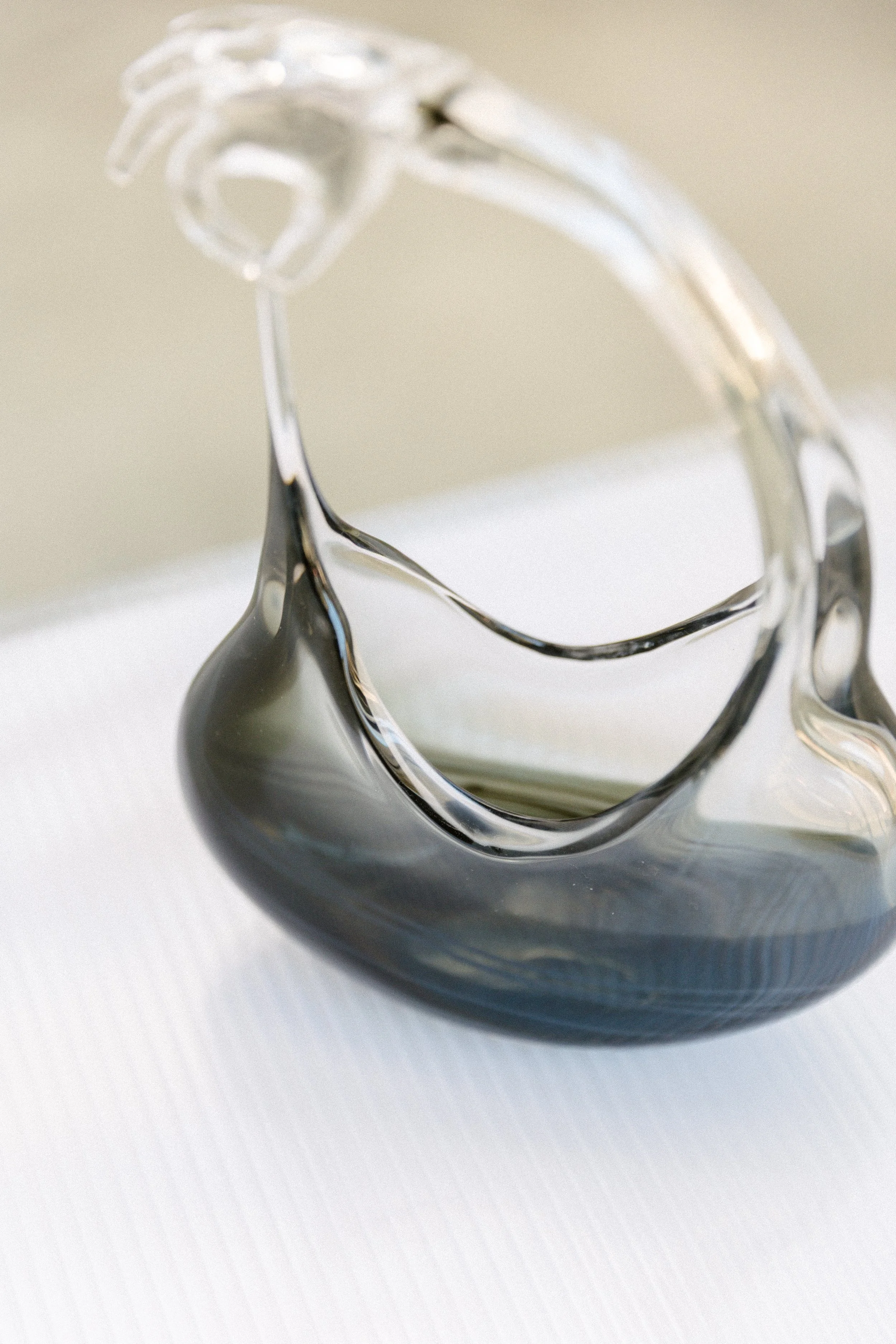
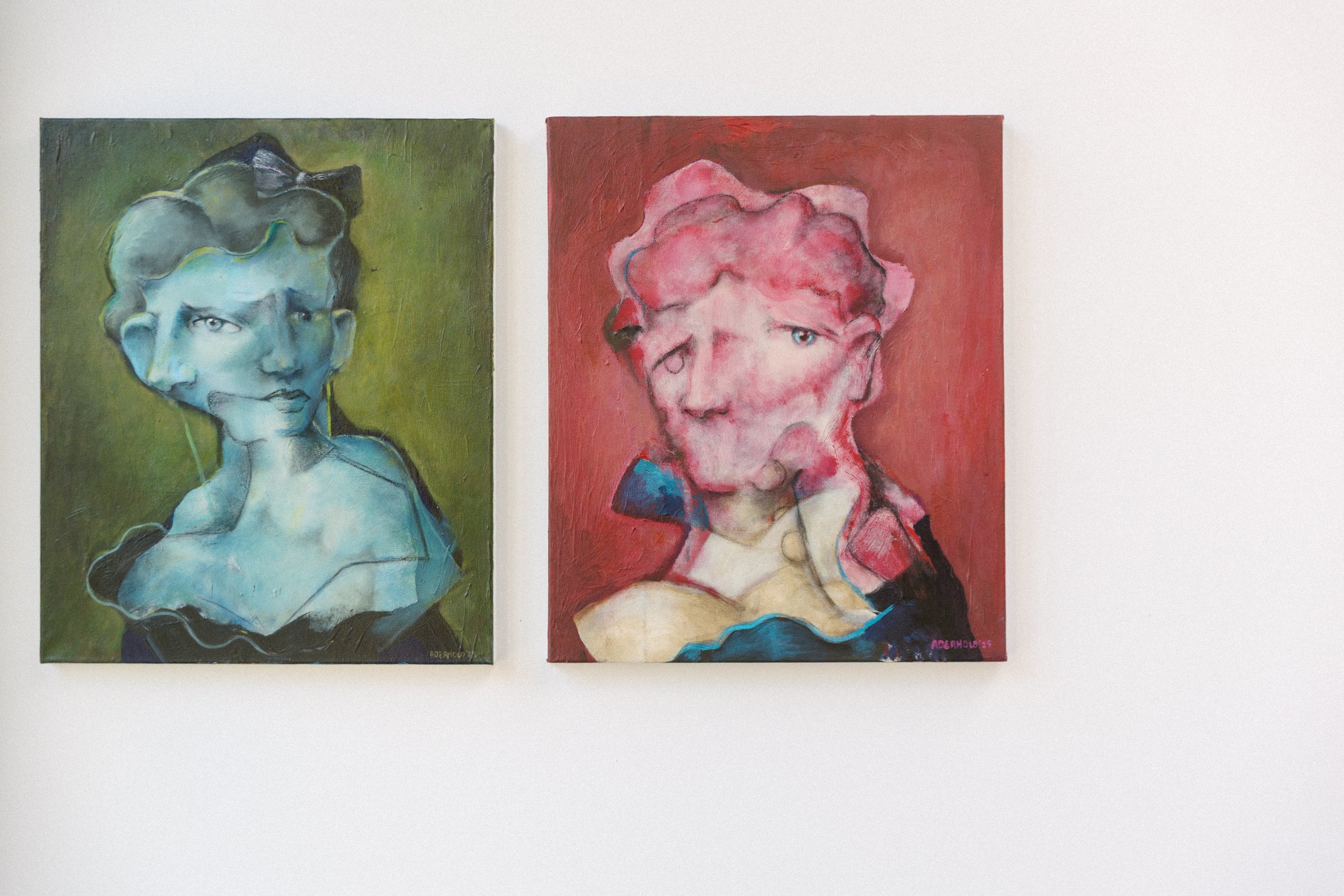
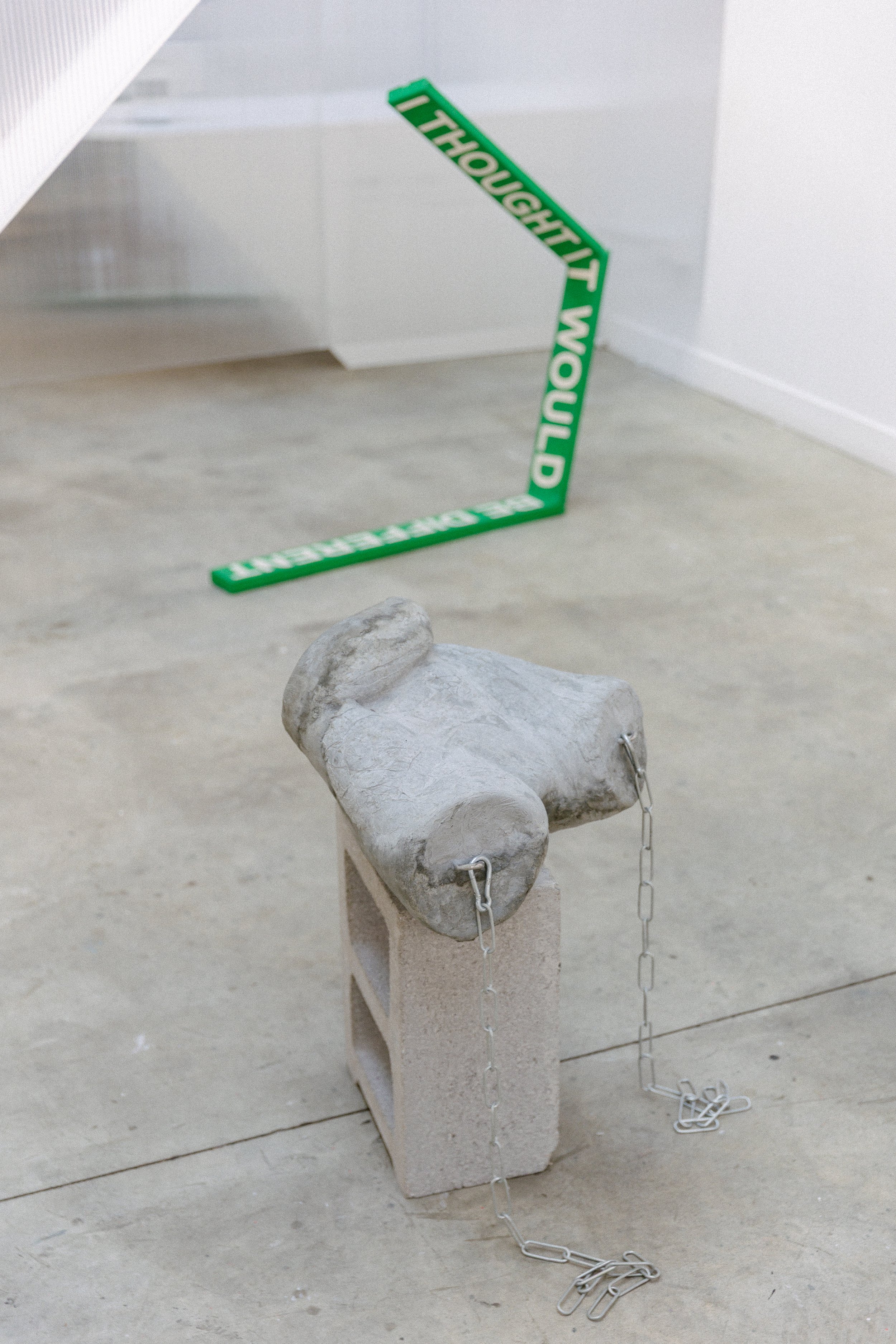
Artists in the exhibition included Dylan Ng, Angela Santana, Wes Aderhold, Paul Simon, Vincent Laine, Garett Nelson, Sally Oh, Misoh, Josh Raiffe, Mark Malecki, Zach Teplin, Manuela Medina, Bruke Marew, Timothy Kin Cheng, Brian Karlsson, Adrienne, Vero Bello, Daniela Spector, and Soraya Zaman.
Had you worked with any of the dancers before this performance?
I had worked with most of them in a previous project and it’s such a great group. They're all highly technical dancers and are comfortable with a wide range of styles. Also, I think all of the dancers were excited to work in a different environment. The theatre will always be a safe space to create and consume dance, but I think we are seeing dance happening in more unexpected places.
Are there any other projects you have coming up?
Nicholas and Ekko have just started a dance company. It’s called ENI Artist Collective and their first performance is on the 18th and 19th of April in New York.
As for me, I’m always interested in creating dance that merges disciplines: dance and spatial design, dance and fashion… dance and food… and developing movement that conveys a clear story. I think everyone who came to Impossibilities (Meet Me In Utopia) came out with an understanding of my vision,