
movement the industry: The women of black heritage making moves in london’s dance scene
By Zen Rose
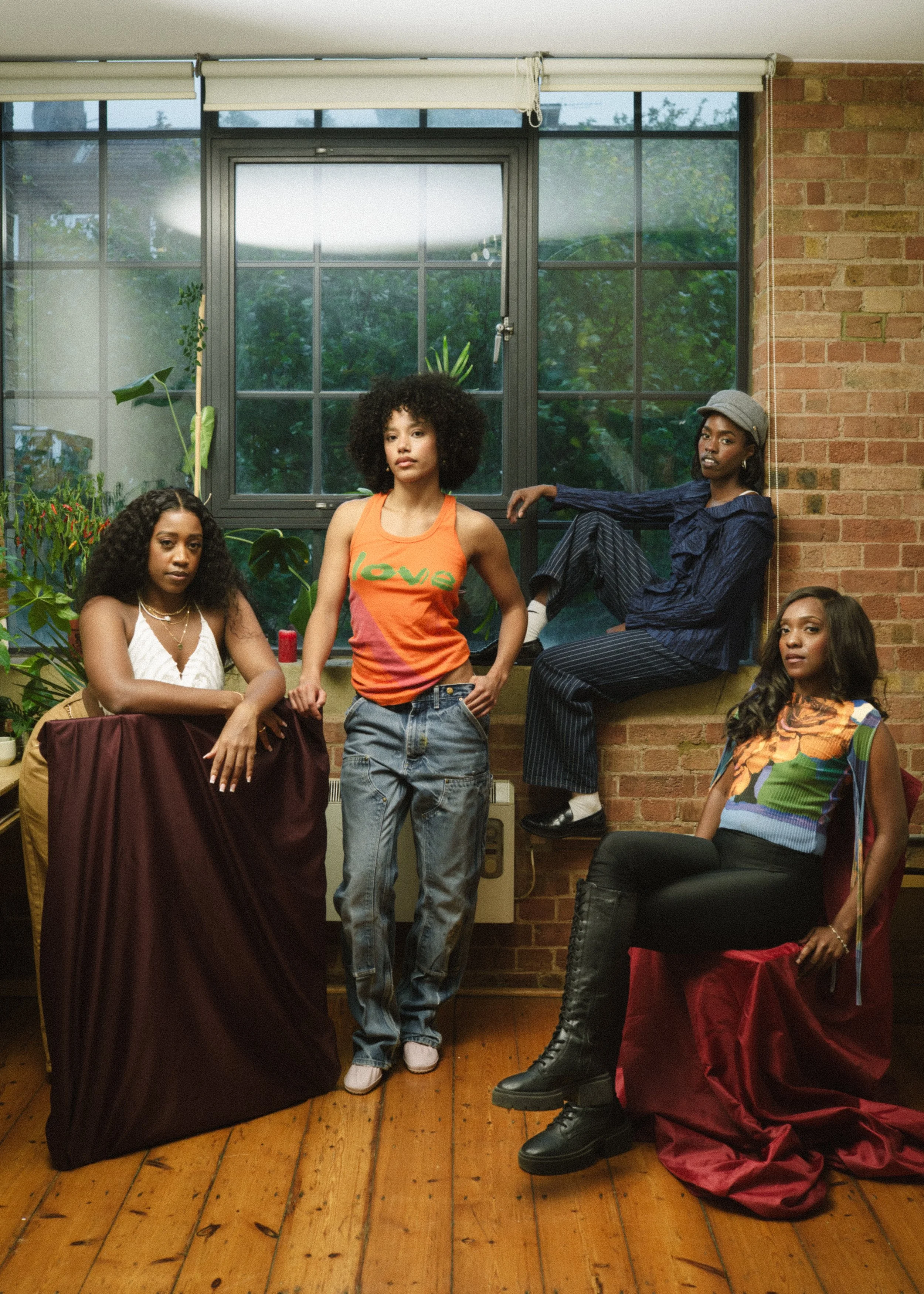
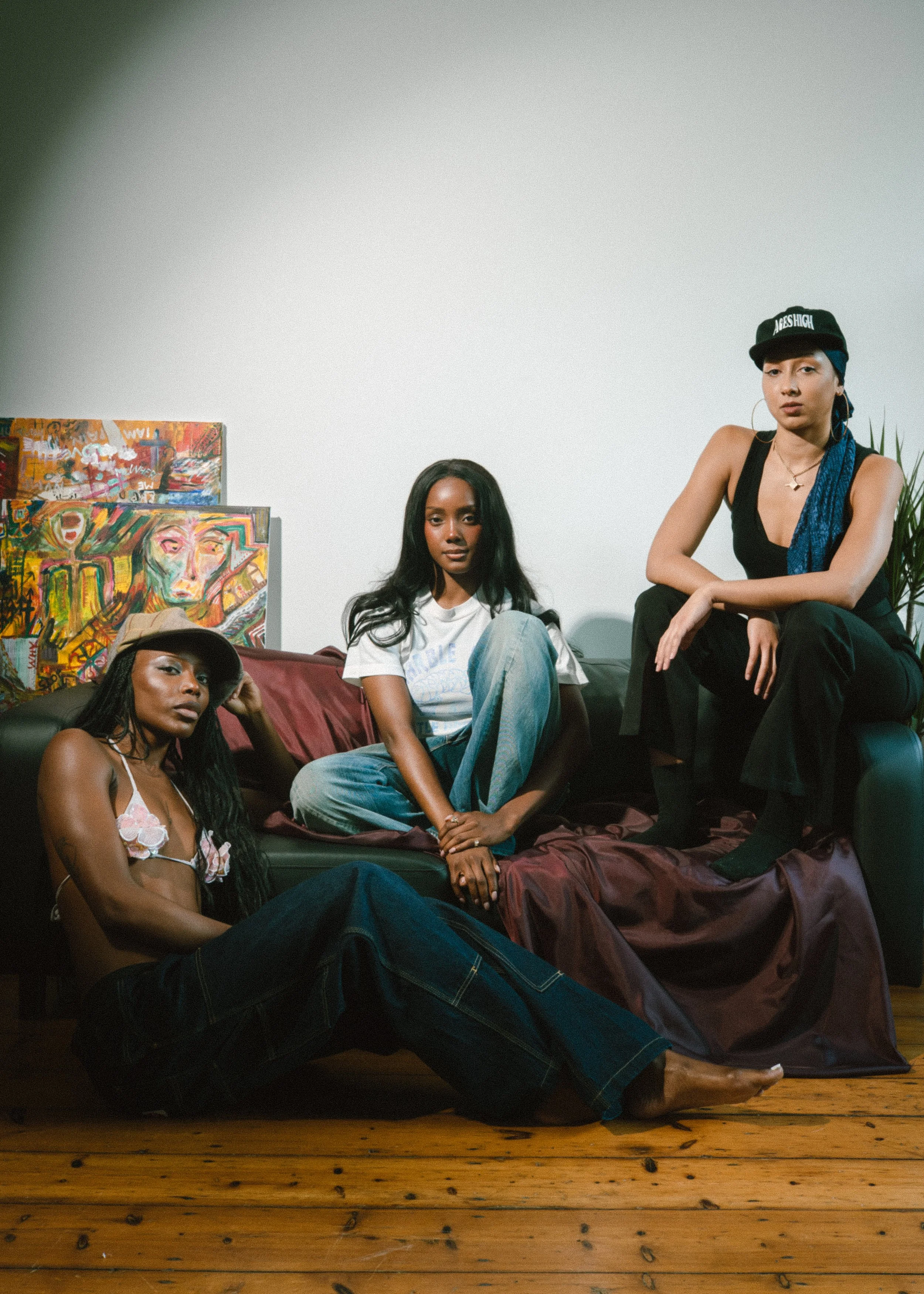
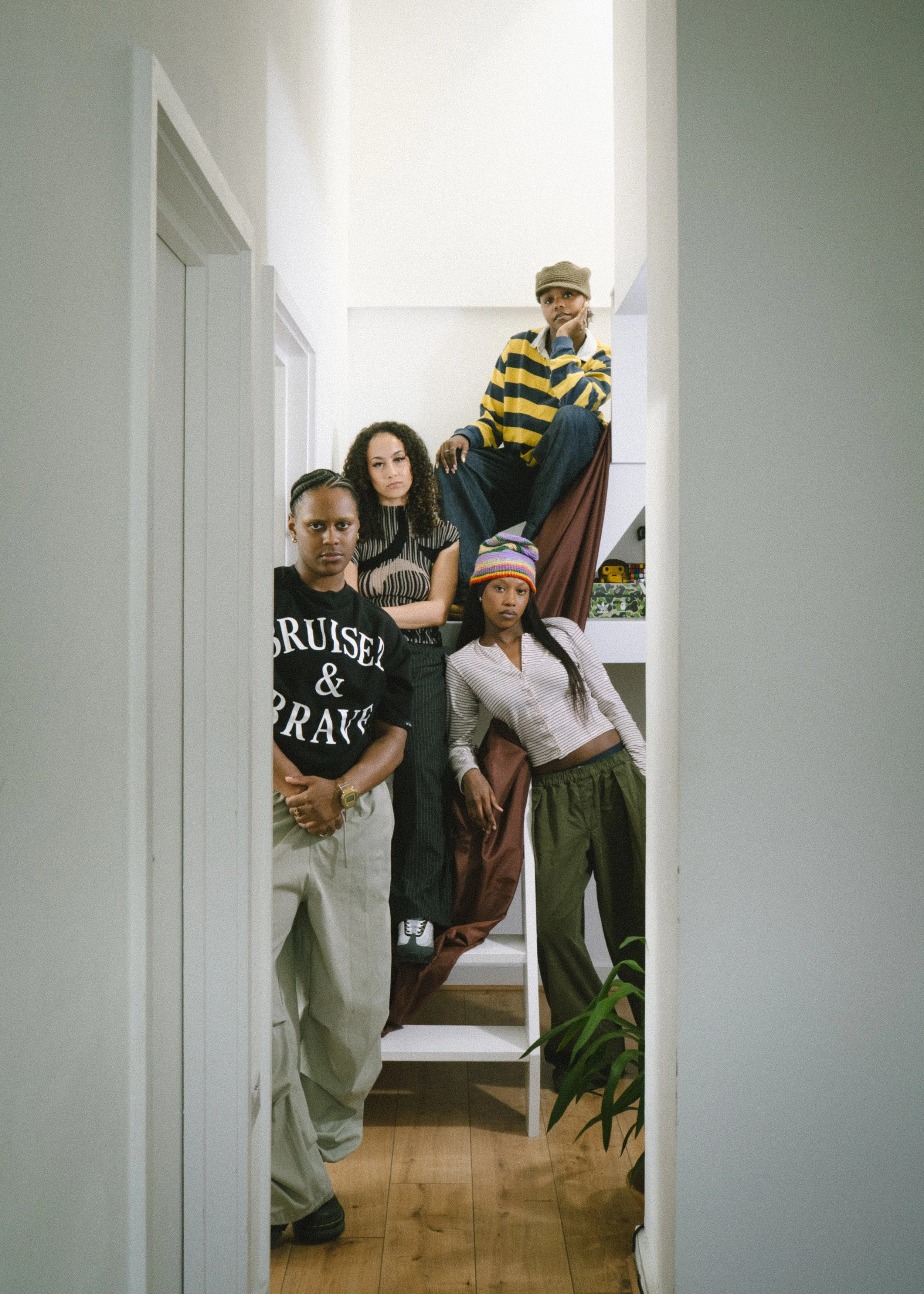
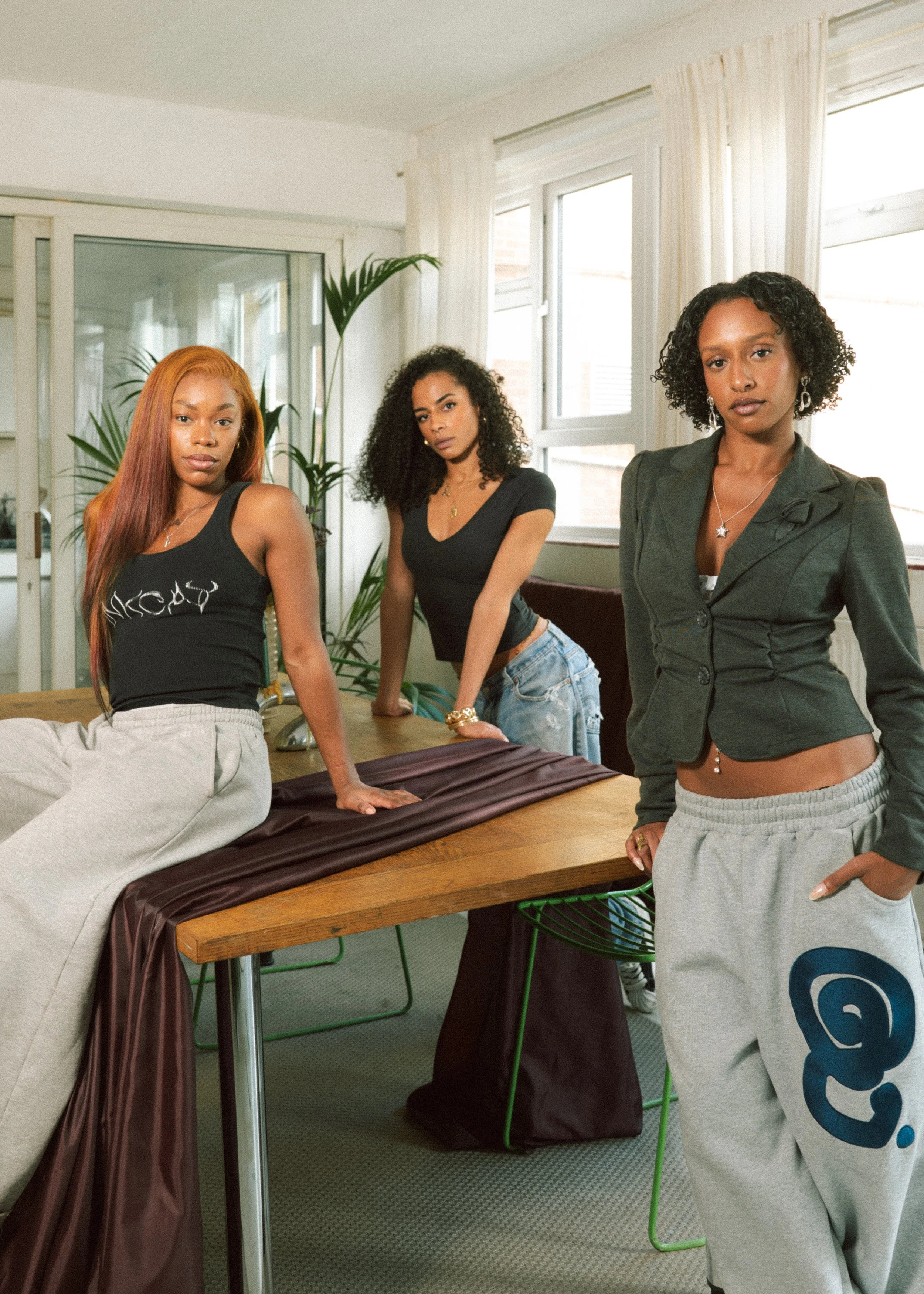
Creative Director ZEN ROSE & SAIYA THOMAS // Photographer ZEN ROSE Movement Direction OPHELIA IMAN & SAIYA THOMAS ZEN ROSE // Photography Assistant JOSEPH OSAS // Runners MOLLY HINCKS & CELINE GOELDNER
Words SHOKIRIE CLARKE
This Black History Month, we return with another collaboration with Zen Rose for part two of Movement: The Industry. This time, we hear from women of Black and Mixed heritage who face the complex reality of doing what they love while navigating an industry that still has strides to make towards better representation.
Nicey Belgrave, Paige ‘Smurf’ Lilley, Honey Makwana, Ophelia Iman, Bella Tshuma, Shiantaye Northover-Neita, Courtney Yao, Nicole Hastings, Shanley Jorge-Elde, Lashay Harvey, Kamira Samuel, Shani Ross, Cece Nama and Amber Rae speak about the joy of dancing and the celebration of their heritage within it. They also confront stereotypes, tokenistic casting, the misrepresentation of cultural dance styles, and a lack of understanding around caring for their hair and make-up.
Each of these dancers is making moves in the London dance scene in their own right, challenging stereotypes, embracing their identities and embodying both their cultures and the communities around them.
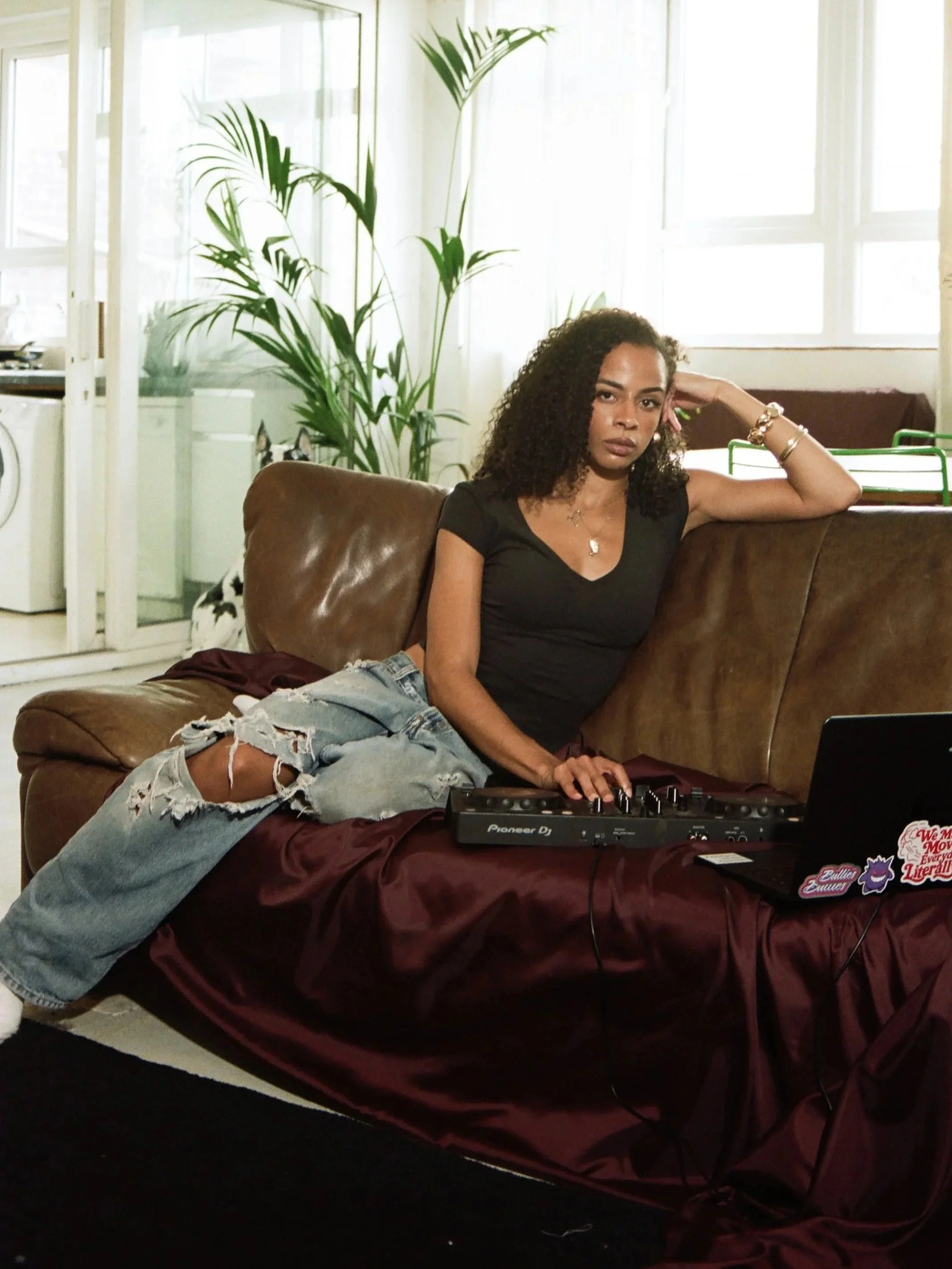
Nicey
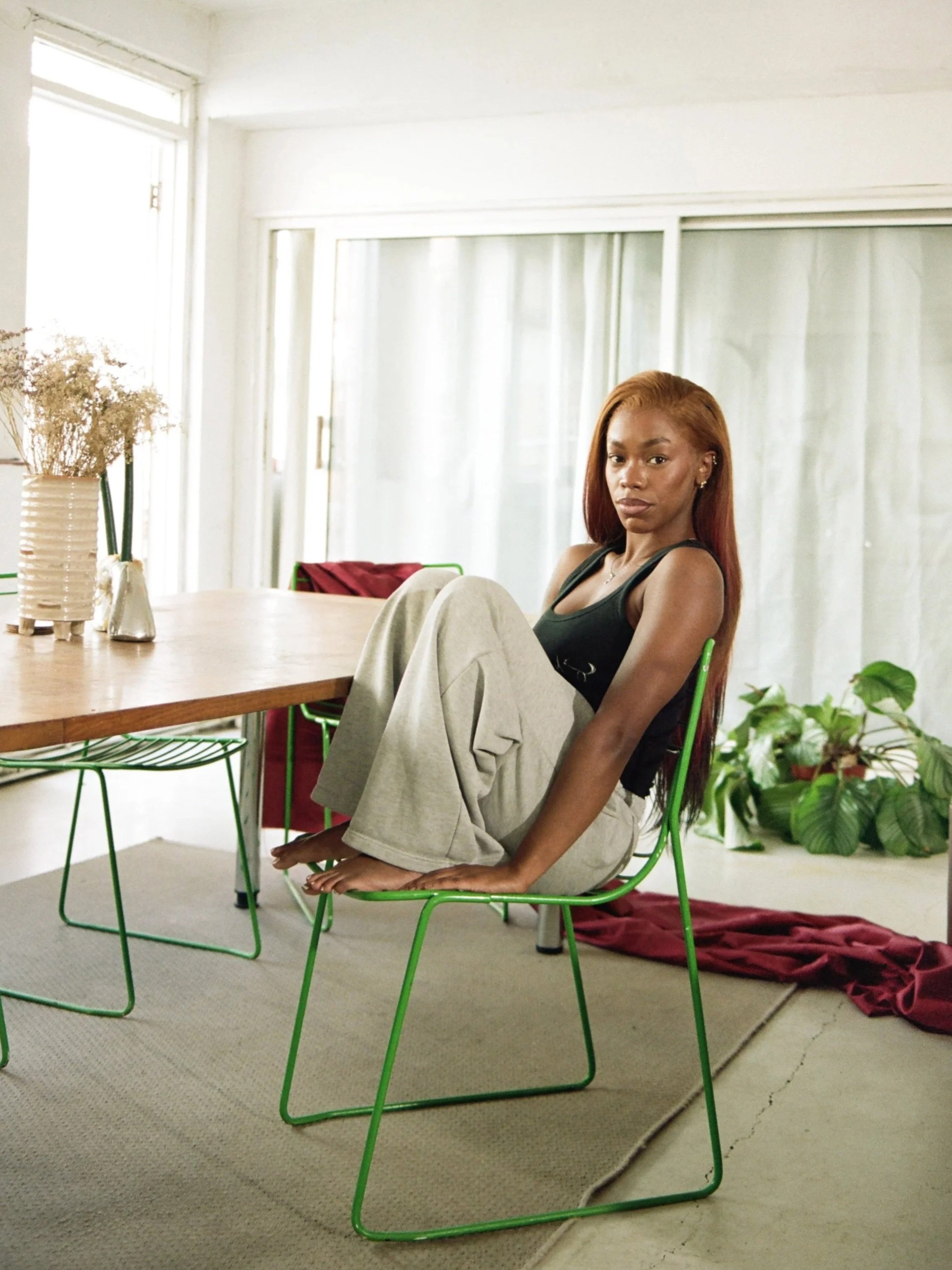
paige
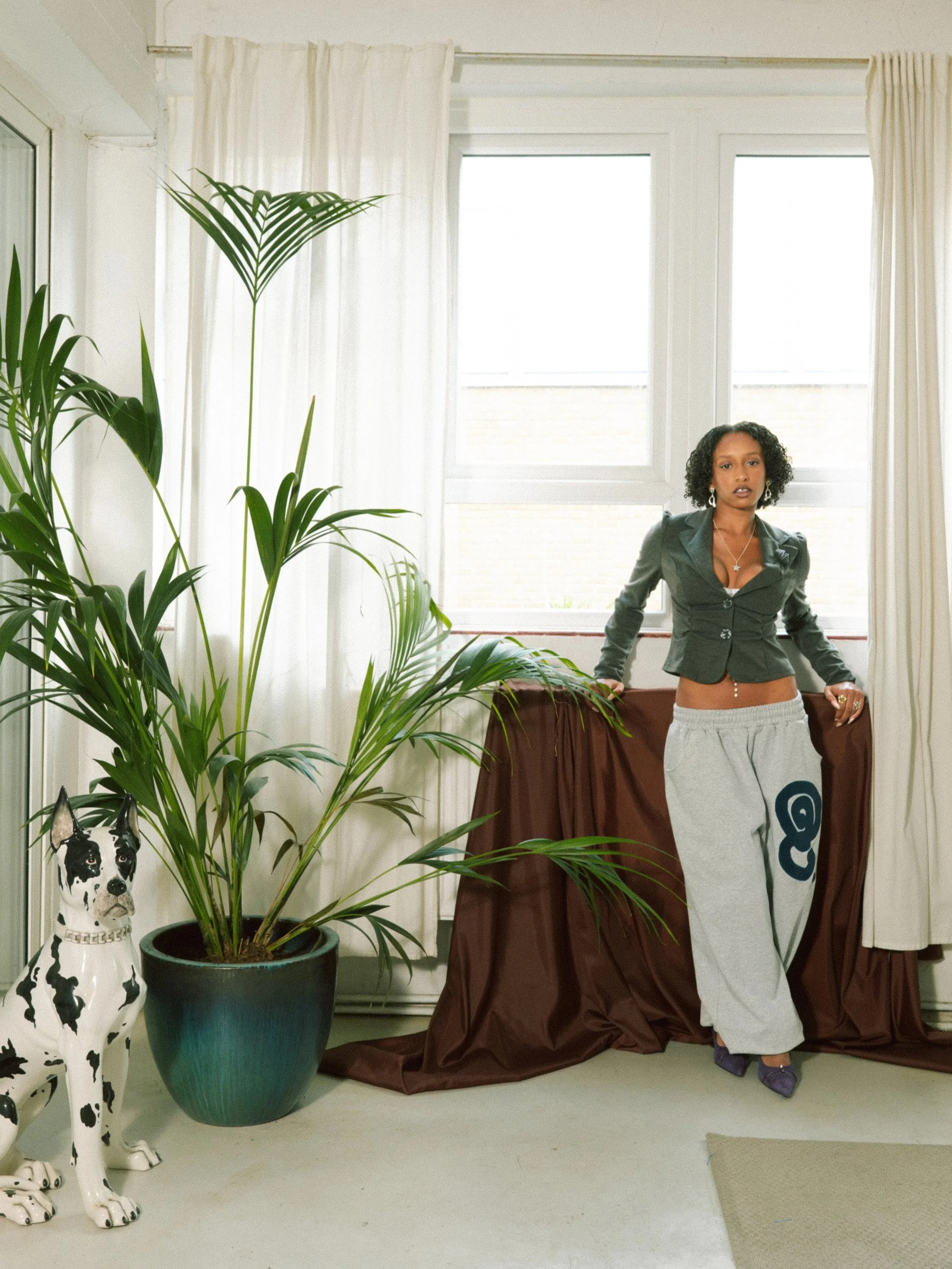
honey
NICEY BELGRAVE
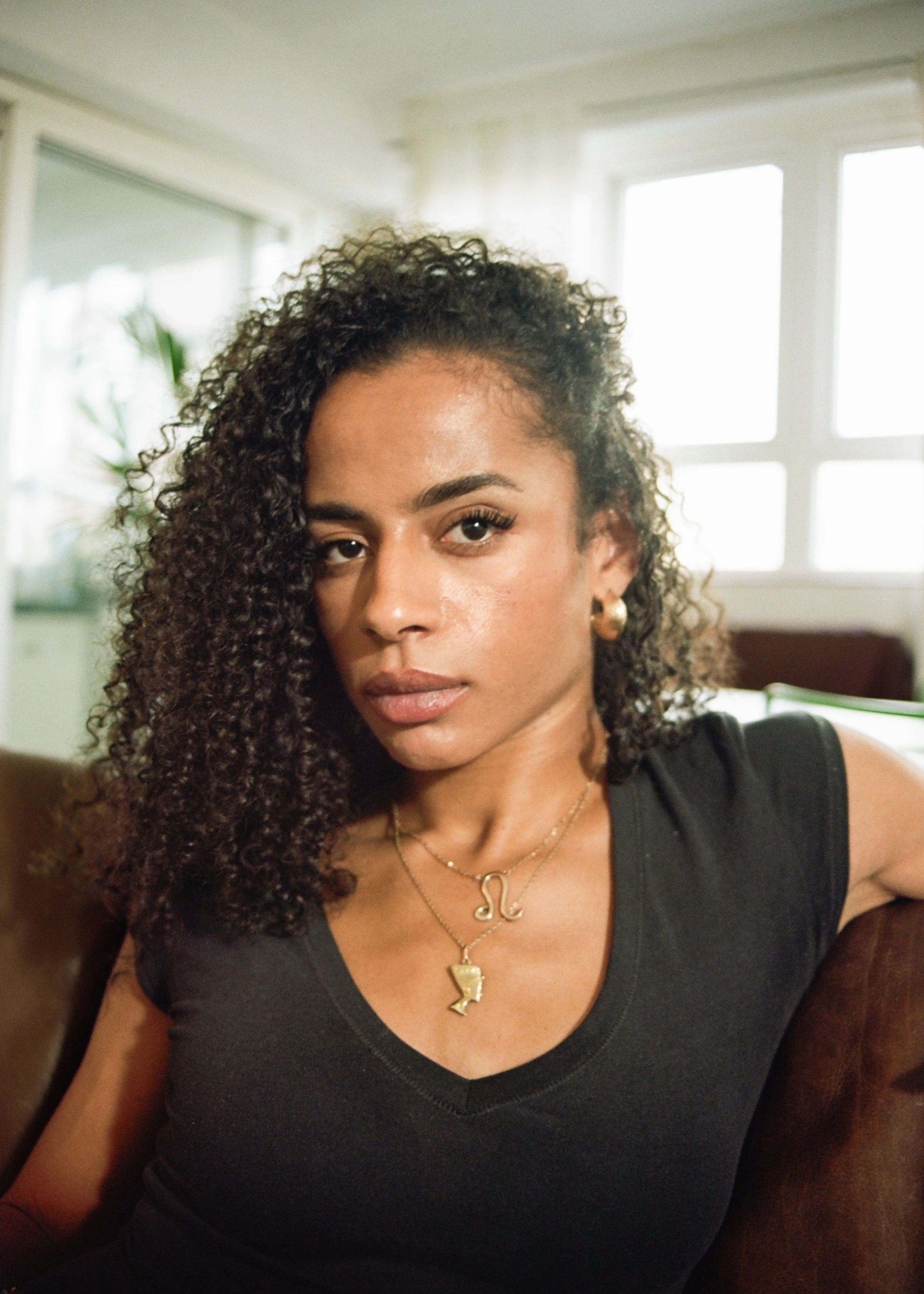
Hometown Essex | Heritage Bajan/English
What MOVES you?
“What moves me is music, culture, and the ability to communicate something through movement or sound that words sometimes can’t. Feeling first, always. I’m also moved by the people who came before us and the people coming after us.”
How has your culture/heritage impacted your dance/creative voice?
“My Caribbean heritage has had a big influence on me as both a dancer and a creative. Growing up in a predominantly white area, being closely connected to my Black roots and culture has always been important to me, dance has been a way for me to explore and deepen that connection.
Joining a hip-hop company and being surrounded by people who looked like me was particularly significant. It gave me a sense of community that I hadn’t necessarily experienced growing up, and it allowed me to connect with my culture in a different way. Through dance I’ve been able to learn more about my roots, the history behind the styles I was practising, and the people and communities who shaped them. That experience influenced me beyond the studio. It shaped how I see myself as person.”
Are there any dancers of similar backgrounds that you looked up to while coming up?
“Growing up dancing, I looked up to Shanelle, aka Tali. What stood out to me was that she never boxed herself into one thing. She created her own lane and showed that you could sustain a successful commercial career while still exploring other styles, she does what she feels. “
Why does this representation matter to you?
“I’ve spent a long time dancing, teaching and working with different communities, I understand how important it is for people to feel that they belong. I want younger dancers to see that where you come from doesn’t limit where you can go. I think seeing someone who comes from a similar background to you can remind you it’s possible for you also.
I also think representation needs to go beyond putting people in the room. It should include opportunities to create, lead, teach and shape the industry. That’s when representation can have an impact.”
paige ’smurf’ lilley
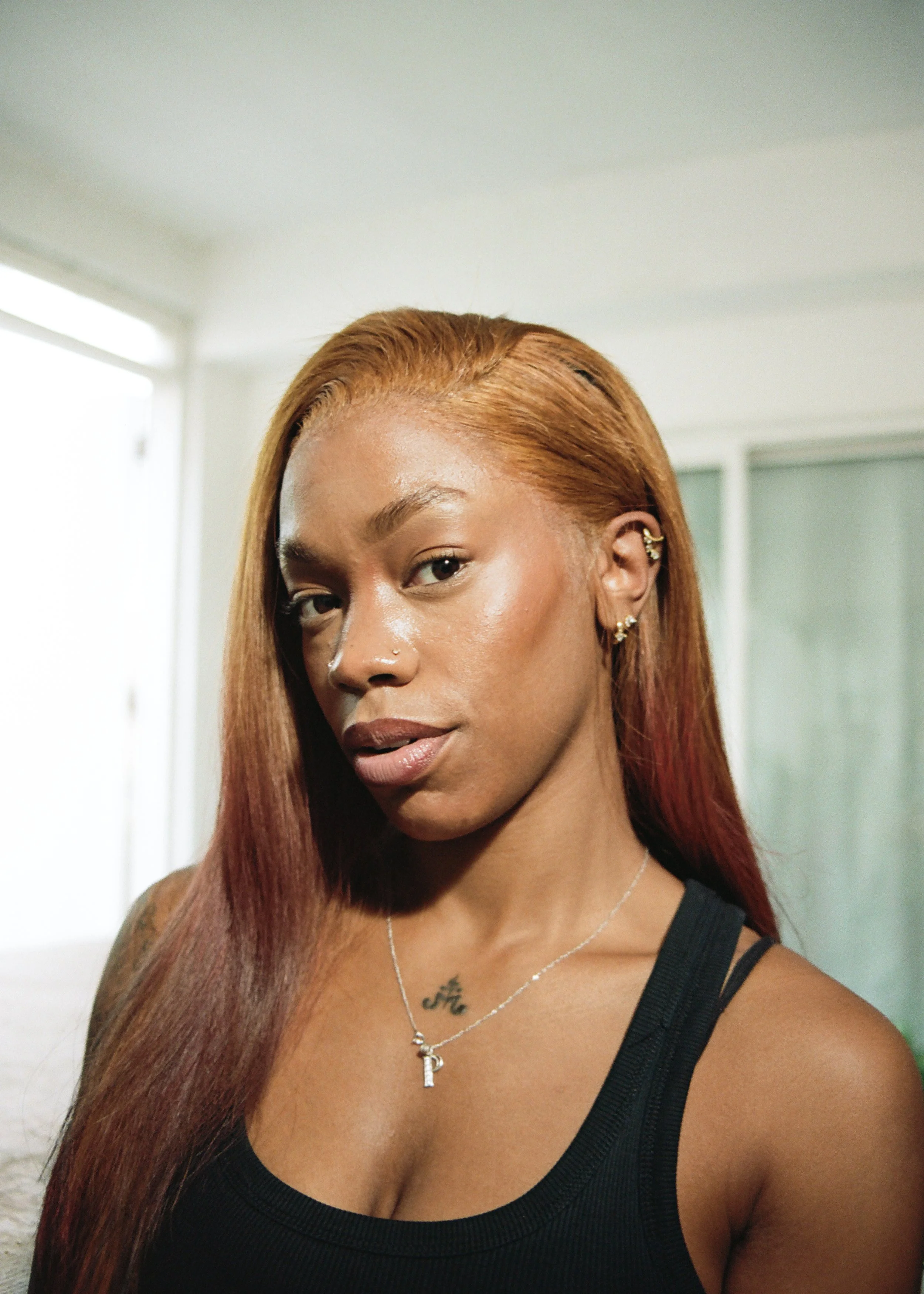
Hometown London | Heritage Jamaican
What MOVES you?
“Music MOVES me, but I’m also moved by the art. The art of creating a vision for others to be moved, you never know how someone else is moved by what you share."”
How has your culture/heritage impacted your dance/creative voice?
“My brother said when I came back from Jamaica at 4 years old, the way I danced changed. I have no memory of this but going to my home country as a child definitely impacted me and I revisited 20 years later to learn more about my culture after dance became my profession.”
Have you faced any challenges in the dance industry based on your race and gender?
“I had an internal battle about my height, which led me to dance bigger so that I could match the tallest girl in the room. Now you can’t tell how tall or short I am on camera or stage, I even built a stage name through this battle - ‘Smurf’.
There’s also the reality of “oh does the industry only want that one token black girl on a job… not all of us” However this is changing slowly over the years and it’s beautiful to see.”
Honey Makwana
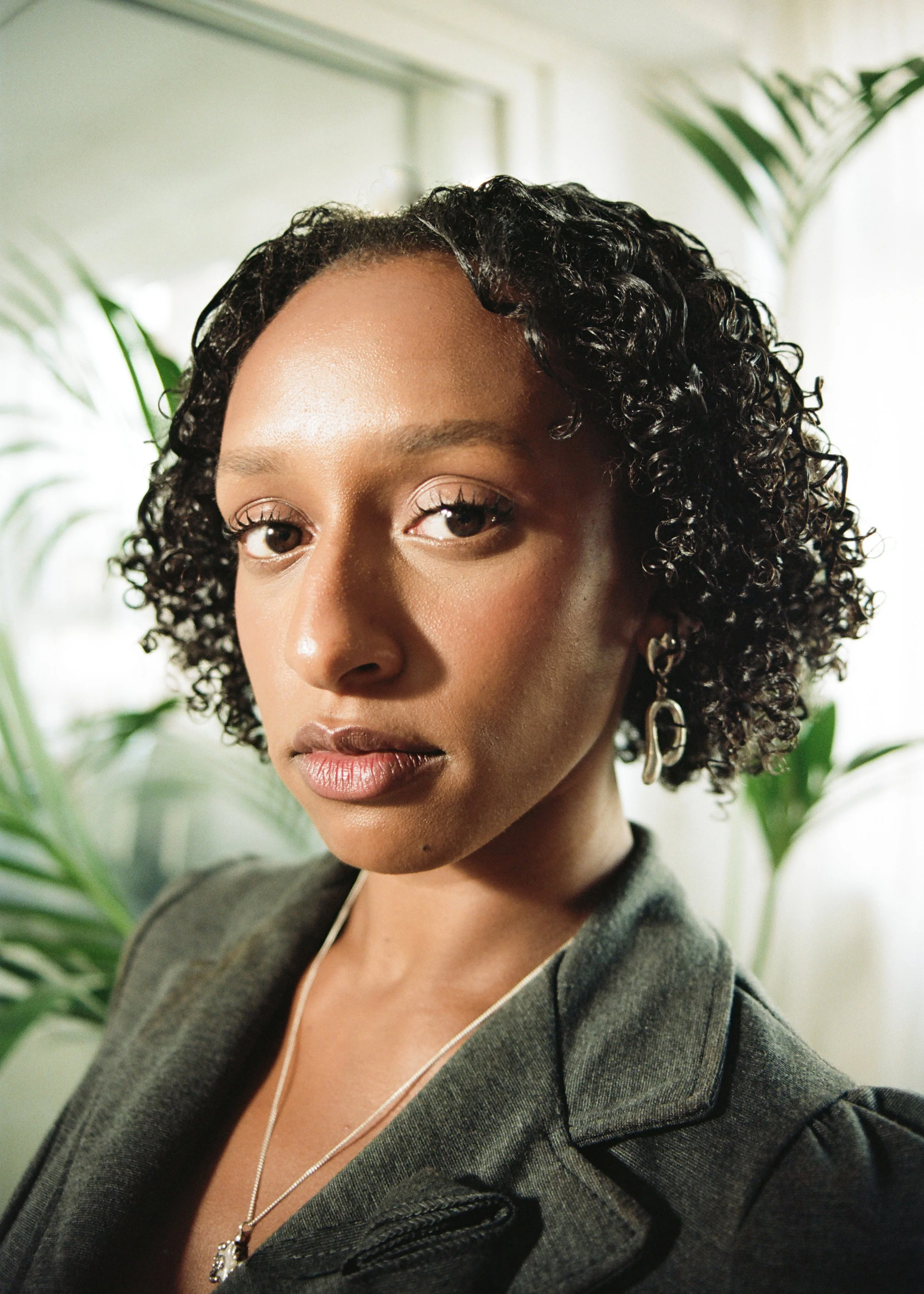
Hometown London | Heritage Jamaican/Indian
What MOVES you?
“My friends & family, Mother Earth, society.”
Have you faced any challenges in the dance industry based on your race and gender?
“Hair & make-up on 90% of the jobs I’ve been on. It has always been extremely difficult finding someone who can accommodate my skin colour & hair texture.”
Why does this representation matter to you?
“Truthfulness. It all came from somewhere. And it’s important to me that I share with the world the greatness we all carry.”
What makes the London dance scene unique and what changes would you like to see in the industry?
“What makes the London dance scene unique is the wide range of diversity and people being proud as to where they come from and who they are.”
Ophelia
Shiantaye
bella
courtney
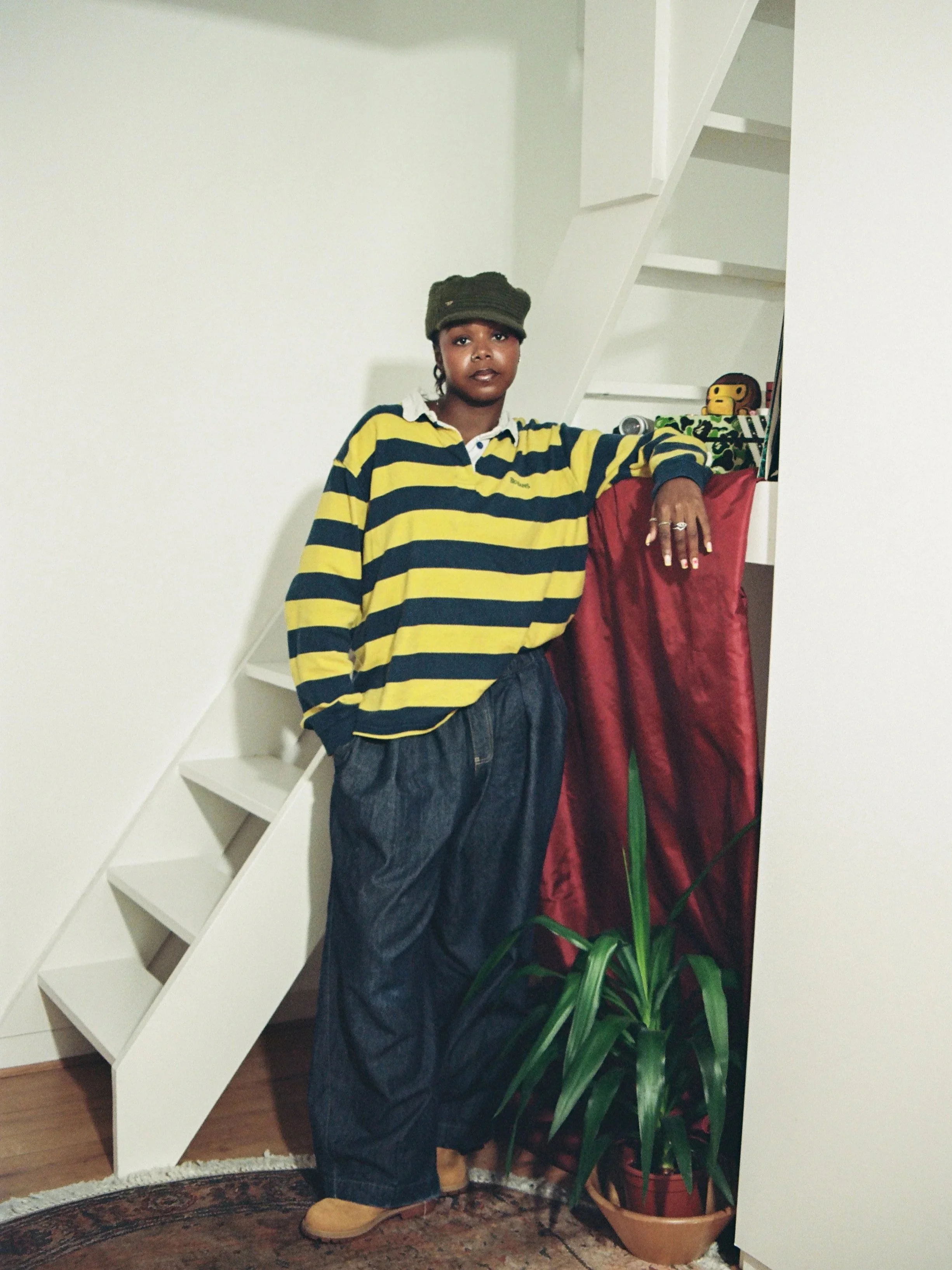
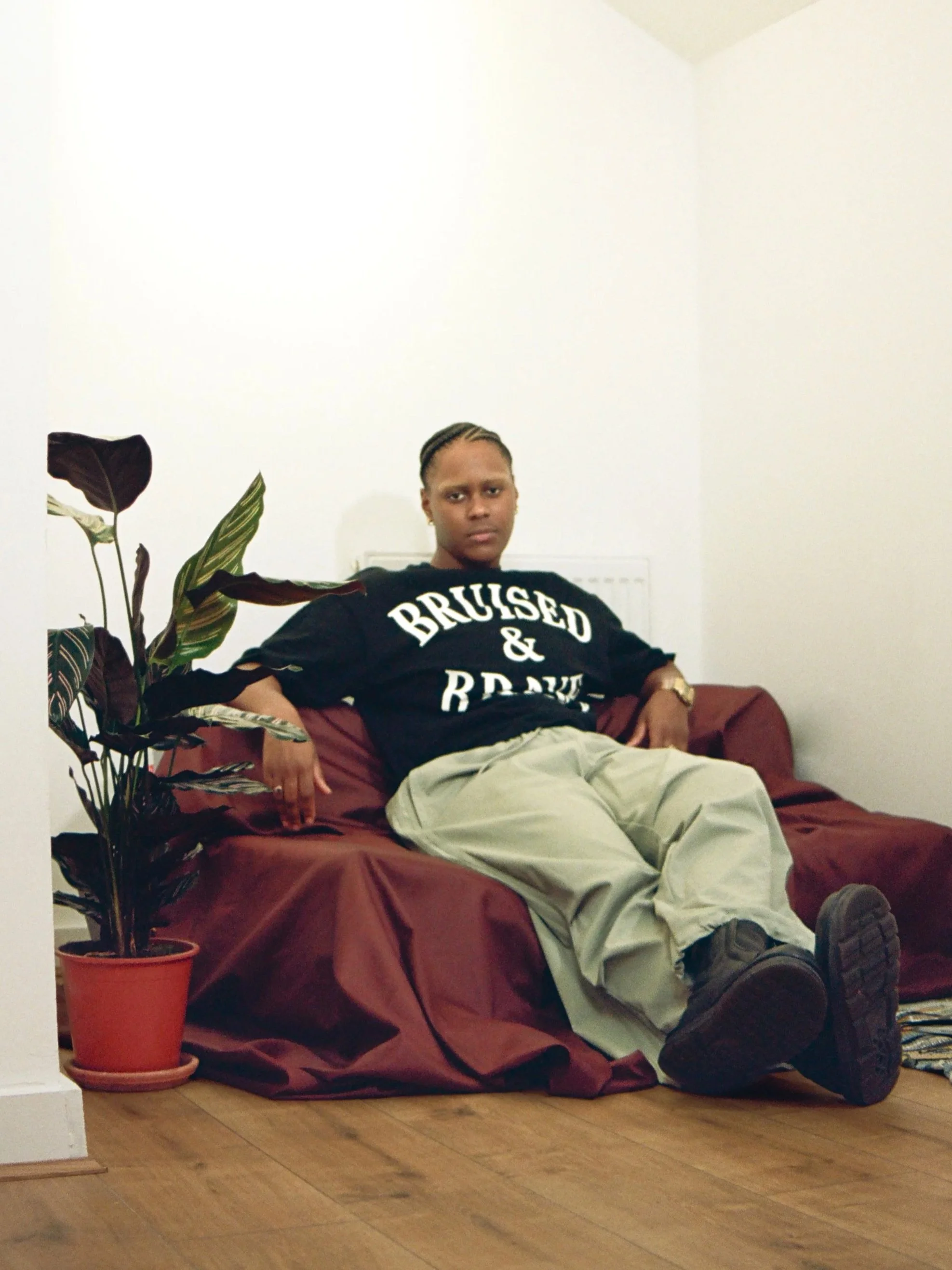
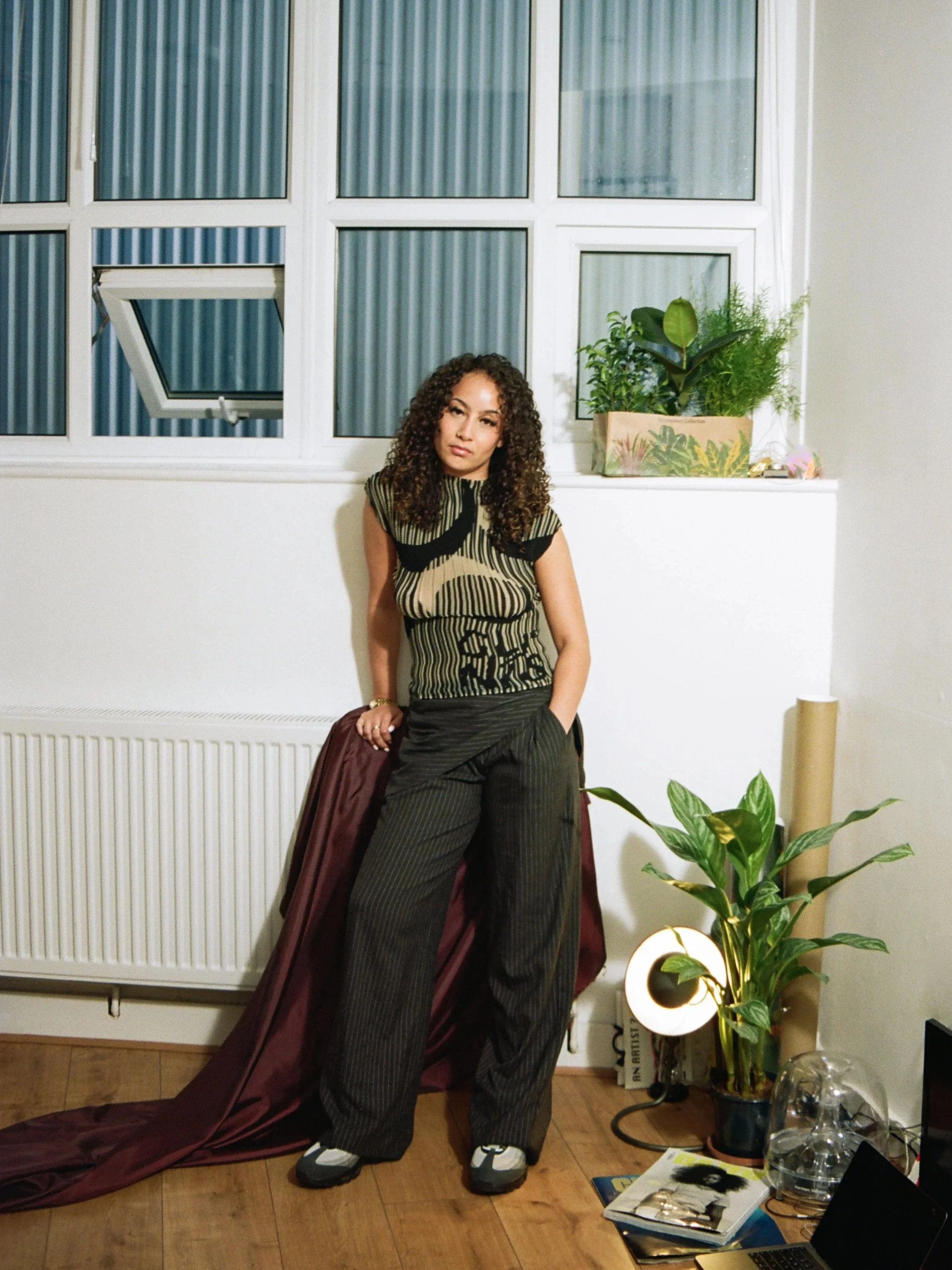
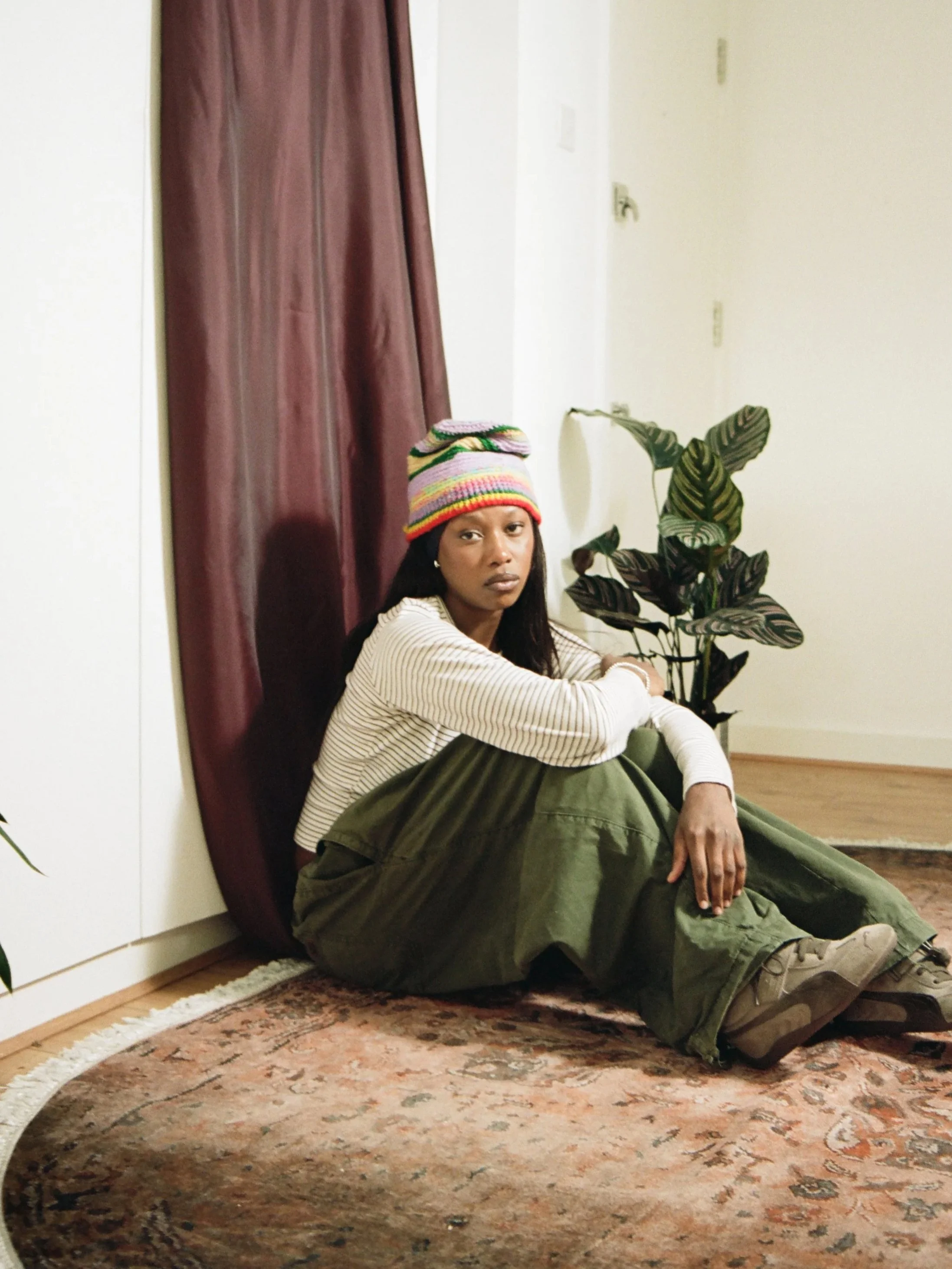
Ophelia Iman
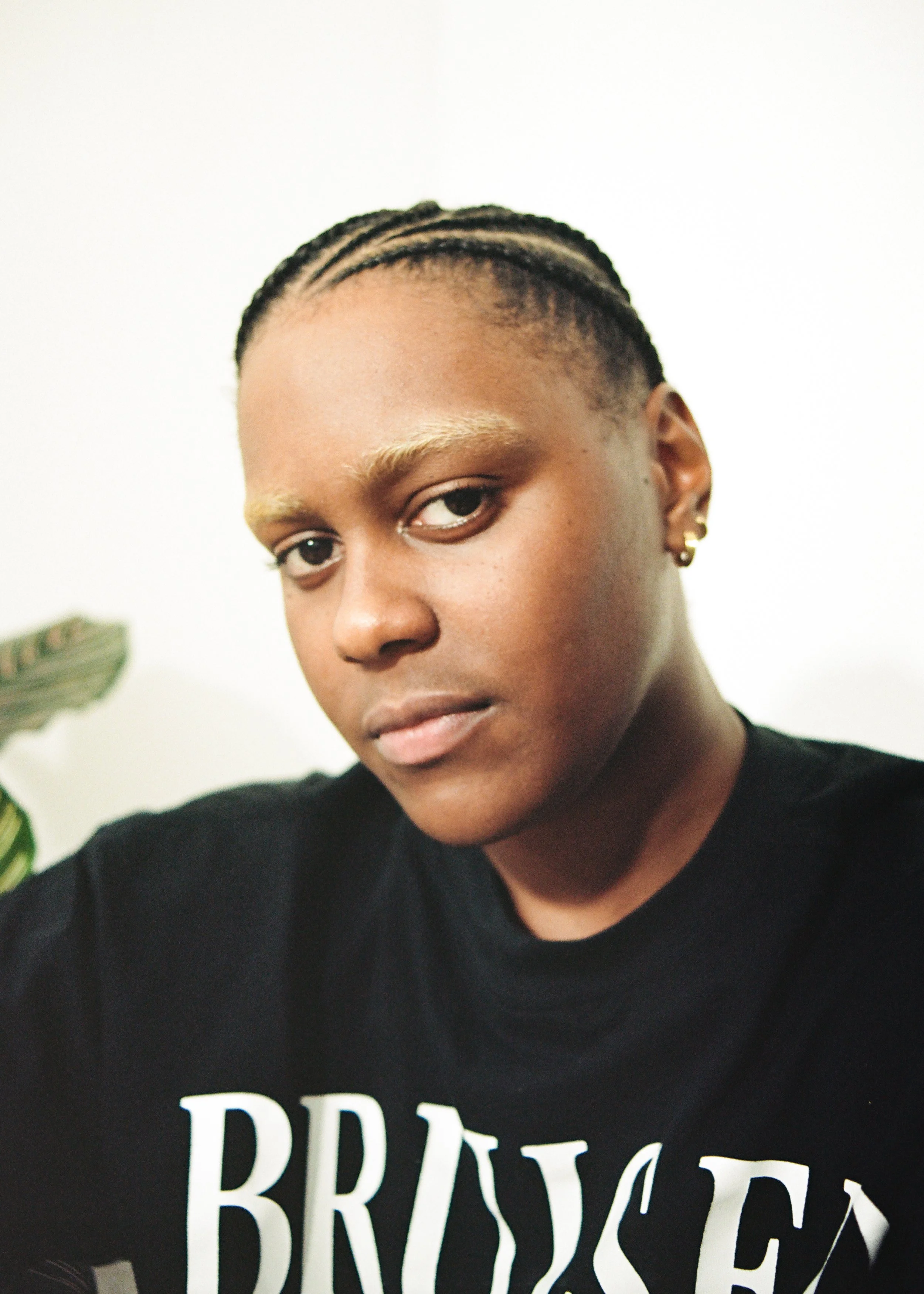
Hometown Birmingham | Heritage Jamaican
What MOVES you?
“What moves me is music, vulnerability and being audacious. They are great reminders that I’m alive, and through watching others with these quality’s, it charges and inspires me to go out and do the same. Krump moves me.”
How has your culture/heritage impacted your dance/creative voice
“Moving away from Birmingham pushed me to tap into my culture more. It was my city, my family/friends and food that grew with me. With my heritage no longer surrounding me 24/7 I had to find it here in London. Shout out South London by the way. I had to stand stronger in my identity,I recognised that my voice and experiences are rooted in being both Black Jamaican and Black British from Birmingham.
In Brum we have a community, it’s not a house, it’s a home and in that home we don’t stand for foolishness, we often wear our hearts on our sleeve and WE FROM BRUM HAVE SOME REMARKABLE STEEZ…with that being said my name is UNRULY aka Little Get To Know and my mission is to show the qualities of where I’m from in my movement, film photography and my other creative endeavours. The name of my Krump family really does say it all about Birmingham, ‘GET TO KNOW’.”
Have you faced any challenges in the dance industry based on your race and gender?
“For a very long time no, until I started growing into myself a bit more where my gender as a woman was stopping me from getting jobs that I believe should be gender less. Especially jobs based in character or experience. It’s like if you’re not masculine or feminine presenting where do you sit. Again I chose the name Unruly because I don’t adhere to those rules. Despite this, I’m grateful that it no longer happens often, I have been a part of platforms that push me to be whoever I want to be, so we give tanks.”
Are there any dancers of similar backgrounds that you looked up to while coming up?
“Not to be bias, but this is purely for the fact that these people share a lot of the same values as me being from Birmingham, and are out here being unapologetically themselves in London and killing it by the way. Am I about to name the whole of Brum? We’ll start here UPG, Zen Rose, Mira Bryne, Will West, Jamai Robinson, Alex Thomson and of course Marshon Dance where a lot of us have come through and moved to different city’s to continue our journeys.”
Shiantaye Northover-neita
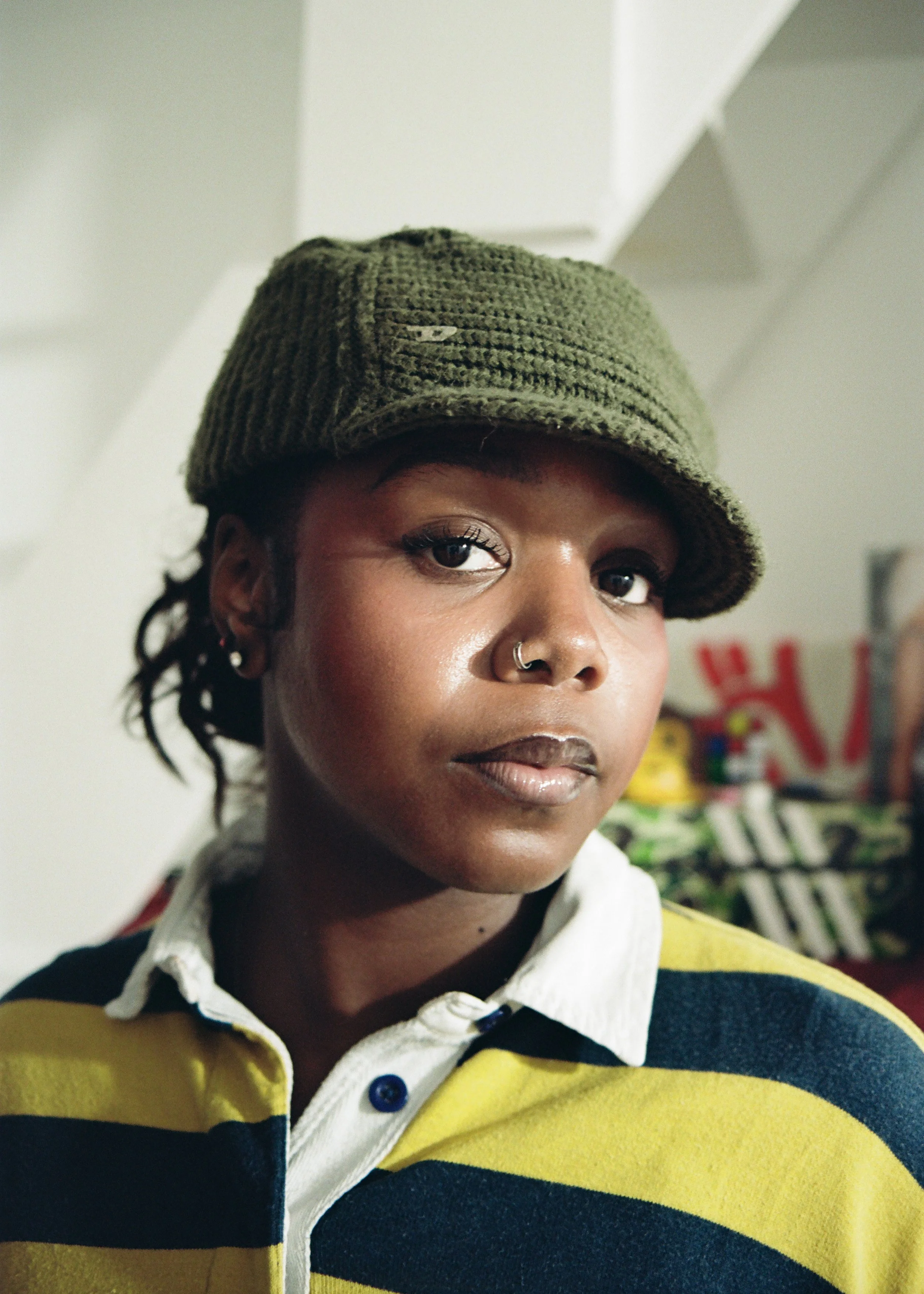
Hometown London | Heritage Jamaican
What MOVES you?
“What moves me most is the ability to express something through movement that words sometimes cannot. Dance allows me to communicate emotions, tell stories, connect with people, and create spaces where others feel seen and understood.”
Have you faced any challenges in the dance industry based on your race and gender?
“Being a Black woman in the dance industry can come with challenges around visibility, representation, and the expectations placed on you. There can be moments when you feel that you have to work harder to be recognised, or when certain ideas of what a dancer should look like, how they should move, or what opportunities they are suited for do not reflect the diversity of talent that exists.
I think it is also important to recognise that Black women are not a monolith. We all have different experiences, styles, and creative identities, and it can be frustrating when people make assumptions based on appearance rather than recognising our individuality.
These challenges have encouraged me to remain confident in who I am and what I bring to the room. I want to contribute to an industry where Black women are not only invited into spaces but are trusted, respected, fairly paid, and given the freedom to be fully themselves.”
Why does representation matter to you?
“For young Black girls, seeing women who reflect their identities in dance can help them feel that their dreams are valid and achievable. It can challenge limiting ideas about beauty, femininity, professionalism, and what a successful dancer looks like.
Representation also needs to go beyond simply having diverse faces in a room. It means giving people opportunities to lead, choreograph, make decisions, tell their own stories, and be recognised for their talent.
I want to be part of a generation that helps create more opportunities for Black women and makes the industry more inclusive for those coming after us. Ultimately, I want people to be celebrated for their individuality, not expected to fit into someone else's idea of who they should be.”
bella Tshuma
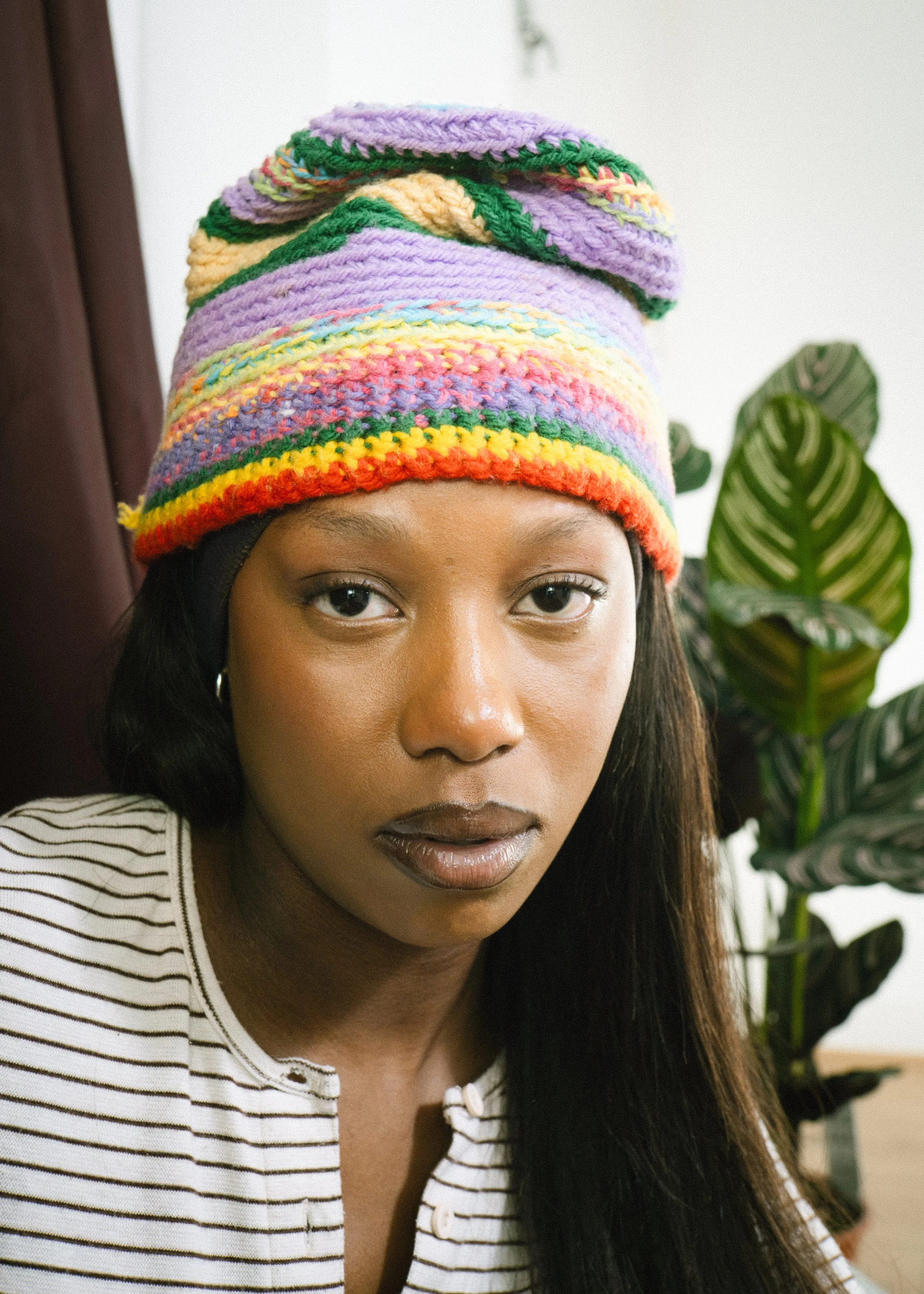
Hometown Slough | Heritage Zimbabwean
How has your culture/heritage impacted your dance/creative voice?
“I come from a Zimbabwean heritage and I have always been influenced by the movement and sounds. From a young age watching the way my family dance to qgom, kwaito and other South African house sounds, its always inspired my movement from how I sit in my bounce through a walk to how I find the fusion and fluidity thought my movement.”
Have you faced any challenges in the dance industry based on your race and gender?
“I feel like its extremely hard to find the balance between being over-sexualised as a Black female and finding the difference in maturity and what could be perceived as ghetto/ratchet rather than elegant. Even things like trying to use my voice while avoiding being perceived through microaggressions is a challenge.”
Are there any dancers of similar backgrounds the you looked up to while coming up ?
“Definitely, the main dancers from the UK I always looked up to were Shawarah Battles, Cece Nama, Zhane Samuels and Nicey B, as they were the closest examples of dancers that came from a similar background to me. I have always been inspired by the raw and unapologetic energy they carry.”
Courtney yao
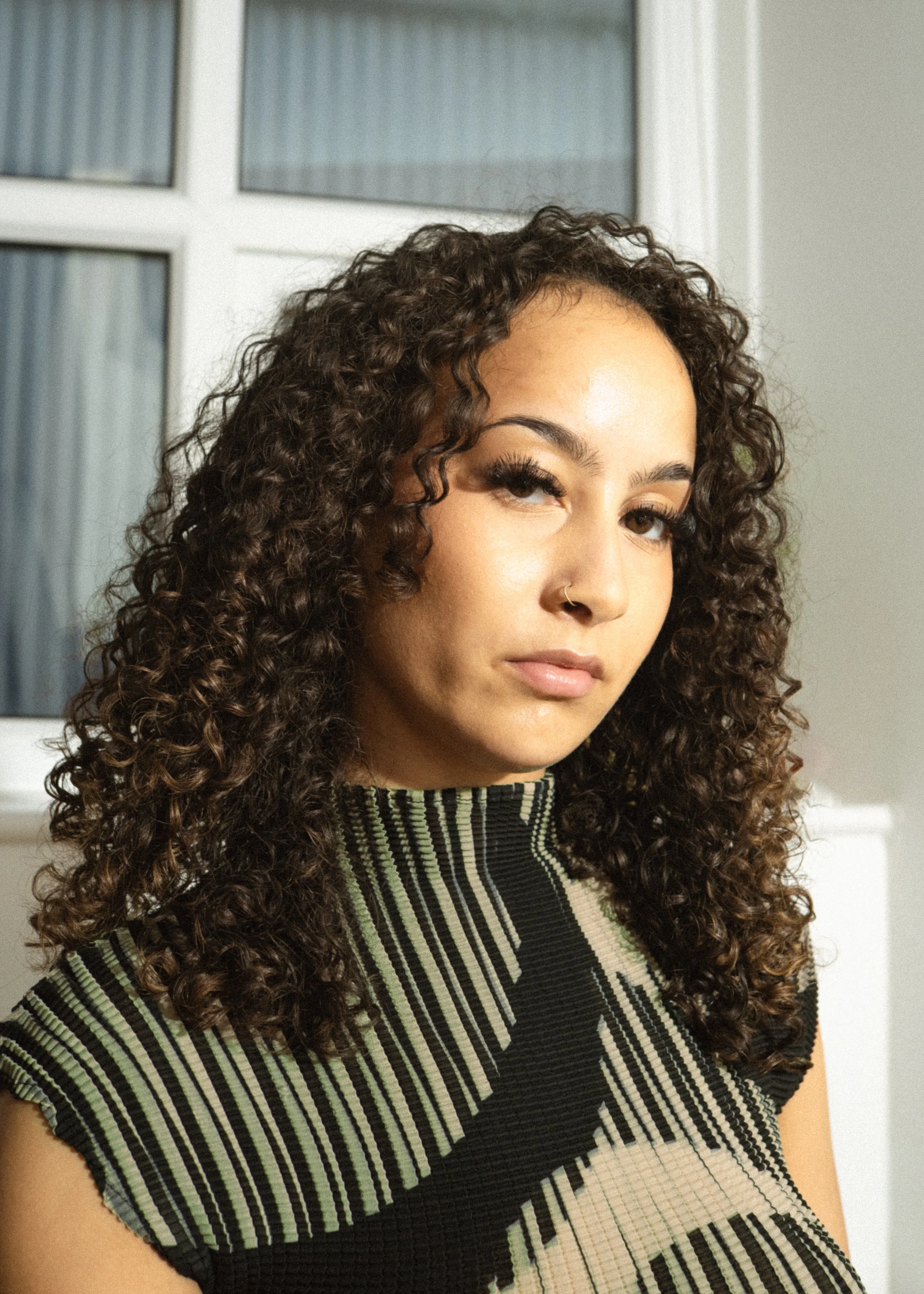
Hometown London | Heritage Togolese/English
What MOVES you?
“Music, any genre. There's not a song that doesn't play that won't entice some sort of movement in my brain. So much variety and versatility in music, the inspirations are endless.”
How has your culture/heritage impacted your dance/creative voice?
“Having a British mum and a first gen immigrant father from Togo, has given me such a diverse spin on dance. Growing up a dancer, I started in hip-hop, but as I grew older I began to connect a lot with my Togolese side. I then started training in Afro from the age 11 and I began to realise how broad dance styles across Africa really are, and the depth that they hold. Completely two different sides of the world, but they've meshed to give me my unique style of movement today, and I couldn't be more grateful for it. Skanking away one moment, doing up Loketo whining my waist the next - I wouldn't want it any other way!”
What makes the London dance scene unique and what changes would you like to see in the industry?
“The diversity London has to offer in everyday life is something already admirable, and I think, especially within the past decade, it's really starting to translate through to our dance scene. There's never a limit learning about a new dance style, or a new take. When it comes to the African and Caribbean diaspora, I just wish people were just as excited to learn about the history and the stories, just as much as the moves.”
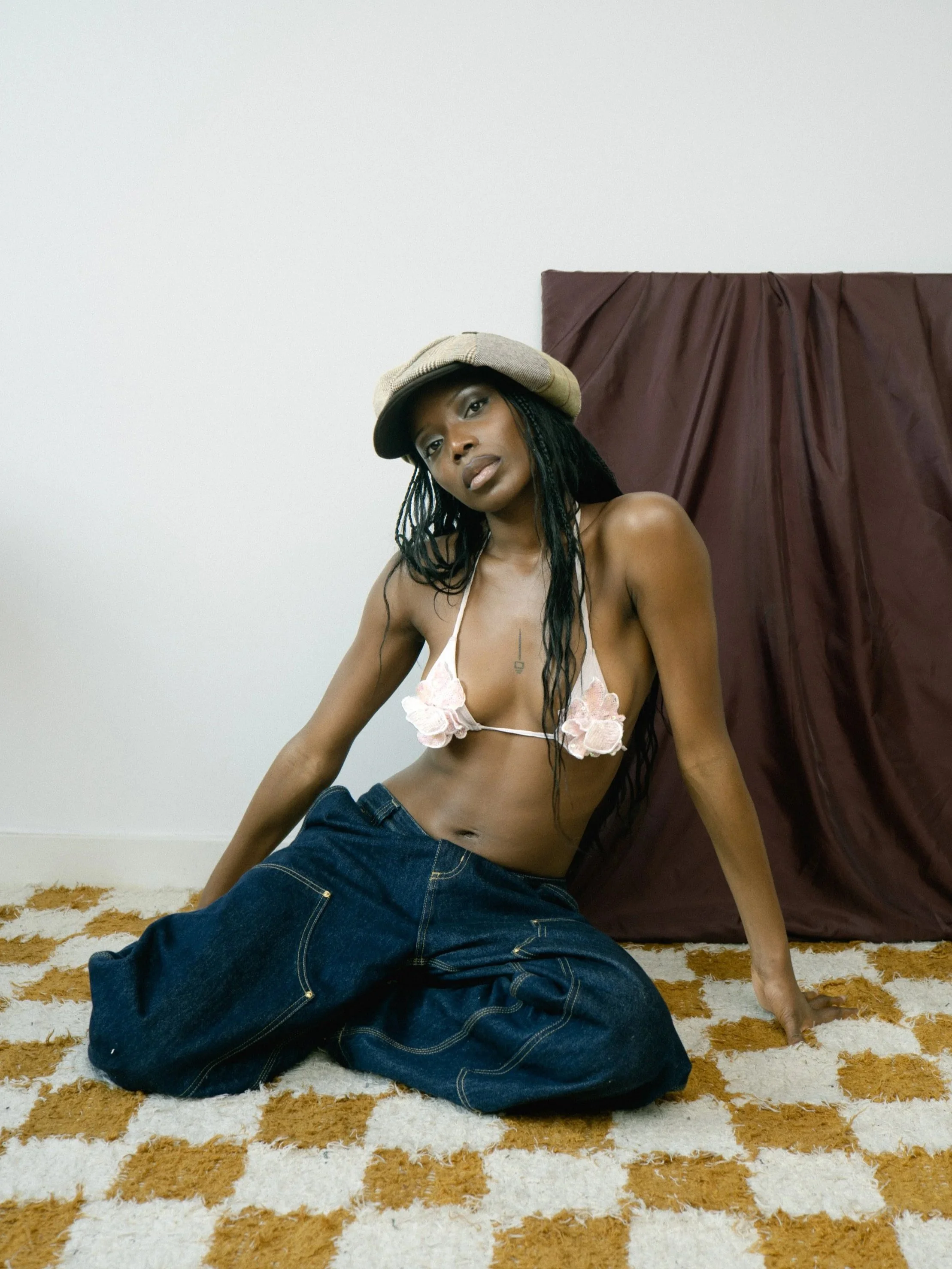
Shanley
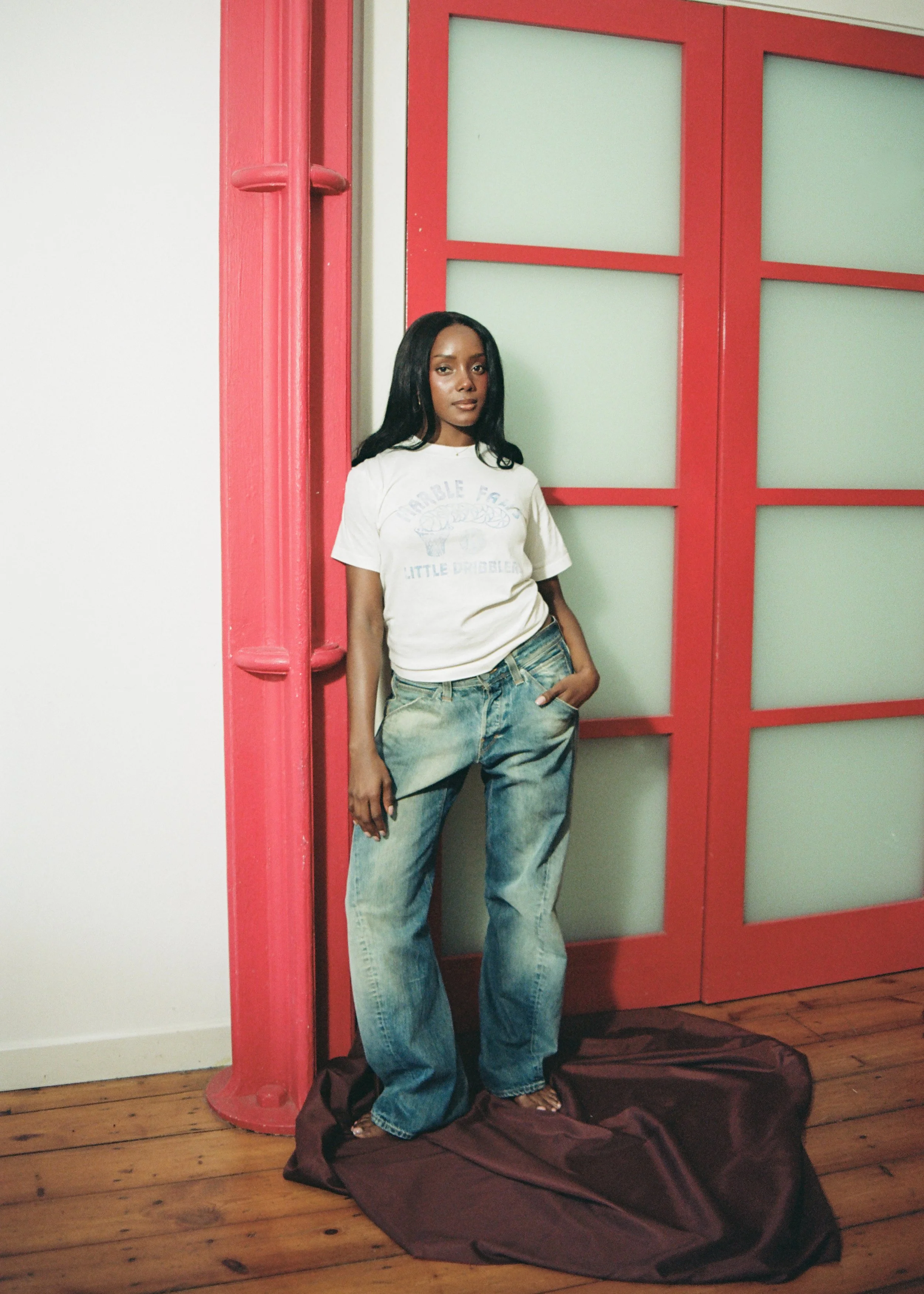
Lashay
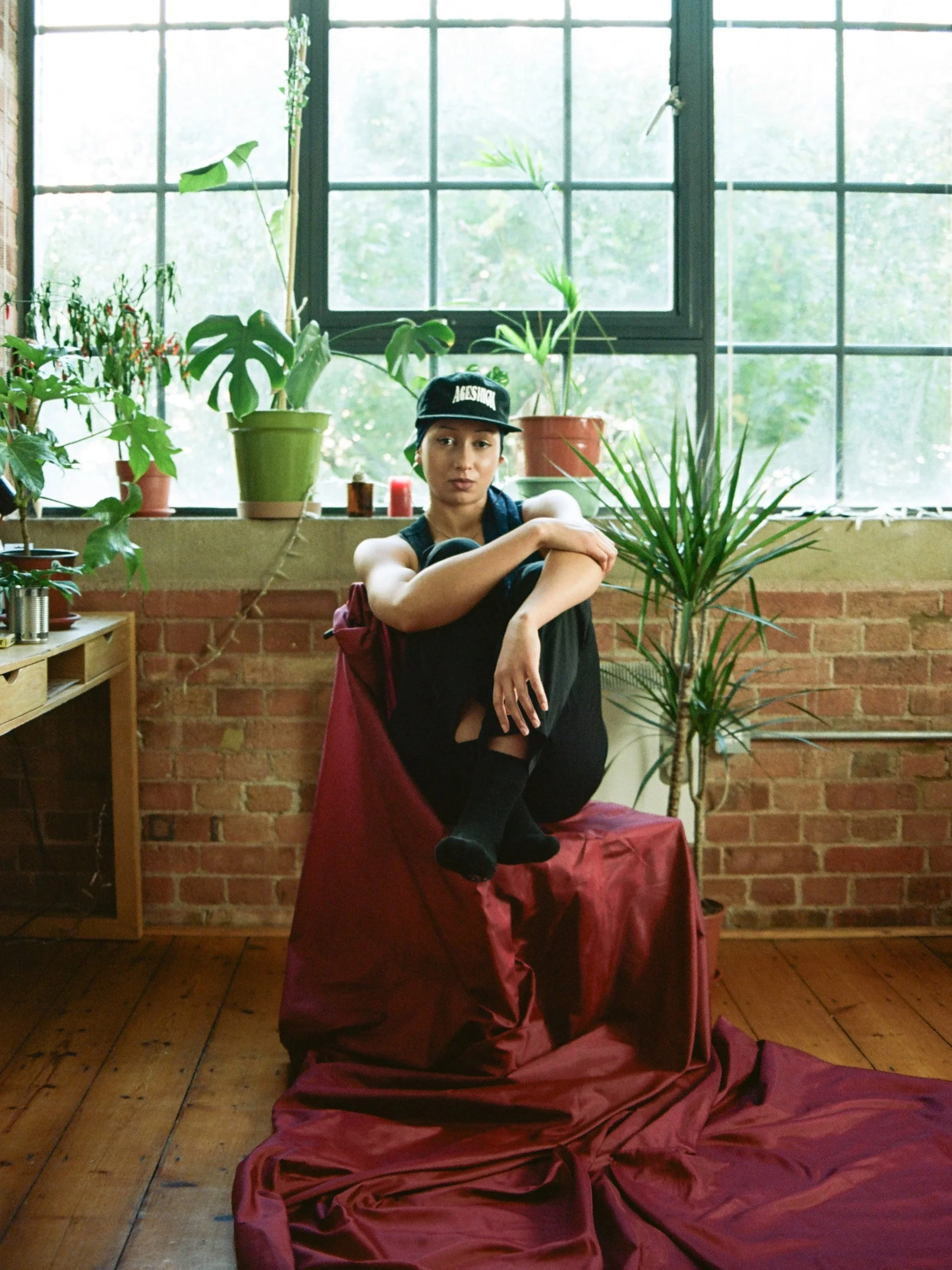
Nicole
Shanley jorge-elde
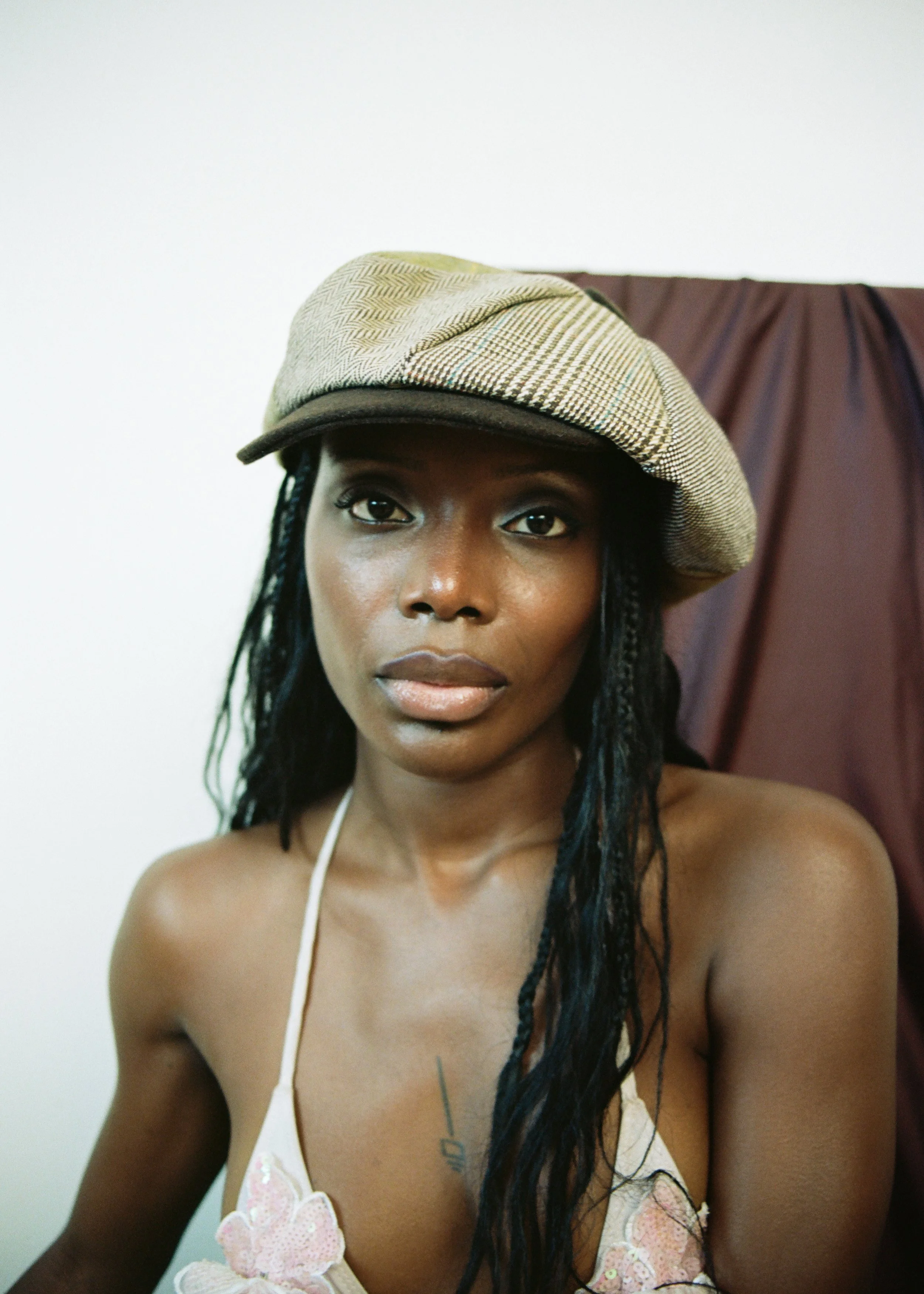
Hometown London | Heritage Ivorian/Angolan
What MOVES you?
“I’m deeply moved by acts of love and the many ways in which love manifests. The simplicity and complexity of it.”
How has your culture/heritage impacted your dance/creative voice
“I have Ivorian/Angolan roots. Growing up, every family gathering involved dance and music. No matter the occasion, whether it was a wedding or a funeral, there would be dancing. Pain or joy, the answer was dance and music. This definitely sparked my interest in using movement to process emotion.
“The power dynamics I witnessed in my West/South African bubble have also influenced my creative voice. Growing up, I noticed that it was very common for women to take on the role of the submissive. At times, at the detrimental cost of neglecting one’s own needs and desires. This is why I created my sensual movement workshops, a space for women to gather and empower themselves through exploring sensual energy. Creatively, I have made it my mission to portray femininity in all its glory. Women, sensuality, the subtle but mighty power of the feminine are common themes in my work.”
Have you faced any challenges in the dance industry based on your race and gender?
“Feeling like an afterthought has been the biggest challenge navigating this industry. Moments when it was clear that a team hadn’t considered making basic but necessary adjustments to make me feel comfortable/valued next to my white colleagues/counterparts. I’m not going to list things because I won’t be saying anything new.”
Lashay Harvey
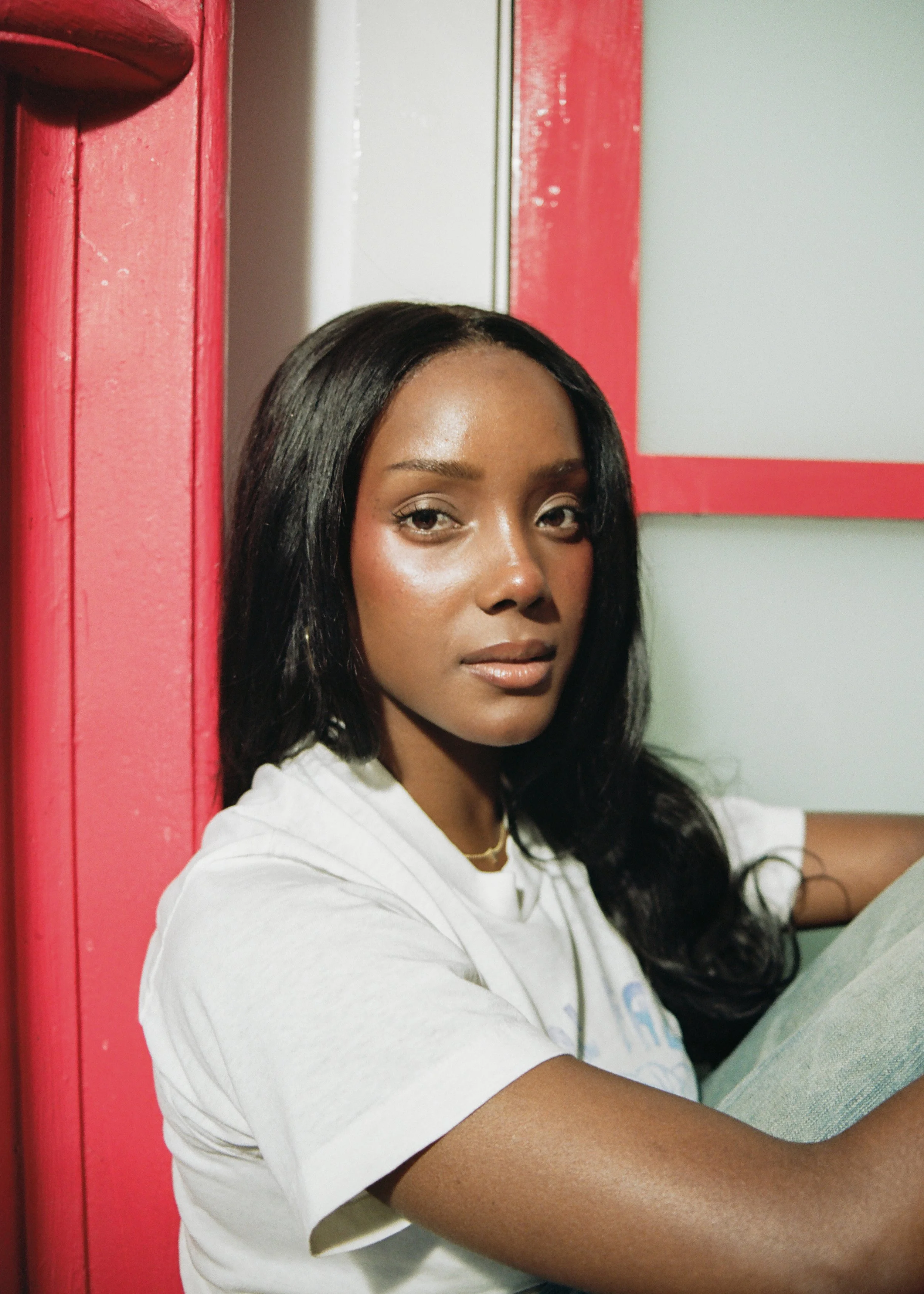
Hometown London | Heritage Jamaican
How has your culture/heritage impacted your dance and creative voice?
“Having a close-knit circle of people who support, challenge and inspire me has played a huge part in shaping both the dancer and person I am today. I’m surrounded by people who inspire me in different ways, not just through their talent or success, but through the people they are. I think that sense of community is a big part of what keeps me grounded and continues to push me creatively.”
Have you faced any challenges in the dance industry based on your race and gender?
“There's something about entering a space and not seeing anyone who looks like you. It can have a subtle impact on how comfortable and safe you feel, especially as a woman of colour navigating an industry where representation can still be limited. Sometimes, being around another woman who shares your experience makes all the difference, because there's an unspoken understanding of things you might otherwise feel you have to explain."
I think the saddest part is that these experiences can become so normalised that you almost stop recognising them as challenges. You don't necessarily want to keep speaking about them because, to someone who doesn't understand, it can feel like you're complaining. But when you're often one of the only dark-skinned women in a space, there can be a real sense of navigating those experiences alone. I think that's why representation and creating more inclusive environments are so important.”
Are there any dancers of similar backgrounds that you looked up to while coming up?
“Kelechi was someone I really looked up to because she was a woman on my screen who looked like me, and seeing that representation made the dream feel more possible.
Getting to work with her later in my career was such a special moment. There’s a real sense of pride in going from watching someone and being inspired by them to sharing a professional space with them. I’ve always had so much respect for her, and getting to know her on a more personal level made that experience even more meaningful.
Rebbi Rose has also been a huge inspiration to me. I’ve always loved Rihanna, so seeing a British dancer go over to America and perform at that level, working with an artist I’d admired throughout my childhood, was incredible. It showed me that what we have to offer here in the UK doesn't have to be the limit of our ambitions. It made me realise that there are opportunities beyond what you can see in front of you, and that I could potentially build a successful career in the States, too, if I continued to work hard and believe in myself.”
What makes the London dance scene unique, and what changes would you like to see in the industry?
“I think what makes the London dance scene so unique is the diversity of cultures, styles and influences that come together to create something so distinct. The African and Caribbean diaspora has had such a huge influence on dance culture in the UK, shaping the way we move, create and express ourselves. So much of what makes the London scene special comes from those communities, their creativity and the way dance brings people together. As someone who has worked in television, I'd love to see those spaces become even more inclusive. I have definitely seen improvements over the years, which is encouraging, but I think there's still room for more people of colour to be represented across all areas of production, particularly within hair and makeup teams. For a young girl of colour coming onto a TV job for the first time, having people around her who understand her needs and experiences can make such a difference.
I think inclusivity is about more than just being present in a space; it's about making sure people feel seen, understood and that they belong there.”
Nicole Hastings
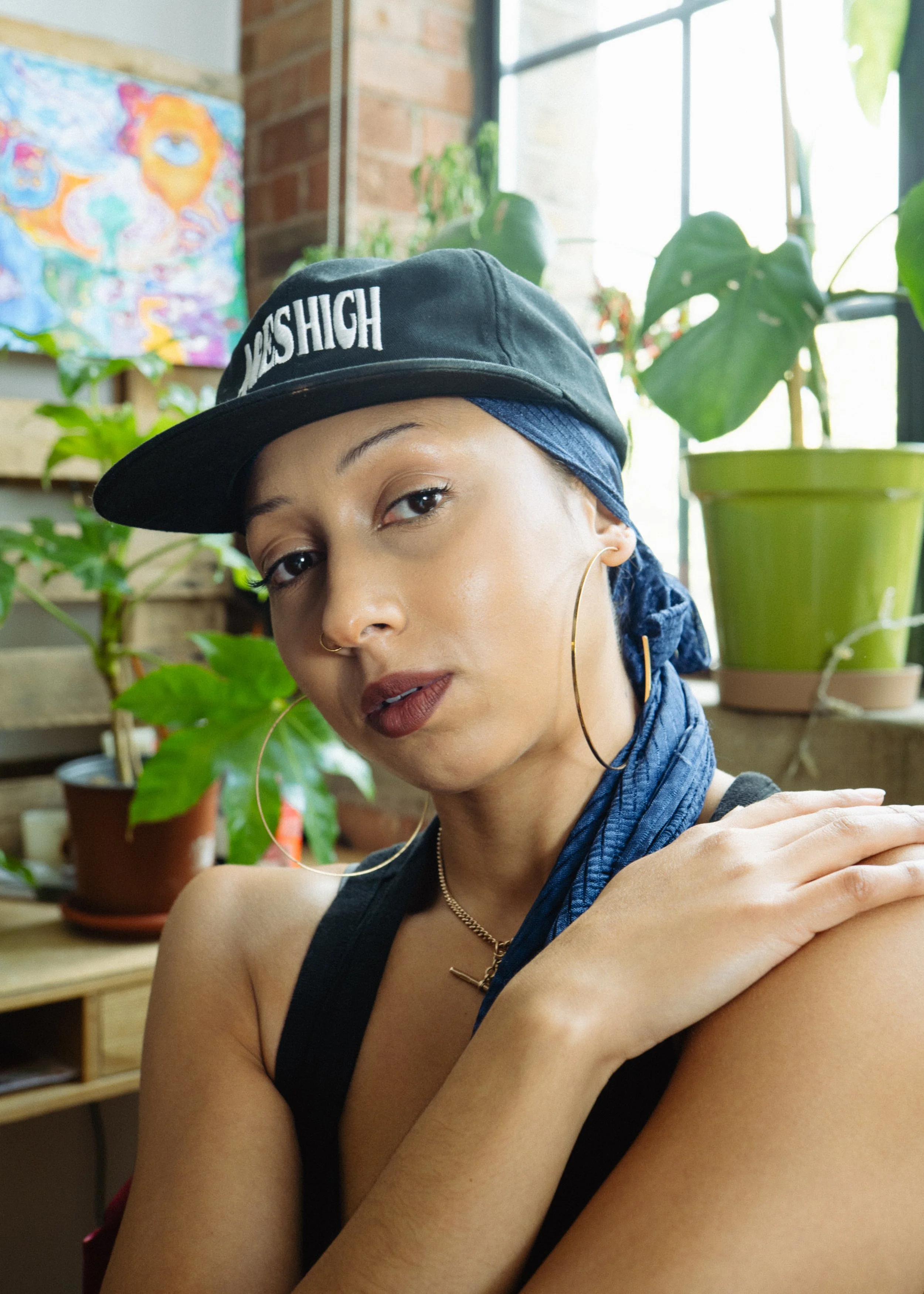
Hometown Essex | Heritage Jamaican, Indian & English
What MOVES you?
“I would say what moves me is seeing the human spirit in its purest form. Untainted, proactive, and raw art.”
How has your culture/heritage impacted your dance/creative voice
“I’ve always loved watching Indian dance styles such as Kathak for its story telling and lyricism. My Nan played a lot of 70s reggae growing up and I’ve always hit a slow whine, but when I was in my teens, dancehall knocked any stiffness out of me. It has an energy and empowerment quality that can’t be replicated and movement that celebrates sensuality, freedom, and articulation of the body, and shattered how I viewed dance, and unlocked a exploration of what I could say and do with my body.”
Have you faced challenges in the dance industry based on your race and gender?
“The dance industry has changed its face many times since I began working at 17. I applaud the leap in inclusion and celebration of our differences and wanting a variety of ethnicities and bodies on stage and in ads ect, but I do remember a time when this wasn’t the case. In 2026, attending an audition where you are split into groups according to hair colour (if you were white) or ethnicity if you were an ‘other’ (Asian, Mixed, or Black’). It would be a crazy concept in the current climate but it was the norm when I first entered this world. It always felt to me as though ‘POC’ dancers were used as a token members of the cast. You knew the unlikeliness of having two black girls, or mixed girls booked on one job, and when it comes to Asian representation, it was close to zero.”
I don’t believe we have jumped maybe as far as we think we have in regards to inclusivity, as there’s still so much education and facilitation that needs to happen to truly have equity in response to the way the industry has operated for so long.
In regard to my gender, there are hurdles we face as women in our workplace just like every other workplace. Whether that be working with individuals with a history of violent or inappropriate behaviour towards women, or something as simple as being held to a different standard of presentation as a whole in the room. It’s not just that, but also knowing what is expected of you will 9/10 times be movement that is effeminate, sexualised, and often doesn’t utilise the fact that we train everything our male colleagues do and MORE.
It would be refreshing to see one, more women hitting steps on stage that are often type casted to men, and two, more queer representation as a whole considering that we make up such a huge percentage of the dance industry.”
Are there any dancers of similar backgrounds that you looked up to while coming up?
“I really looked up to dancers such as Mely Crisp, Rithiely Pereira, Cece Nama, Kimmy T, Sharon June, Kelechi Nwanokwu, Jasmine Eccles to name a few women in the U.K. dance scene. I encountered a lot of these women very early in my career and was always grateful to be in the room with these exceptional women. I learned so much from watching them and admired not only their talent, but how eloquently they handled the adversities of this career.”
What makes the London dance scene unique and what changes would like to see in the industry?
“In London, I would love to see more of an acknowledgment that the black culture is still be appropriated despite the countless attempts to explain why in so many circumstances, it’s inappropriate to hire dancers who are unfamiliar with movement that is not generic, but specific to the culture and identity of POC artists. Don’t hire the choreographer that has never touched the style before and will be YouTubing/TikToking for references, but instead sought out the plethora of capable individuals that would do it justice, and uphold authenticity in representing that style/culture. It really is that simple. The principle applies when hiring dancers, ESPECIALLY with Afro-styles of dance and how much of a commodity it has been made to be in our dance industry.
I think it can become degrading to think any old dancer can turn up for a 3-day job, and perform a style of dance that like classical dance, has foundations and history that are imperative to know in order to execute correctly. Ballerinas turn their nose up and are rightfully offended at seeing sickled feet on an unqualified model with no dance background in large a campaign. Why? Because it’s offensive to the values upheld in their community, and reduces their hard work to pink tights, and tippy toes. The same thought process should be applied to those hiring novices to perform the intricacies of Black dance styles.”
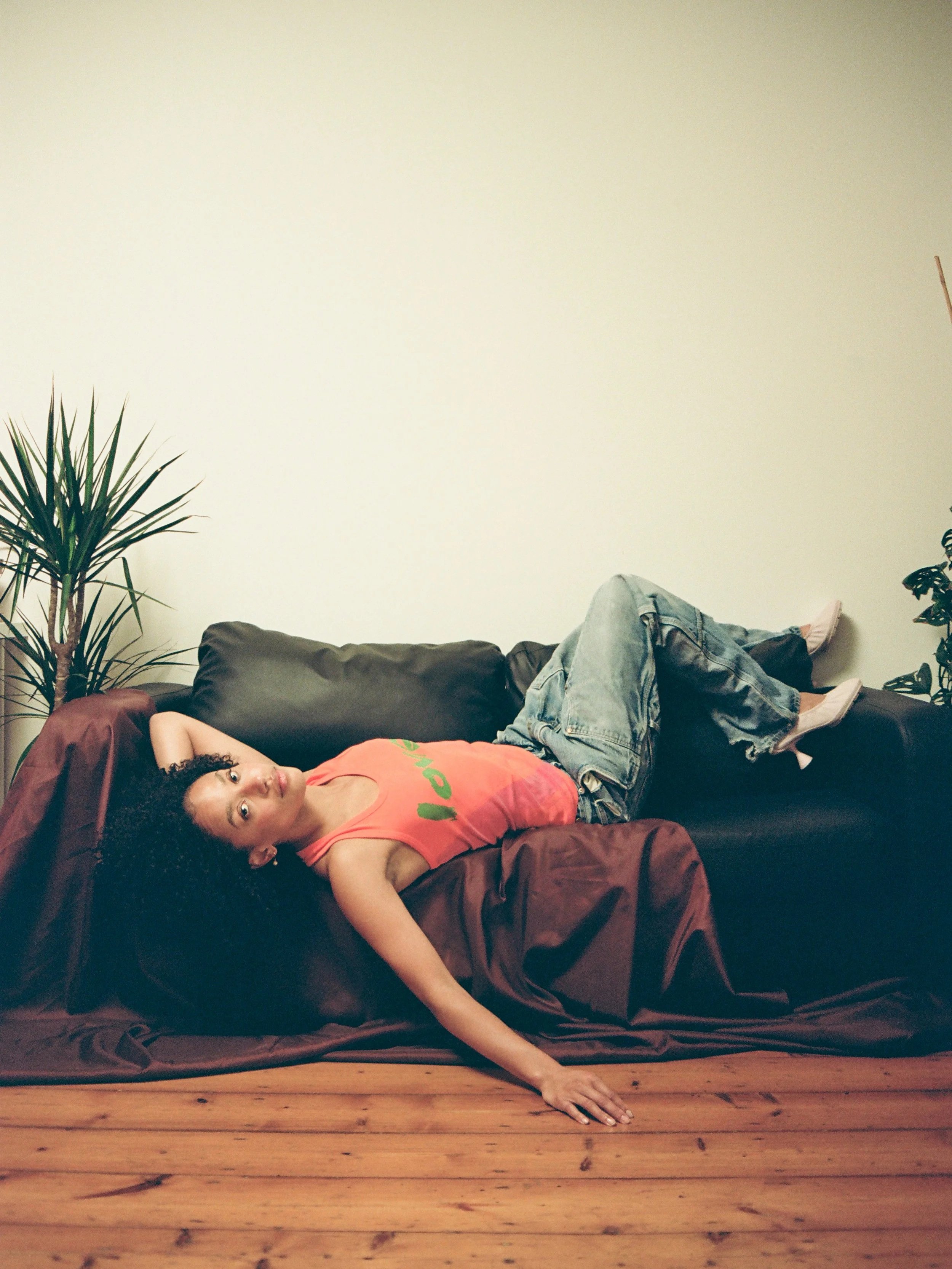
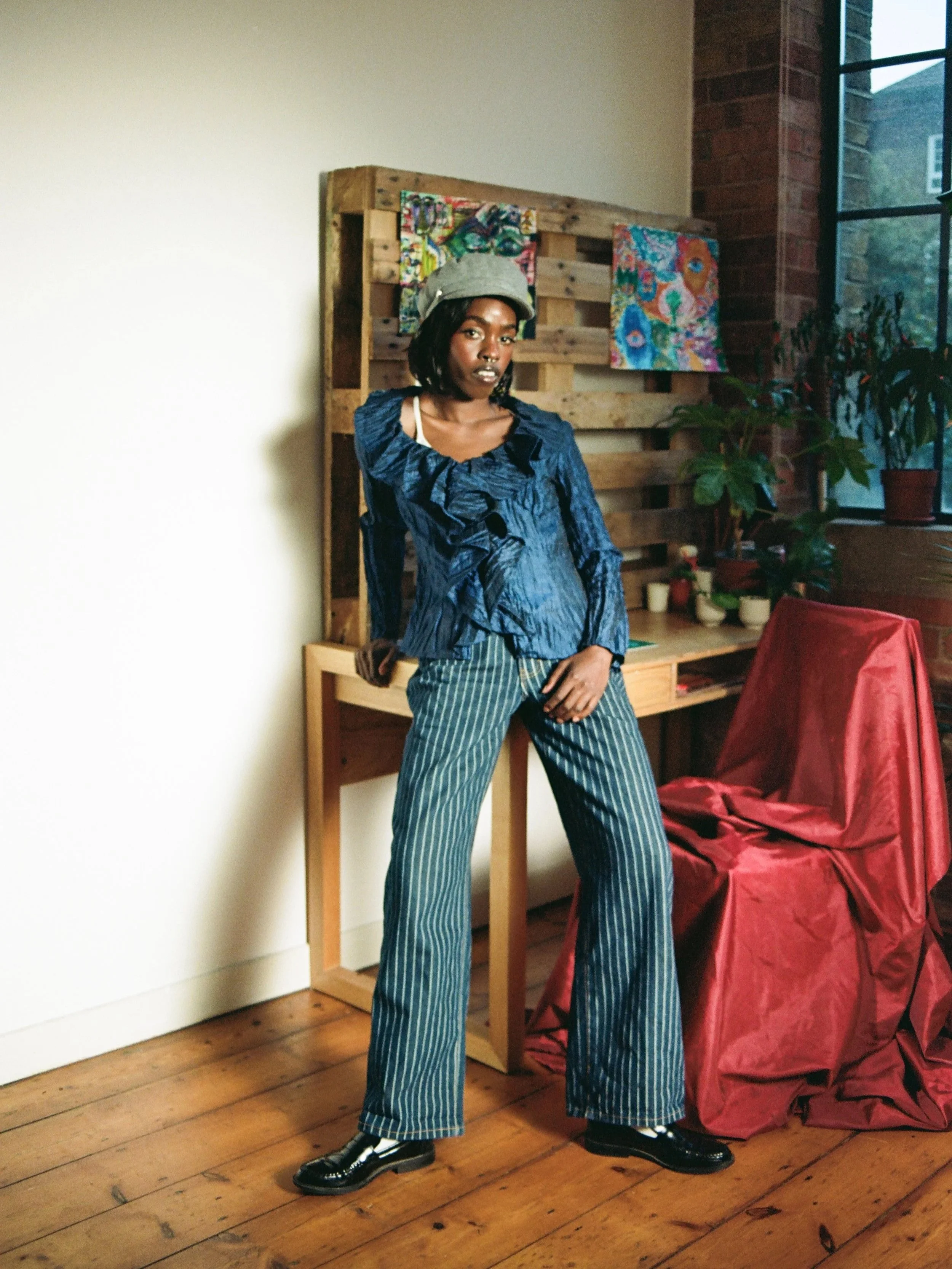
Kamira
Shani
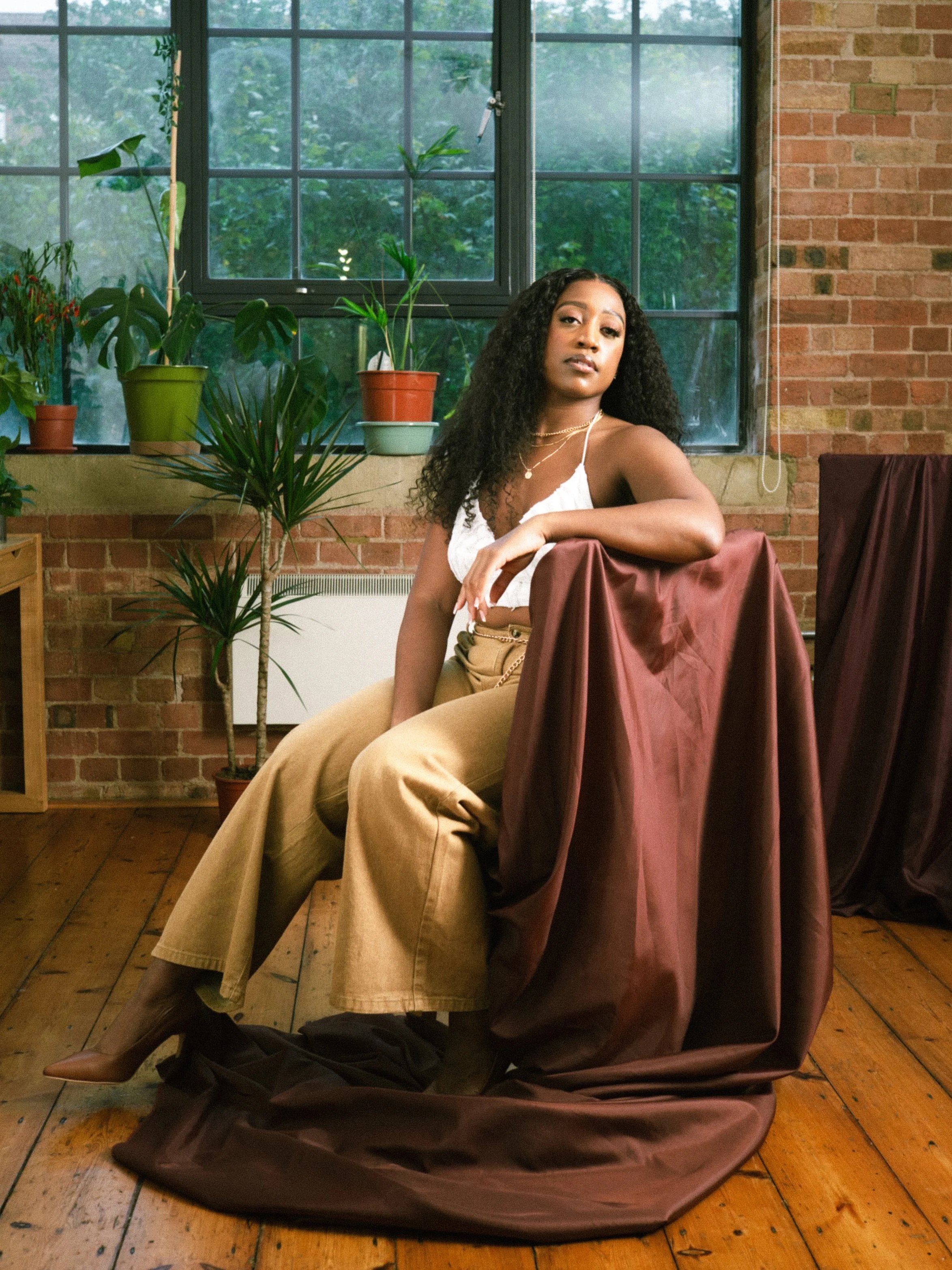
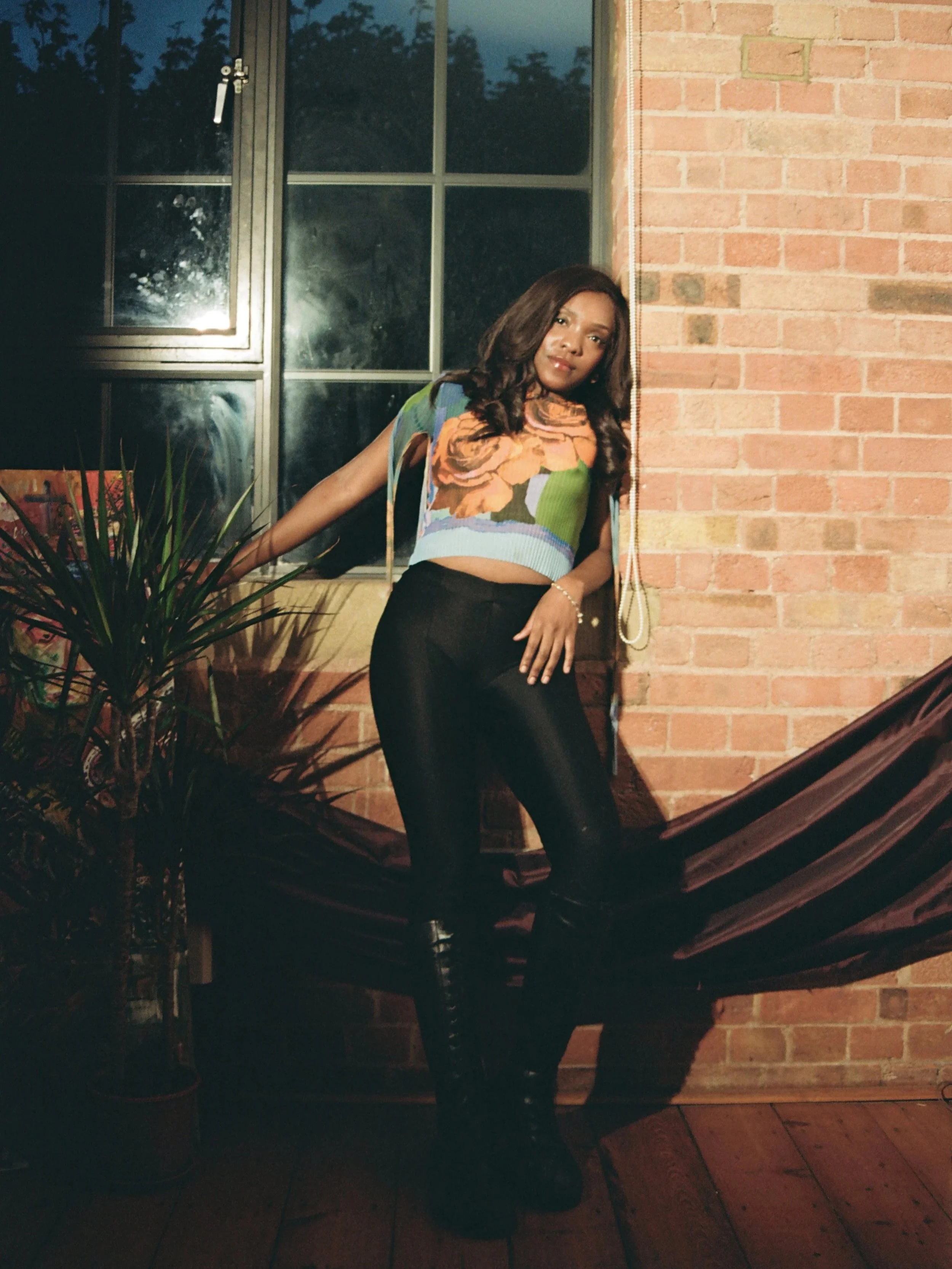
Amber rae
Cece
Kamira Samuel
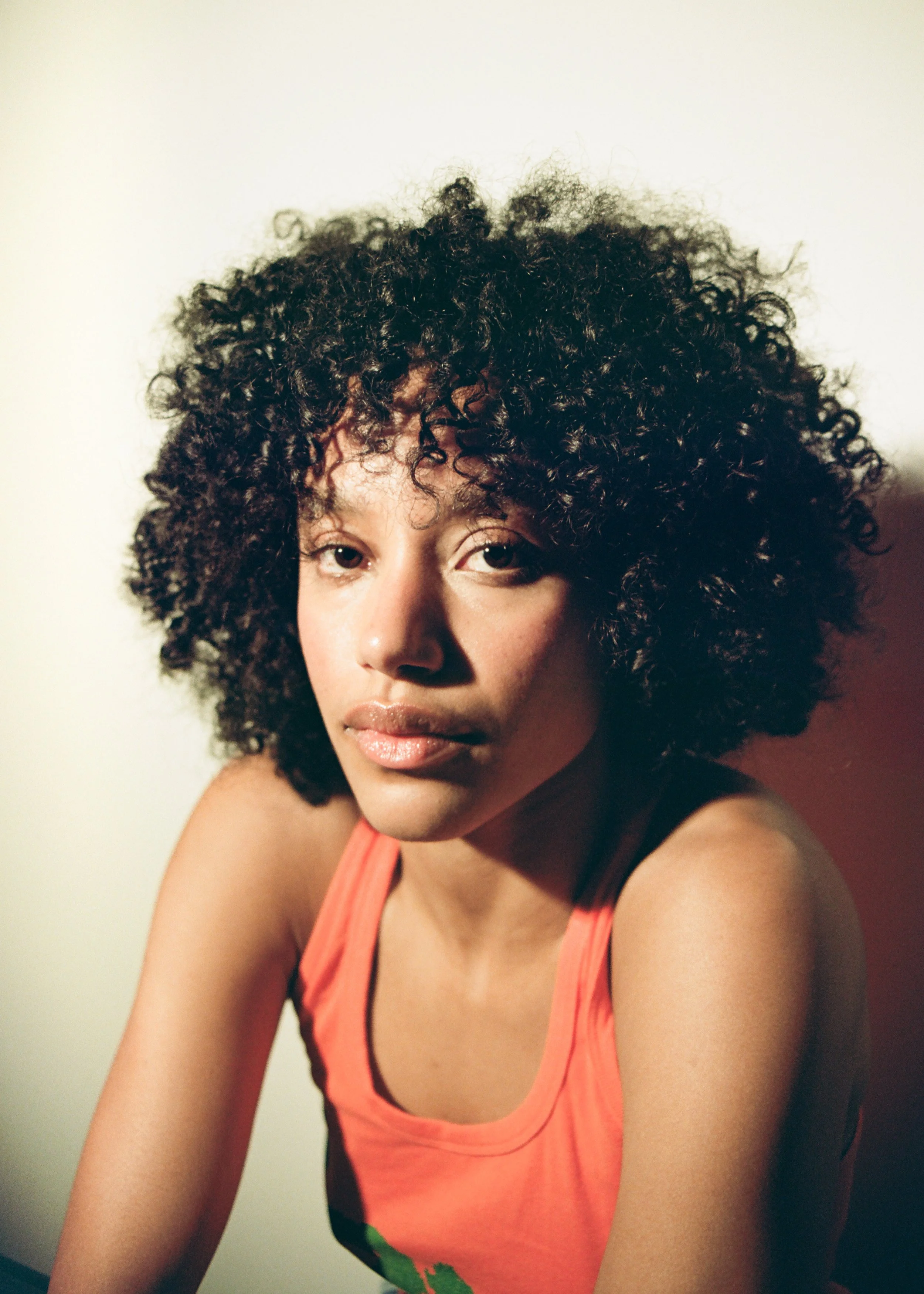
Hometown London | Heritage St Vincentian/British
What MOVES you?
“Music! Always music and also joy.”
Have you faced any challenges in the dance industry based on your race and gender?
“Yes for sure, hair is always an issue for me, and is something I get anxious about before every job.”
Are there any dancers of similar backgrounds the you looked up to while coming up ?
“I looked up to Sharon June and Lisa Spencer coming up. I felt like they really embodied who I wanted to be as a dancer and I am very grateful to them.”
Why does representation matter to you?
“Because I think all children should dream of being absolutely anything they want to be regardless of their race or gender. So, it’s important they see people that look like them so they can believe it's possible and that they have the freedom to chose.”
What makes the London dance scene unique and what changes would you like to see in the industry?
“I love the individuality in London. Growing up no one was simply 'Black' or 'Asian'. Everyone said exactly where they were from and we all knew what that meant for them culturally. The difference between Caribbean islands and African countries were celebrated with nuance. I feel the industry can fail at this. They tend to group POC together, so although I am glad there is more representation I think we now need to move past this.”
Shani Ross
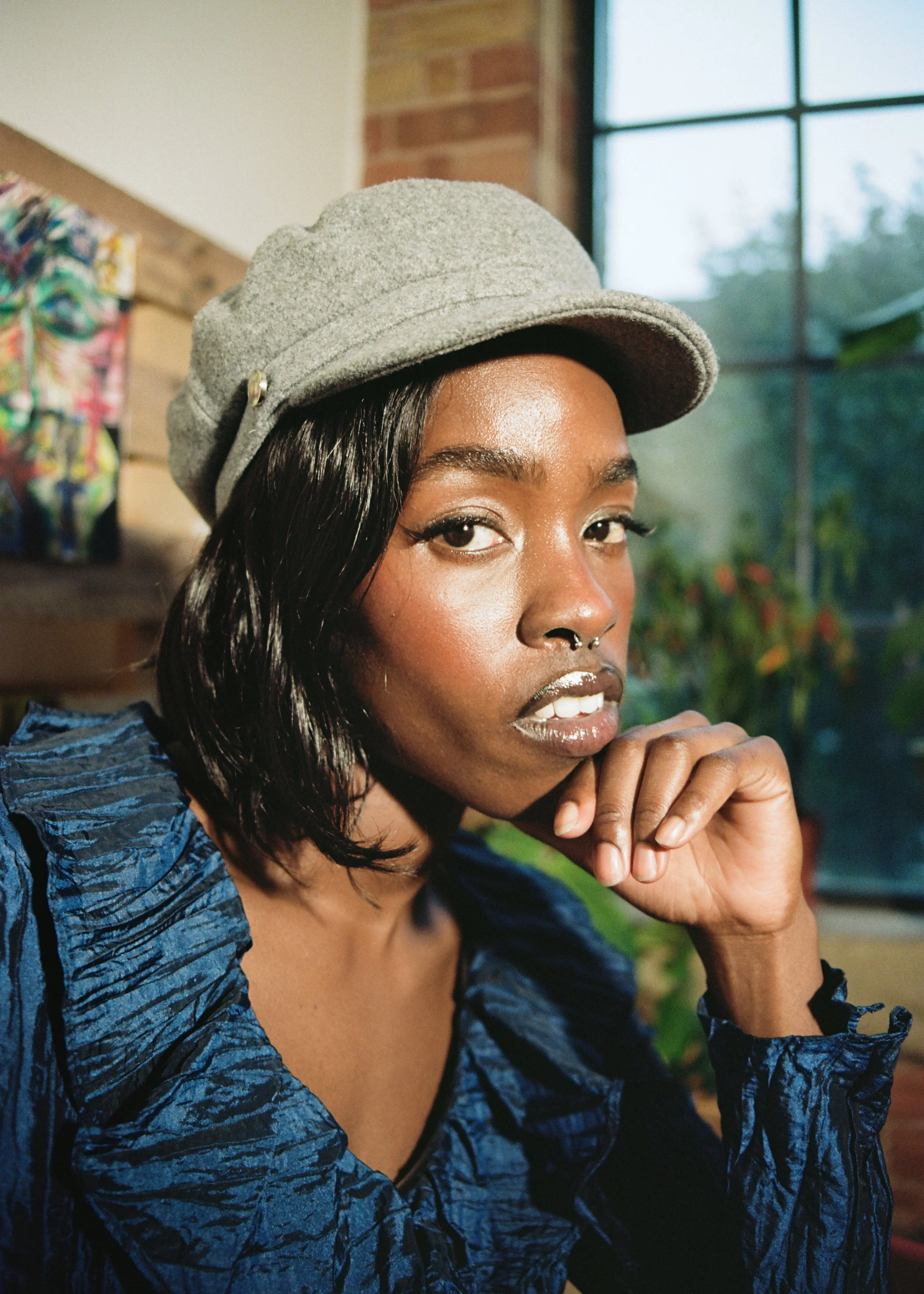
Hometown London | Heritage Grenadian & St Vincentian
What MOVES you?
“A feeling, whenever I feel something whether that be a song, dance, art, pictures, clothing…it can move me in many different directions.”
Have you faced any challenges in the dance industry based on your race and gender?
“The most common challenge I’ve faced is with hair & make-up. I’ve had situations where they aren’t quite sure what to do with my hair texture.”
Are there any dancers of similar backgrounds that you looked up to while coming up?
“Kimmy Taylor, Rebbi Rose & Chichi Ogbu. They are all so special in there own way it was so inspiring and important to see growing up.”
What makes the London dance scene unique and what changes would like to see in the industry?
“London as a dance scene is so multicultural, I feel like that works so heavy in our advantage in the dance scene. With that being said the industry sits a bit different with that aspect, I would love to see more of a merge of different styles being used on screen and played with. Especially because we have so much diversity in our city why not explore it even more. It’s happening with the music so I do believe it’s just a matter of time before it’s bleeds into the dance scene.”
Cece Nama
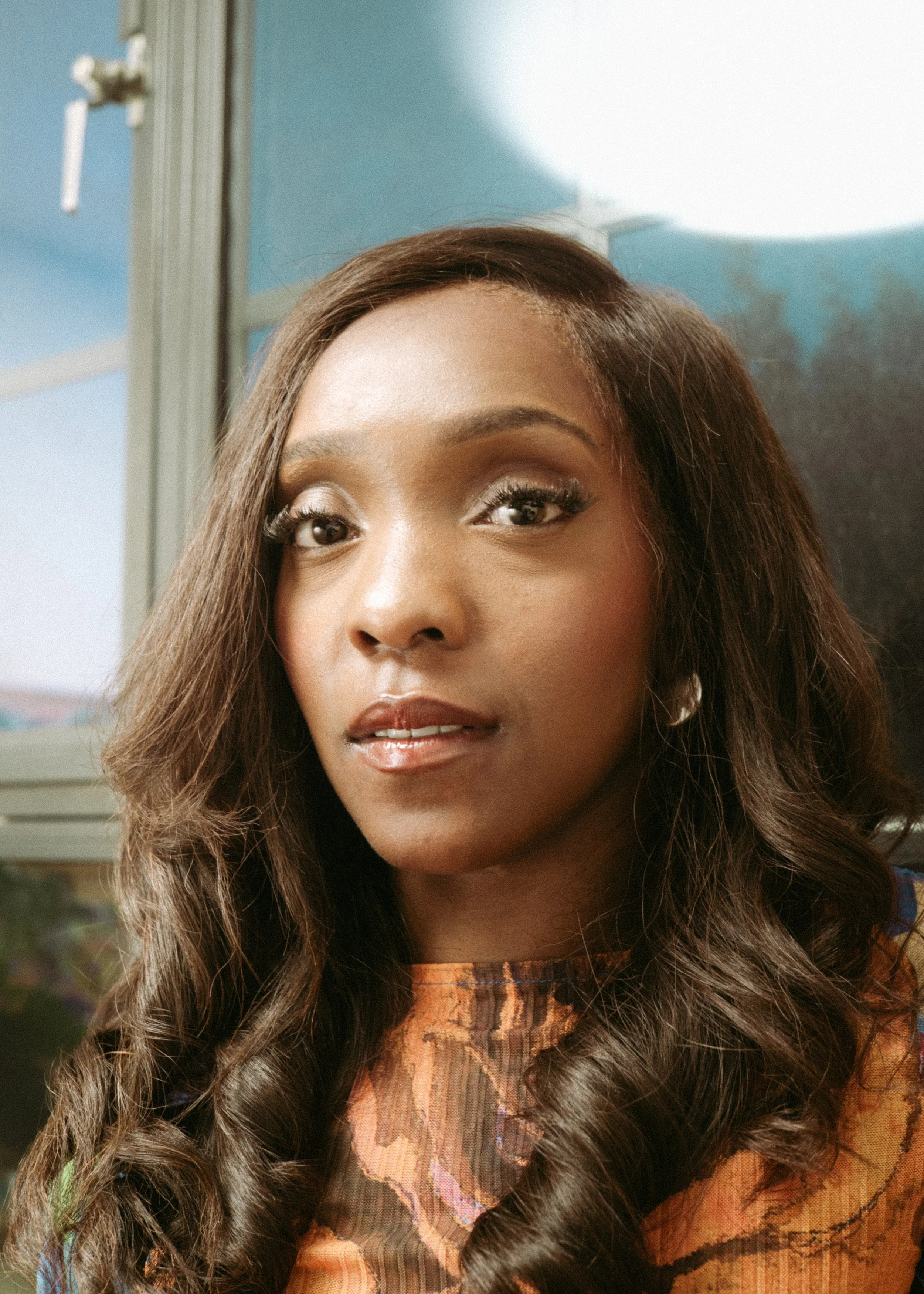
Hometown London | Heritage Ugandan
What MOVES you?
“Music, emotion and the human experience. Dance has always been the easiest way for me to express myself authentically.”
How has you culture and heritage influenced your journey as a dancer?
“Being Ugandan is an important part of who I am, and being a Black British woman has shaped how I see the world. My grandma taught me to move my hips in circles through traditional dance. Some people might associate those movements with twerking or see them as distasteful, but for me, I see my culture and something beautiful that’s been passed down through my family.
Growing up between Ugandan and British cultures has also meant navigating two very different perspectives on the arts. In many African households, pursuing the arts isn’t always seen as a serious or secure career path. Being born and raised in Britain, I’ve grown up with my own perspective on creativity and what it means to pursue a career in dance. At times, that perspective has differed from how my elders view the arts, so I’ve had to navigate those expectations while staying true to what I want to do. It’s been challenging, but it’s also taught me resilience, independence and the importance of believing in my own path.”
Are there any dancers of similar backgrounds that you looked up to while coming up?
“Rebbi Rose and Kimmy Taylor were big inspirations, and Kloe Dean was a particularly important influence who taught me a lot. I also found inspiration from Black women I saw on television, on stage and in music videos. I often felt that American entertainment offered more representation than British productions. Even when there was only one dark-skinned Black woman in a large cast, seeing her helped me imagine myself in those spaces and believe that a career like mine was possible.”
Have you faced any challenges in the dance industry based on your race and gender?
“I’ve had situations where I’ve turned up to a job with my natural afro, only to be told that the brief requires a slicked-back ponytail, and the response has been, “We don’t do this kind of hair.” I’ve had people touch my afro and look at me as though they’d never encountered natural Black hair before. It’s uncomfortable being made to feel like an anomaly in a space where you’re simply there to do your job.
I’ve also been in professional spaces where people have questioned why I’m there or assumed I must be a rapper of some sort because I’m Black, rather than recognising that I’m a dancer working in the same industry as everyone else. I’ve even been told that I’m “one of the good ones.” These are real comments that have been made to me, and they stay with you.
Microaggressions are very real. Racism doesn’t always come in the form of an obvious slur, sometimes it’s in the assumptions people make, the comments they feel comfortable saying and the way they treat you. You find yourself having to manage your own feelings while also being conscious that, if you react, your response might be used to reinforce the very stereotypes you’re experiencing.”
Amber Rae
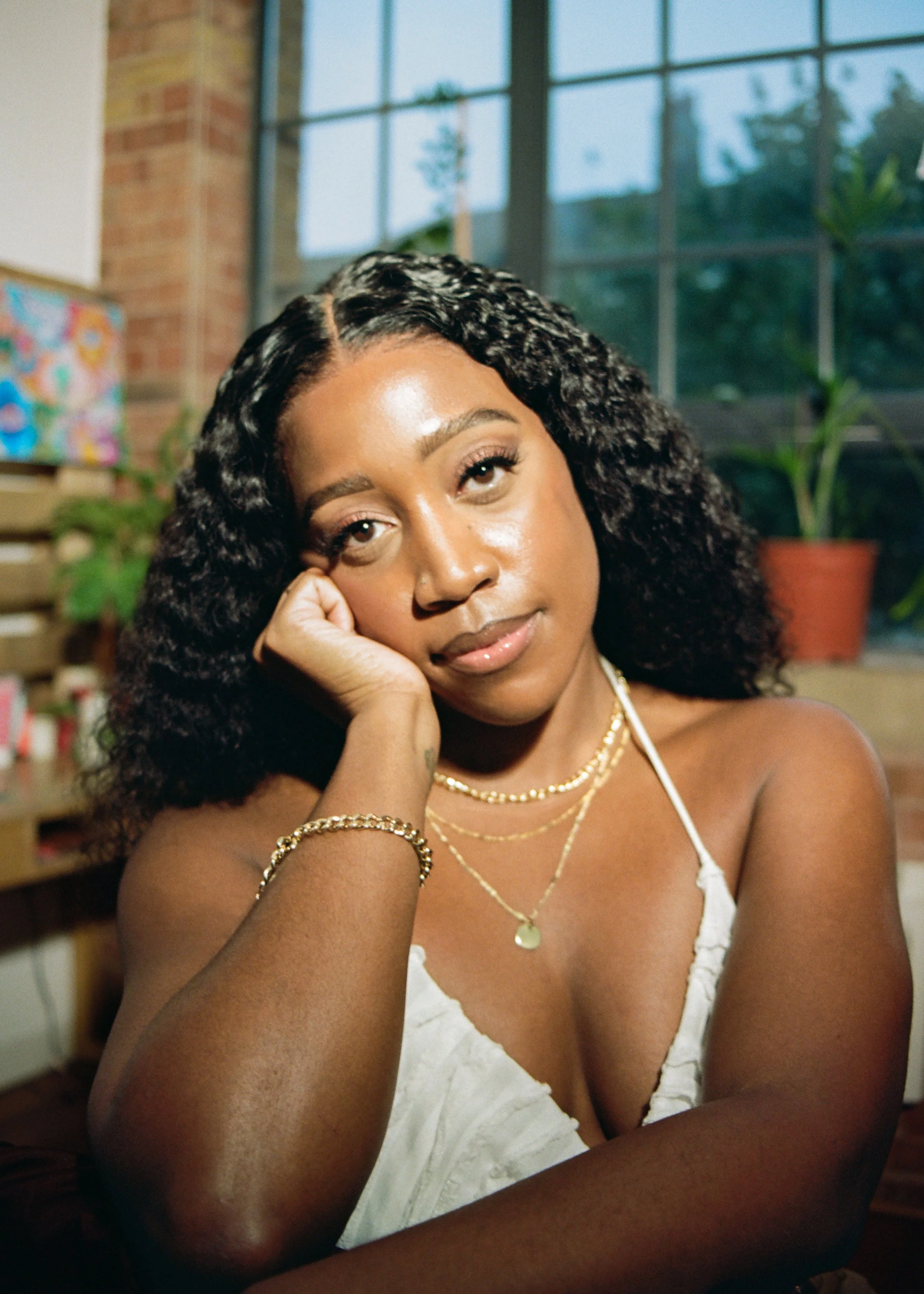
Hometown London | Heritage Jamaican
For example, certain movements that come naturally from dancehall and Caribbean culture could be labelled as 'ratchet' or overly sexual, whereas similar movements presented in other contexts might be celebrated. I found that quite challenging because I never wanted to feel like I had to choose between being professional and being authentically myself.
But those experiences also shaped the kind of creative and leader I wanted to become. Now, as a choreographer and movement director, I understand how important it is to create spaces where people don't feel they have to shrink themselves to belong.”
Are there any dancers of similar backgrounds that you looked up to while coming up?
“One person who really inspired me was Tanisha Scott. Seeing a Black woman with Caribbean roots establish herself as a respected choreographer and creative director was incredibly inspiring. She showed me that our culture and movement vocabulary could exist on some of the biggest stages in the world.”
What makes the London dance scene unique and what changes would like to see in the industry?
“The influence of the African and Caribbean diaspora is massive. From dancehall and afrobeats to UK funky, grime and so many other sounds, our communities have helped shape the movement, music and creative identity of London.
One of the beautiful things about being a London dancer is that you're exposed to so many different styles and cultures, which allows you to develop your own unique creative voice. However, I do think we need to have more conversations about where these influences come from. Sometimes cultural movements become trends, and the people and communities who created or developed them don't always receive the same recognition or opportunities.
I'd love to see more Black creatives in leadership positions, more choreographers and movement directors from underrepresented backgrounds being trusted to lead major projects, and more acknowledgement of the cultural origins of the movement we're celebrating. Because it's one thing to celebrate the culture, but it's another thing to invest in the people behind it."
What MOVES you?
“What moves me is seeing people discover a side of themselves they didn't even know existed.”
How has your culture/heritage impacted your dance/creative voice
“Massively. I'm of Jamaican heritage, and dancehall has always been such a big part of my identity.
Growing up in London, I was surrounded by so many different cultures and musical influences. But being connected to my Jamaican roots has really shaped the way I hear music, the way I move and the way I express myself.
My style is a fusion of dancehall, commercial dance, jazz funk and heels. And I think that's what makes my creative voice unique.”
Have you faced challenges in the dance industry based on your race and gender?
“Definitely! Being a Black woman, and especially being a curvier Black woman in commercial dance spaces, has come with challenges. I think for a long time there was a very specific image of what a commercial dancer was supposed to look like, and I didn't always feel like I fitted into that. There were also moments where I felt that embracing my culture too openly could lead to being stereotyped.