
One Language, Multiple Voices: Cabaret’s Prologue
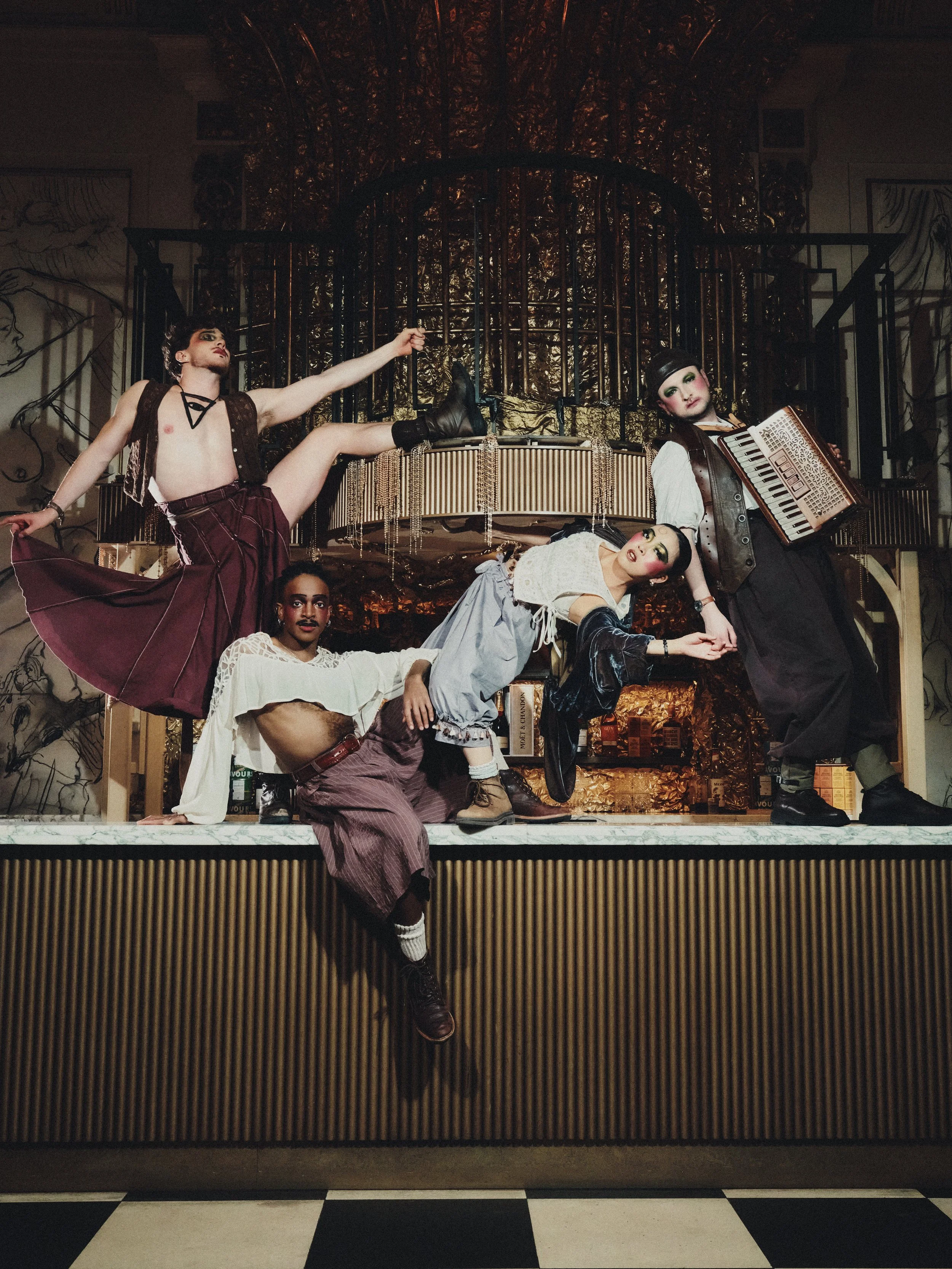
Words ALICE TCHERNOOKOVA // Photos SHOKIRIE CLARKE // Portraits EMILY ALMODOVAR
No two nights are the same at the Kit Kat Club, where musicians and dancers rewrite the script through their constant dialogue – connecting past and present.
The remodelling of London’s Playhouse Theatre into the decadent universe of the legendary Kit Kat Club for this production of Cabaret – now in its fifth year and the recipient of seven Olivier Awards – is much more than a design feat: it completely reconfigures the way performance is encountered by the audience.
Stepping into the quirky, peculiar world of the musical’s Prologue is like entering a parallel universe – one that is at a crossroads between legacy and modernity. Draped in decadent, provocative costumes that blend 1930s Berlin glamour with expressionistic, slightly grotesque styling, the movement artists create a world that feels both seductive and unsettling.
“The Prologue is a bridge between the world outside and the world of the musical,” says Andrew Linnie, music captain and actor-musician in the Prologue. “It’s a little bit 1930s, but it’s also a little bit now – and though it’s structured similarly to the musical, it’s also quite free.”
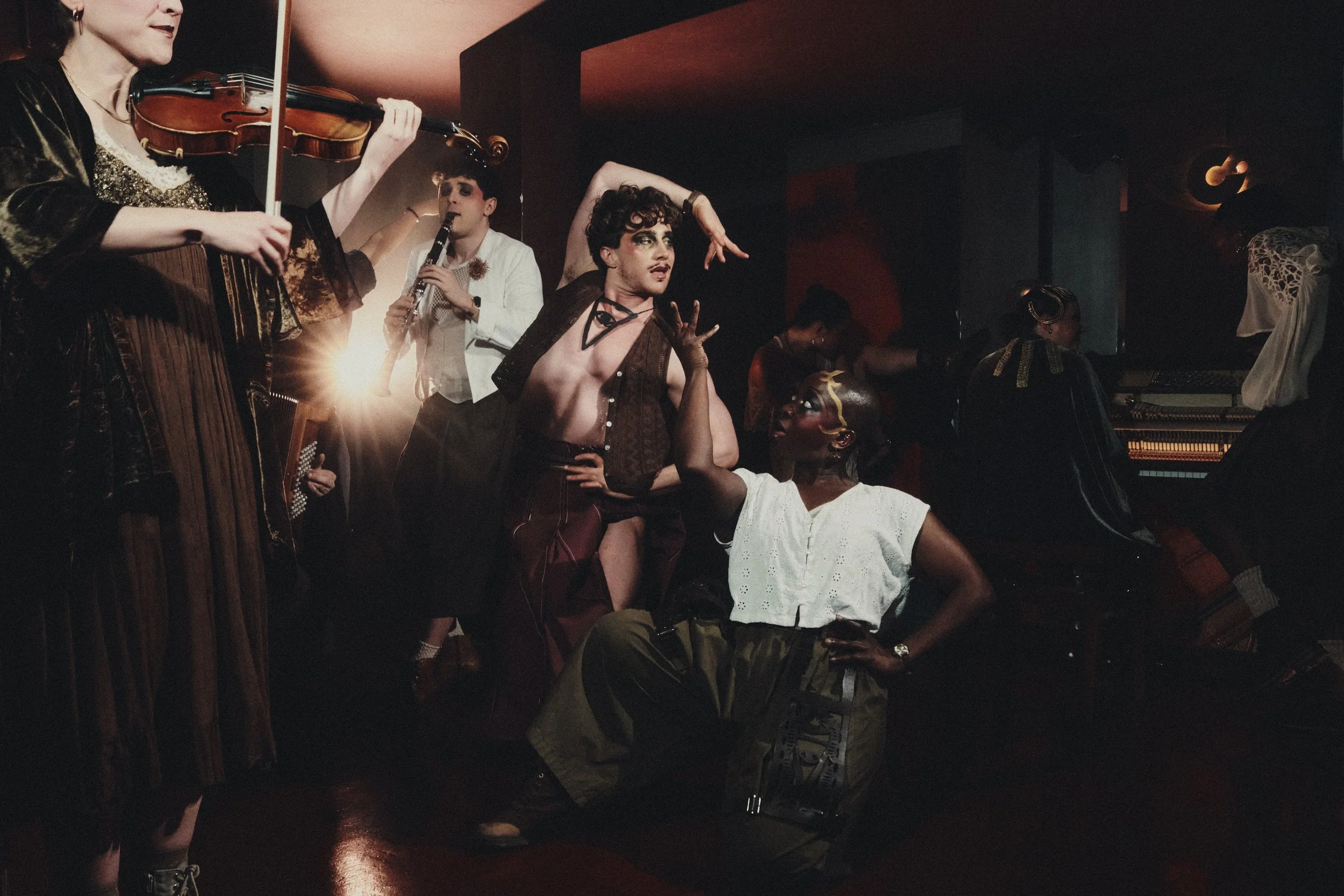
Coming from a wide range of artistic and movement backgrounds – waacking, voguing, popping, contemporary, hip hop… – the dancers bring their own flavour and interpretation to John Kander and Fred Ebb’s original score, as well as musicians’ improvisation.
“The Prologue changes and reiterates itself every year because new musicians and dancers come in and bring parts of themselves to the piece,” says Andrew. “We use a common musical and body language that stays the same, but the individual phrases and ideas can change each day.”
Drawing on influences ranging from Berlin club culture to European folk traditions, the Prologue steps away from the fixed structure of the scripted part of the show, instead operating through a balance of set material and improvisation that leans heavily towards freestyle (around 80%).
“There are many moments where there’s flexibility to respond within the framework, which requires a deep continuous presence,” says show choreographer Julia Cheng. “Each artist needs to respond intuitively because the show requires that interaction and live energy exchange.”
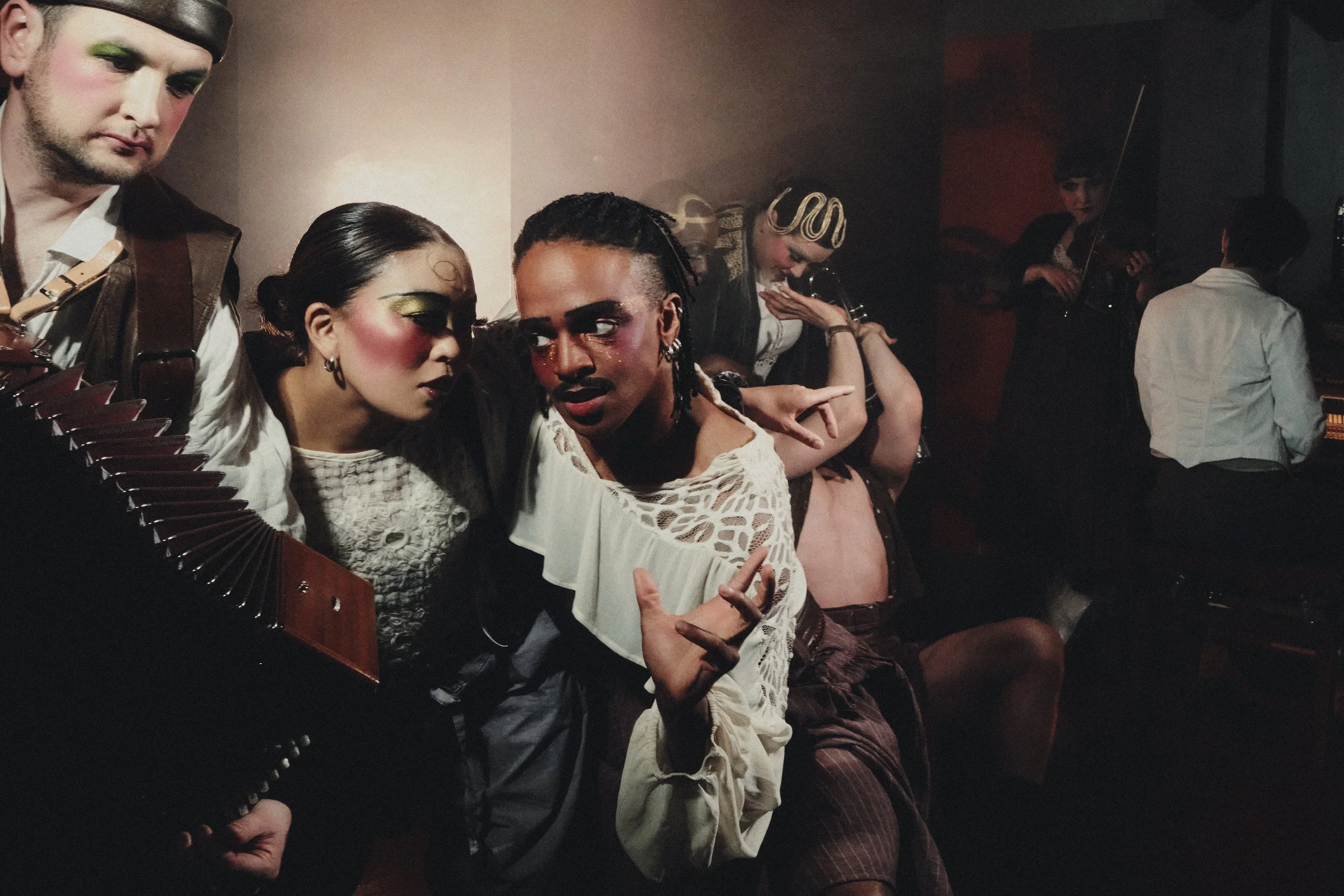
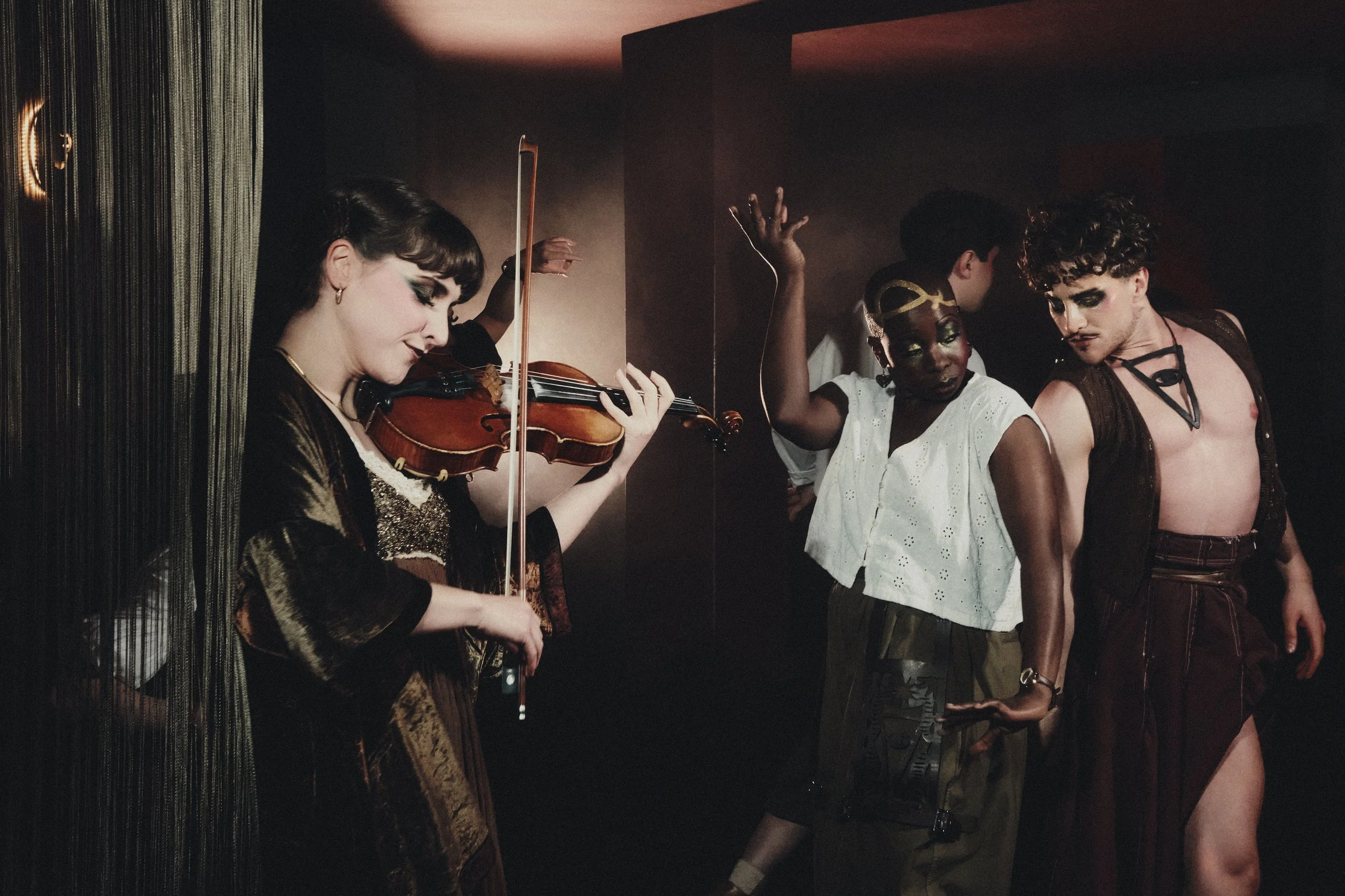
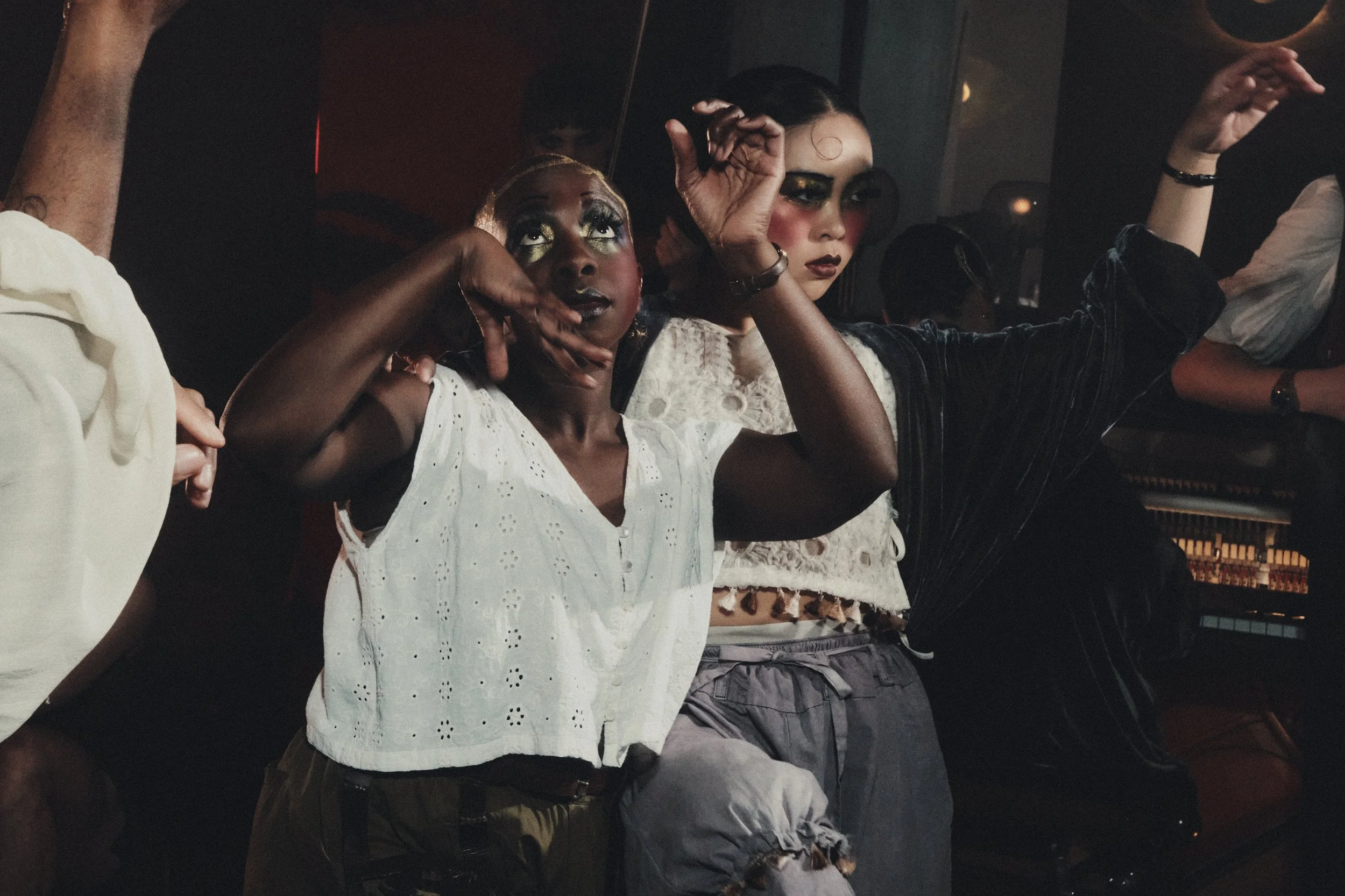
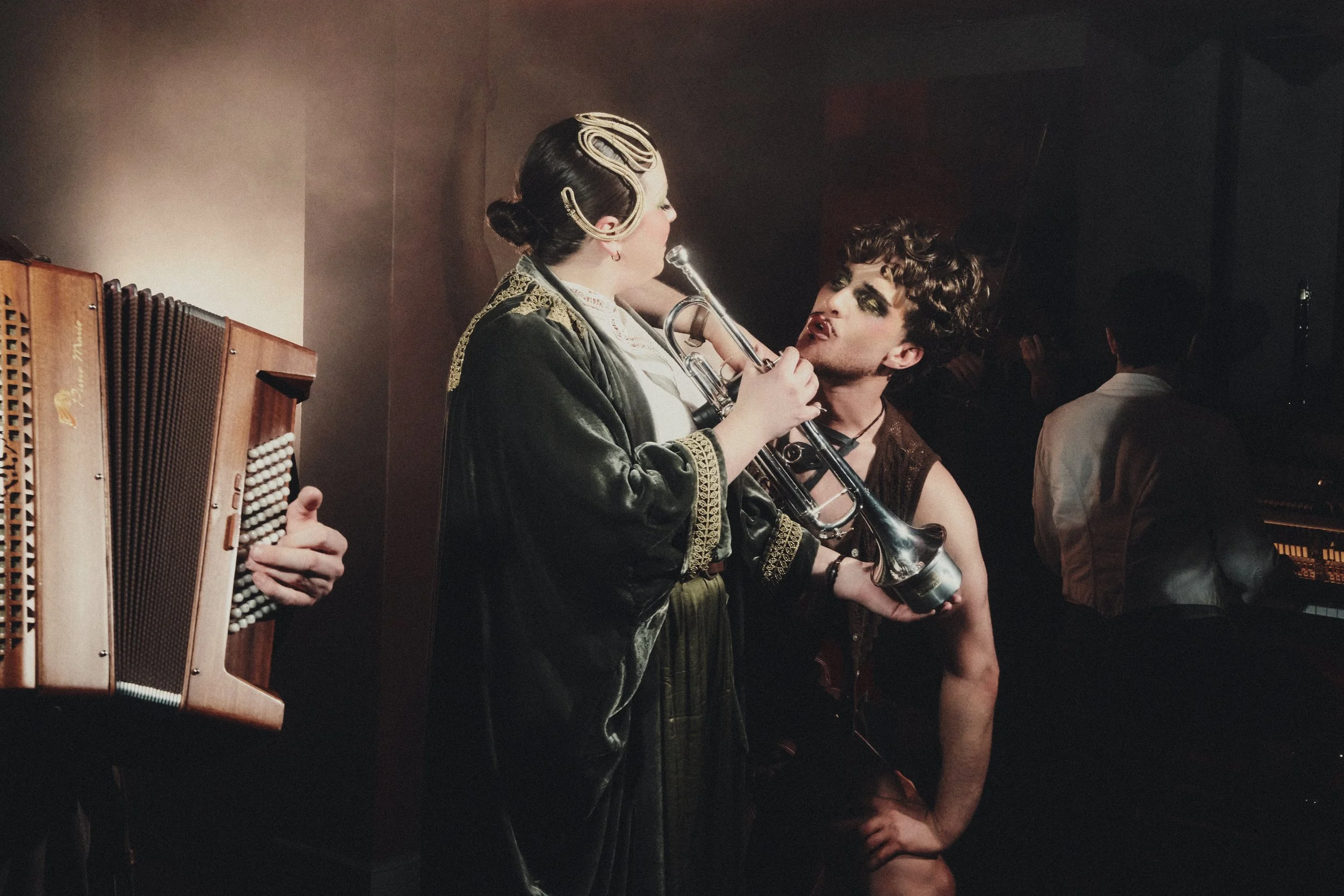
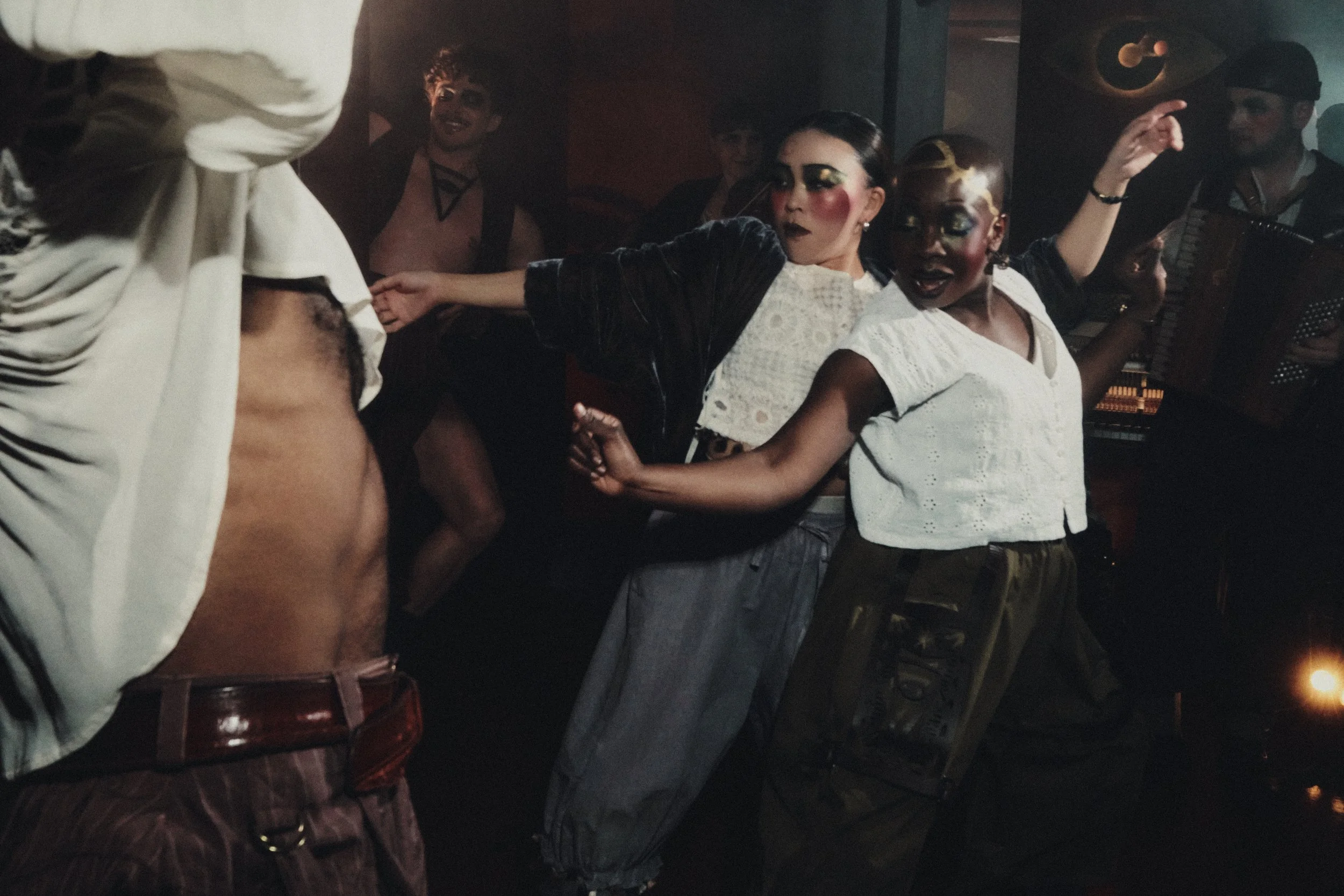
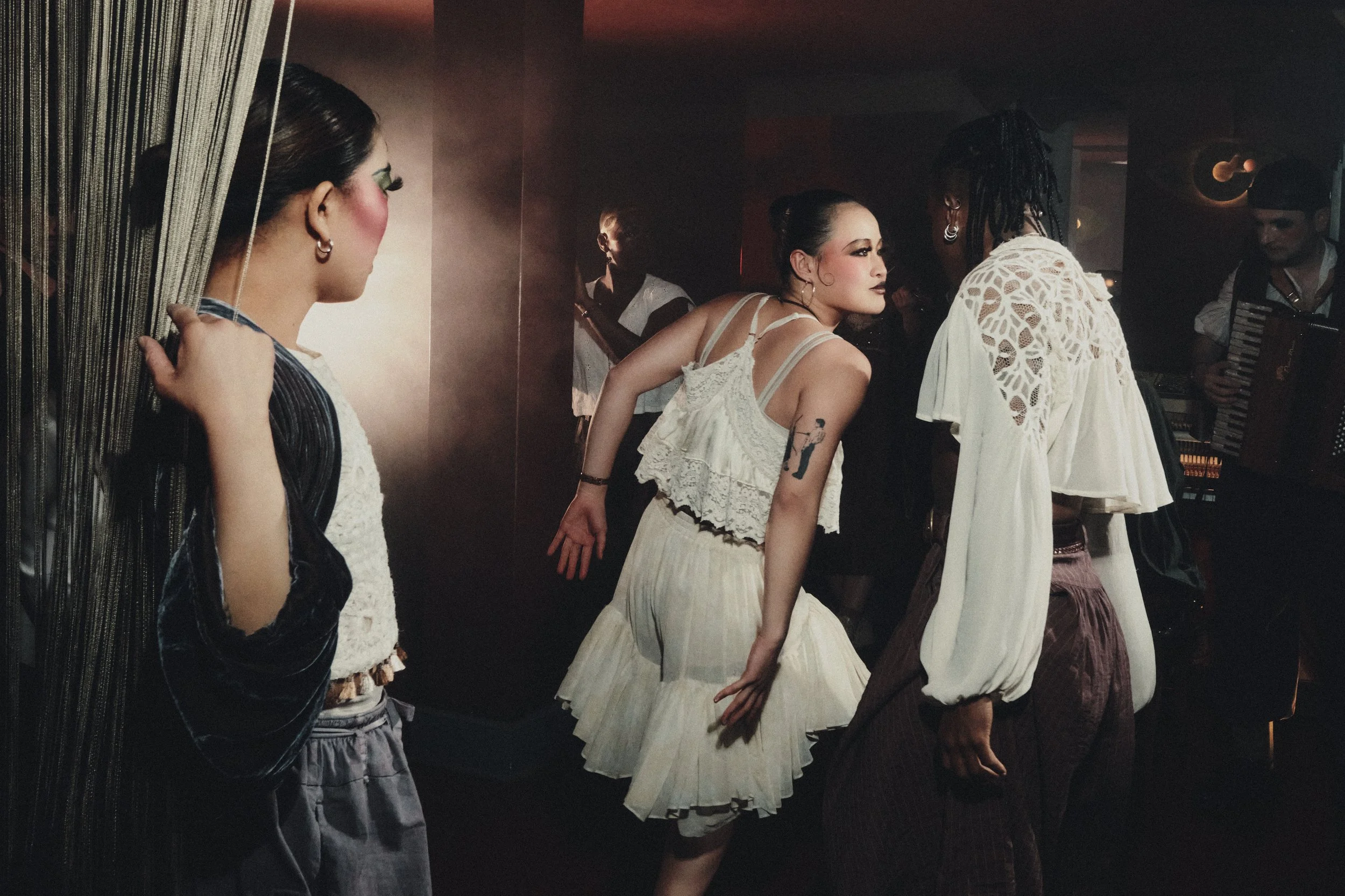
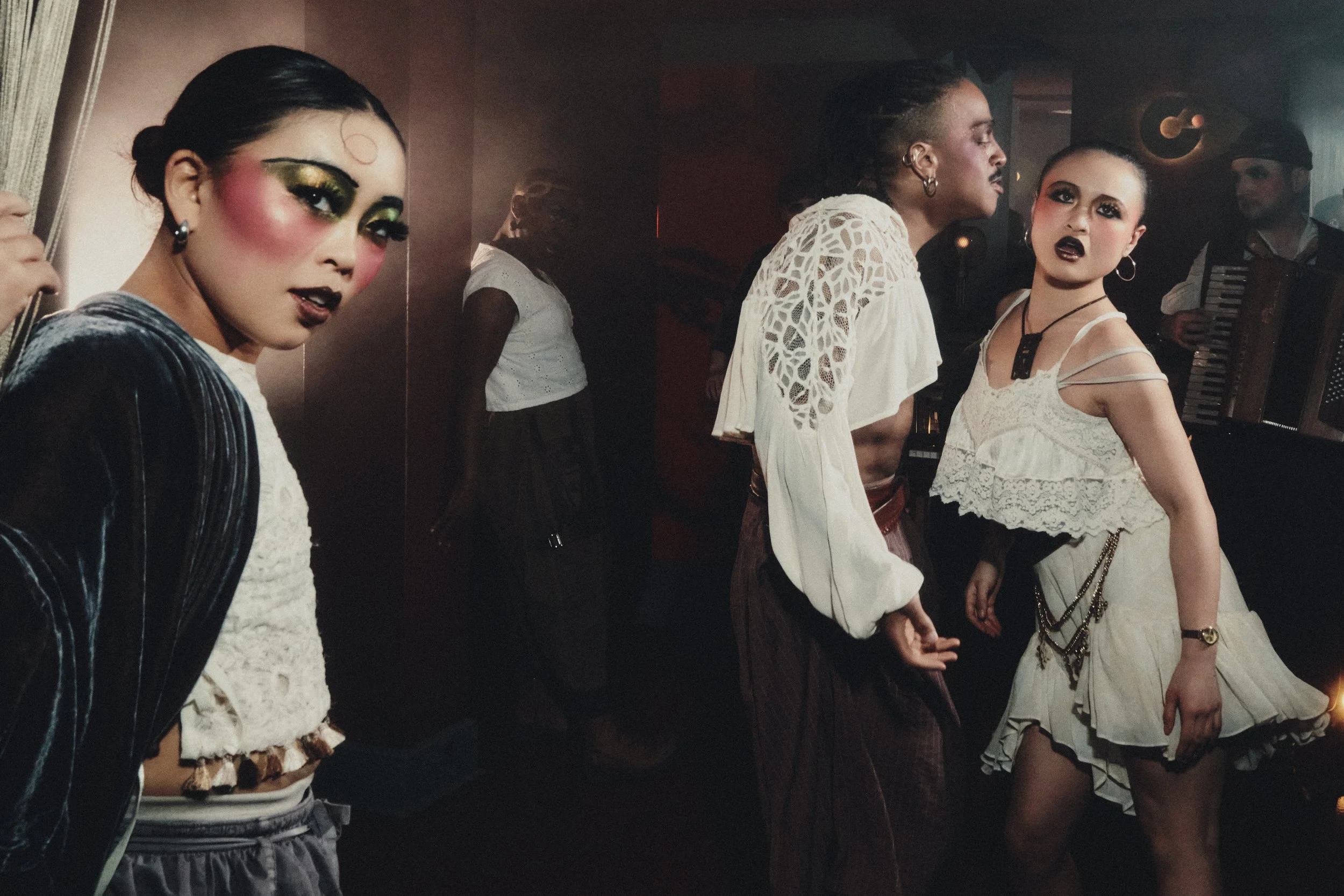
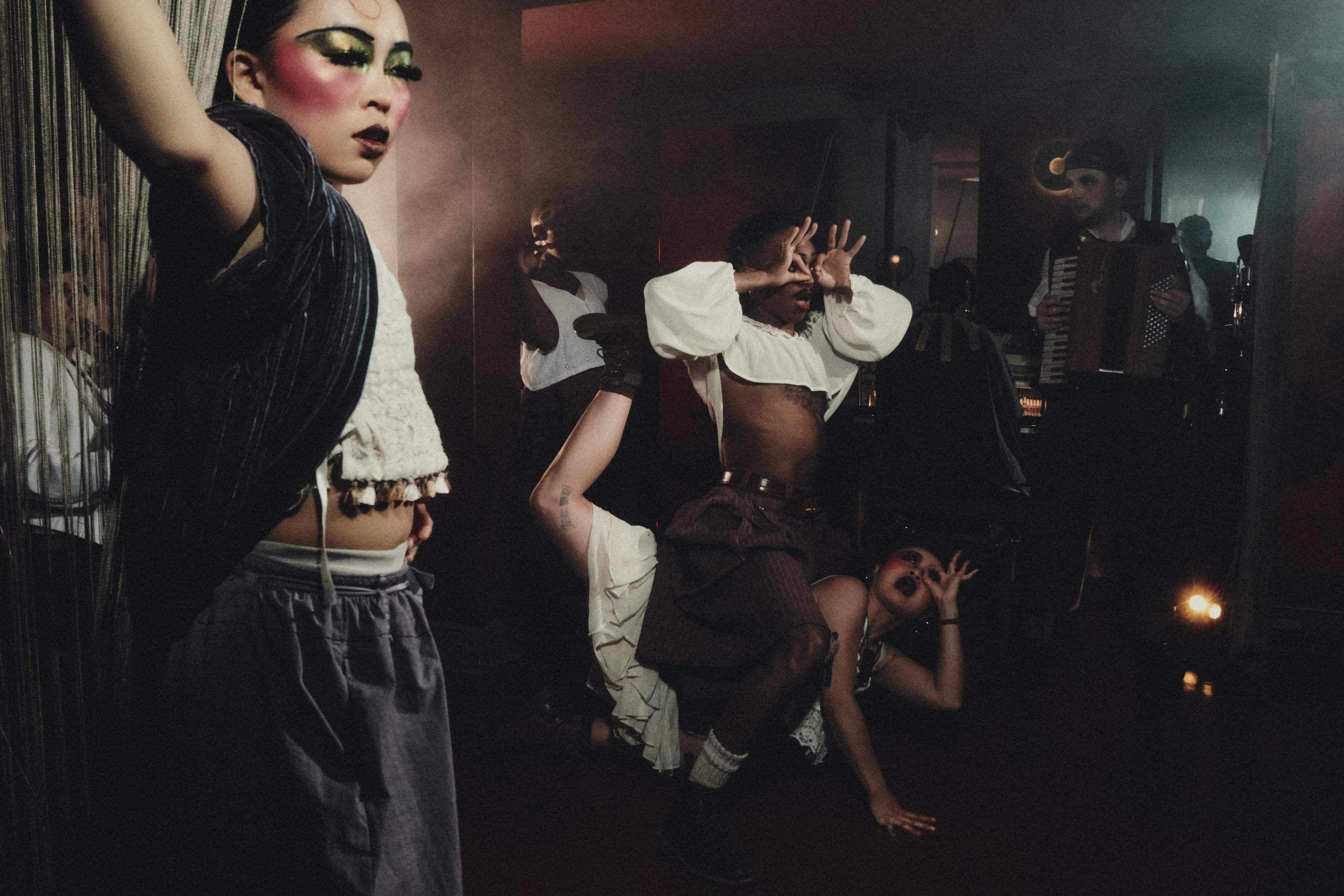
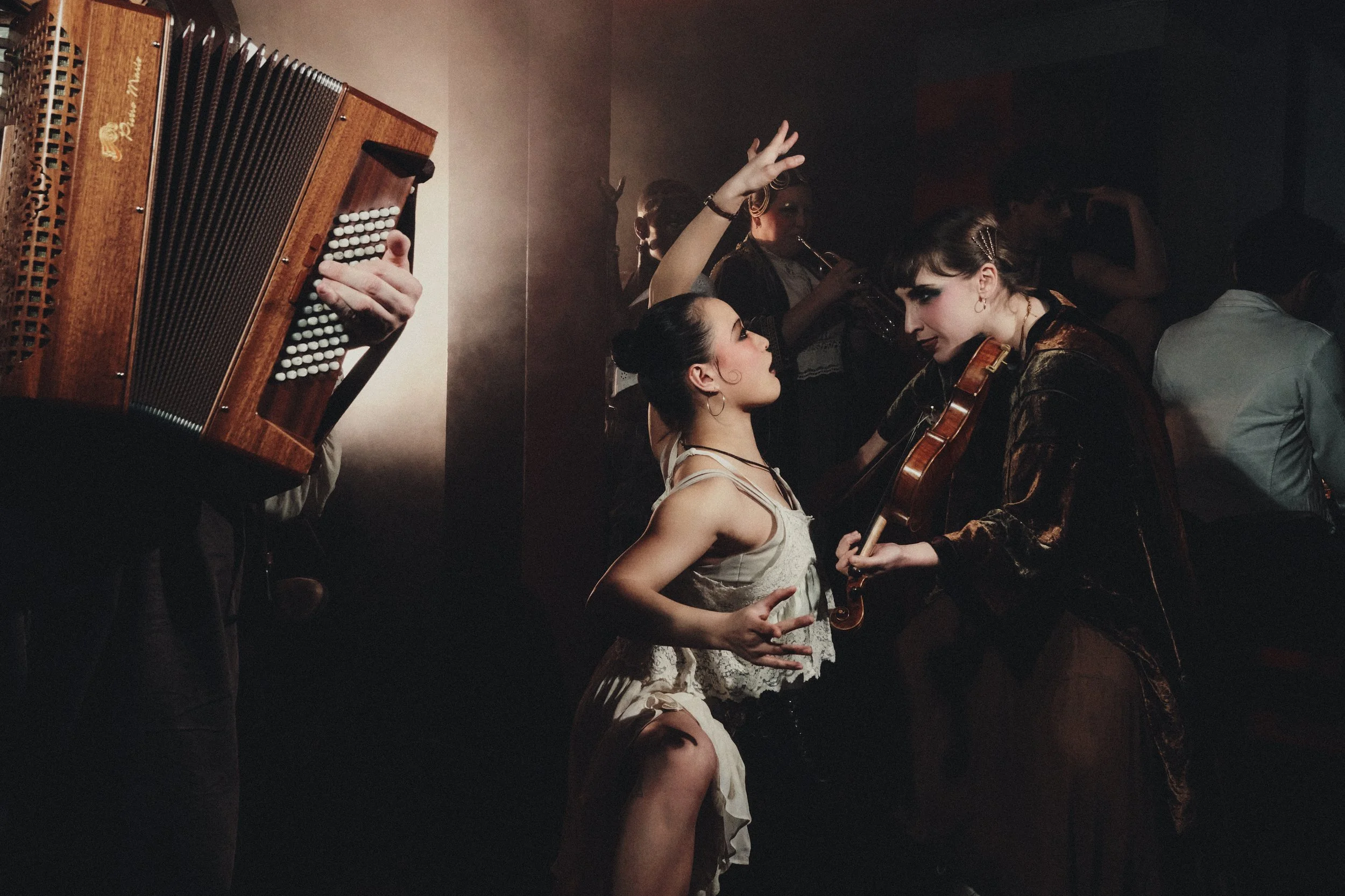
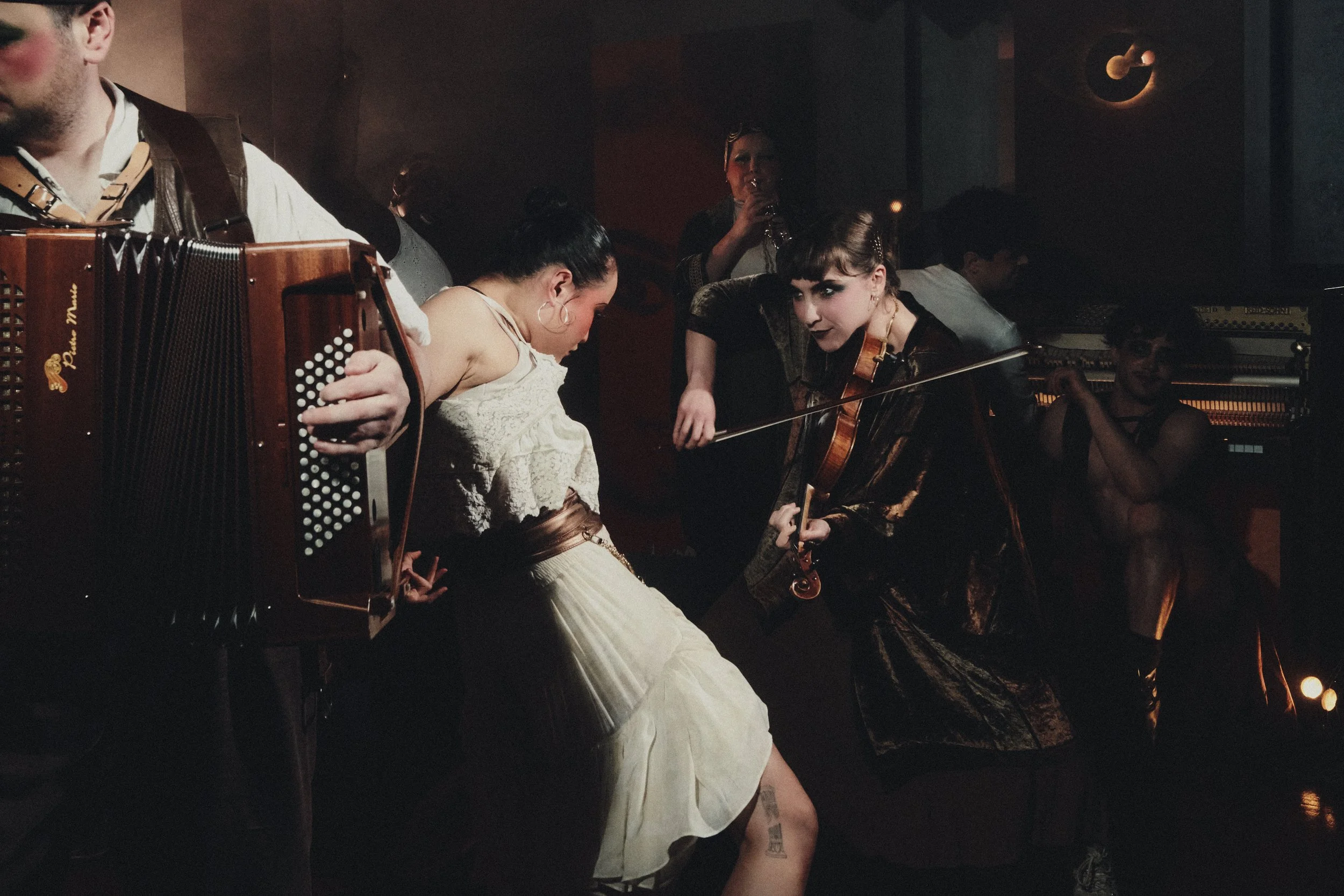
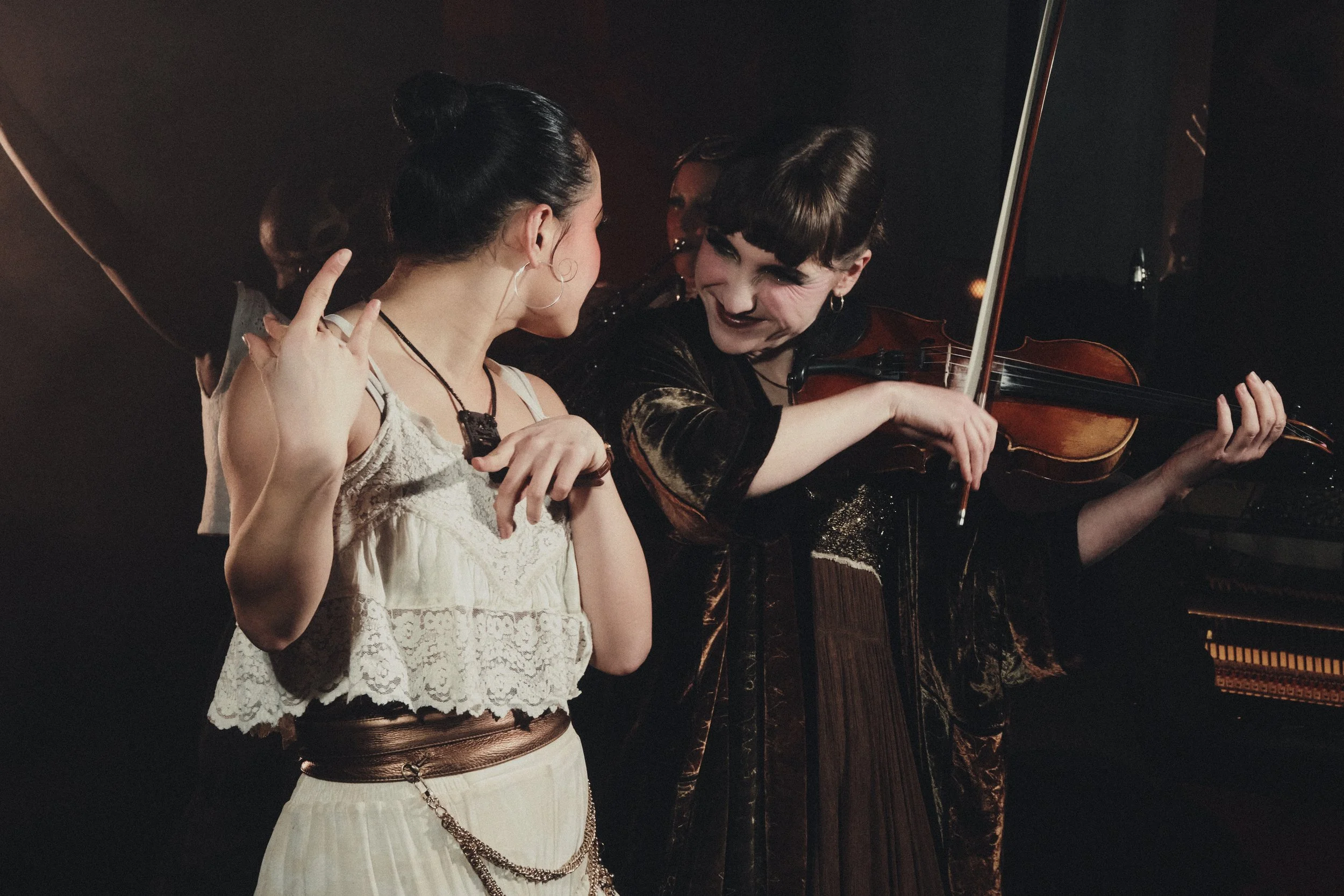
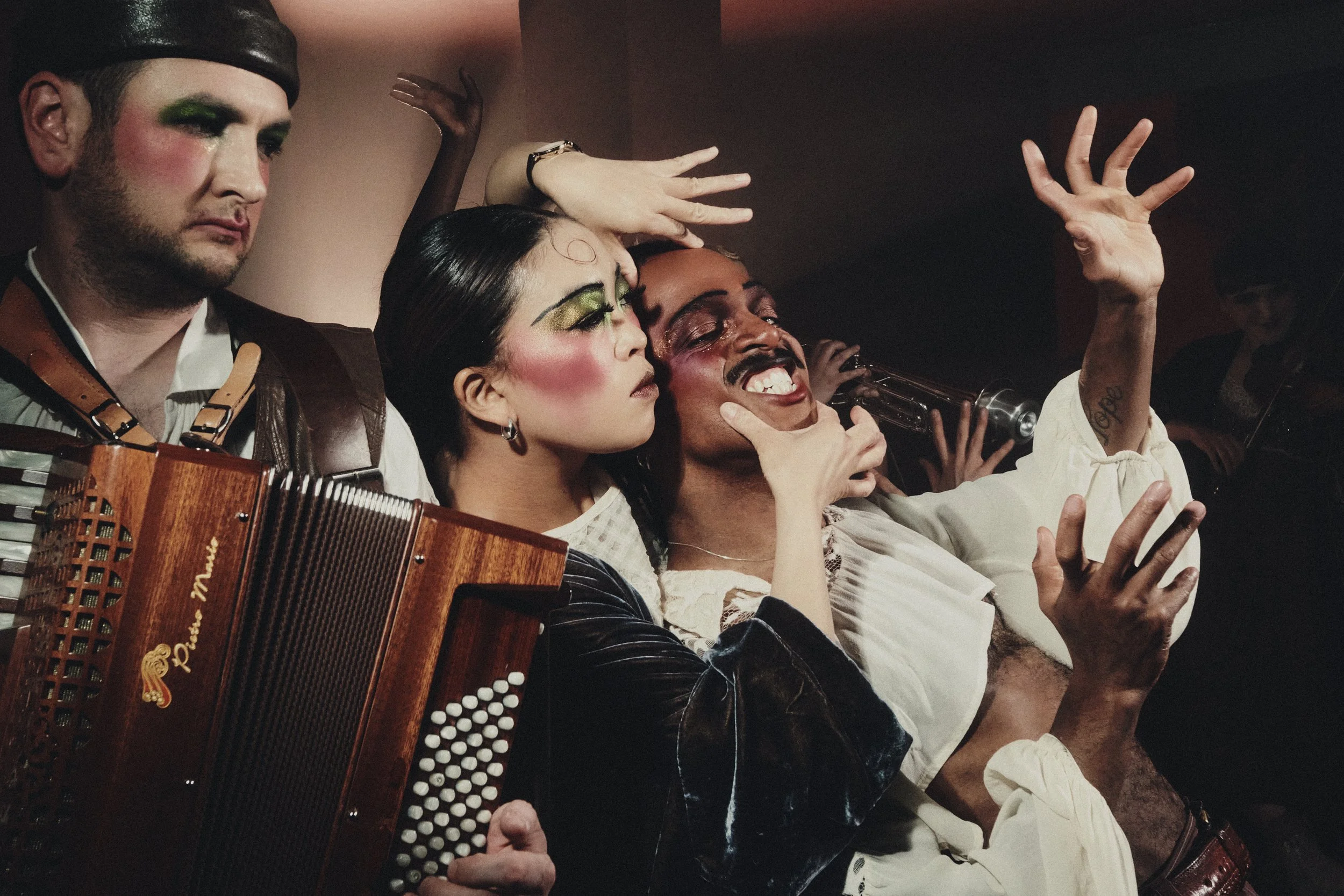
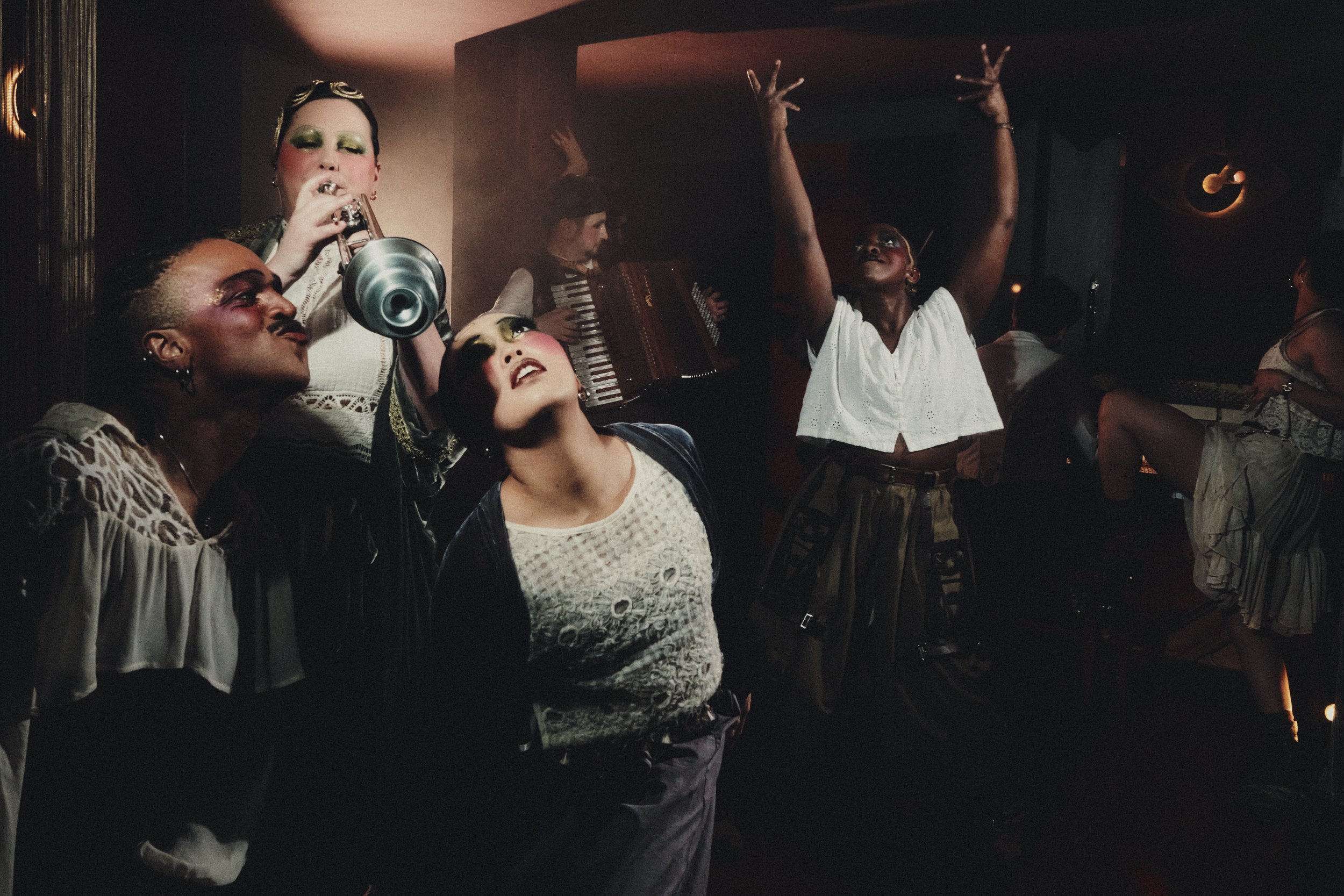
Julia describes the Prologue as a “mammoth of intricacies”, alternating between moments of promenade around the theatre and “flashmobs” performed among roaming audiences – requiring the cast to draw from the individual qualities of their respective disciplines while being willing to play, be daring and share their unique stories.
“The improvisation between musicians and dancers and the raw, live moments that can only exist in that exact time and space, feel incredibly meaningful,” says Shiho Yokoyama, dancer in the Prologue. “Through eye contact and small reactions, I often get inspiration that feeds directly into my freestyle. Those spontaneous exchanges are a big part of what makes this experience so special.”
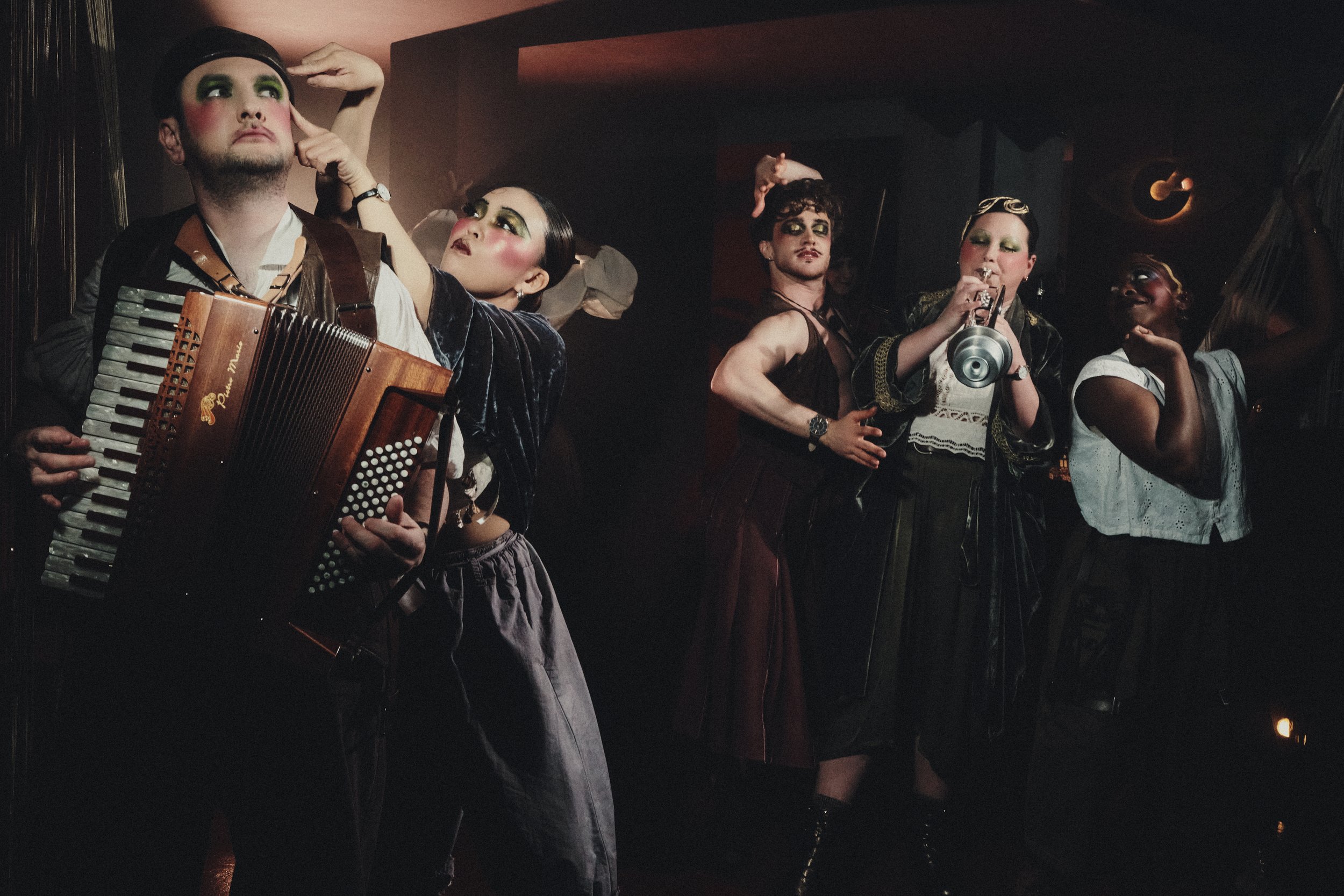
While most musicals stay true to their original versions, much of the material in Cabaret’s Prologue is reconfigured in real time. This elasticity is central to the work’s impact: rather than delivering a static prelude, the Prologue invites the audience into a genuinely authentic, once-in-a-lifetime experience.
“The story behind Cabaret gets very serious, especially towards the end, and it can be very easy to fall into the trap of skipping straight to that part. However, it doesn't have the same impact unless you first build this atmosphere of silliness and joy,” Andrew explains. “This is one of the things that dancers like Shiho are so good at bringing to the show: this unbridled sense of freedom to express yourself within the world that we create in the Prologue – which is taken away later on in the musical, in a way that then feels a lot more meaningful.”
Moving with the Times
The very essence of Cabaret’s Prologue interrogates and rebuilds how music and movement, and their artists, connect with one another to tell a story. This sets an interesting path for the musical genre.
“There are still strong fixed ideas around the relationship between dance and music,” says Shiho. “For example, how can a hip-hop approach exist within the sound of a violin?”
Exploring how to combine elements that don’t traditionally belong together is both a challenge and a learning process, she argues – but it’s also what makes being part of Cabaret’s Prologue so special.
For Shiho, whose training is rooted in contemporary dance with influences from hip-hop, popping, commercial and jazz, this environment offers a rare opportunity to use the full scope of her movement vocabulary within a theatre production.
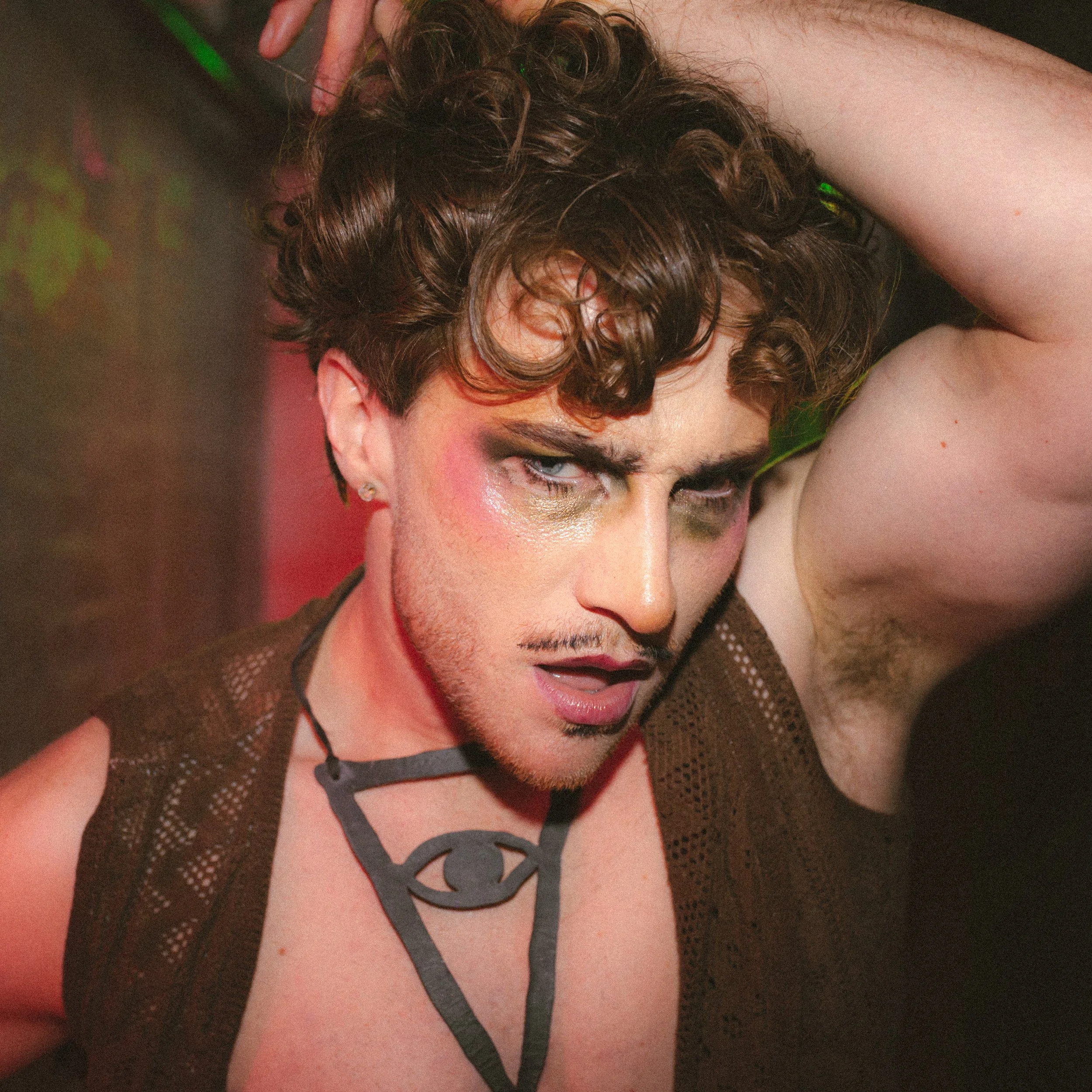
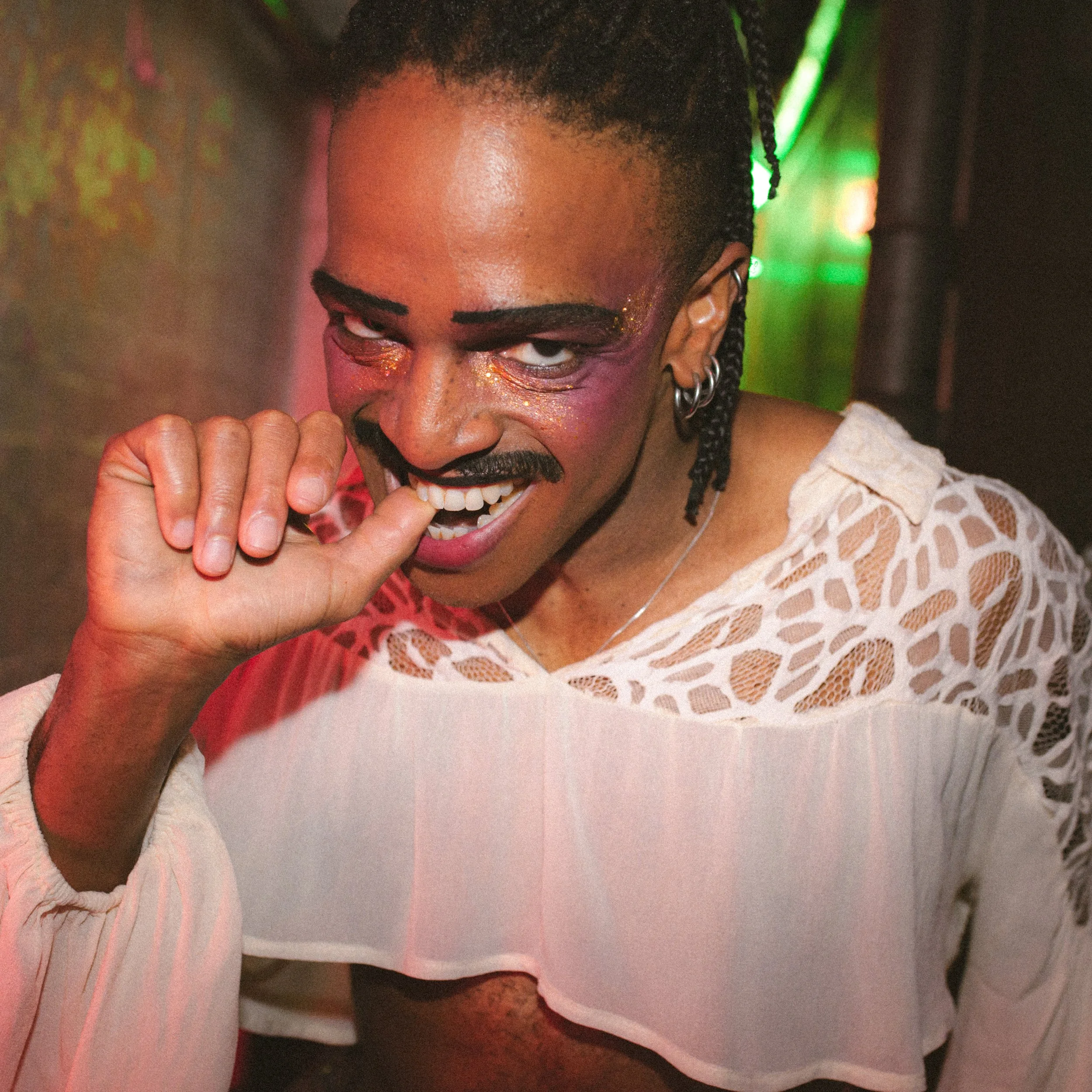
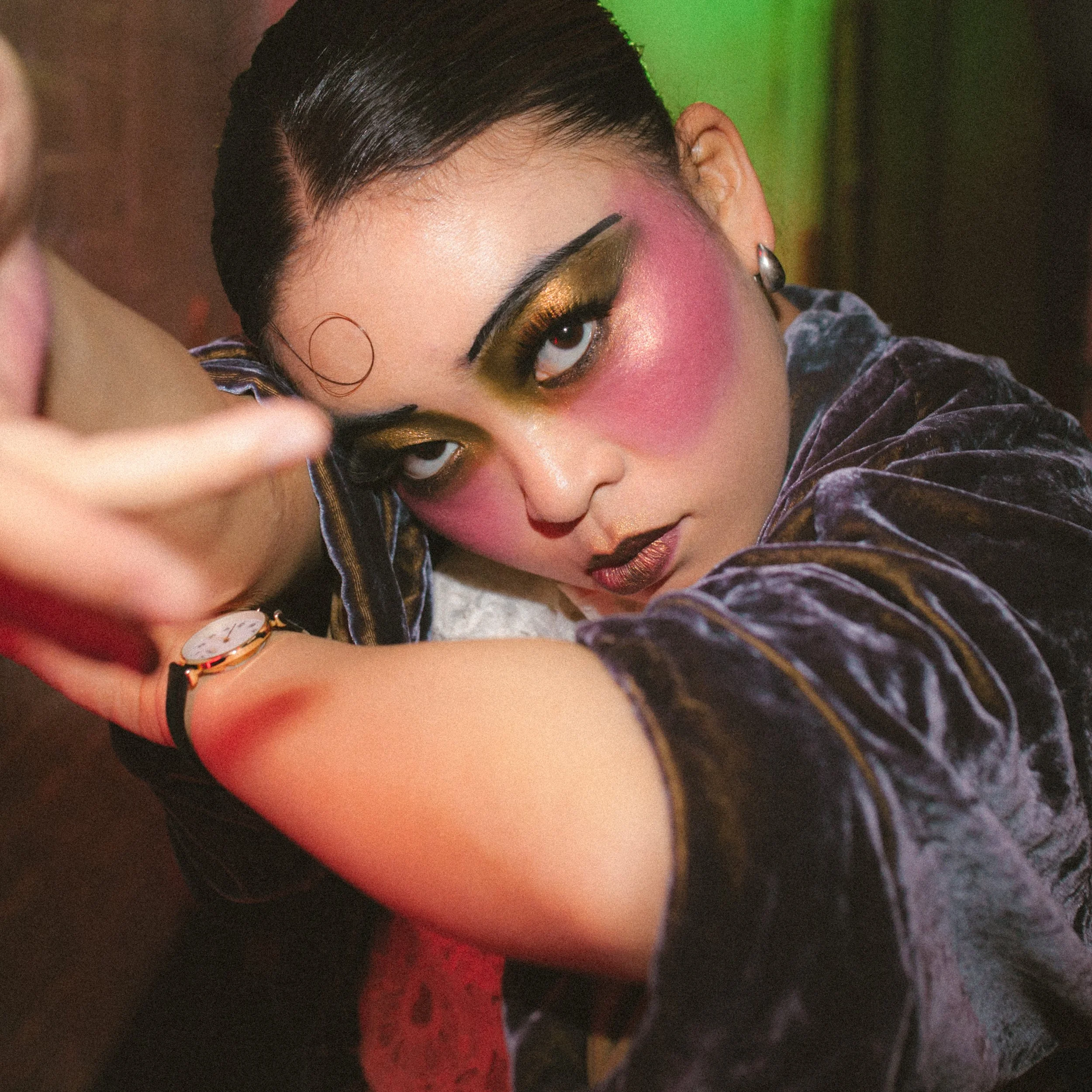
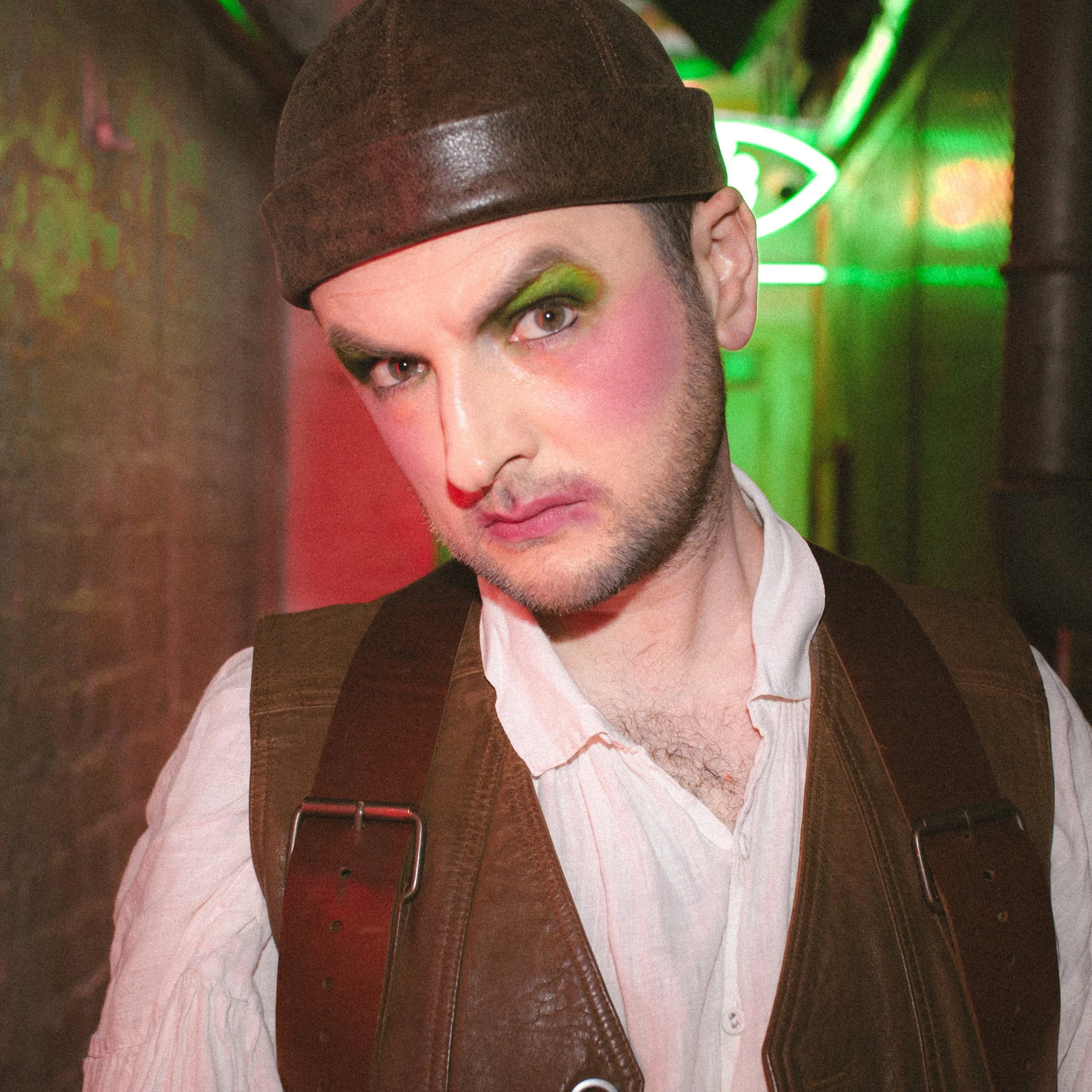
“One of the most unusual things about this show is that, within the musical theatre framework, it brings together artists with very versatile profiles,” she adds. “Improvisation requires a lot of trust and mutual respect, and I feel very lucky to be part of such a talented and supportive group of artists.”
Such a sense of artistic licence is rare enough to be noted – particularly in the West End, where performers are typically bound to a fixed framework, with limited scope for variation.
“In most commercial theatre, there’s a very strong brand and people want to keep things fairly stable,” says Andrew, who is an original cast member. “Cabaret’s Prologue is so much more alive. So much individual creativity and freedom are allowed that every performance feels different. For a performer, this is a bit of a gift, which has made it quite an easy thing to stay.”
This strong emphasis on individuality and on being fully present in the moment is what makes Cabaret at the Kit Kat Club a standout show, providing a welcome invitation to reconnect (both with oneself and with each other) in an increasingly isolating society.