
Breakin’ Convention 2026 Reminds Us How Hip Hop confronts
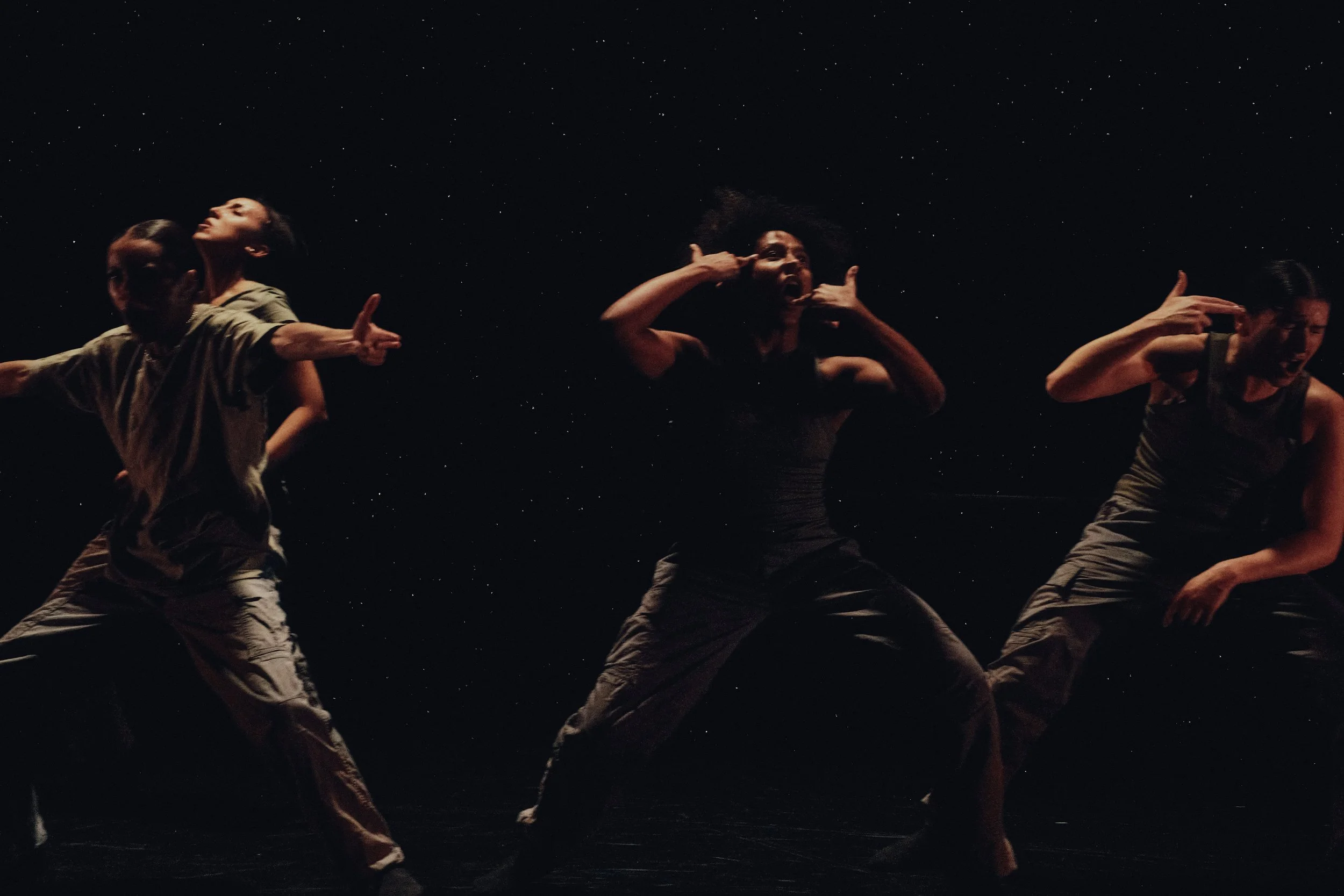
Words MIRANNE WATLEY // Event Stills ELIZABETH QUEK // Performance Stills SHOKIRIE CLARKE
The May Bank Holiday began in familiar fashion as hip hop theatre, art, and culture took over Sadler’s Wells for the annual festival of Breakin’ Convention.
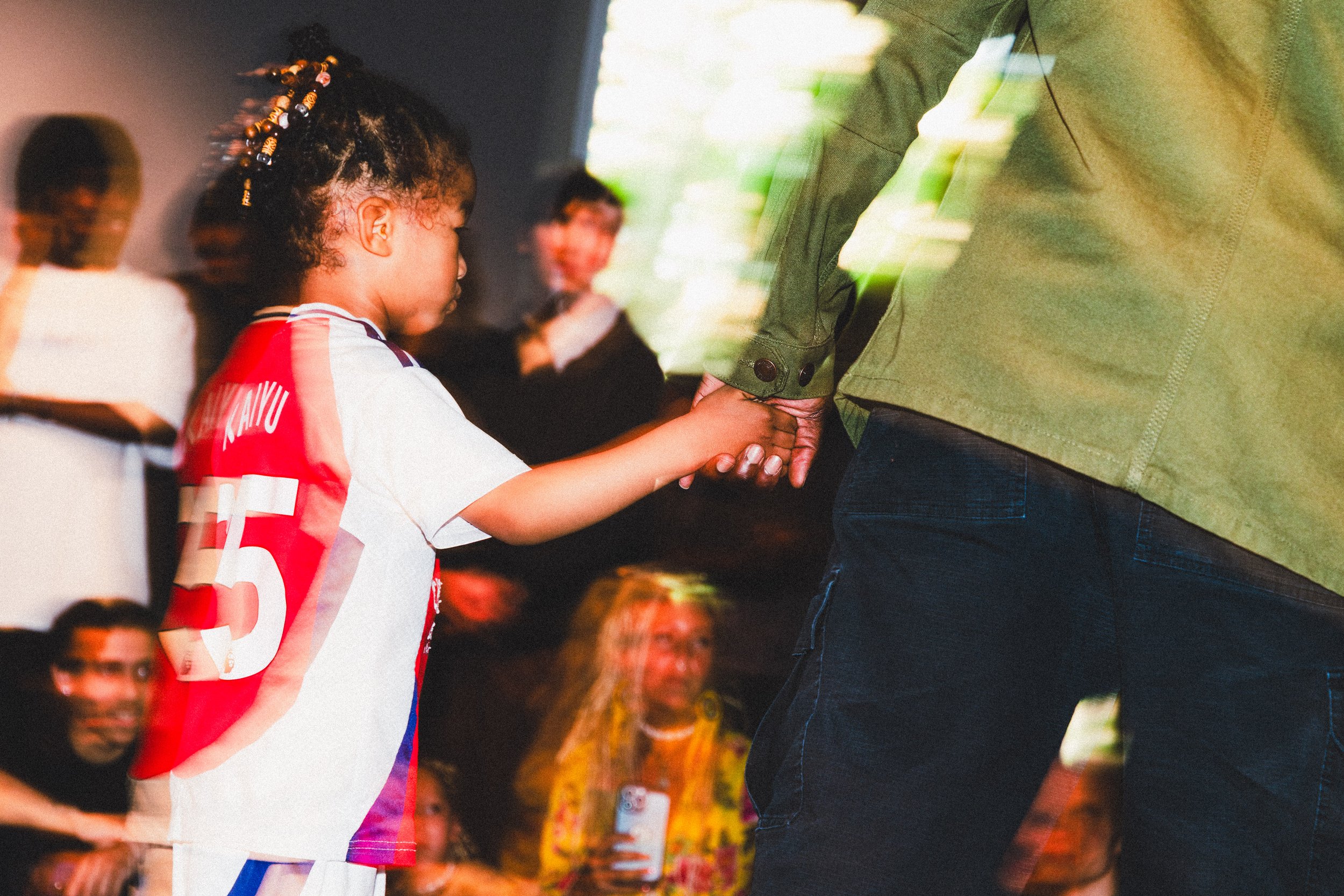
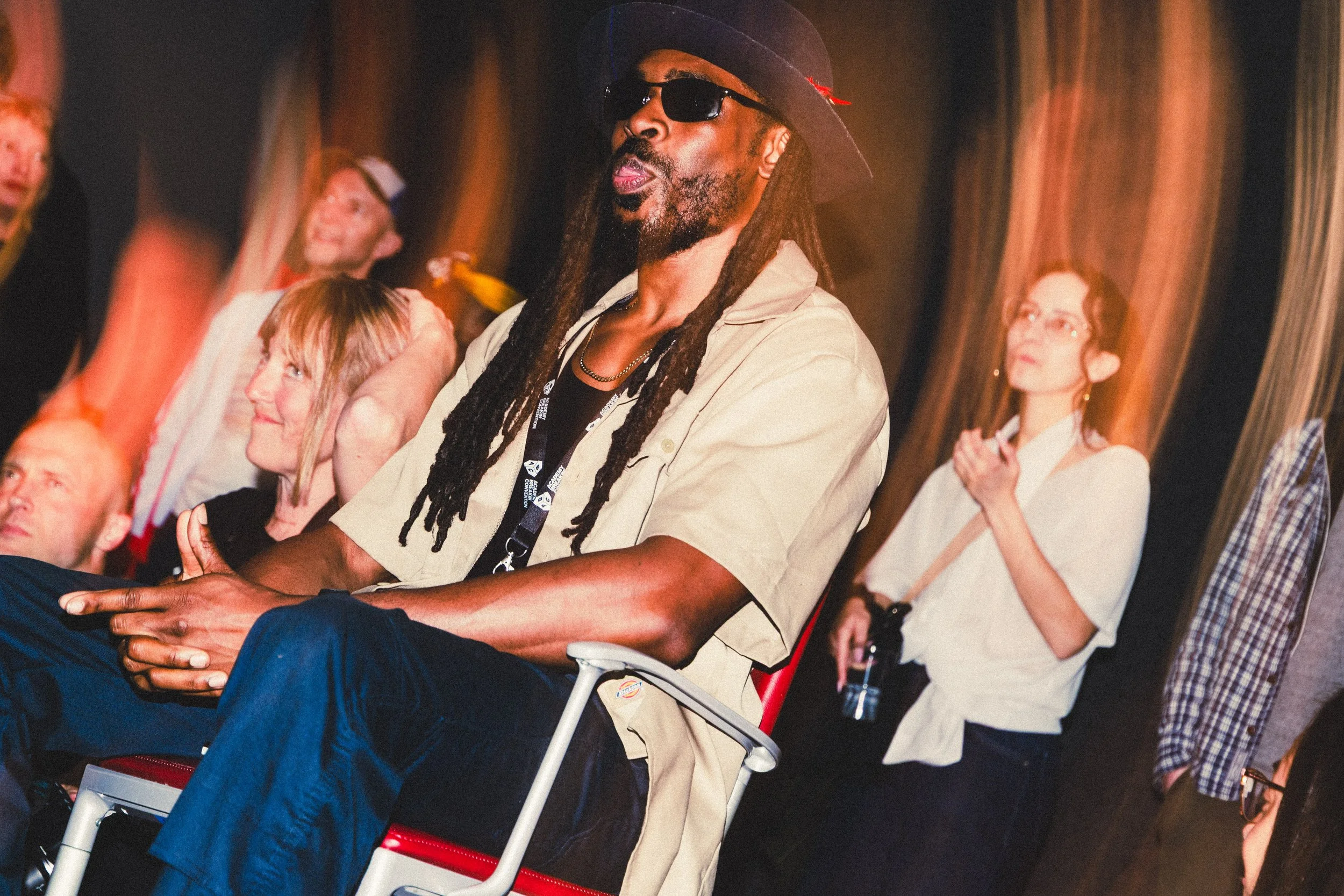
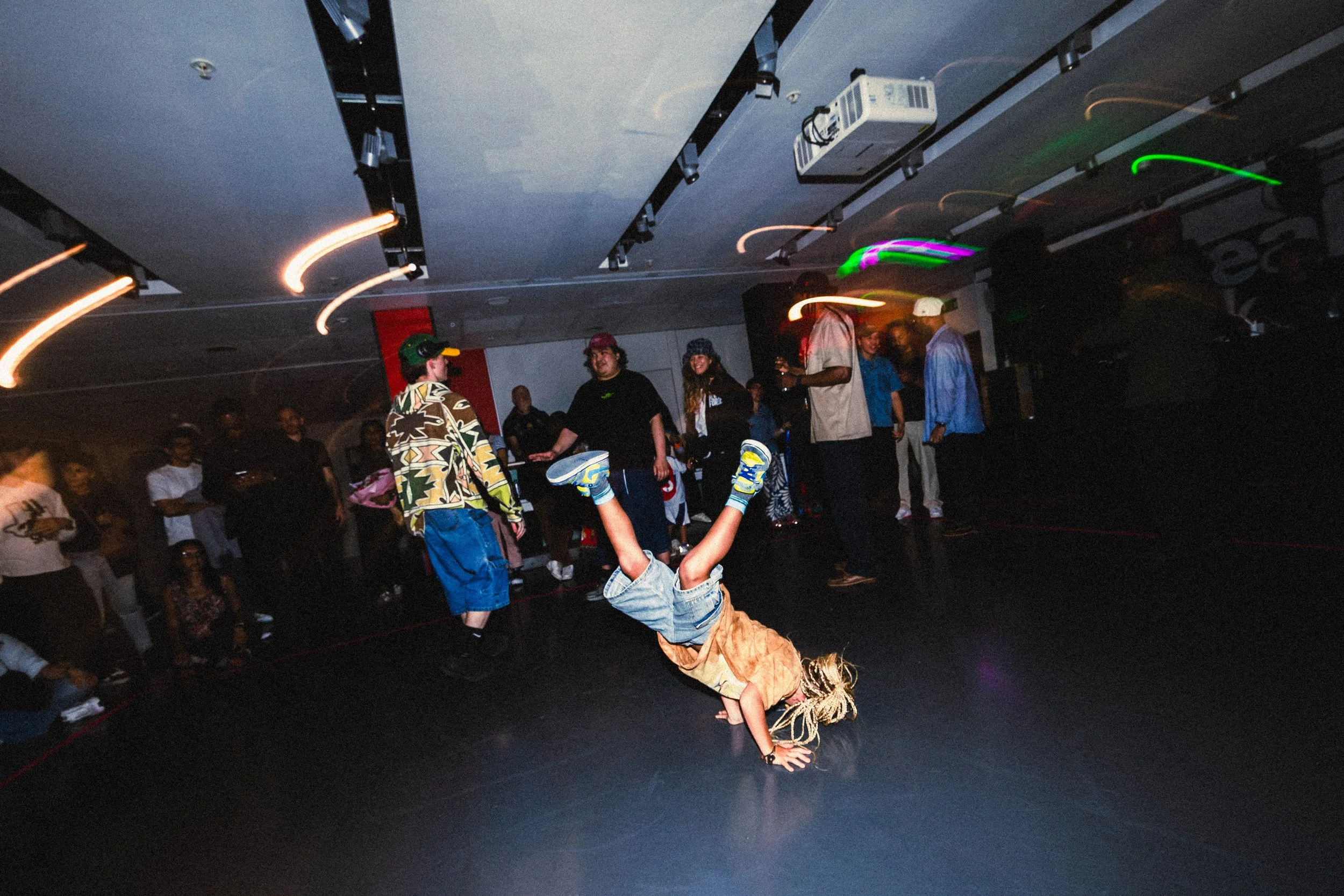
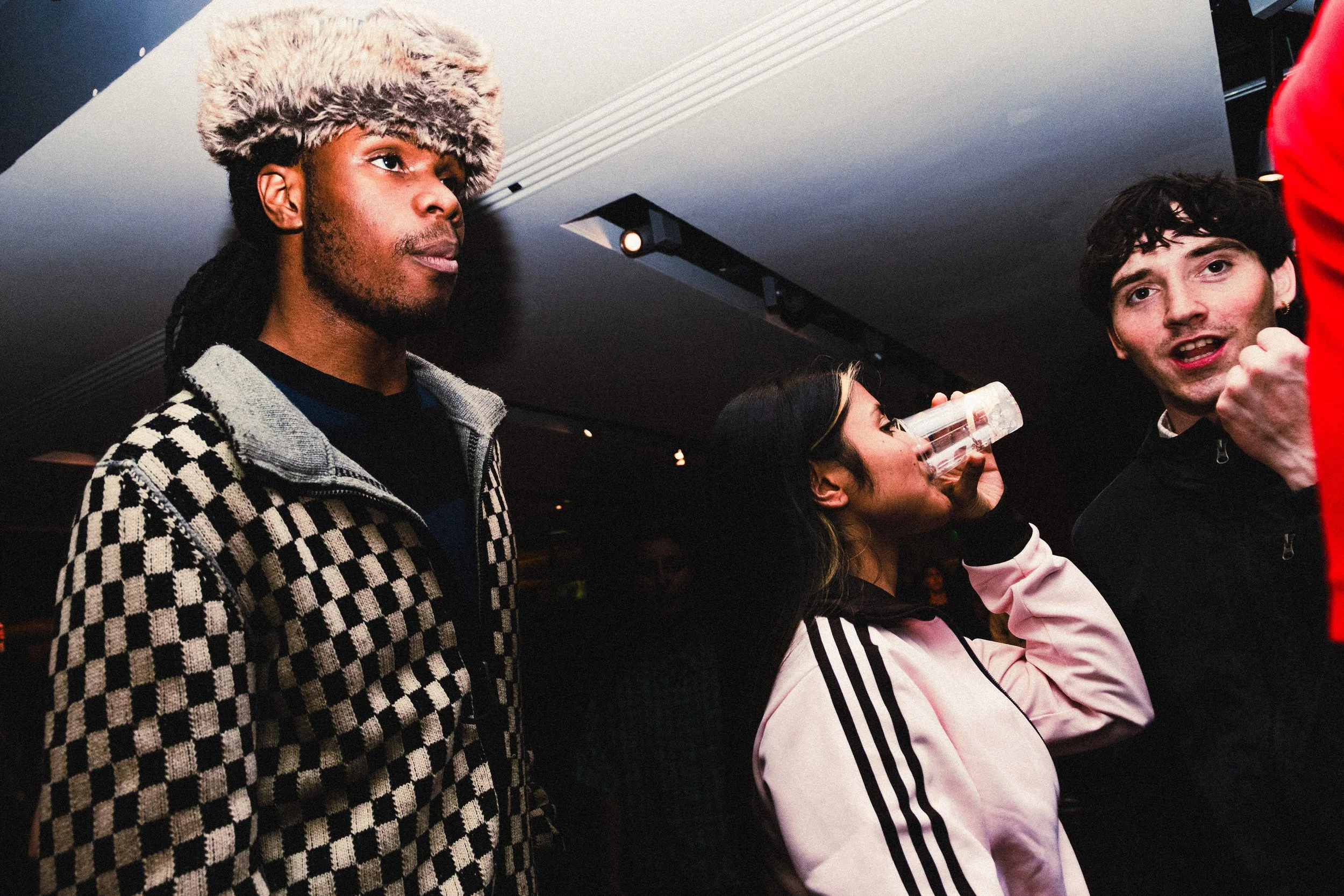
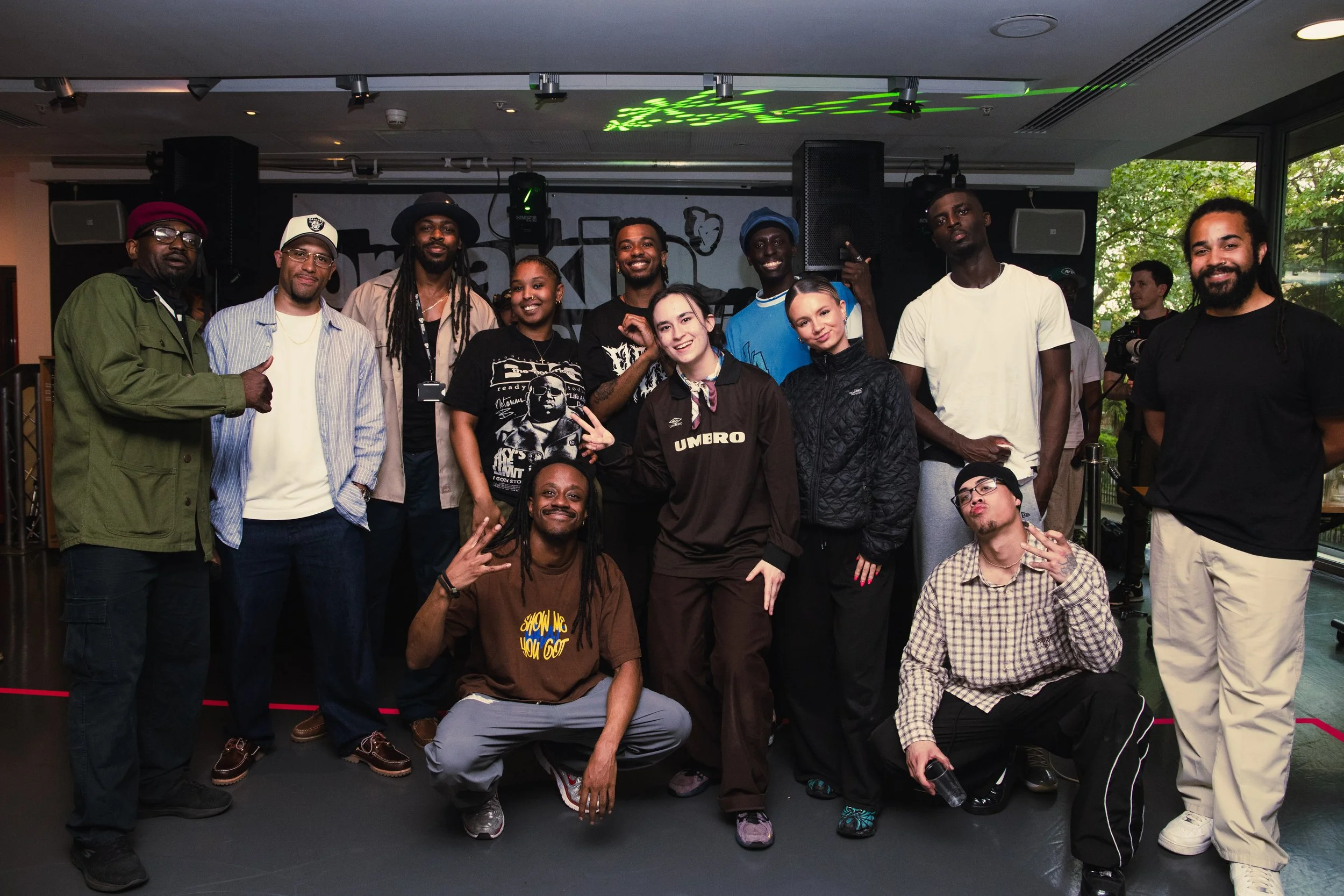
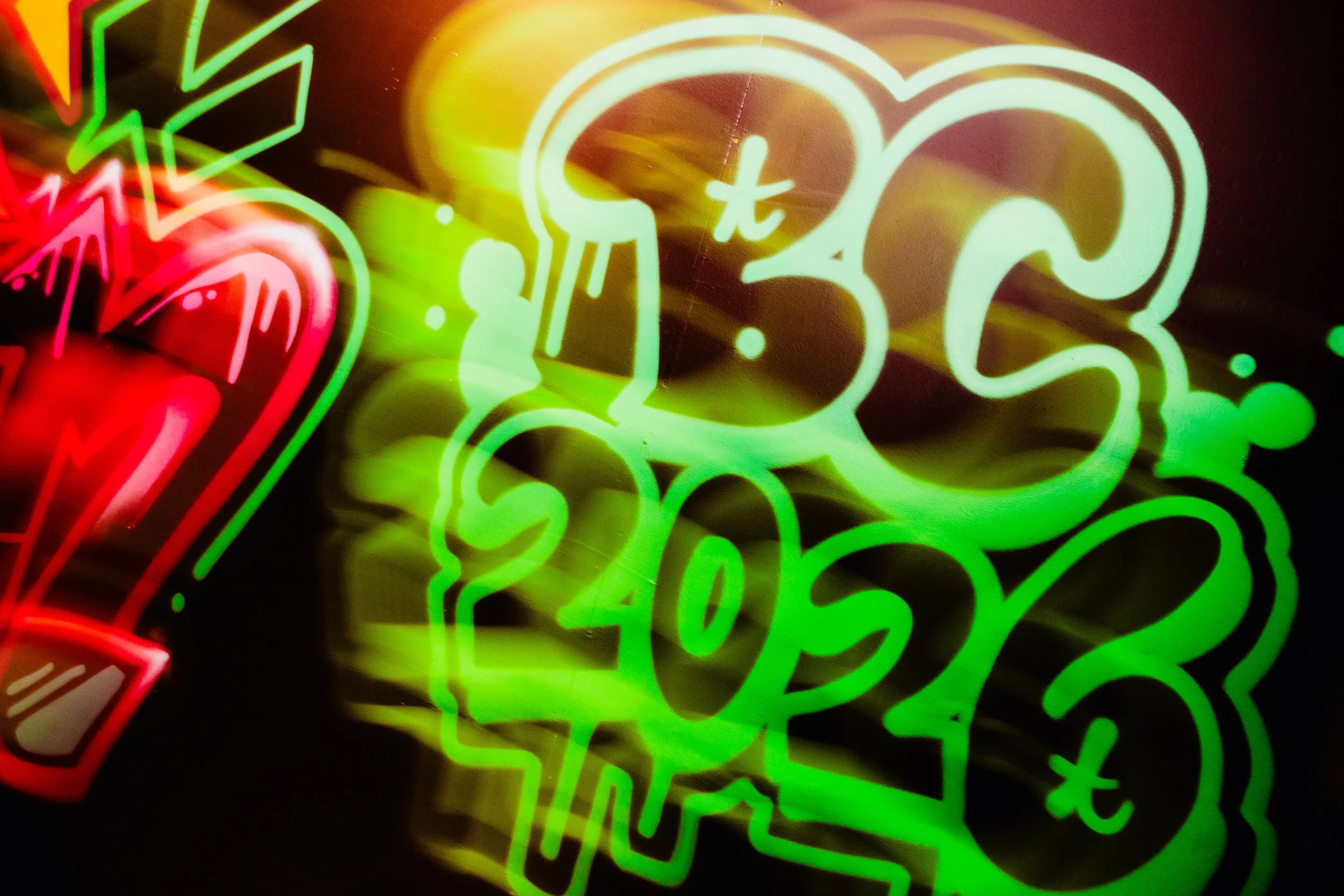
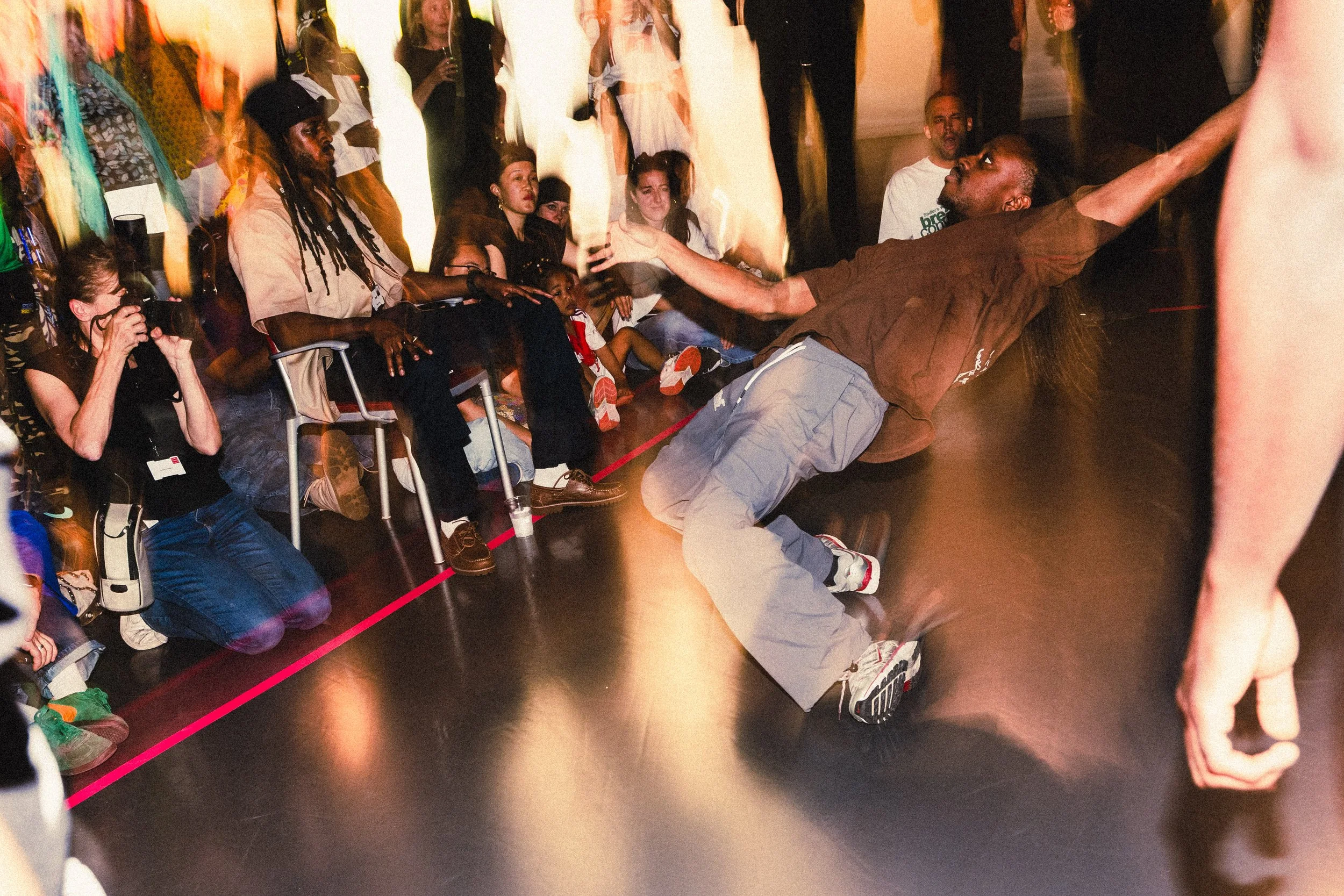
As usual, the excitement in the building was palpable. The four storeys of foyers were decked out with stylised neon graffiti, my favorite of which was on the very top floor and combined deep purple, subtle orange, and acid green into the word Zaki (going out on a limb to say this work was done by Zaki Dee, one of this year’s graffiti artists). Saturday and Sunday’s shows followed double dutch attempts and headphones were set out for a silent disco. The battles were back as well, feeding the pre-show fervor with breathtaking agility and proud parents filming their child’s first time in a cypher.
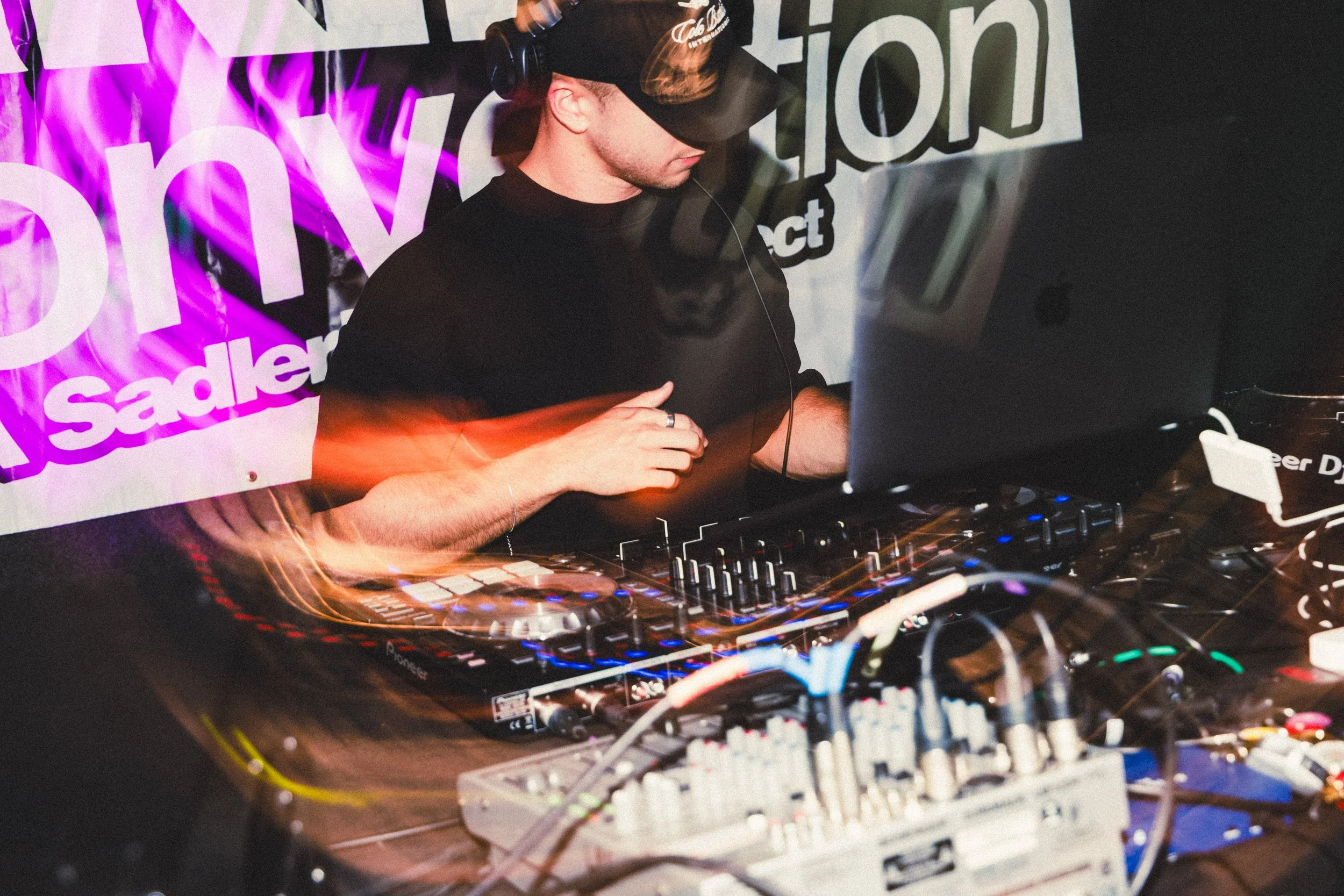
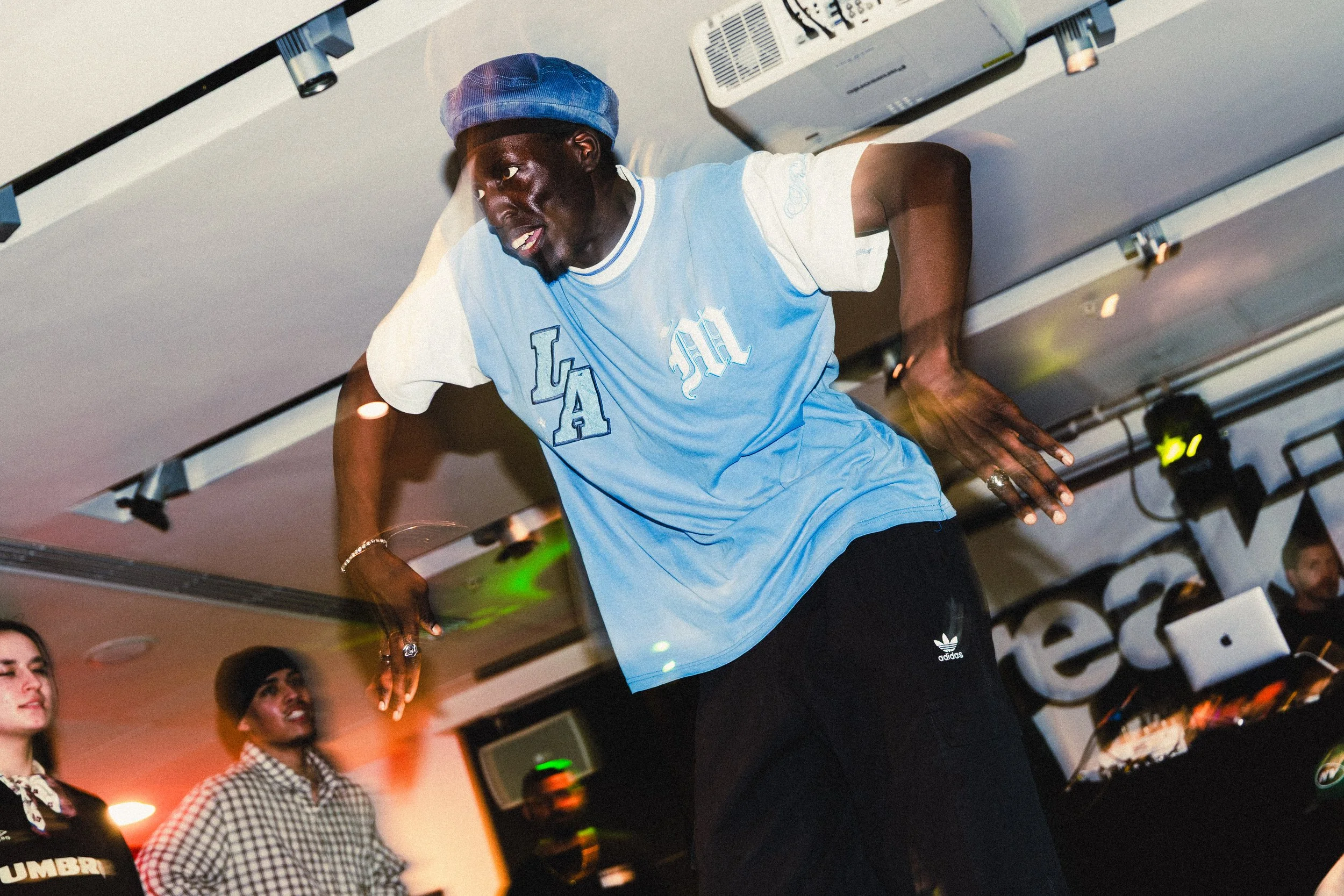
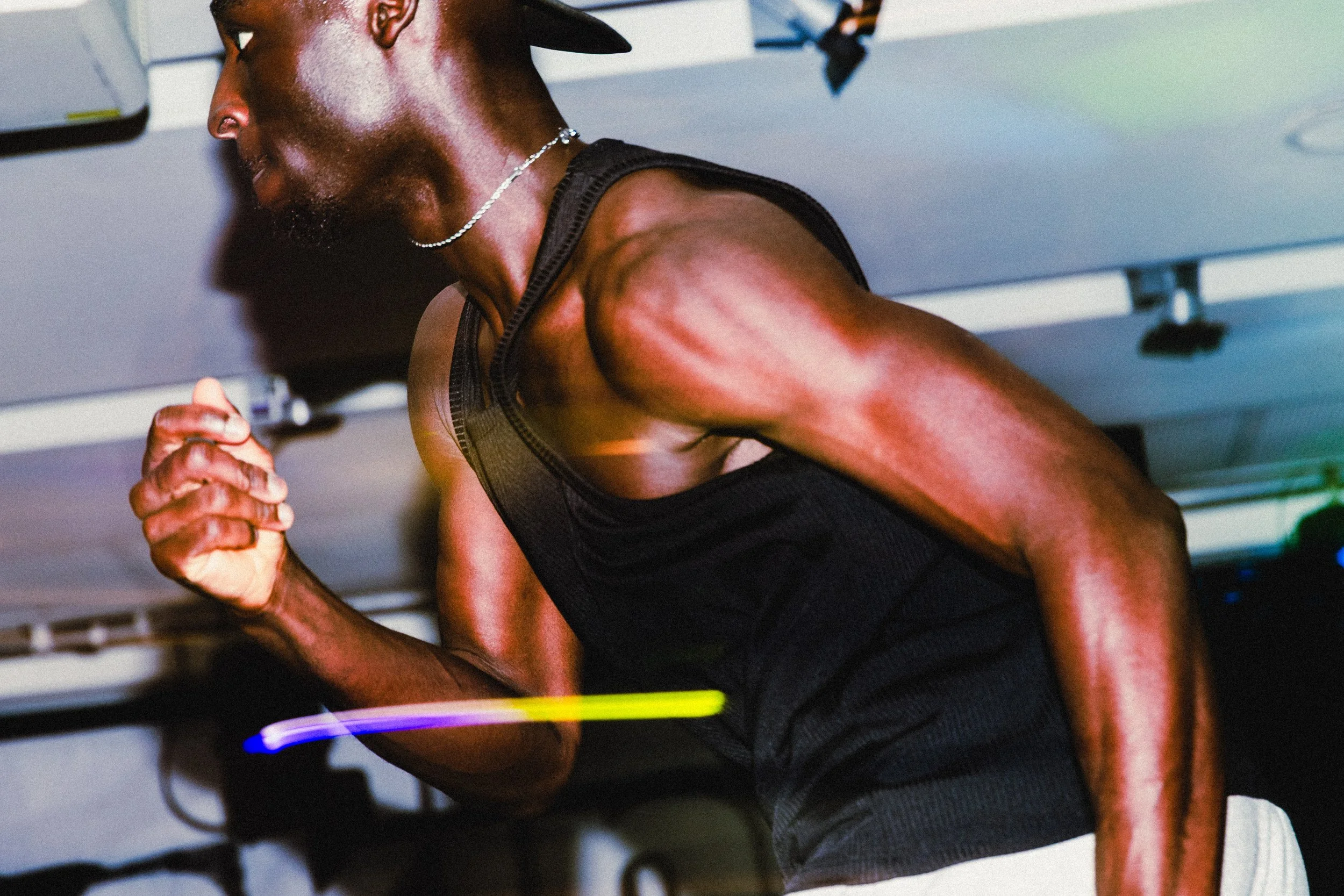
But, alongside these playful touches to the building, a heavier tone emerged during Breakin’ Convention this year. Friday’s theme, Friction, was felt across the programme as the performances during opening night addressed genocide, racial discrimination, hostile political climates, and the complexities of living in your body during all of this.
Considering Hip Hop’s late 20th century origins, and the violence currently marking global politics, these themes felt necessary. Hip Hop began as a site of creative and social freedom for Black and Latino youth in the face of rising neoliberalism and racist polarisation. It was more than just a fleeting dance and, instead, became a dynamic counterculture. Hip Hop resisted. Many of the performances at Breakin’ Convention this year felt like an honouring of these roots as they continued to position dance and movement as a political actor.
Emma Houston opened Friday’s show with a performance called Where is the Line? Blending dance, stand-up comedy, and layered music (shout out to the looping pedal), there was a comfortability and easy humour in their performance. Where is the Line? was produced through BirdGang’s HATCHWORK Programme and unmistakably embodied the residency’s experimental style. And, with references to restrictive gender categories alongside an, albeit brief, mention of the genocide in Palestine, the piece sought to push back.
Another piece in Friday’s programme that demonstrated this resistance was Joseph Toonga’s Born to Protest: The Reframe. This nearly 30-minute adaptation of Toonga’s original outdoor performance, Born to Protest, was a vulnerable exploration of being seen. The cast, now all women, each brought their own quality and (quite literally) their own voice to the stage, as Toonga’s choreography mixed with sound and dialogue to encourage a thoughtful, considered response.
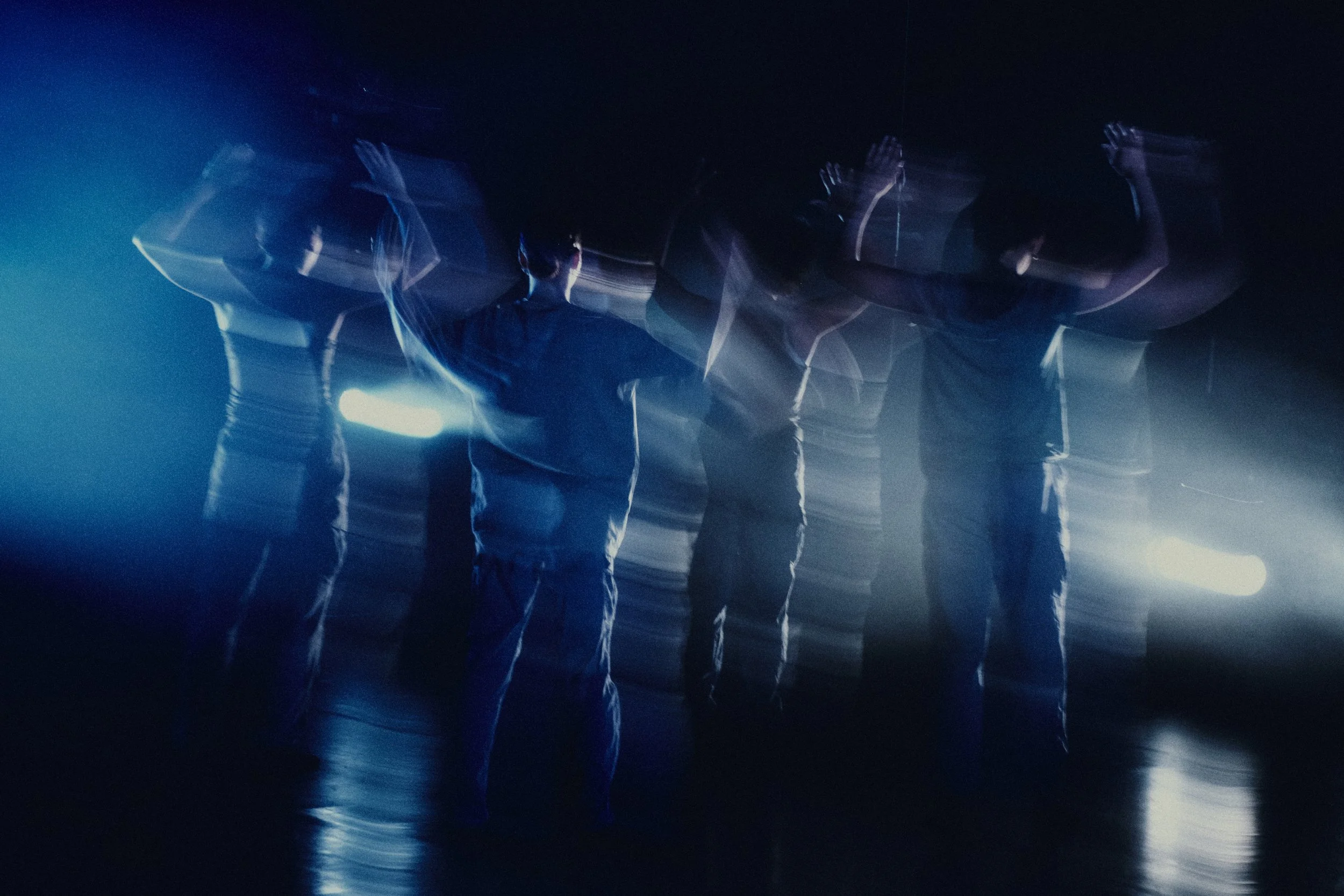
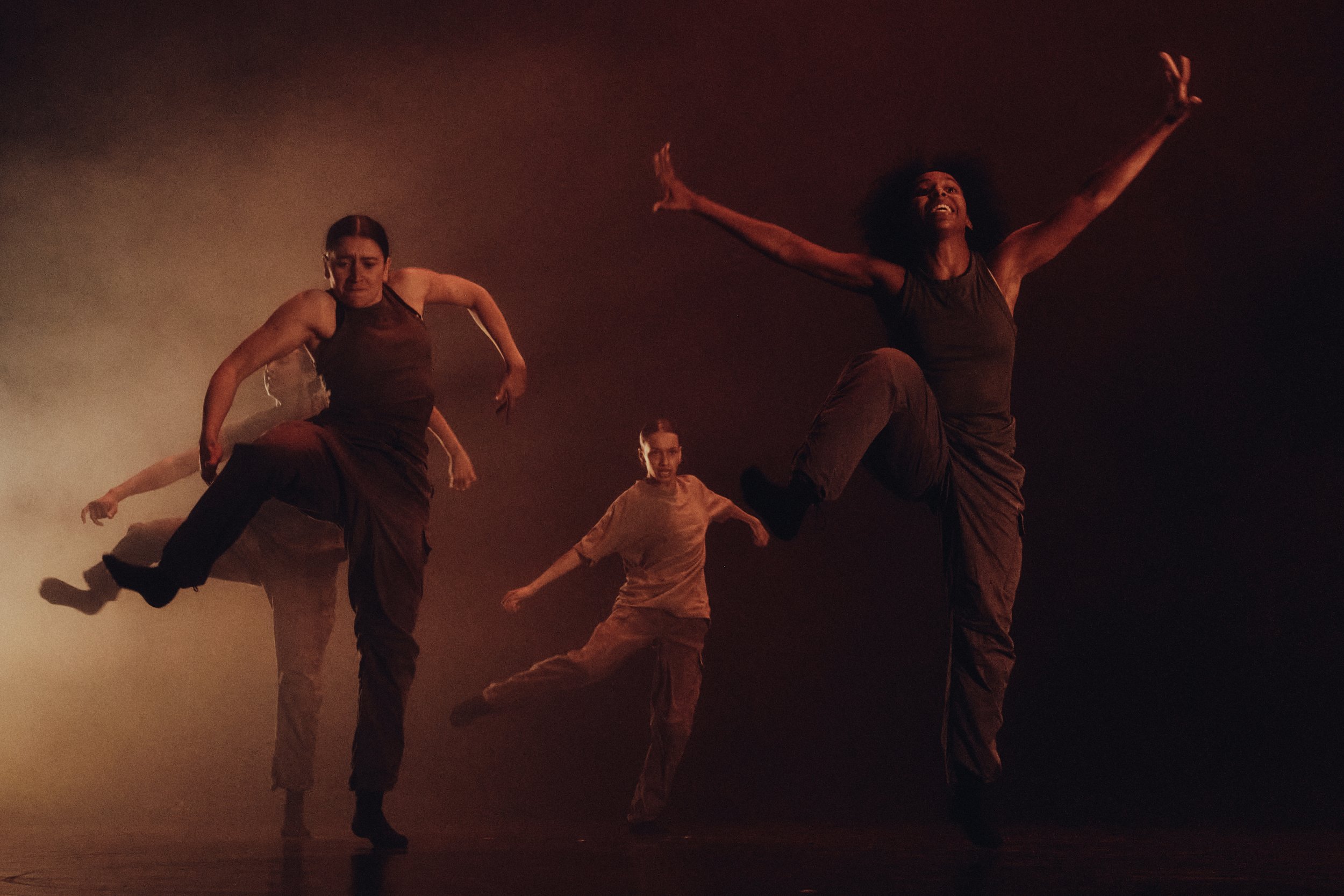
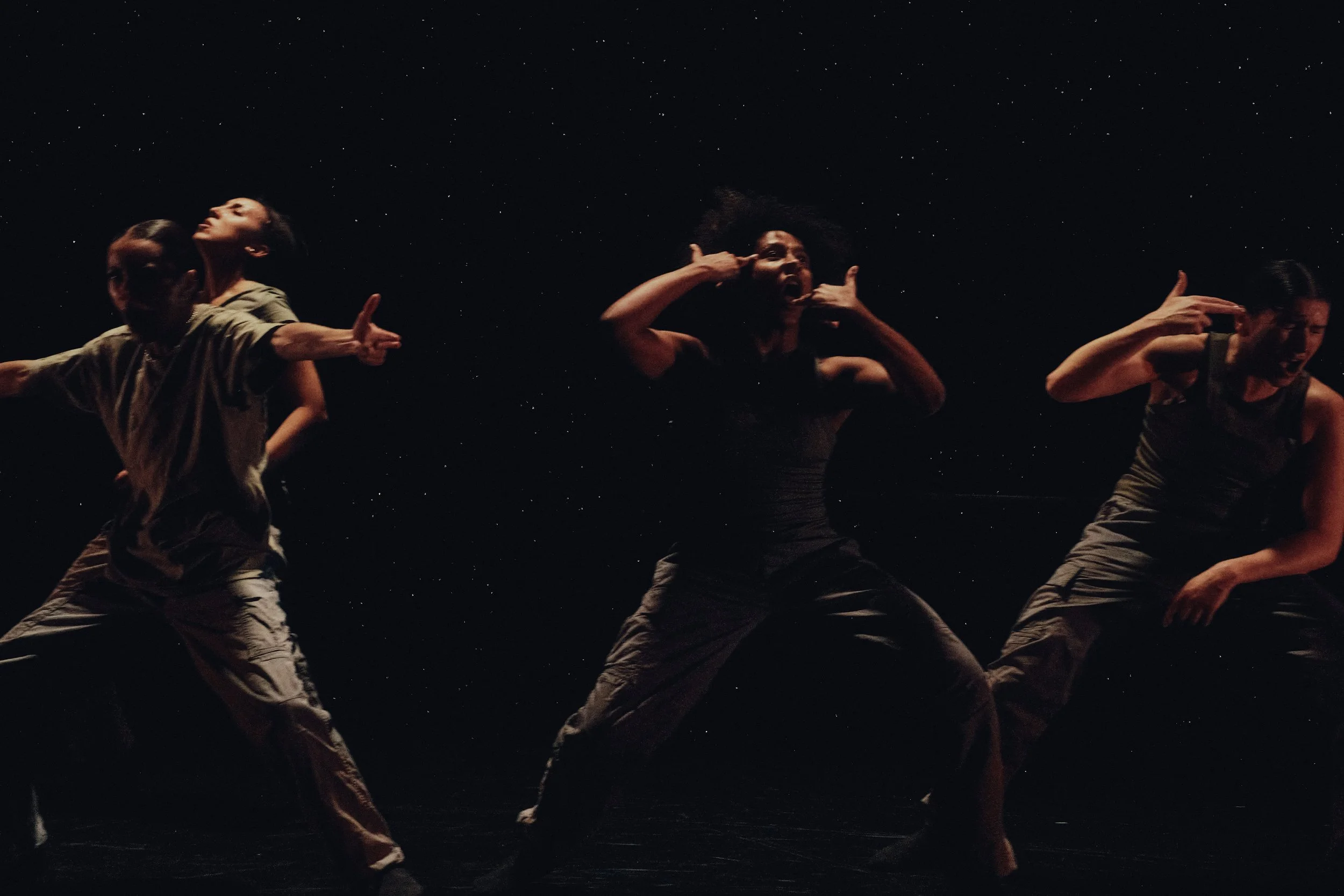
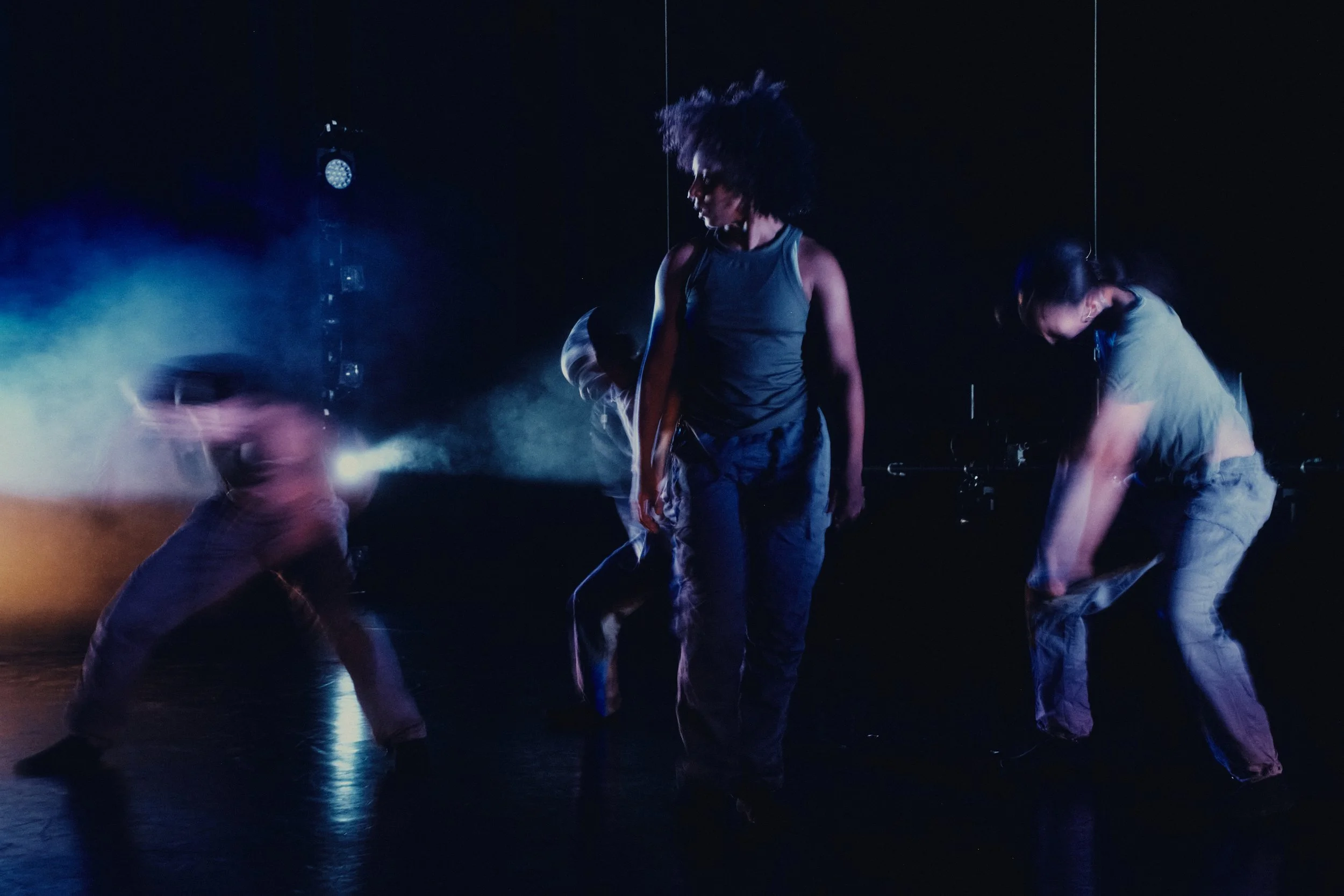
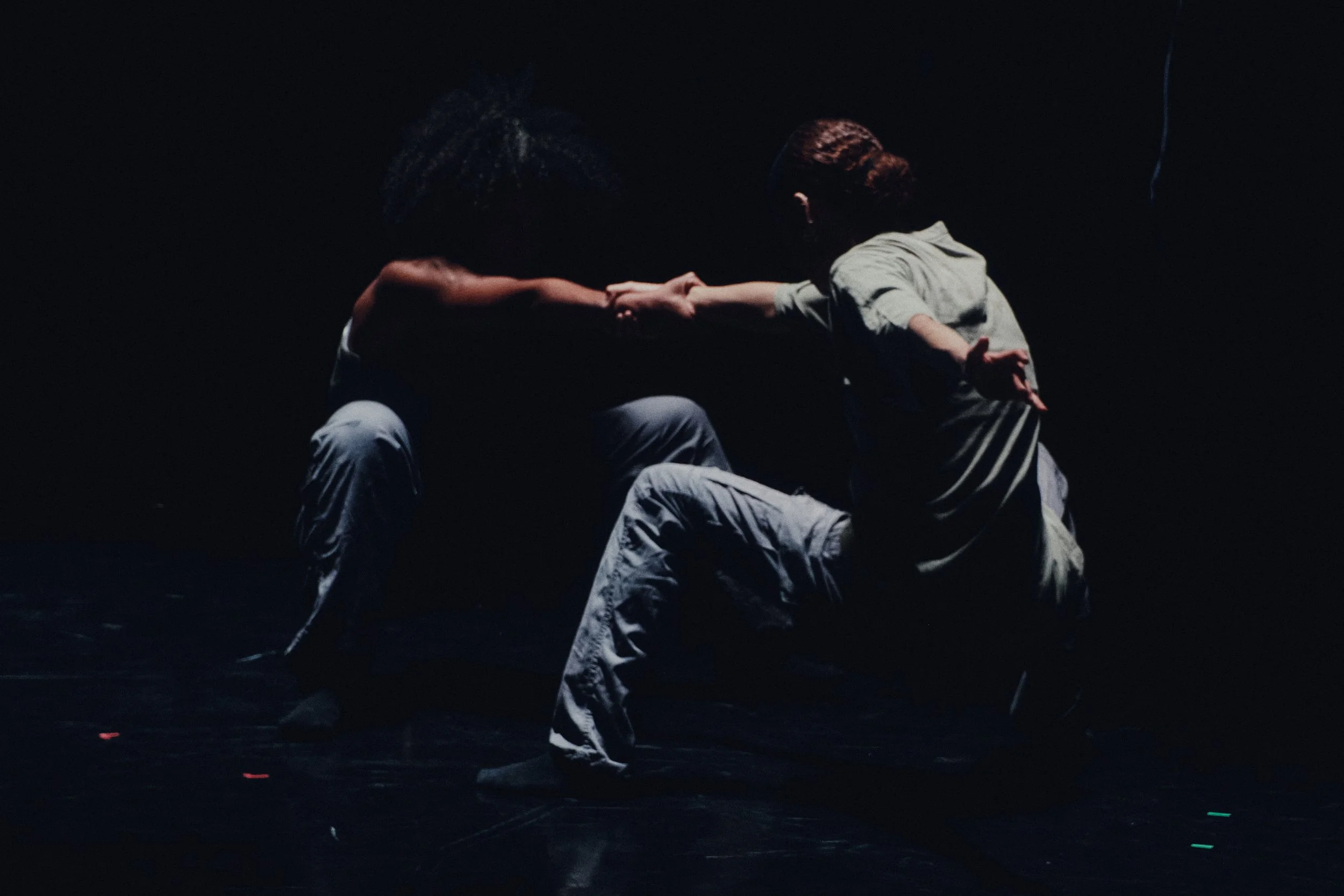
This year’s Breakin’ Convention felt like a genuine attempt to confront an increasingly threatening political landscape, using the stage it has at one of London’s most prominent dance theatres. The performances were impassioned and, at times, intense, but powerfully reflected the choreographers’ and dancers’ investments in inspiring change.
And these weightier reflections were balanced over the weekend by an enduring sense of hopeful optimism. My personal favourite performance was from ILL-Abilities, a stunning duet that used breaking to reimagine the limits of the human body. The performance was inspired by kintsugi, the Japanese artistic tradition that repairs broken ceramics with gold and silver, and demonstrated how dance can resist the boundaries often placed on our bodies through athletic control and raw creativity.
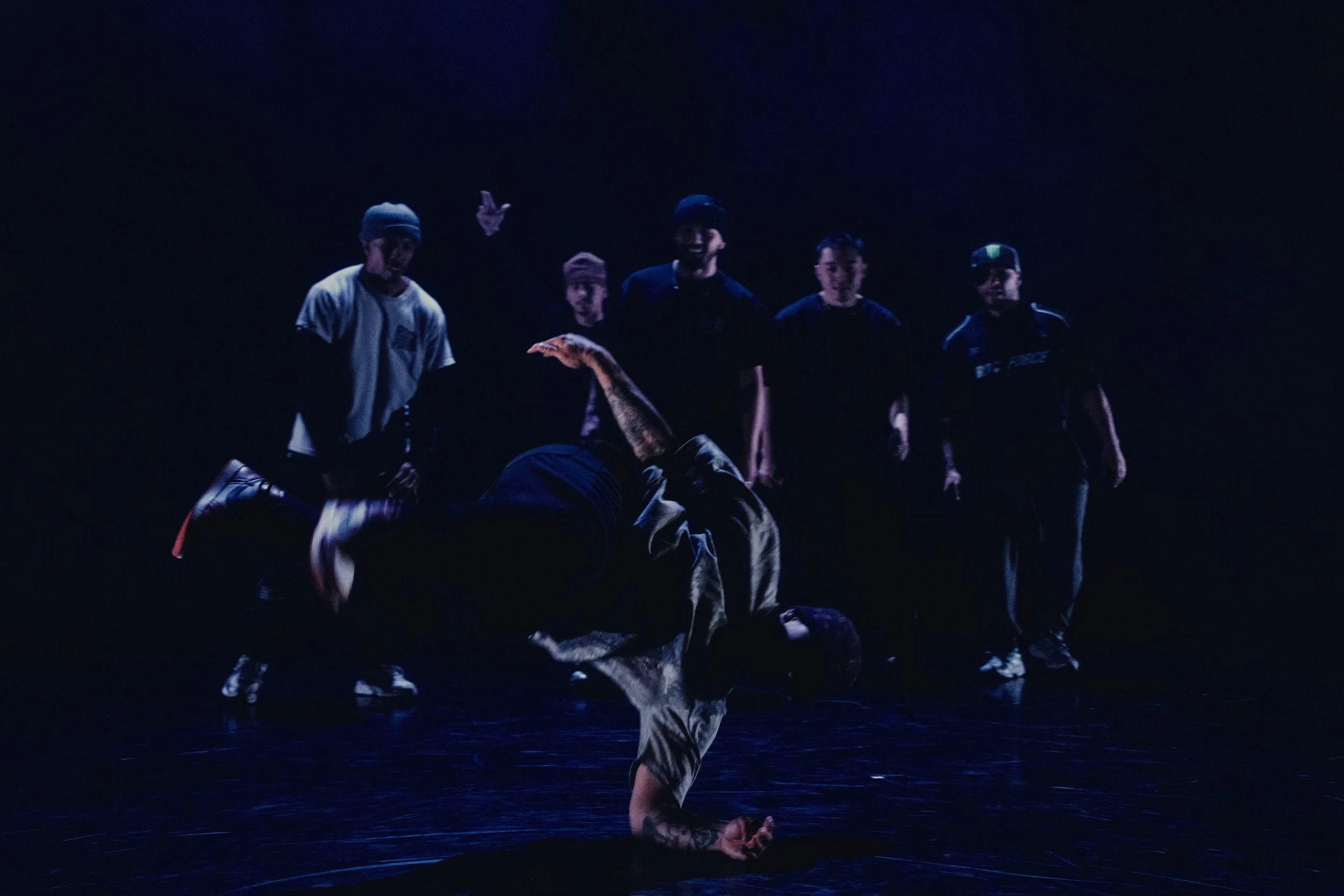
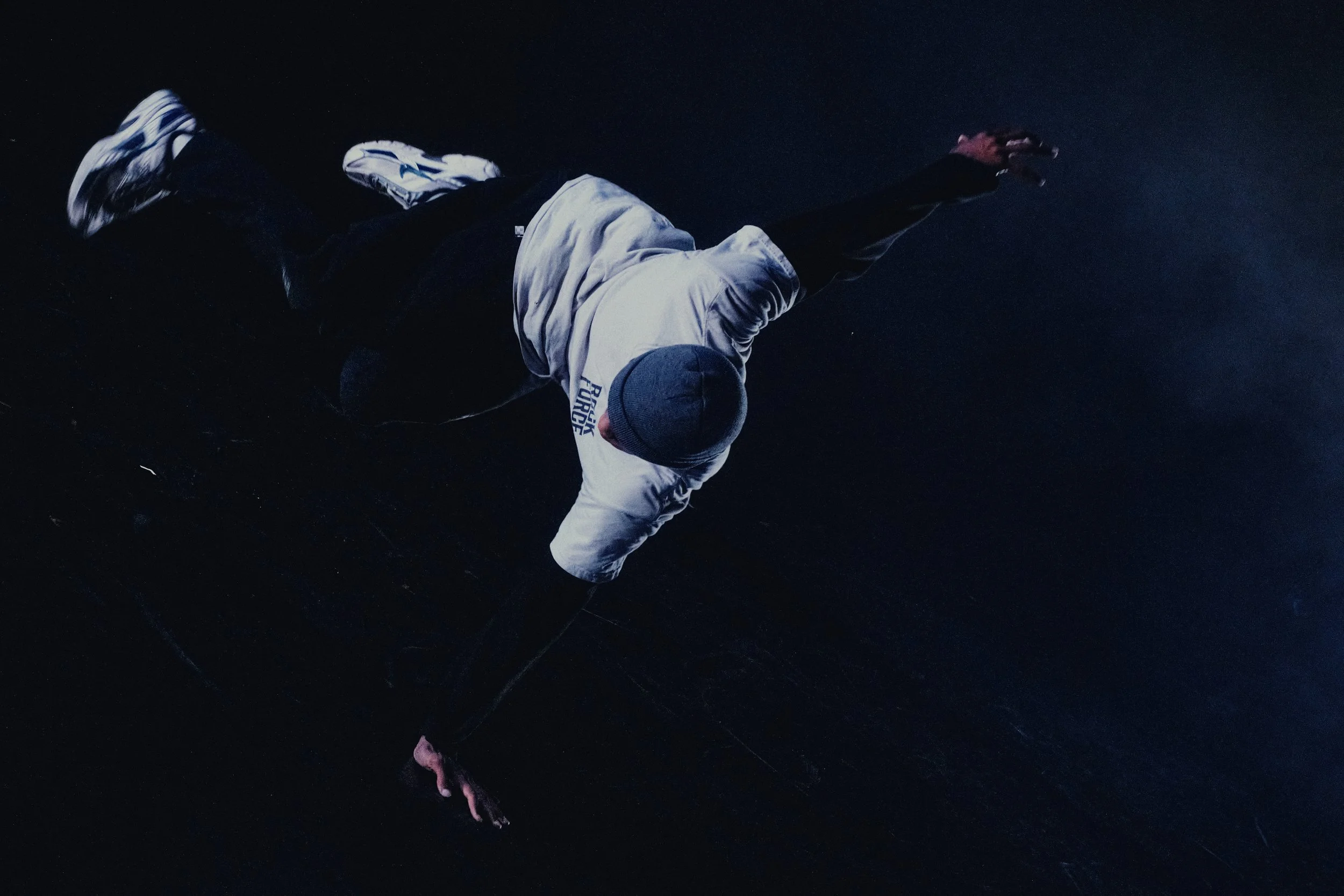
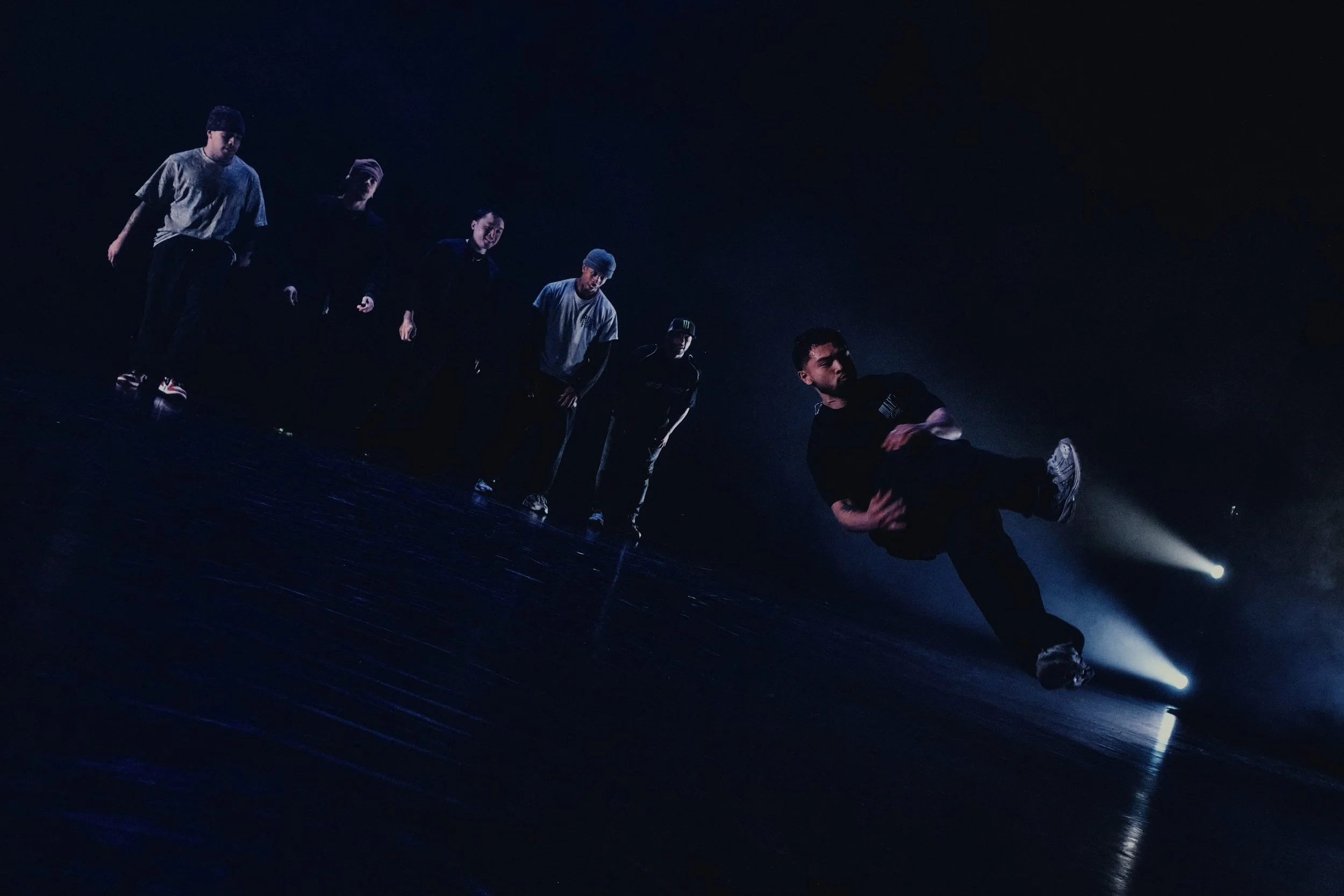
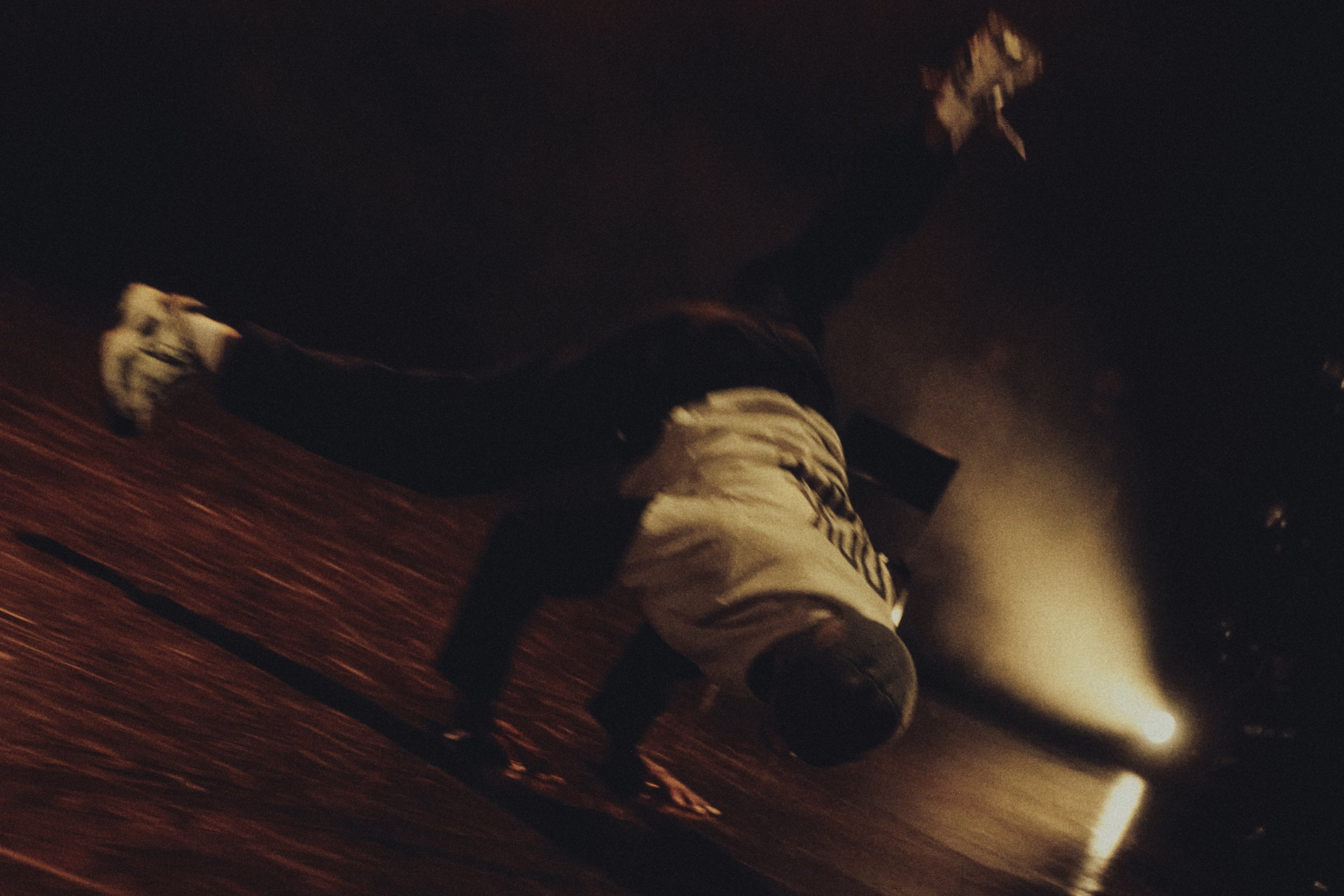
Rock Force Crew also brought a high-energy piece as snippets of Kendrick Lamar’s tv off were woven into their soundtrack. The West-Coast based group fittingly began their performance with The Star-Spangled Banner before breaking out into the top rock. Their piece, We Are One, highlighted the group’s diverse backgrounds and brought an upbeat cohesion to all three days of Breakin’ Convention.
This sense of togetherness was evidently important to the event’s founder, curator, and host, Jonzi D. His remarks between each performance were filled with calls for support and solidarity and his programme selections emphasised an interest in human relationships. For example, Compagnia Bellanda performed an intertwined duet about the circularity of relationship dynamics. Ekleido presented a reflection on collective feminine empowerment.
Jonzi’s programme thoughtfully considered how art inspires unity, and what art’s function should be for those it unites. Commentary? Entertainment? Personal exploration? Breakin’ Convention 2026 included pieces that were all of these things and, personally, I loved this mix. It reminded me that art doesn’t need to take a single position. It can be political commentary and entertainment. A process of self-reflection. A protest. Or something else entirely.
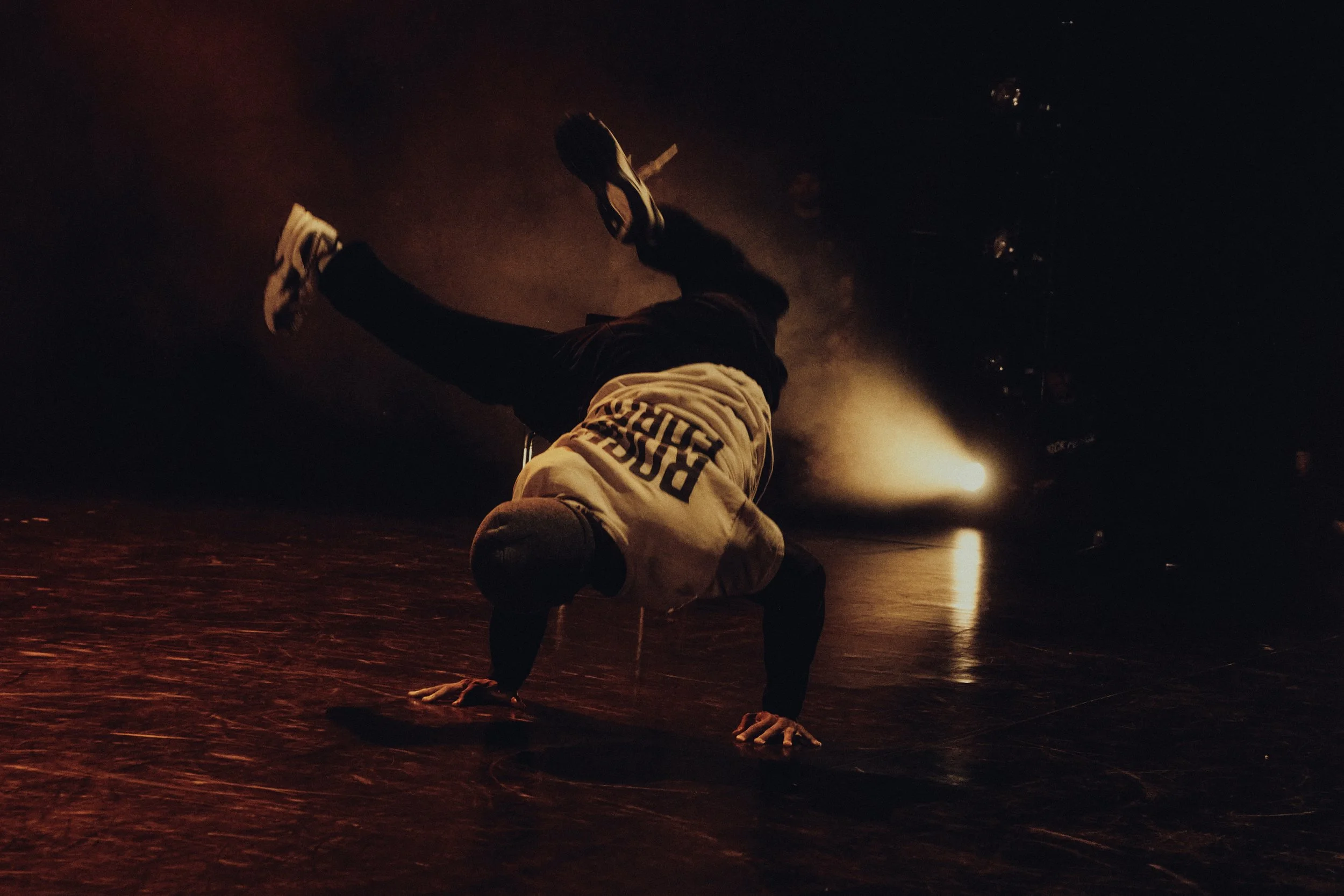
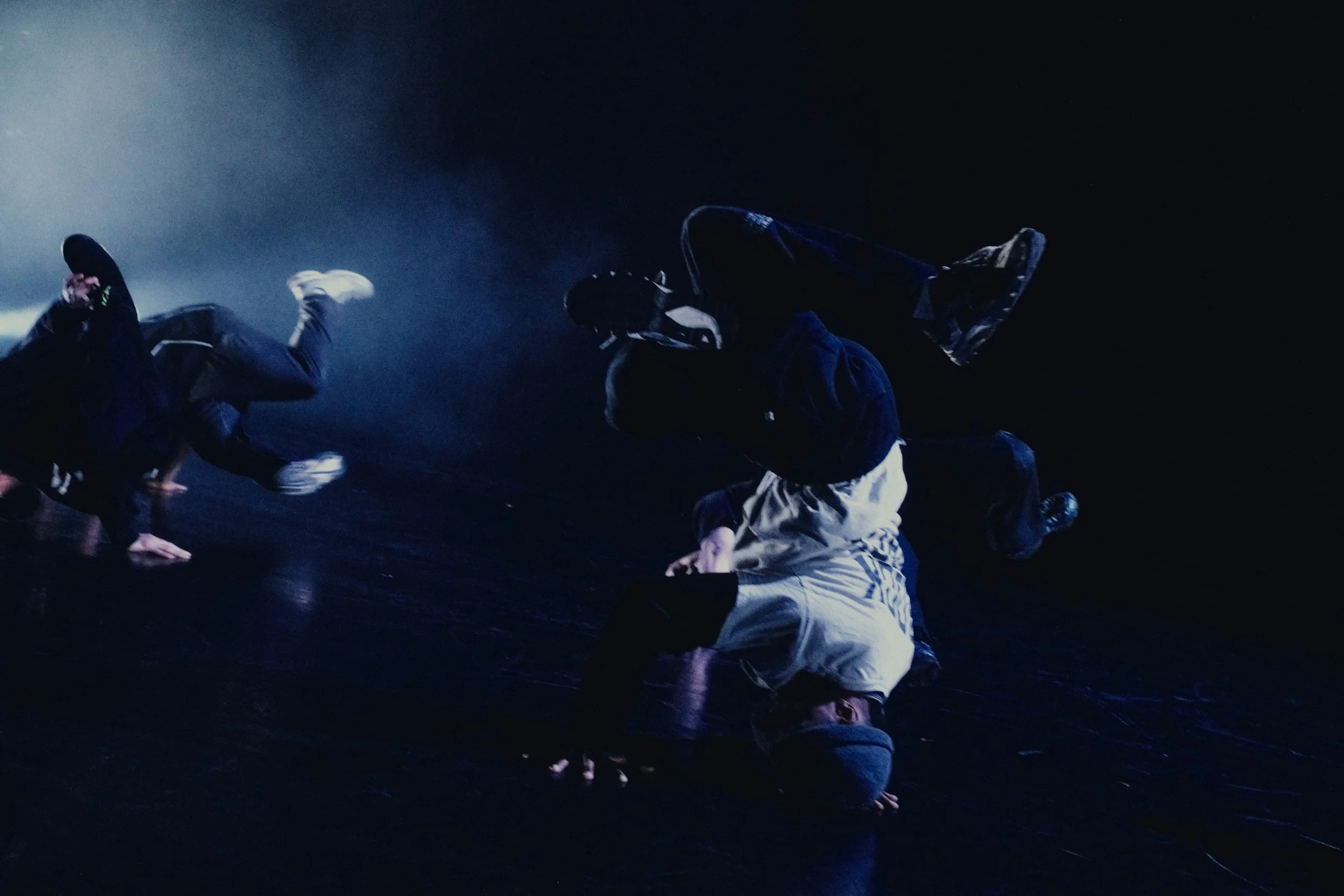
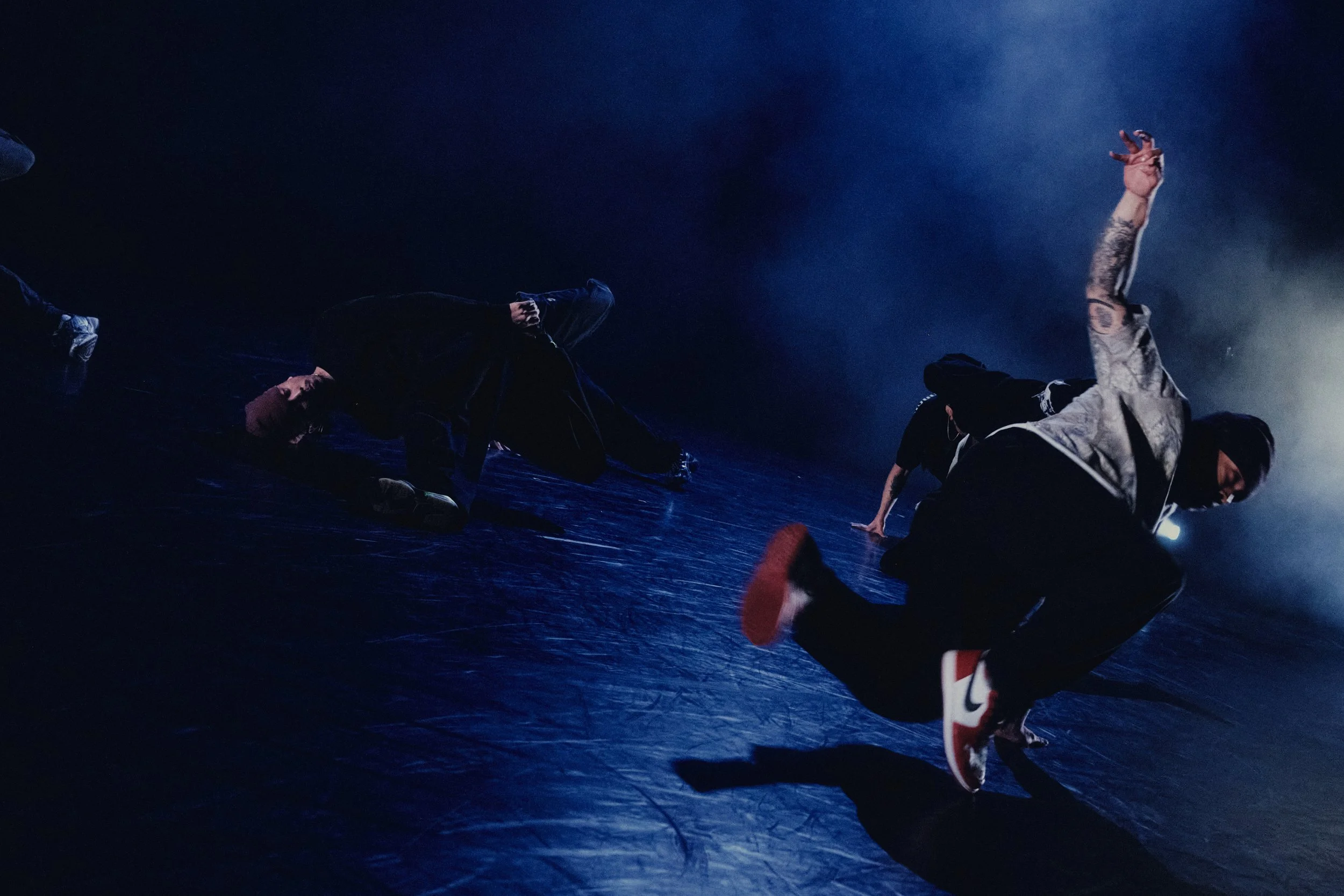
The beauty in Breakin’ Convention this year was that it celebrated such diverse approaches to performance. In doing this, it demonstrated that there is always space to challenge the status quo… to break convention (credit to Jonzi for this one). By mixing the more familiar group numbers with avant-garde pieces that questioned the limits of both social commentary and dance itself, the weekend united these divergent works into a single event.
And, amidst its varied programme, Breakin’ Convention 2026 took a clear position: on the importance of this unity in inspiring social change. Returning to Hip Hop’s countercultural roots, Breakin’ Convention established an engaged community and revealed the powerful, dynamic body of people who were joined together through a shared love of dance. As Jonzi reminded the audience at the end of Saturday’s show, “we are one people and Hip Hop proves that all the time”.