“Because We Can” — Boy Blue kick off their 25th year celebrations
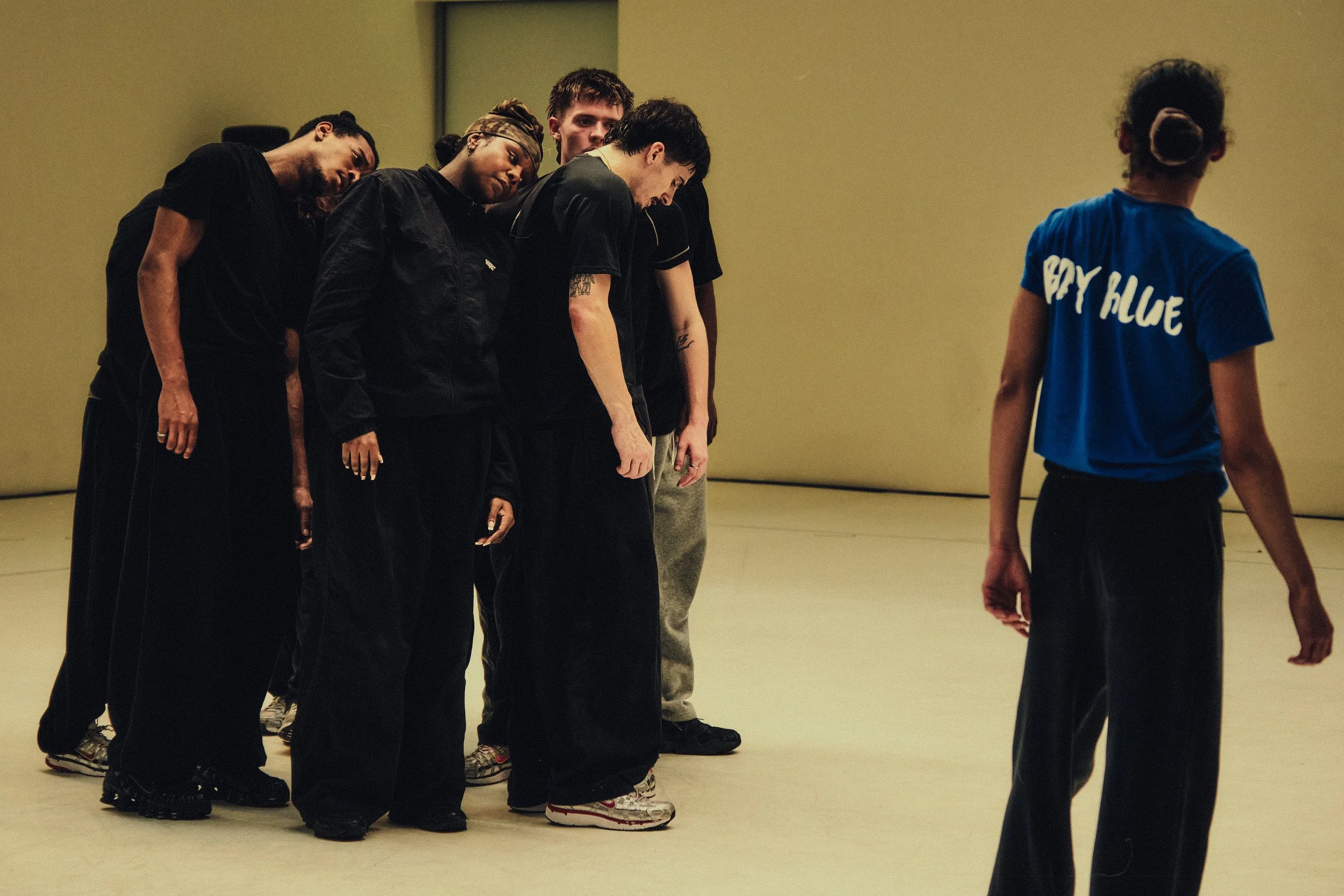
Words KARLY BENSON // Images SHOKIRIE CLARKE & ELIZABETH QUEK // Motion ELIZABETH QUEK
“To do something that is local, national, international with your pal — that is not normal.”
And yet, that’s exactly what Kenrick "H2O" Sandy and Michael "Mikey J" Asante have done. Their friendship, just as it did 25 years ago, echoes in every corner of Boy Blue.
Every so often, you meet two people who just get each other. Who laugh at the same jokes, reference the same music, and move with the same hunger, always looking ahead. When Kenrick and Mikey started Boy Blue in 2001, they may not have known exactly where they were going, but they knew that it mattered. "I was taller back then," Mikey joked, remembering the first time he met Kenrick as kids growing up in East London. Decades later, so much has changed, although their jokes have stayed the same. They describe it as the seasoning of their friendship — one big belly laugh, every day.
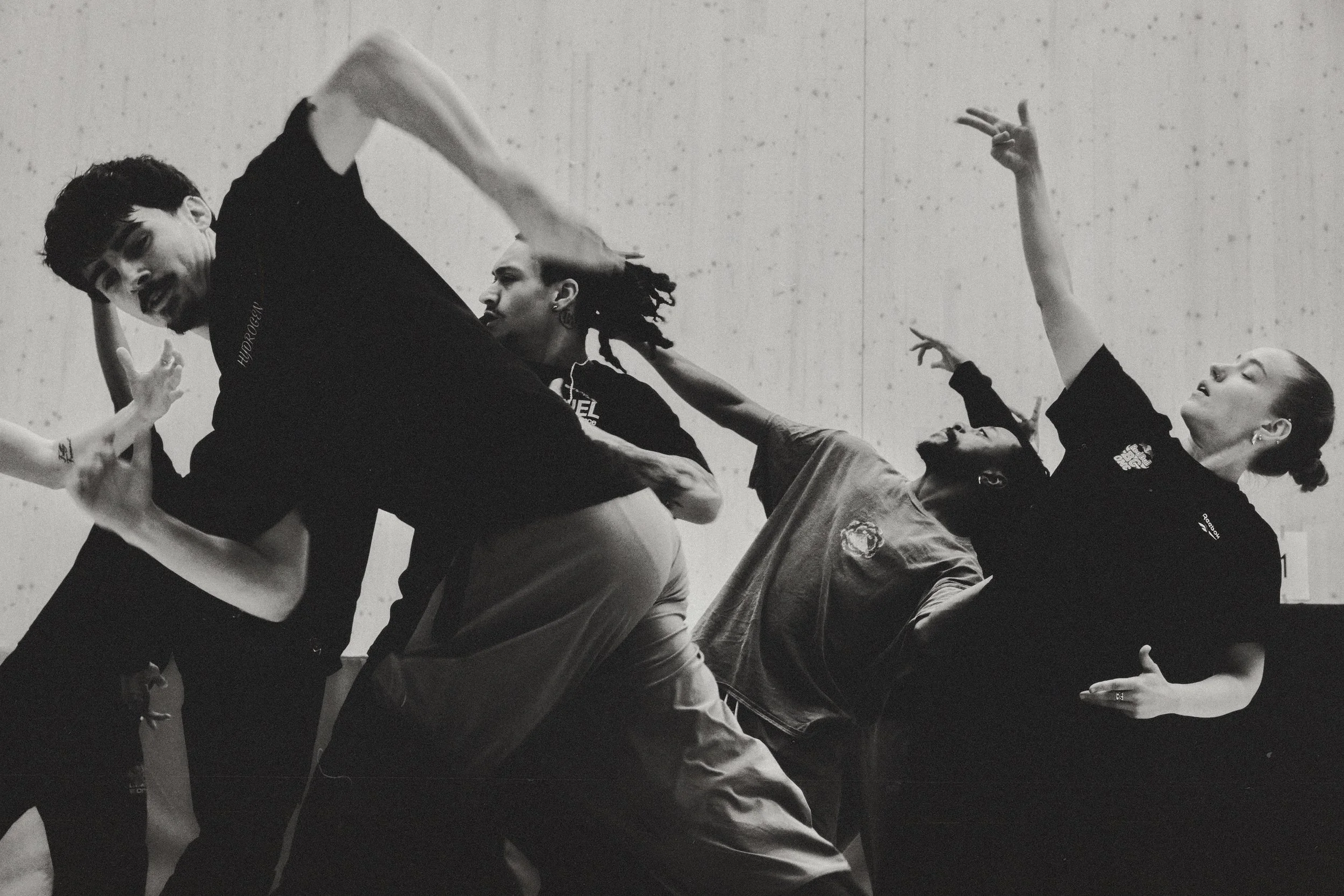
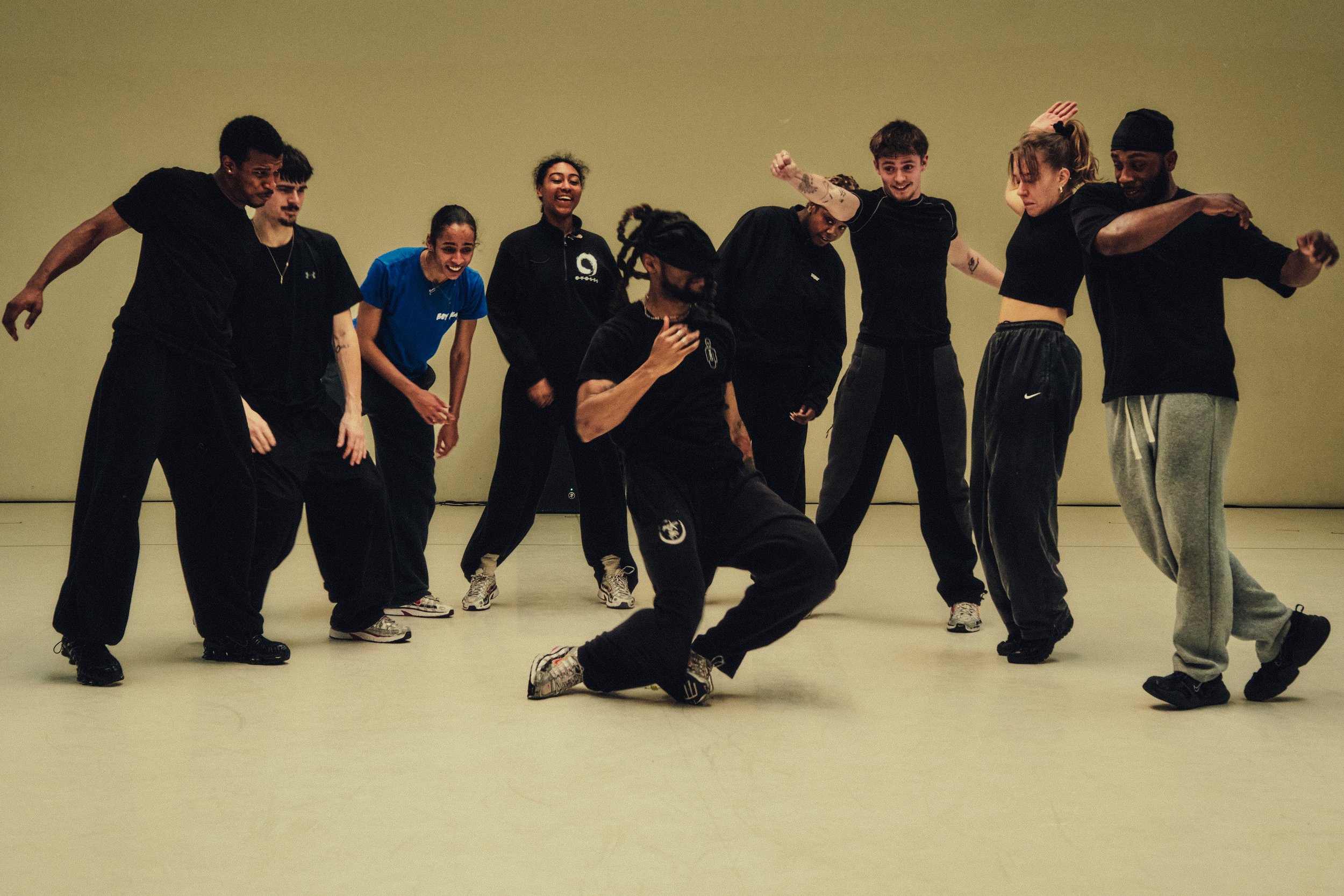
Over the past 25 years, Boy Blue has pushed the boundaries of what a hip hop company in the UK can be. There’s a groove to them, a musicality that is so singular — so undeniably Boy Blue. But, there’s also an energy that permeates beyond the stage and into the community. They’ve never forgotten who they are, taking their success home and relentlessly elevating everything it touches. Alongside Nathaniel Impraim-Jones, a 20-year member and Rehearsal Director, Ken and Mikey have created an environment that blends laughter with hunger, togetherness with tenacity. One minute the dancers are joking and freestyling, and the next they’re locked in, finding the groove, clarifying a hand, and running it, again.
No writing can truly capture their essence — how they laugh, or stumble to put a word to their passion. It's easy to list their accolades. But, the way that they honour their work and find music in everything; the way that they care for their community and never take a moment for granted, can really only be felt.
Reflecting on everything it took to get here, as the longest-standing hip hop company in the UK, it almost seemed like they hadn’t even realised it themselves. To mark the start of a year-long 25th anniversary celebration, kicking off with performances of Cycles and PROJECT rEVOLUTION on 11–12 April at the Roundhouse, MOVES caught up with Mikey, Kenrick, and Nathaniel, for a conversation filled with jokes, unexpected stories, and the kind of honesty that only comes from decades of friendship.
Edited by Elizabeth Quek
“Every day there’s a big belly laugh. It’s not often that you find someone who’s so symbiotic with you.”
— Mikey J
What were the first 5 years of Boy Blue like?
MIKEY: It was just fun. Friendship. At the same time it was hunger for dance. Those first five years were organic, natural, opportunity-led. People were dancing at a particular show or club and we would just join. Just go and do it.
KENRICK: There was a lot of investigating. Finding our feet and understanding the purpose. Yes it was fun, yes, it was joy, but there was responsibility and purpose. People wanted to dance, so we would cater for it. Even in the early years there was still structure, planning, a want for excellence. A lot of growing up. And a lot of jokes. It kind of became an untold rule, that you just have to laugh each day. I think that’s one of the seasonings of our friendship.
MIKEY: It was some of the best times. Every day there’s a big belly laugh. It’s not often that you find someone who’s so symbiotic with you. Ken would become obsessive about something and I had that same hunger from the music side. That hunger just kept things fresh — for knowledge, understanding, and progression.
Now, 25 years later, what is one thing about Boy Blue that you’ve had to change or adapt to, and what is one thing that has stayed exactly the same?
KENRICK: What’s stayed the same is that me and Mikey still exist. The cohort of dancers have changed over the years. We have alumni that are still around, but a lot of dancers have moved onto other things. The scene has changed a lot. With every generation there’s a different energy.
MIKEY: Staying the same, the best way I can describe it is there’s a gutty energy. Our bounce has always stayed locked into that raw essence. It permeates everything. What I would say is different — I think the intentionality. We’re making sure that the environment, conditions, and spaces are better for the dancer and the practitioner. We’re advocating more in that way. We’ve seen the dancers’ world get better.
“These things are just our tools. He’s sharpened the knife that cuts for dance and I’ve sharpened the knife that cuts for music.”
— Mikey J
Dance and music have always been inseparable in Boy Blue’s work. How do they develop alongside one another?
KENRICK: When I reflect a lot about it, it’s definitely music led. We have the ideas. We have the intentions. But, for me, I would say 80-90% is music led because of what the music is telling me as a choreographer. I find myself being more of a responsive person. Music really sets the tone, sets the benchmark of what is needed.
MIKEY: A lot of the time, I know what I want to feel or see, so I’m making it known and constraining Ken. But sometimes, it’s just “this is a banger.” These things are just our tools. He’s sharpened the knife that cuts for dance and I’ve sharpened the knife that cuts for music. These are just how we write our version of that paragraph to the story.
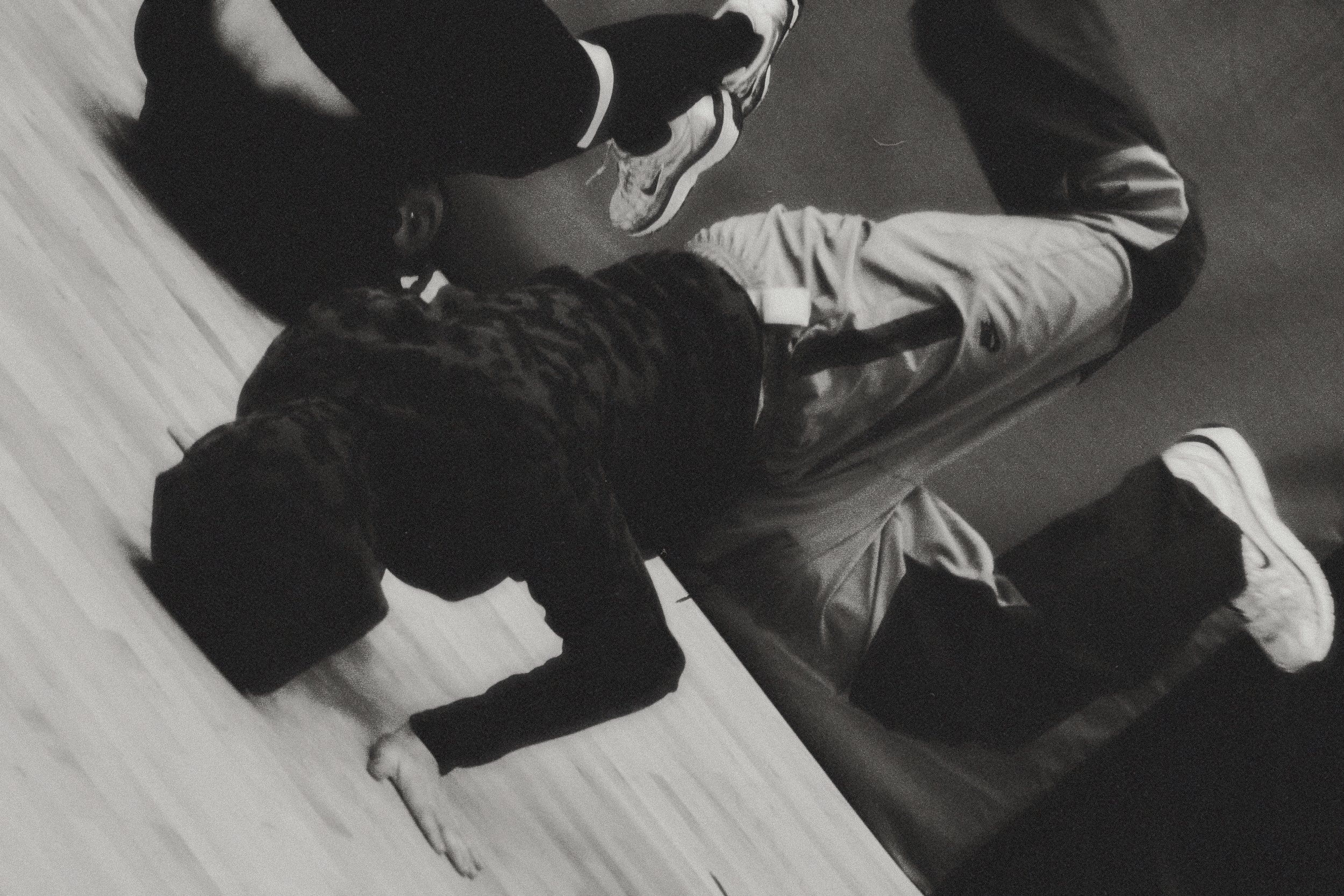
“I’m glad that we’ve made something that can sit in UK culture, but we don’t want to bank on what we did. We want to bank on what we could potentially make.”
— Mikey J
Given that one of you comes from a music background and the other from choreography, have you ever had moments of conflict in the creative process?
MIKEY: As a musician, you have to have thick skin. I definitely learned that early on —sending Ken tracks and him never using them. But that happens. Once it transmutes through that lens of Ken, or whoever we’re working with, it shifts. I know I’ve challenged positioning or energy in your choreography….
KENRICK: I think one of the first ones was transitions. One time Mikey went “Ken, no more walking from one transition to another. It needs to be a groove or it needs to be a bounce.” I think for both of us, the point is that if it gets the job done, then run that.
MIKEY: And if it’s fire as well, run that.
KENRICK: If it’s good, run that. If it’s not good, let’s make it better. Even if we feel like it’s absolute crap, there’s still something that you can archive and come back to.
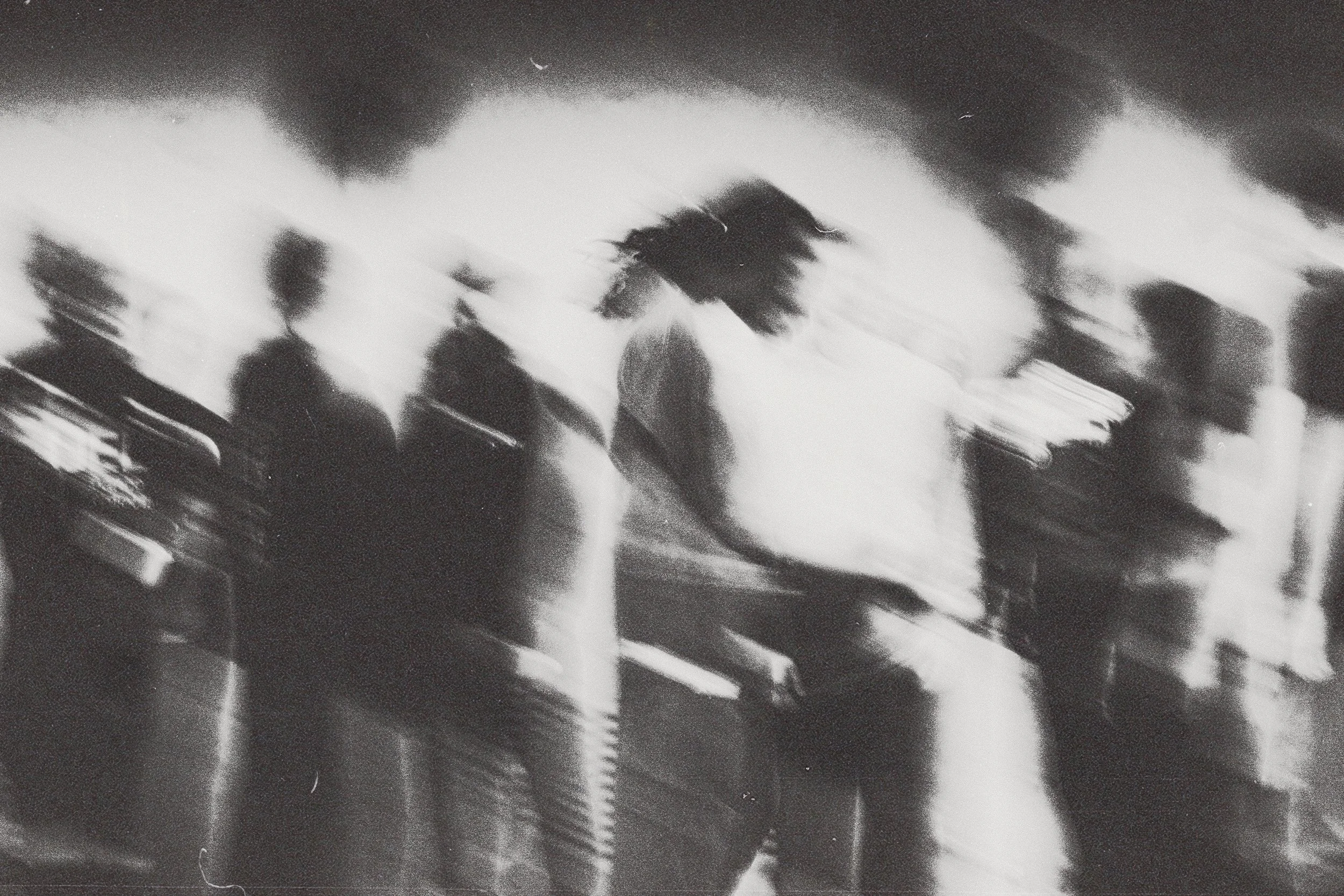
Can you describe what you mean by treating your archive like a library, not a Bible?
MIKEY: People tie their essence so directly to legacy. And hip hop has an energy that always says ‘fresh.’ You have to find a way to move forward. I’m glad that we’ve made something that can sit in UK culture, but we don’t want to bank on what we did. We want to bank on what we could potentially make.
KENRICK: There are certain things that we standardise from an education point of view, but when it comes to trying to say “this is the way” — no. There has to be some level of elevation in order for the craft to evolve.
MIKEY: That just feels like control. And hip hop was never built to control. To know that we could tell people ‘this is how you do it,’ it’s not right, unless you’re asking for the Montell Jordan track, This is How We Do It. That’s my job now, as an old man. I’m starting to find connections to tracks in my speaking.
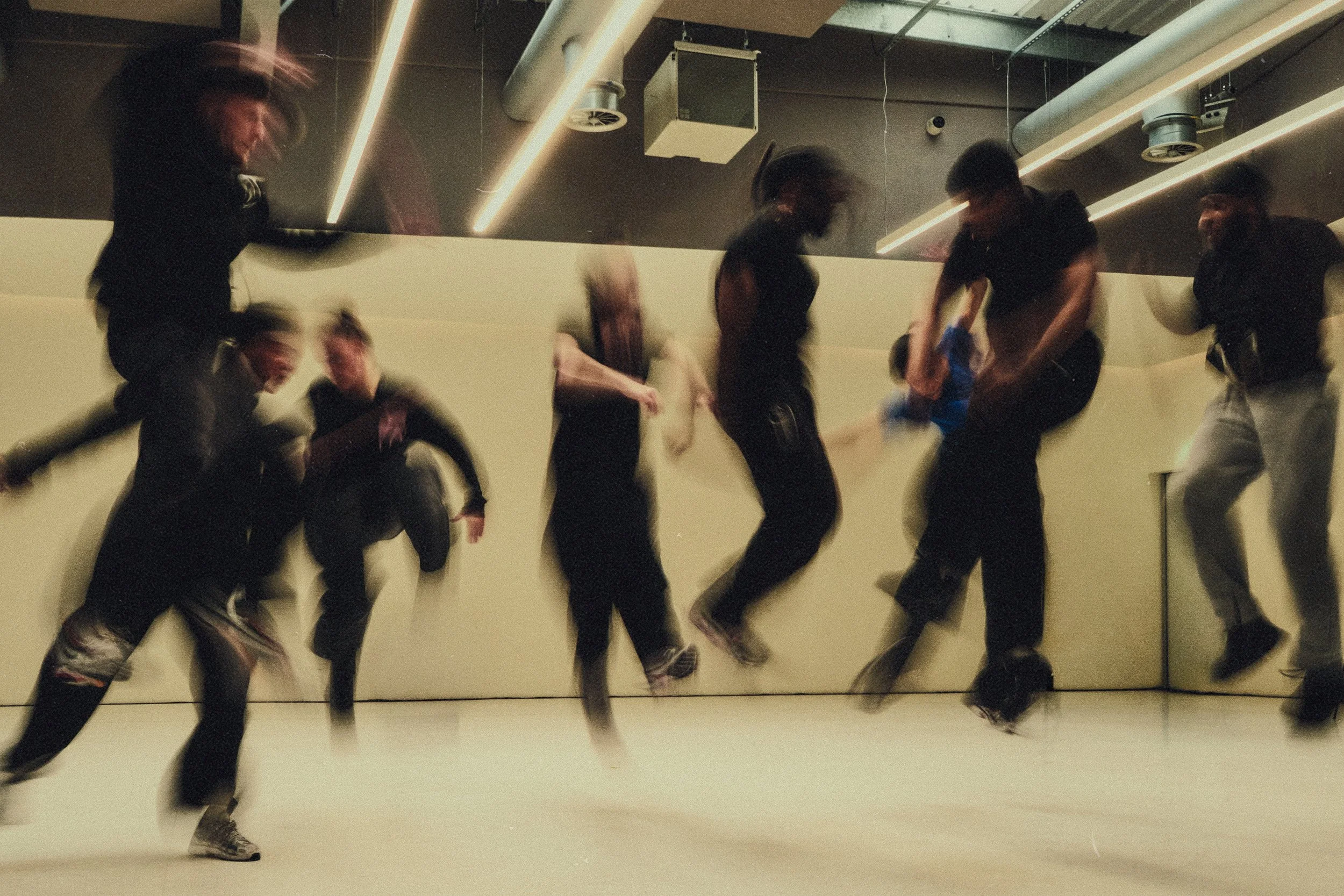
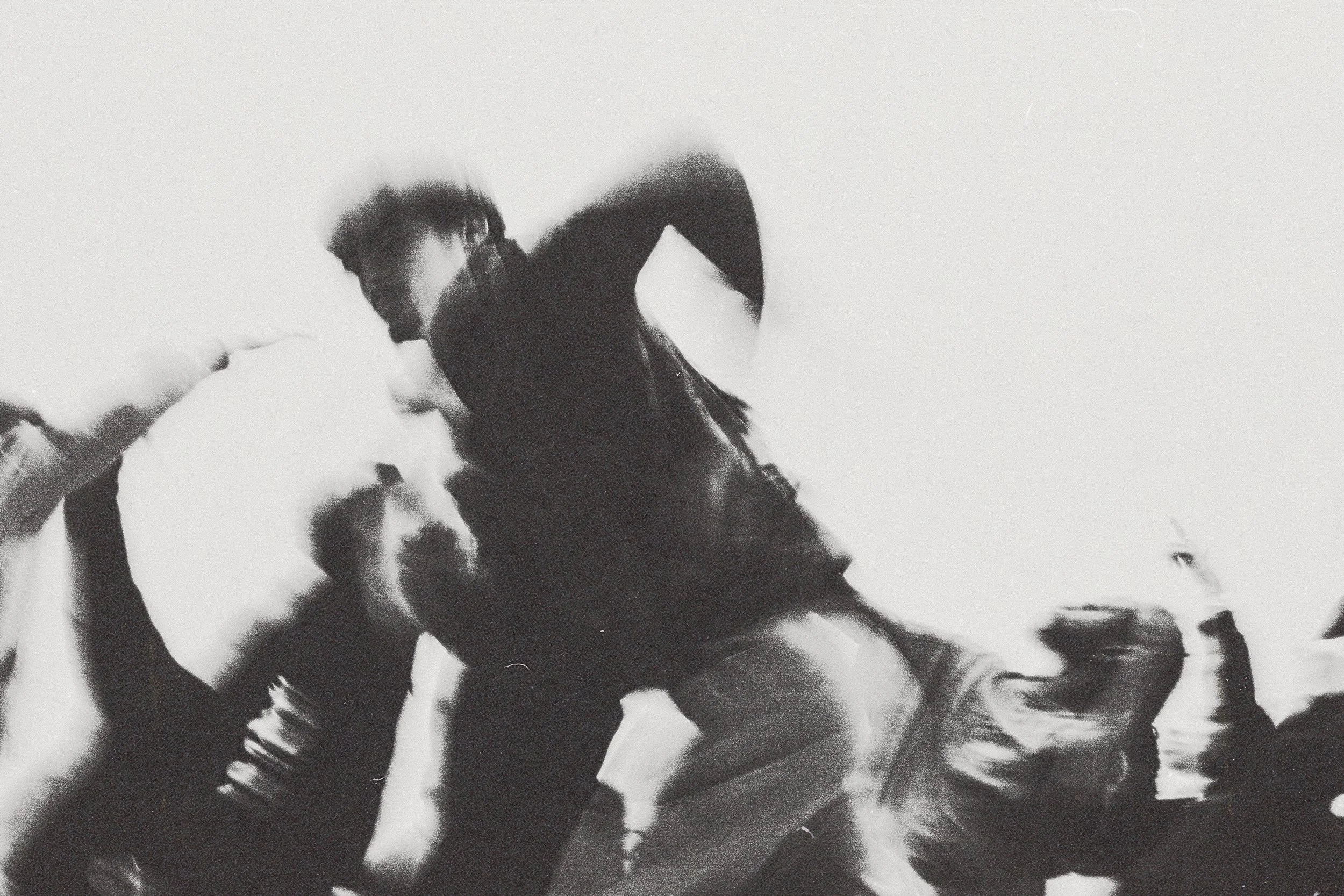
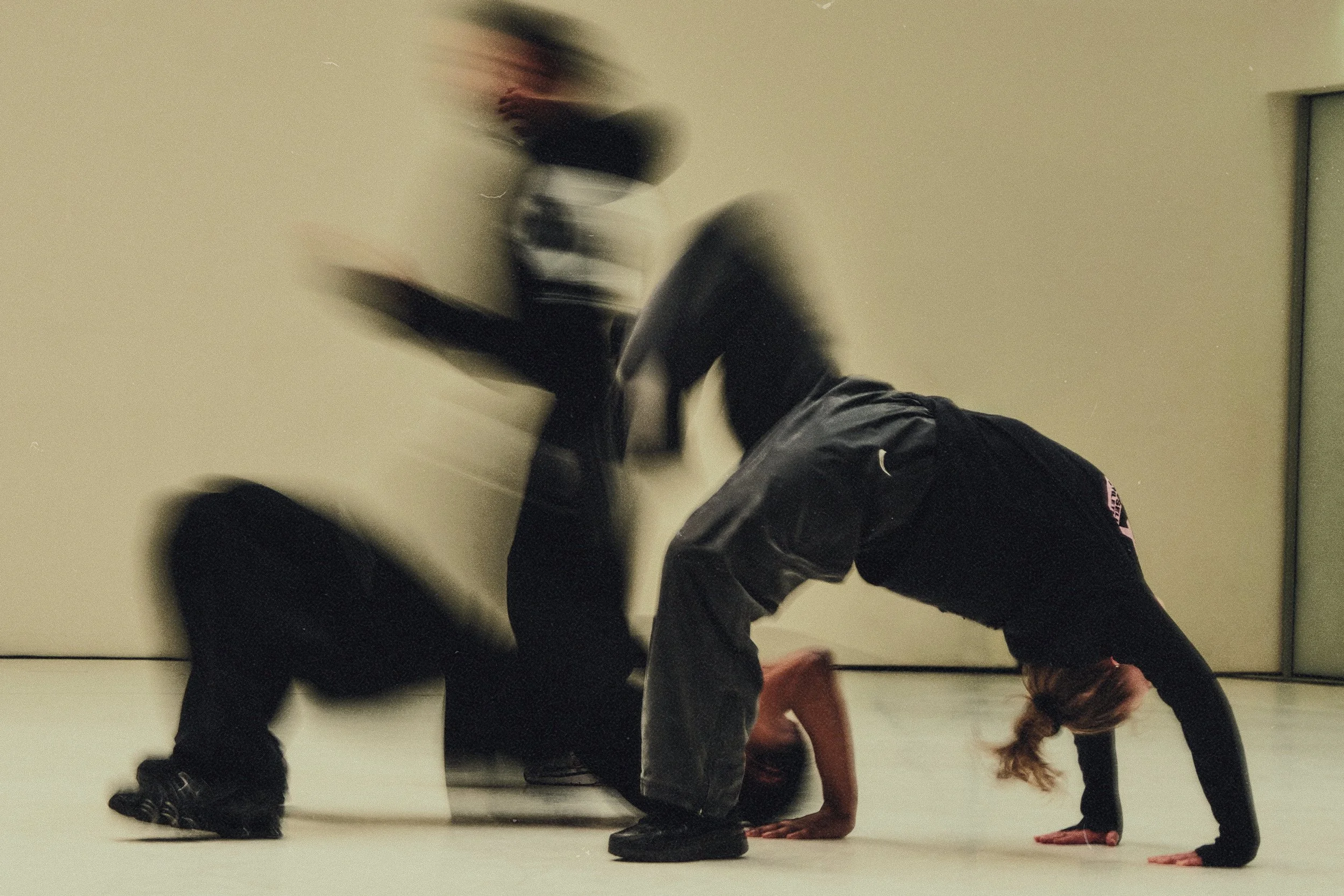
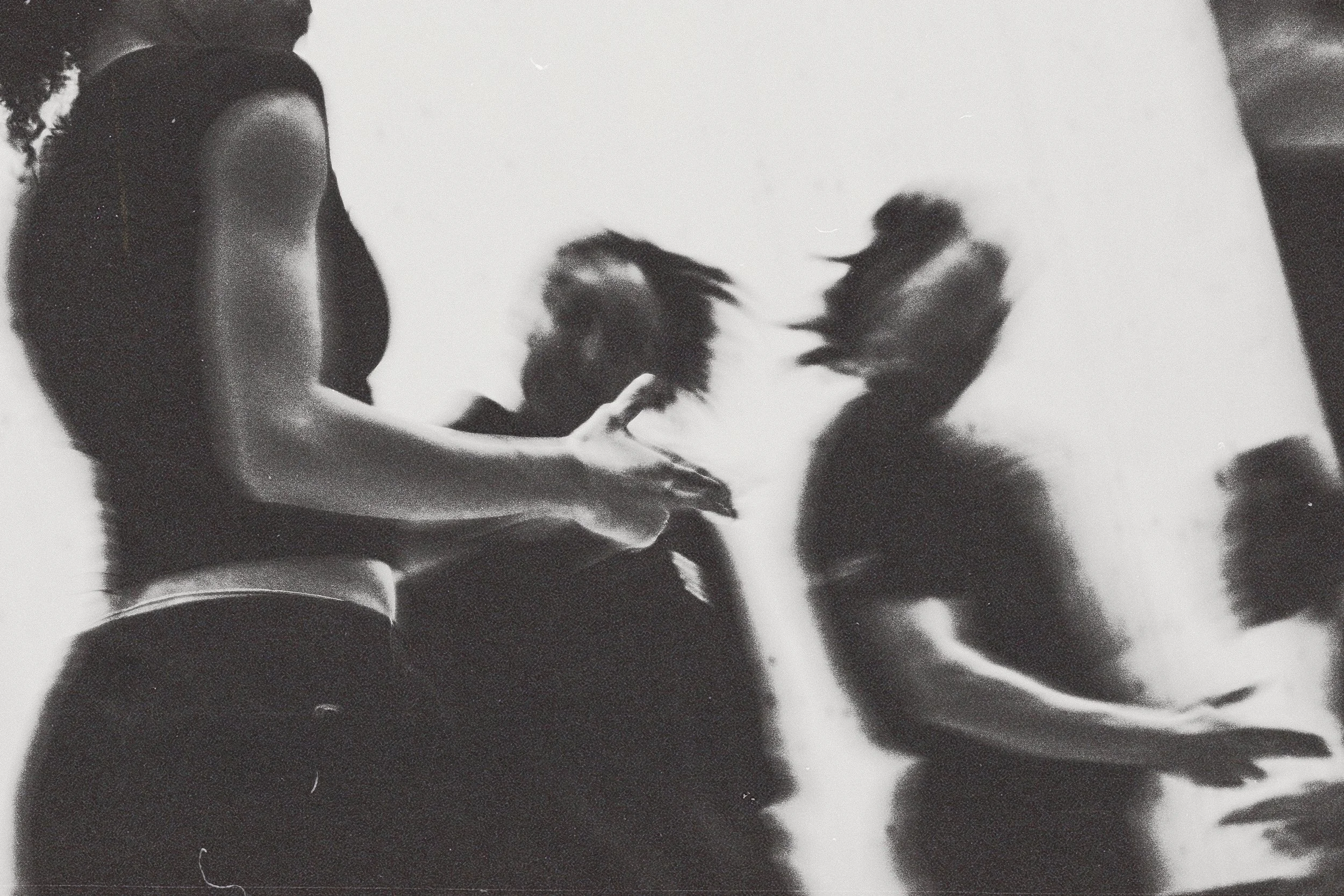
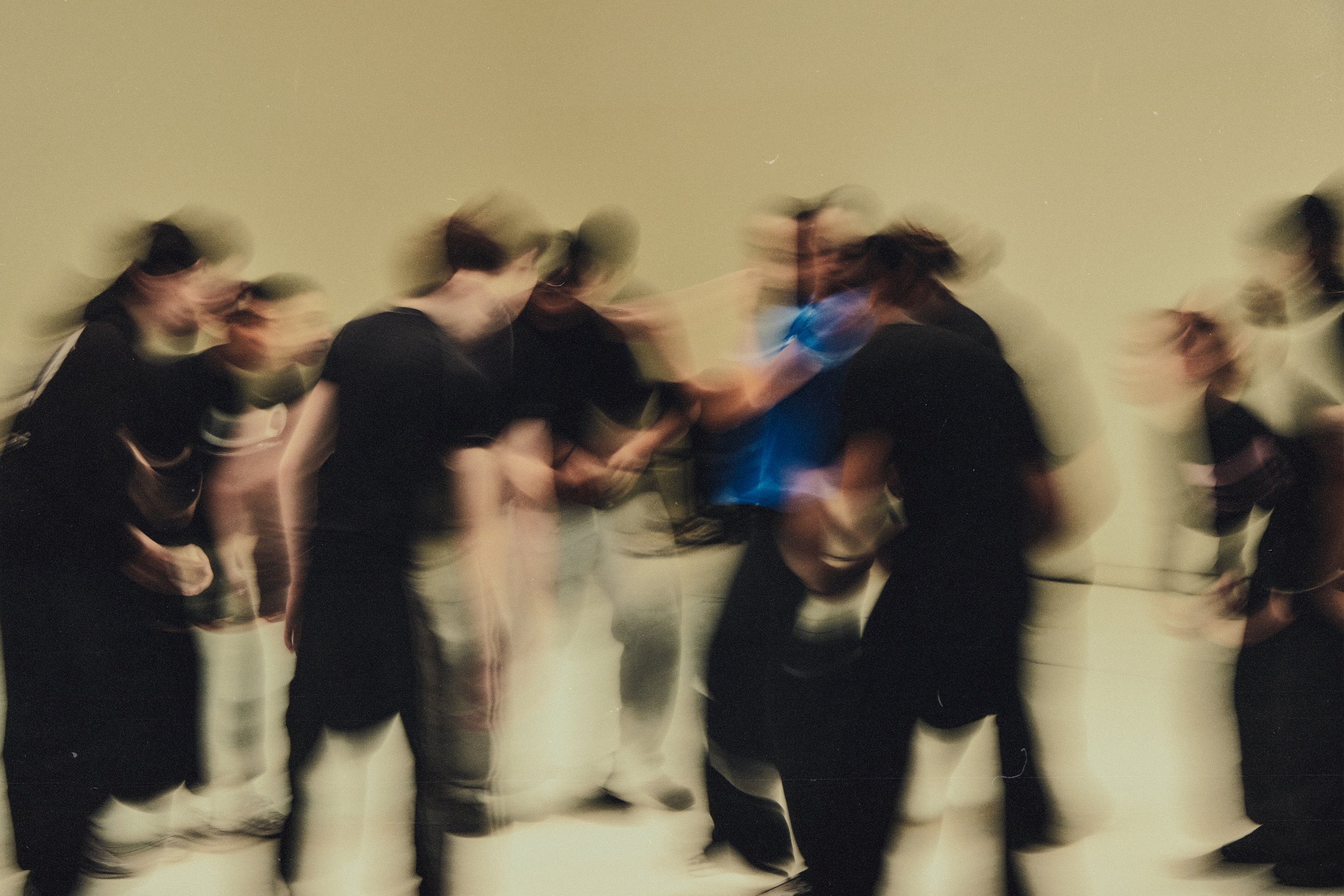
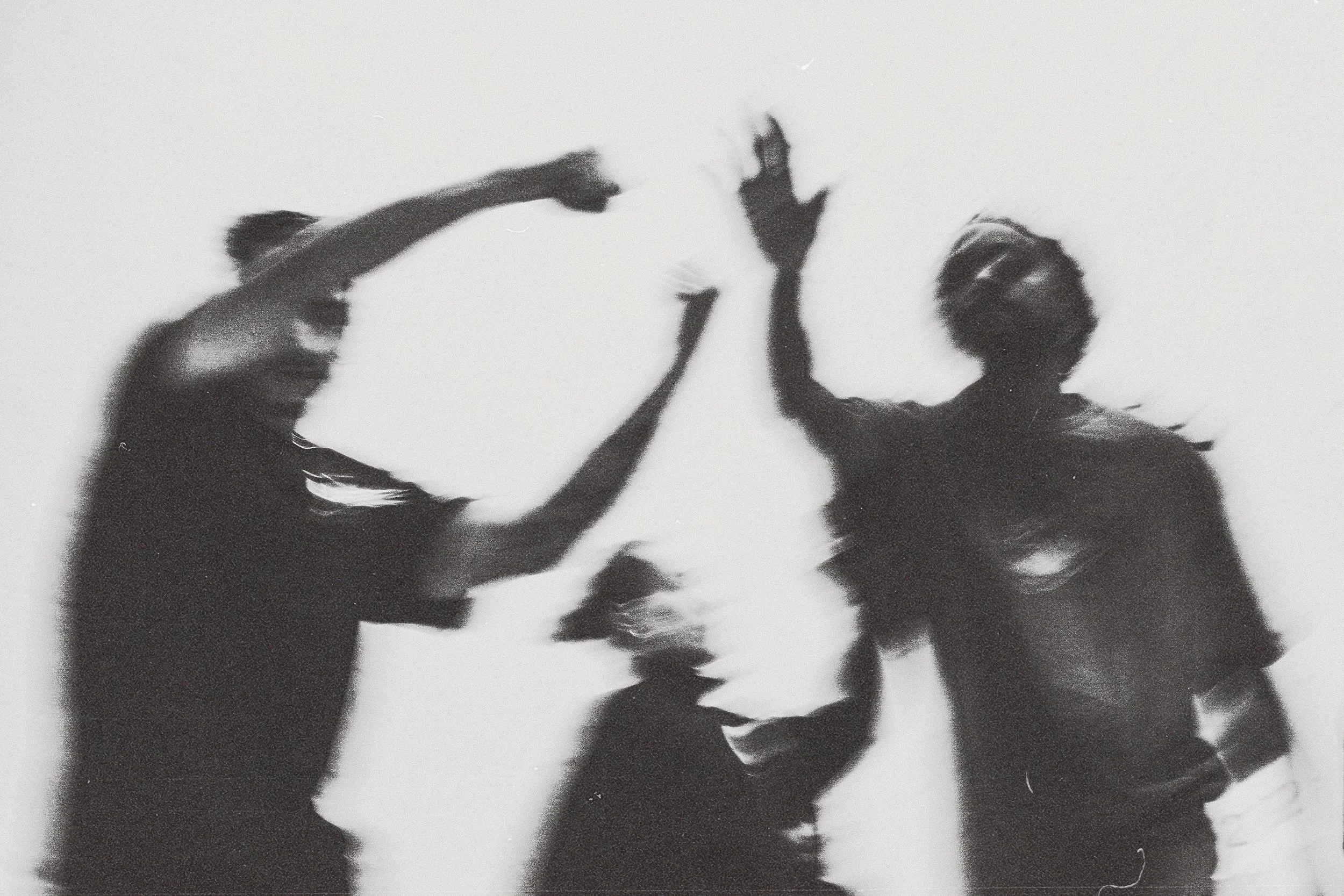
“The challenge is that you’re trying to teach something more about freedom and much more about a social point of view. A lot of times, when it comes to learning dance, you’re in social circumstances. You’re not going to class and going ‘this is how you do hip hop.”
— Kenrick Sandy
You said hip-hop isn’t just the ‘dry biscuit bop’ — it needs the butter, the jam, the cultural and musical influences. How do you teach that?
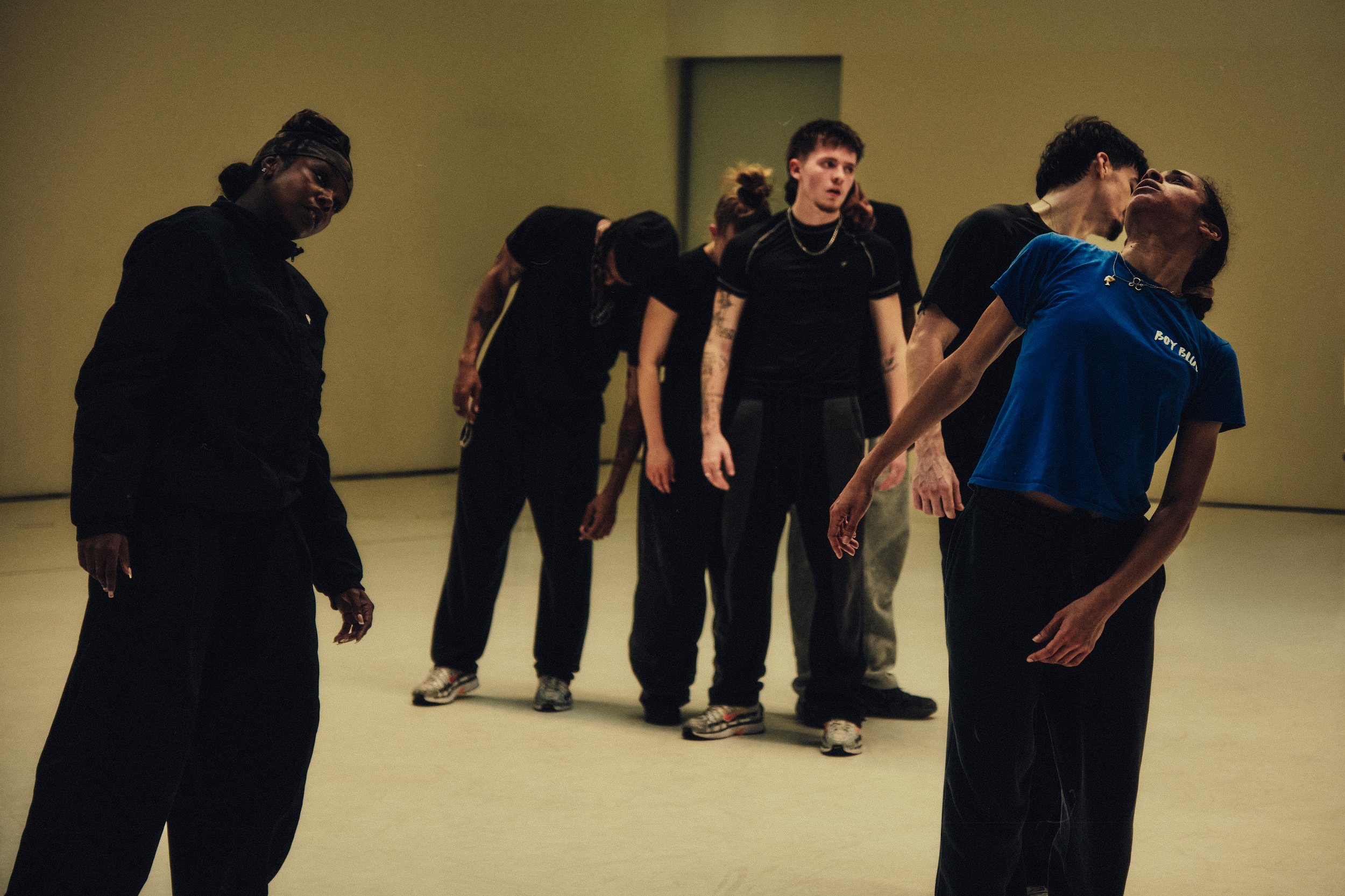
KENRICK: You have to start off with the dry piece of bread. Just try and get the framework. Feeling helps bring the seasoning, but in order to get the mechanics of a groove, start with the fundamental parts of the body. What is the head, the chest, the hips. Once you do that dry piece of toast, we add flavour — some butter, some jam, some peanut butter — something to make it feel wholesome. You understand the movement and the mechanics of it, but now be free in that movement. The challenge is that you’re trying to teach something more about freedom and much more about a social point of view. A lot of times, when it comes to learning dance, you’re in social circumstances. You’re not going to class and going “this is how you do hip hop.”
MIKEY: Putting the jam, putting peanut butter, that comes later. The idea is to get you out of your head.
You’re using a seven-piece band for the first time in Cycles. What does live music allow for that a fixed track can’t?
KENRICK: Live music just hits you differently. The feeling of it. I can’t even say the word, I’m just doing an action. It just does this when you’re hearing it live. There’s no sweeter space to be in when you’re hearing live music. And that’s not taking away from you Mikey, your stuff is good! It’s really really good! But to know that we’re doing this show, with live music… heyyyyy!!!!
MIKEY: You don’t see the same show twice. This is live. This is real.
Can you talk about Project rEvolution?
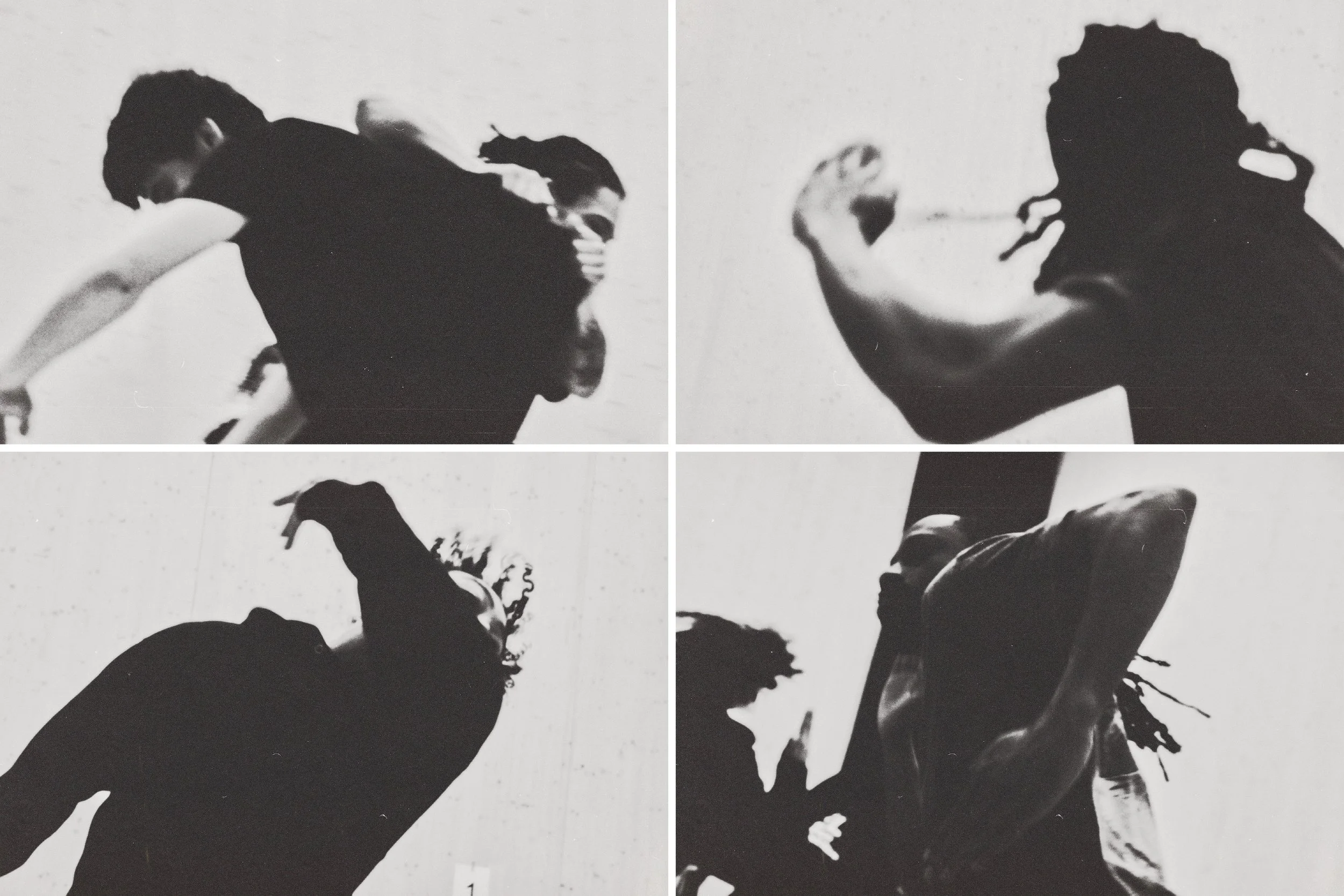
KENRICK: For us as Boy Blue, we like to do more than one thing at a time. The Roundhouse doesn’t really have a dance department. This was an opportunity for us to put it out there, to see who’s interested. They came to an audition workshop, and we chose 21 dancers. It’s a platform and an opportunity to develop their artistic endeavours, for us to give them little bits of mentoring. It doesn’t end with just this performance at the Roundhouse. We feel honoured that people want to come and be a part of the experience.
Nathaniel, can you describe how you first got involved in Boy Blue?
NATHANIEL: I was a young teenager. I auditioned in 2006. That audition was a surreal moment for me, coming from where I come from and travelling to East London for the first time. A few years in, I was just training, training, training. I was the very clean dancer and had to find that Boy Blue groove. Kenrick was on my back for years when I initially joined because I was so clean. When you join a company like Boy Blue, groove is so important. I had to learn to understand my body in such a way. I followed him everywhere and learned so much about becoming a teacher. Him and Mikey were like my brothers and instilled this energy of passion.
How did you become Rehearsal Director, and what does that position entail?
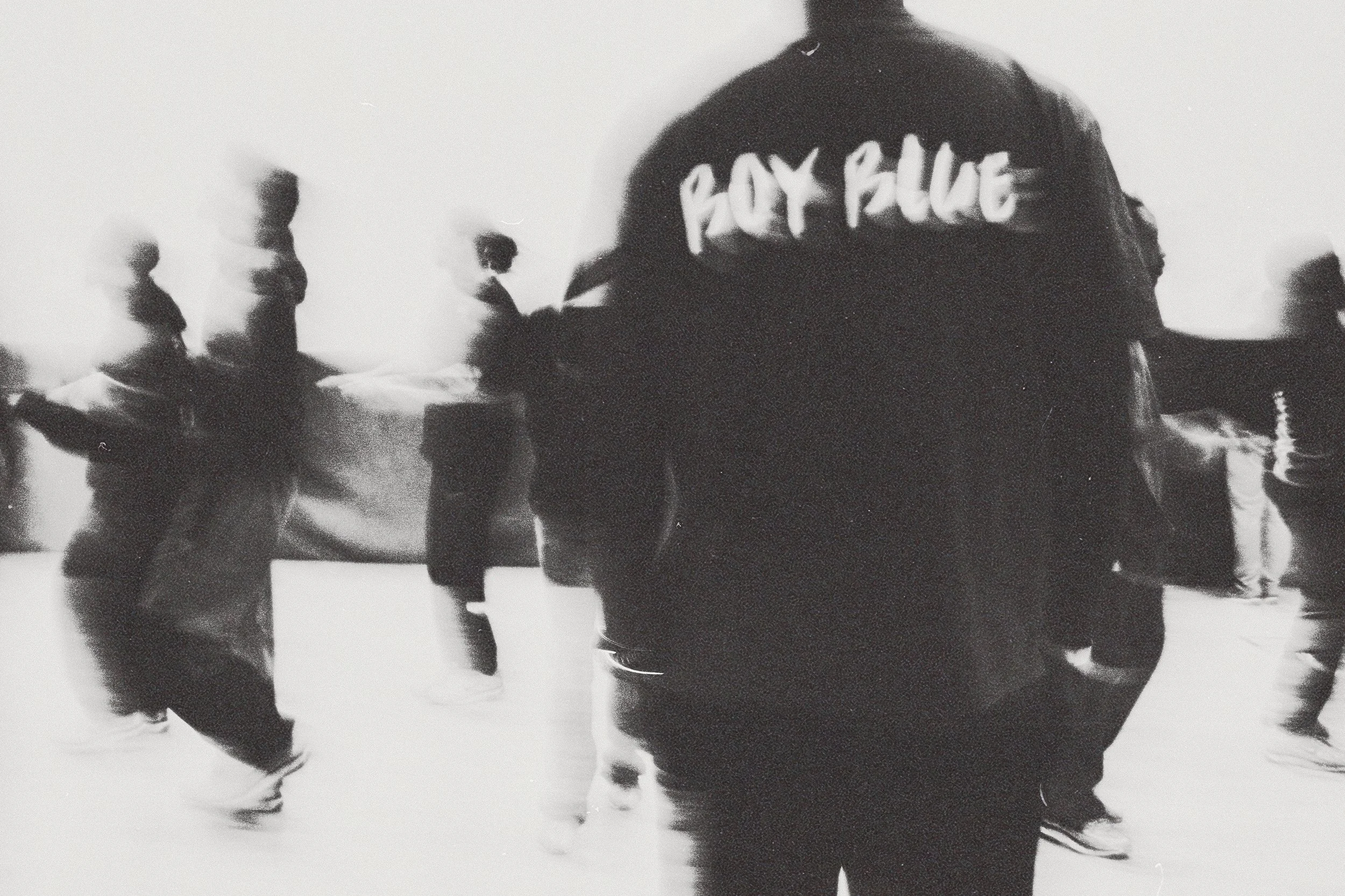
NATHANIEL: I didn't even know that there was a role called Rehearsal Director. It wasn't until I started this position that I actually knew what the job was about. For me, it’s being that relief for the creative in every aspect — whether that's notating choreography, delivering choreography to the cast, leading warm-ups, leading cool-downs, documenting formations, making sure swings know what they are doing. It’s really challenged me in terms of understanding Ken’s mind and Mikey’s vision. Rehearsal Director is a big role. You have to make sure that you're equipped and efficient.
Can you explain what the rehearsal environment is like?
NATHANIEL: I try and make sure that it's fun, but also when it's time for us to get to work, we really lock in.
A lot of the people that I work with, I've taught from young. So it's trying to ensure that even though you have a good relationship with them as teacher to peer, when we're working together, it's a fine balance. I know what that life entails, because I've been in that position. So any time we're in a space, I always have empathy and understanding. Even though I'm in this role, I never forget that I was where they are.
You’ve connected with tens of thousands of dancers over the past 25 years, how has that changed you not only as artists, but also as people?
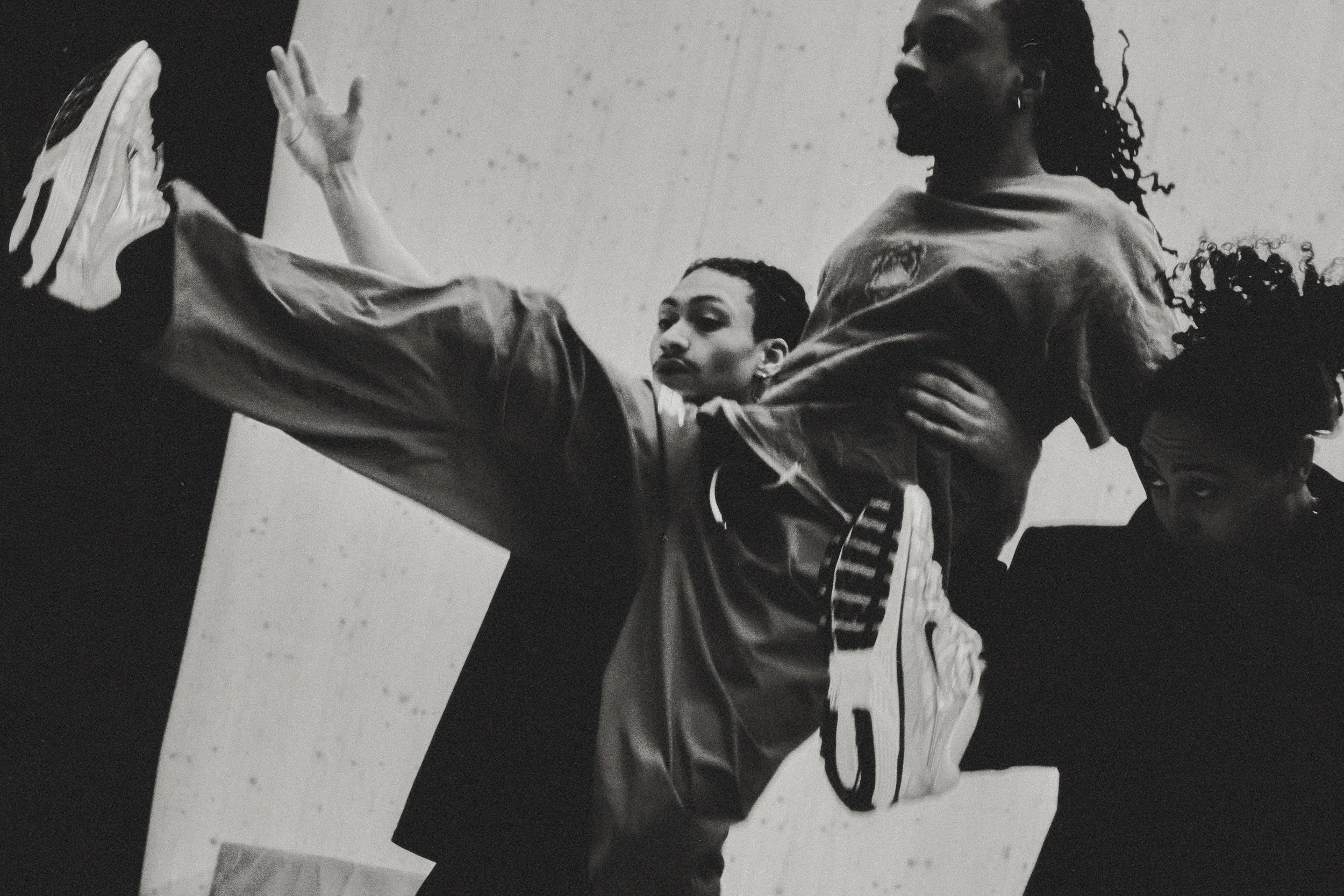
KENRICK: For me, it’s a responsibility. It’s knowing your purpose. And it’s about not being precious. Those dancers are not all dancing with us now, but they’re a part of the legacy. With 25 years, you have to have that resilience, you have to be robust, you have to have patience. There’s a reputation. Anytime we’re on stage, and people know it’s Boy Blue, they’re expecting something. The quality that you see on stage is because of the quality of training. And we don’t hold back. We have to keep on pushing. We’re not looking to stabilise and just chill. It’s a true blessing
MIKEY: And I don’t think you manifest the idea of working with loads of people. You take it day by day and focus on what’s in front of you. You look at it like a family, and you hope that they go on to do something — to be well mannered, and to be a good person in the world. That attitude of always wanting to make sure we sprinkle goodness into them, comes back to us in a roundabout way. We’re teaching people’s kids that we taught. You take it day by day, and you hope that the ripples send people back.
If someone was to ask you what Boy Blue is all about, who doesn't know anything, how would you describe it?
NATHANIEL: Boy Blue is a family. As much as we work together, we really build each other, empower each other, motivate each other. For me, there’s such a personal connection because I was that kid, that came from where I come from. These two individuals really built me up. We've all had such an incredible opportunity to be a part of a hip-hop company that is at its level.
One of our mottos is “because we can.” We did this because we can. We love what we do. There is no business plan. You can’t create a business plan with passion inside it. Passion is the driving force.
— Kenrick Sandy

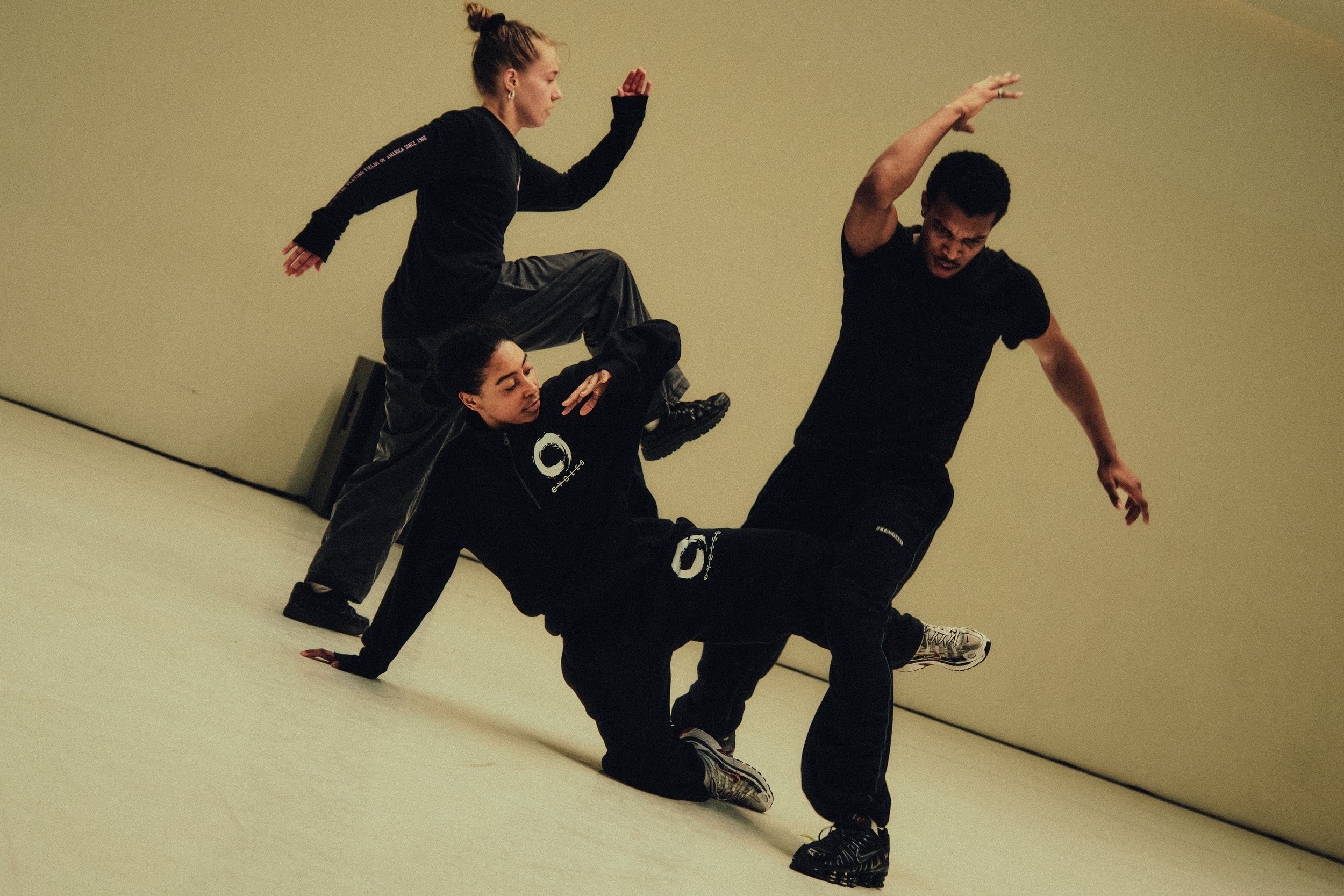

Has there been a specific moment over the past 25 years where you’ve thought, “wow, we really made something here”?
KENRICK: When I think about what we have achieved in this country — there is a ‘wow.’ It’s not because of what’s on stage. It’s the fact that we’re still around. There’s a lot of groups that were with us when we started that are no longer here. There have been points we call the Boy Blue Cold War, where we were in the trenches having to really hold on to what was ours. The accolades and awards, we appreciate it, but we didn’t make this work because of that. We’re doing it because it makes the community see that these guys, that came from this area, are able to do this. One of our mottos is “because we can.” We did this because we can. We love what we do. There is no business plan. You can’t create a business plan with passion inside it. Passion is the driving force. Even the fact that we’re having this interview, talking about 25 years, is an achievement. We don’t take these things lightly.
MIKEY: The only thing I would add is that we’re still friends. There is so much that could’ve gotten in the way. It’s truly a gift to be able to say I’m creating with my friend. No matter how we get there, we’re both fighting for that same thing. I don’t know how to encapsulate that as an idea or an attitude. I think it dies as the way it began, between myself and Ken through that friendship. And that’s it. It’ll never happen again.
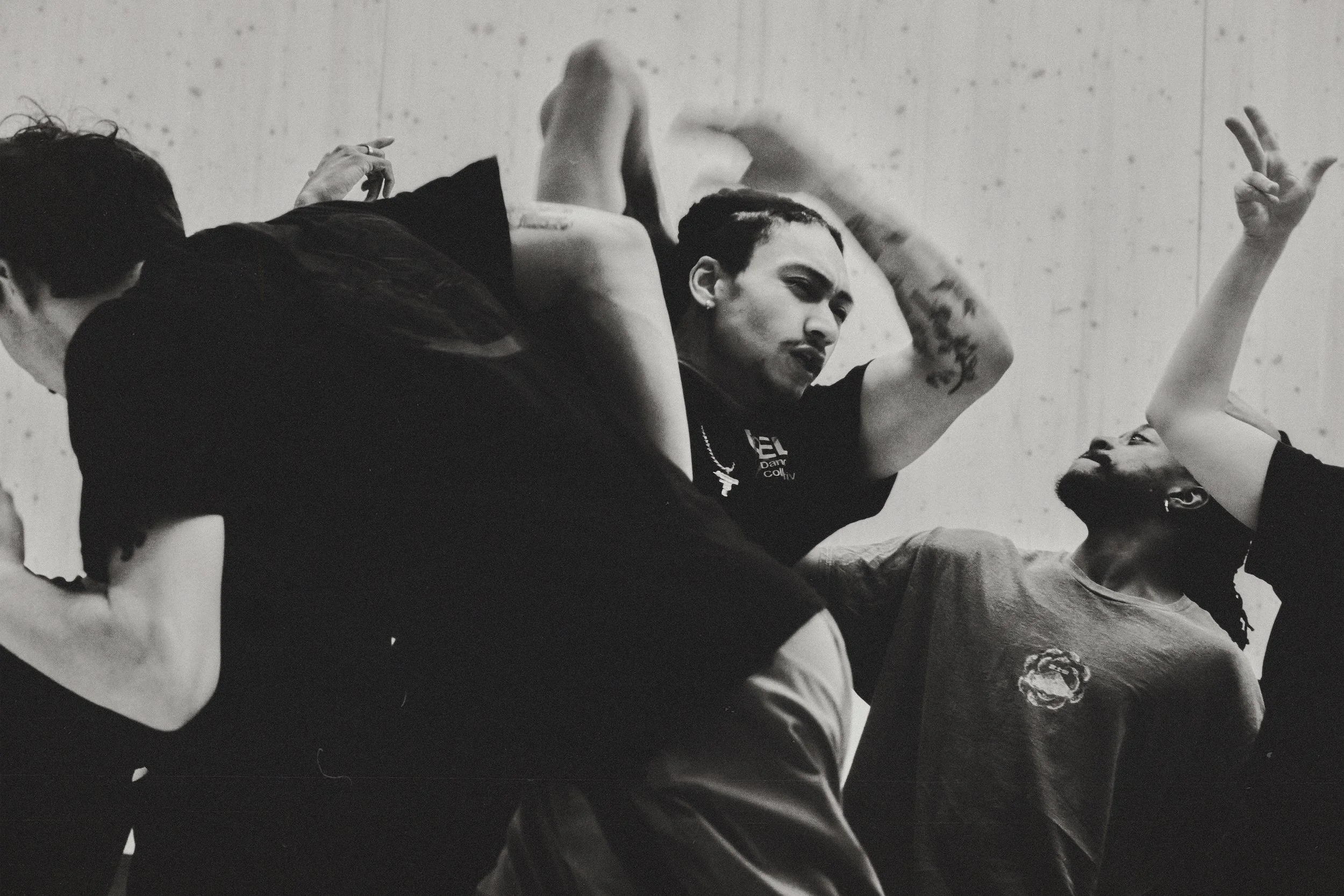
What can we expect for this upcoming year celebrating your 25th anniversary? And what’s next for Boy Blue?
KENRICK: Pure celebration and pure joy. Roundhouse Cycles and Project rEvolution kicks it off. We’ve got stuff coming up during the summer and autumn, stuff happening next year in February. Just celebration upon celebration.
NATHANIEL: For me, the most important thing is just continuing to build that legacy even more — motivate our youth, our adults, and celebrate what we've achieved. We don't really celebrate our wins because we're so passionate, and we're always thinking about how we can elevate. But if I'm looking at the next step, it's just celebrating Boy Blue.
Boy Blue kick off 25th anniversary celebrations with Cycles and Project rEVOLUTION, part of Roundhouse Three Sixty Festival.