
Picolandia and Growing Up Dancing: Taller the Hat, Closer to Heaven
Words MIRANNE WATLEY
Young adulthood often promises the intoxicating freedoms of love, friendship, dating, and community. It is when we become conscious of how we present ourselves and how this new version of us interacts with the rest of our world. Overflowing with moments of intense joy and hazy disorientation, it is like being thrown onto the back of a galloping horse without knowing how to ride, desperately clawing for the reins. But, with the right people, the runaway horse can become a euphoric joyride. JAMES PEARSON-HOWES (photographer, and now filmmaker) displays this energetic point in time in his short film Taller the Hat, Closer to Heaven. The film follows three young people in Los Angeles - Dalia, Richy, and Junior - as they get ready for a baile at the Pico Rivera Sports Arena.
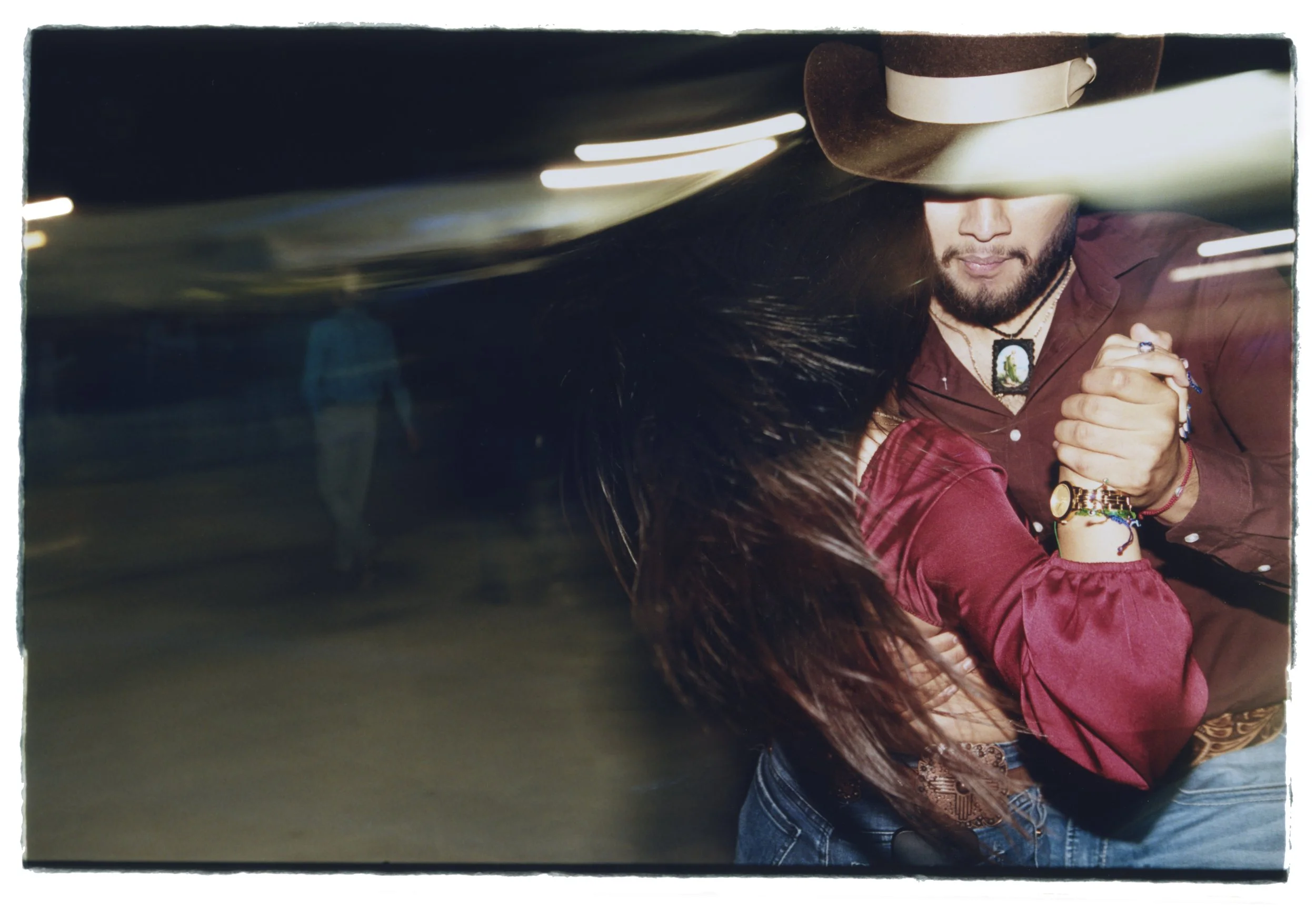
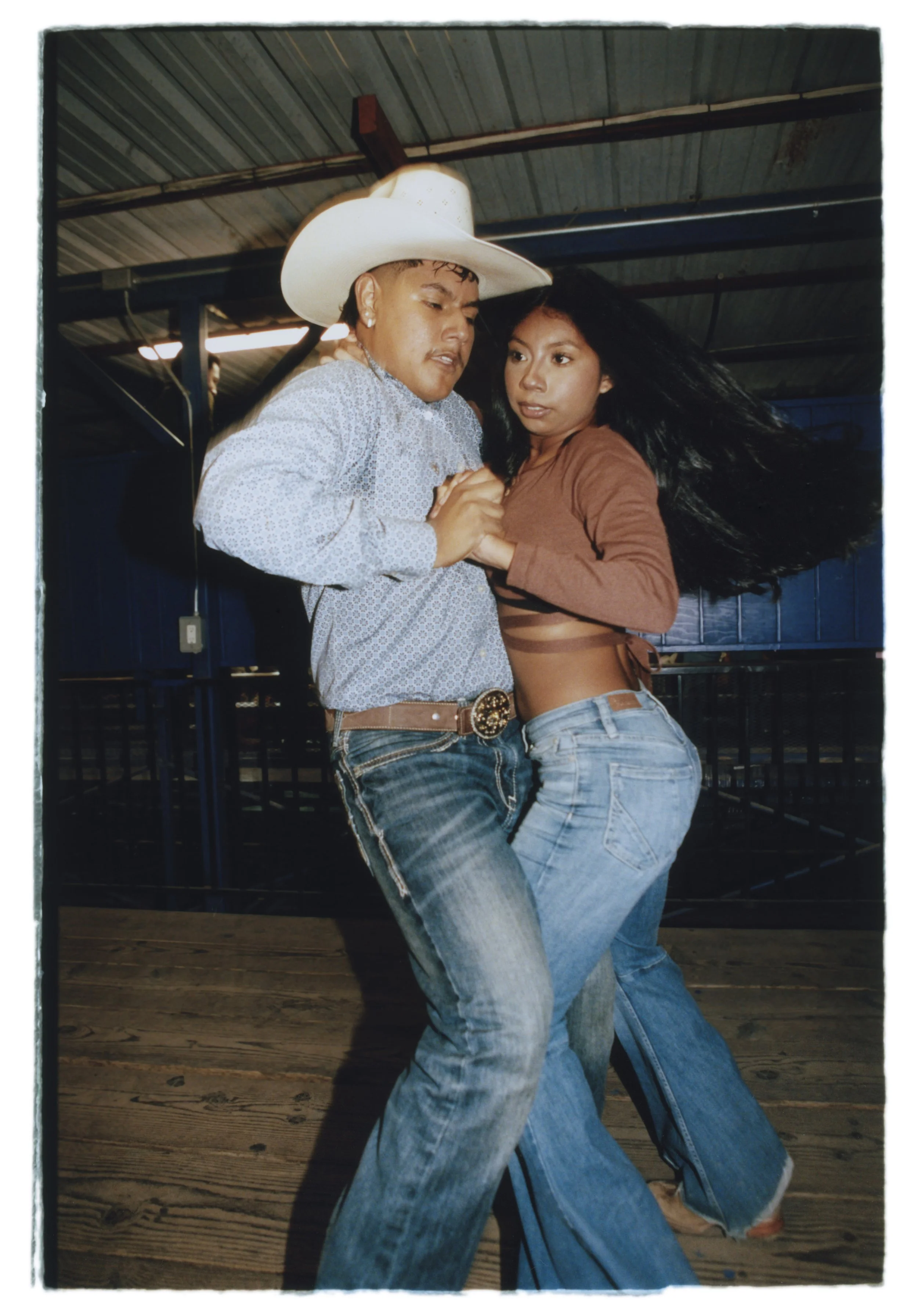
Set to norteña and banda music, and dubbed Picolandia, these monthly dance events at Pico celebrate Mexican traditions (like the live brass band and vaquero fashion) while forging a contemporary space for people to socialise. And, as the film shows, nothing is better for socialising than the boundless potential of dance. “Dancing gives me wings. It makes me feel like I’m free”.
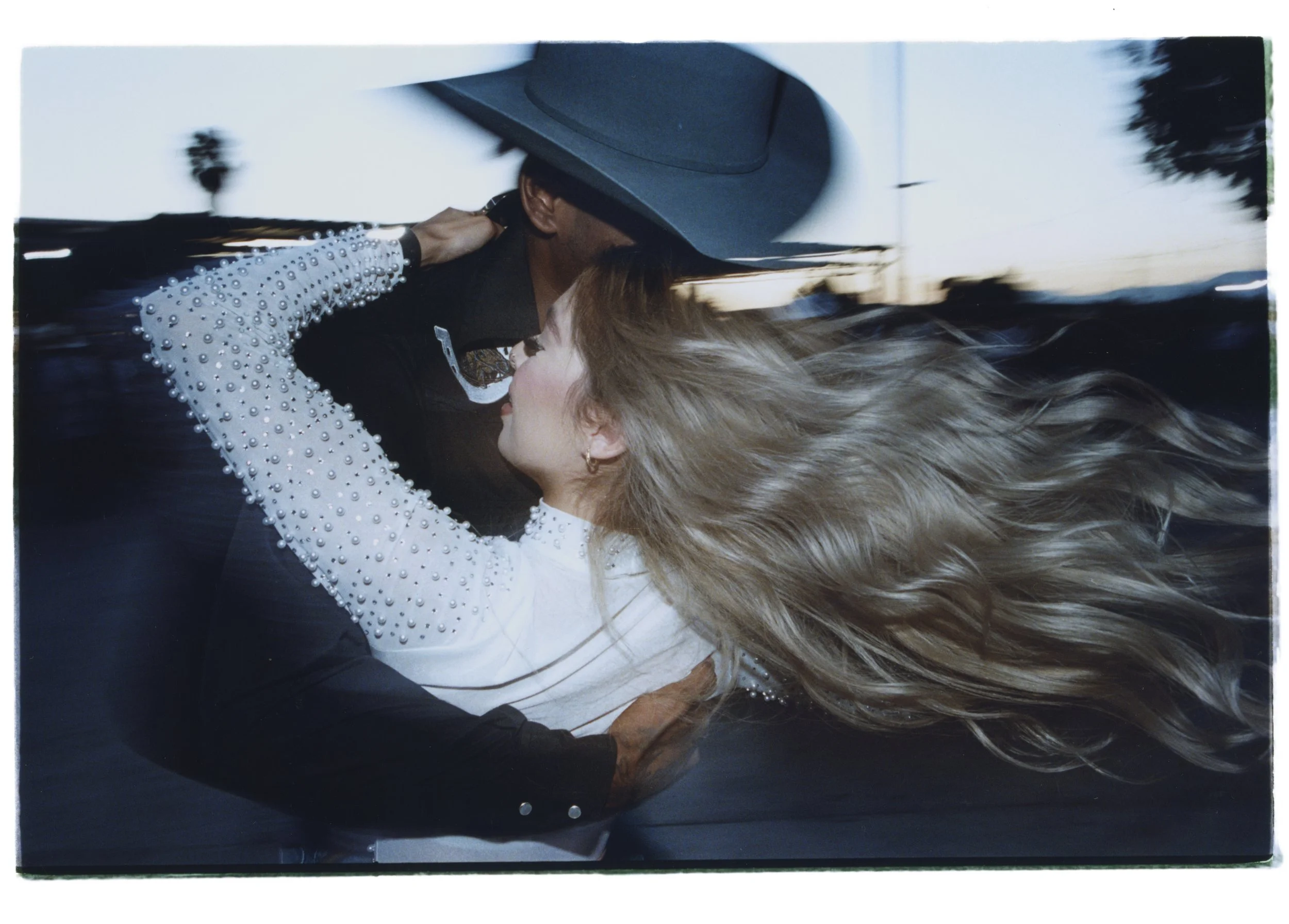
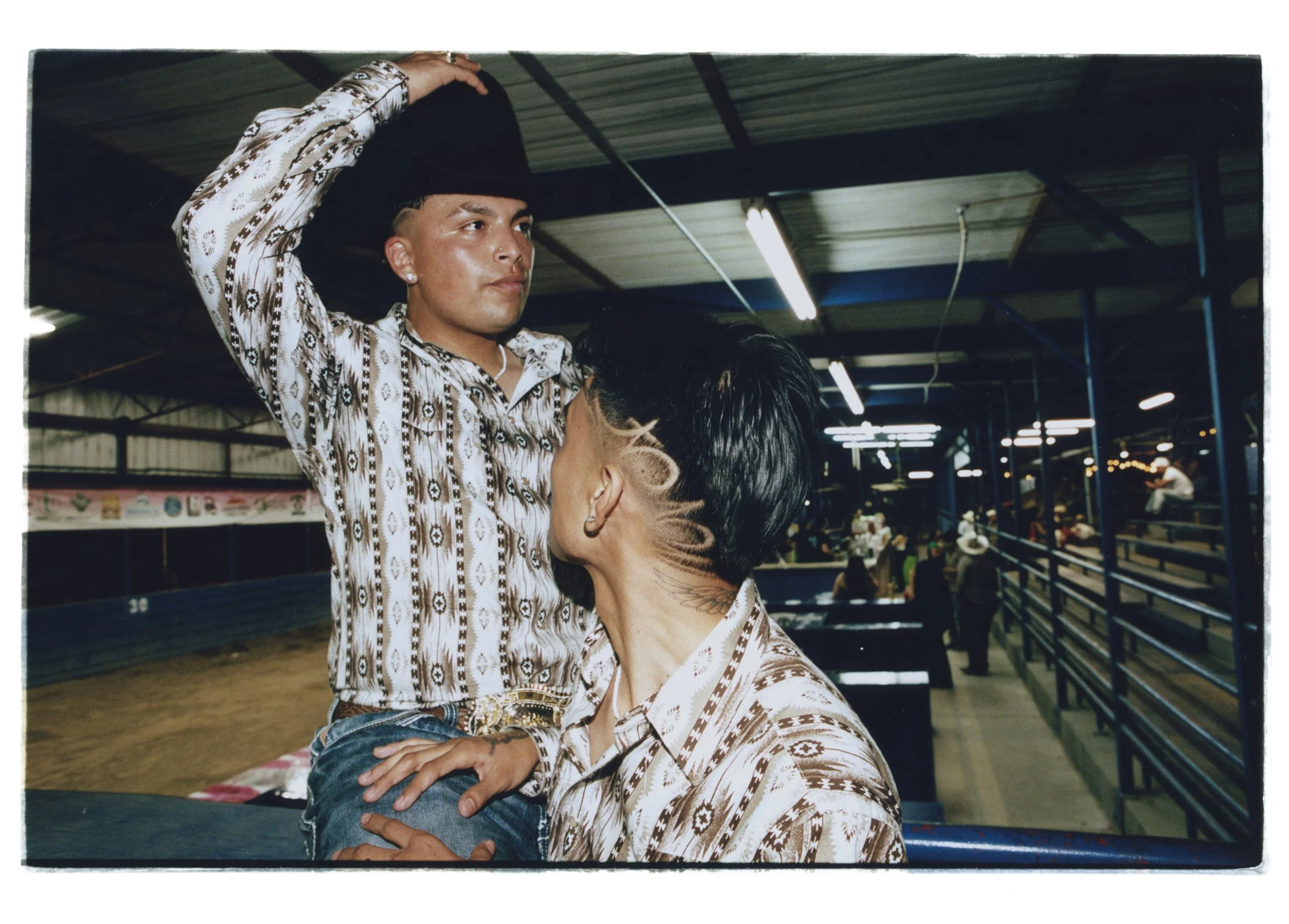
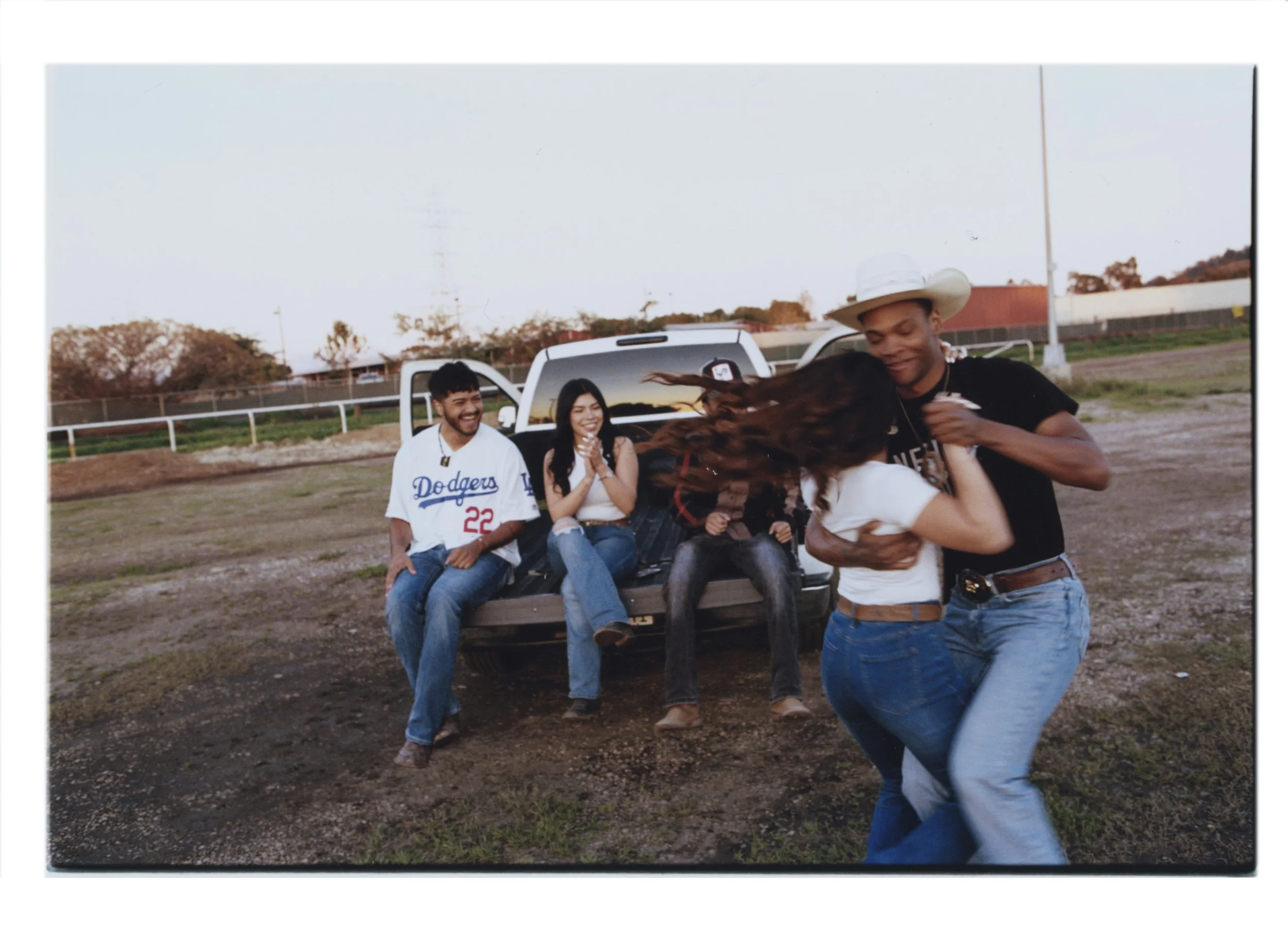
Taller the Hat, Closer to Heaven is a tribute to this collective freedom. Agile lifts and tightly clasped dance partners are shown amid a glowing amber sunset and crowds of assorted denim blues. Blurry spins blend into one. Dalia, Richy, and Junior dance in a Chevrolet before the event. There is a special haircut for the night. Friends that feel like family. Rewatching old dance videos, devoted boyfriends, and, of course, the titular cowboy hats. In Taller the Hat, Closer to Heaven, James offers a powerfully fleeting glimpse into the community that Picolandia forms. And, talking to MOVES, he delved deeper into the production process of the film, as well as the motivations behind it.
“It’s a story of love found through dance, a sort of coming-of-age film. And it’s a celebration of friendship, romance, and ritual.”
James Pearson Howes
Why was it important for you to record this moment of adolescence?
“You change so quickly when you’re young, but those years are so special and impactful. I was keen to capture that moment in time.”
When (and how) did you discover the events held at Pico?
“I came across Pico in 2022. I saw a dance pop up (on TikTok) of a guy spinning with a girl to music and, after a bit of research, I stumbled across this amazing scene.”
Why did you want to make a film about it?
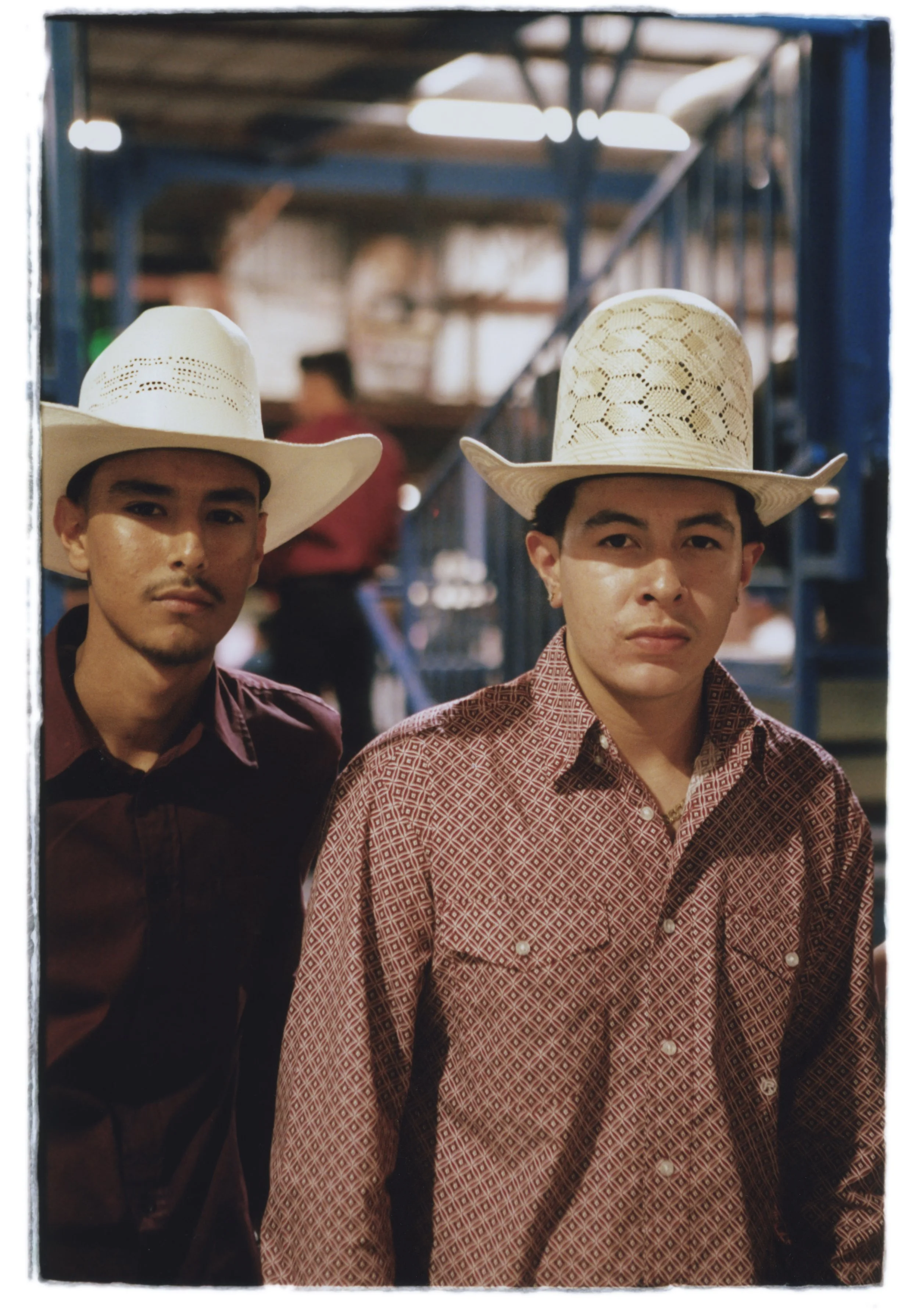
“I knew I wanted to make a film when I met our group. I was shooting stills at Pico and saw them in a corner… They reminded me of the cool kids in sixth form. You want to hang out with them because they’re cool. They’re dressed really well, they have confidence, they have style, they all have such charm. I knew when I saw them.
Also, a lot of my work revolves around subcultures, often created by young people because they want to connect with something, but make it their own. The dance moves at Pico play on and adapt moves that have existed within Northern Mexican folk traditions for a while.”
Can you describe the filming process?
“The DOP, Chris Read, did an incredible job. We shot on a Sony A7, a really good sensor for low-level light. It’s a small camera so it’s not very invasive, and I knew it would grade really well. I also shot a bunch of Super 8 to texturally build into the film.
We shot over two days. I flew out with Chris to get the first bulk of the interviews and some dancing, and then decided to fly out again and film the remaining dance scenes with a local DOP, Cole McCarthy. He was also brilliant. I wanted to create unusual camera moves using a SnorriCam on the back of a dancer, so Cole shot pretty much all of that on slow shutter speed to give the dance section its energetic feel.”
Did you face any challenges during filming?
“One of the biggest challenges was time. I would have liked to stay out longer, but it was all self-funded so I couldn’t.”
How much was staged / scripted?
“I tried to stage as little as possible. Pretty much all of the dancing is spontaneous. We picked people out of the crowd and asked if we could film them dancing, and then got our cast to dance with them as well.
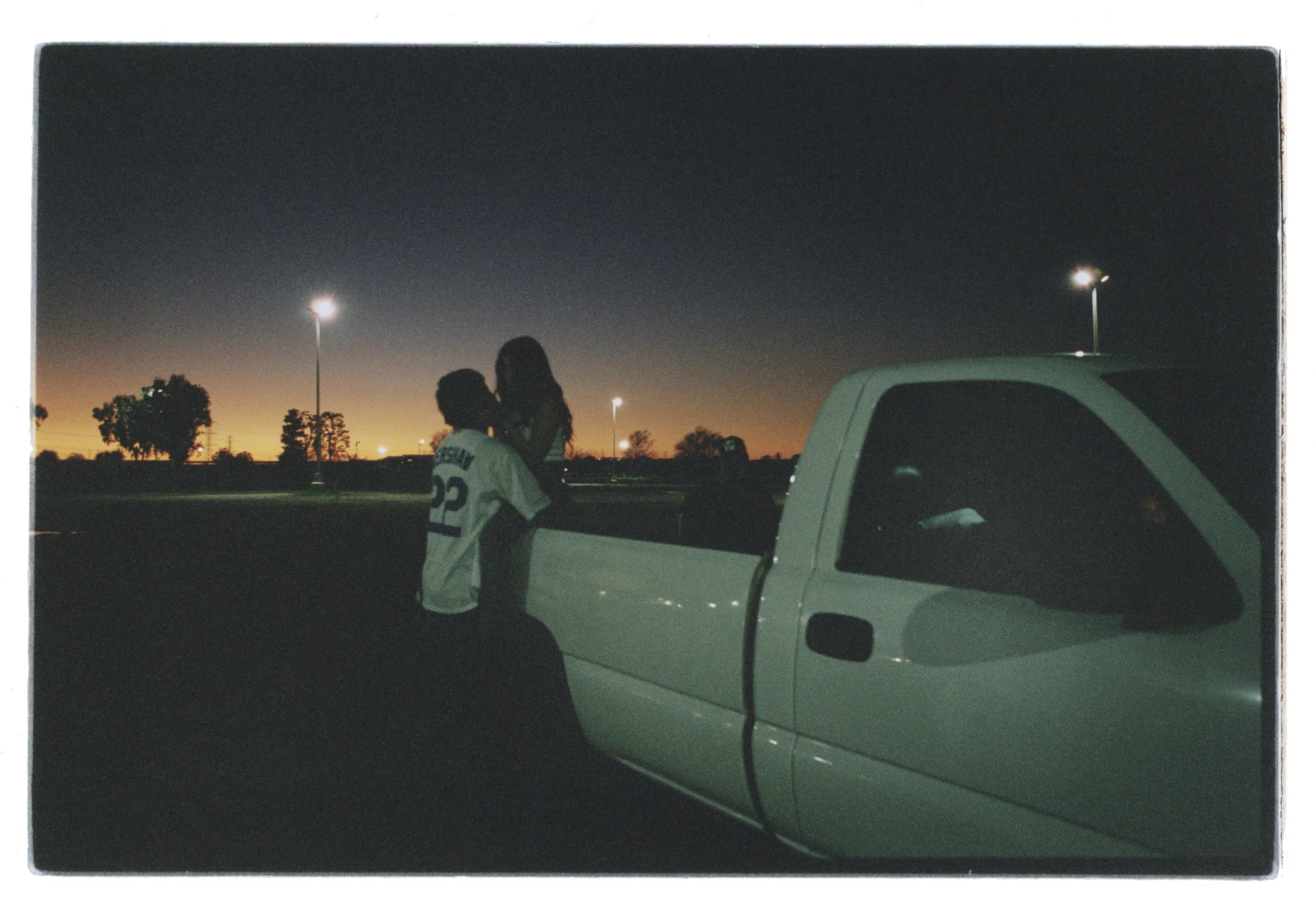
We did stage the truck scene. I knew that Pico at sundown, during golden hour, was beautiful because I’d been there to shoot before. I was really keen to capture Pico’s uninterrupted skyline. So our dancers came a bit earlier and we had them hanging out, dancing, getting ready. I just let the action play out.
I wrote up a bunch of questions for each of the dancers. I really wanted it to focus around their lives and why they dance. Keeping it quite light-hearted. I think the lightness brought a beauty and simplicity to the film.
I also loved that all the guys had quite a lot of tramlines in their hair. It’s quite indicative of the scene, especially with the new generation. And I knew Junior had that style, so we set up to shoot at his barbers. It was actually shot on Valentine’s day, so Junior came up with the idea of carving a heart into his hair.”
What inspired the films graphics?
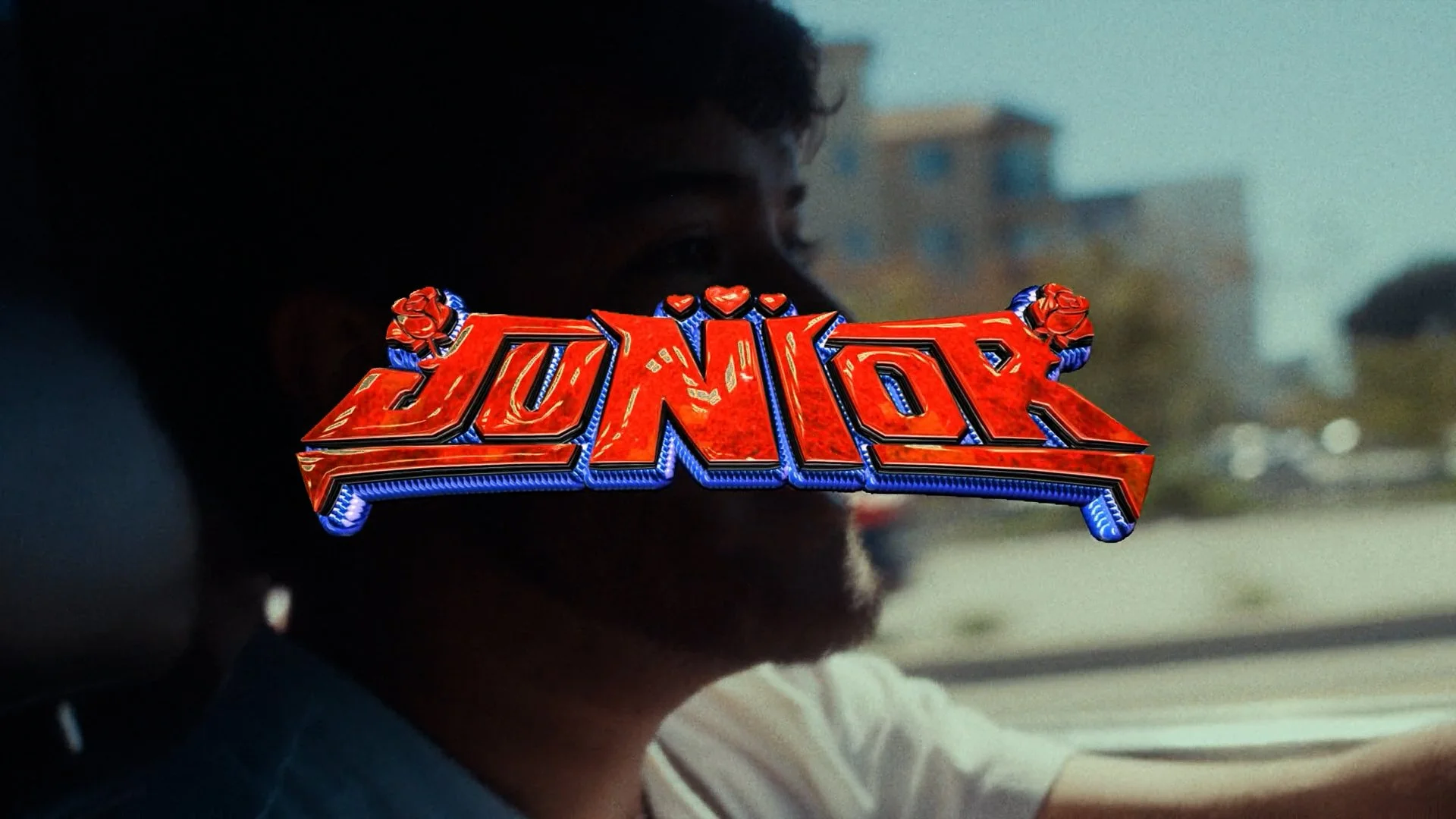
“My first experience of going to a rave, at The Manor club in Dorset, had these incredible flyers. Really overly designed and heavy. The flying is the same for these Picolandia events… big, bold, shiny. They catch your eye. I was also talking to Daniel Rincón, who created the film’s original score, about Cumbia music. It’s not played at Pico, but it is adjacent to Pico’s music. In researching the Cumbia scene, I came across these DJs that had amazing graphics. And they’re also very similar to the graphics that are used within Pico.
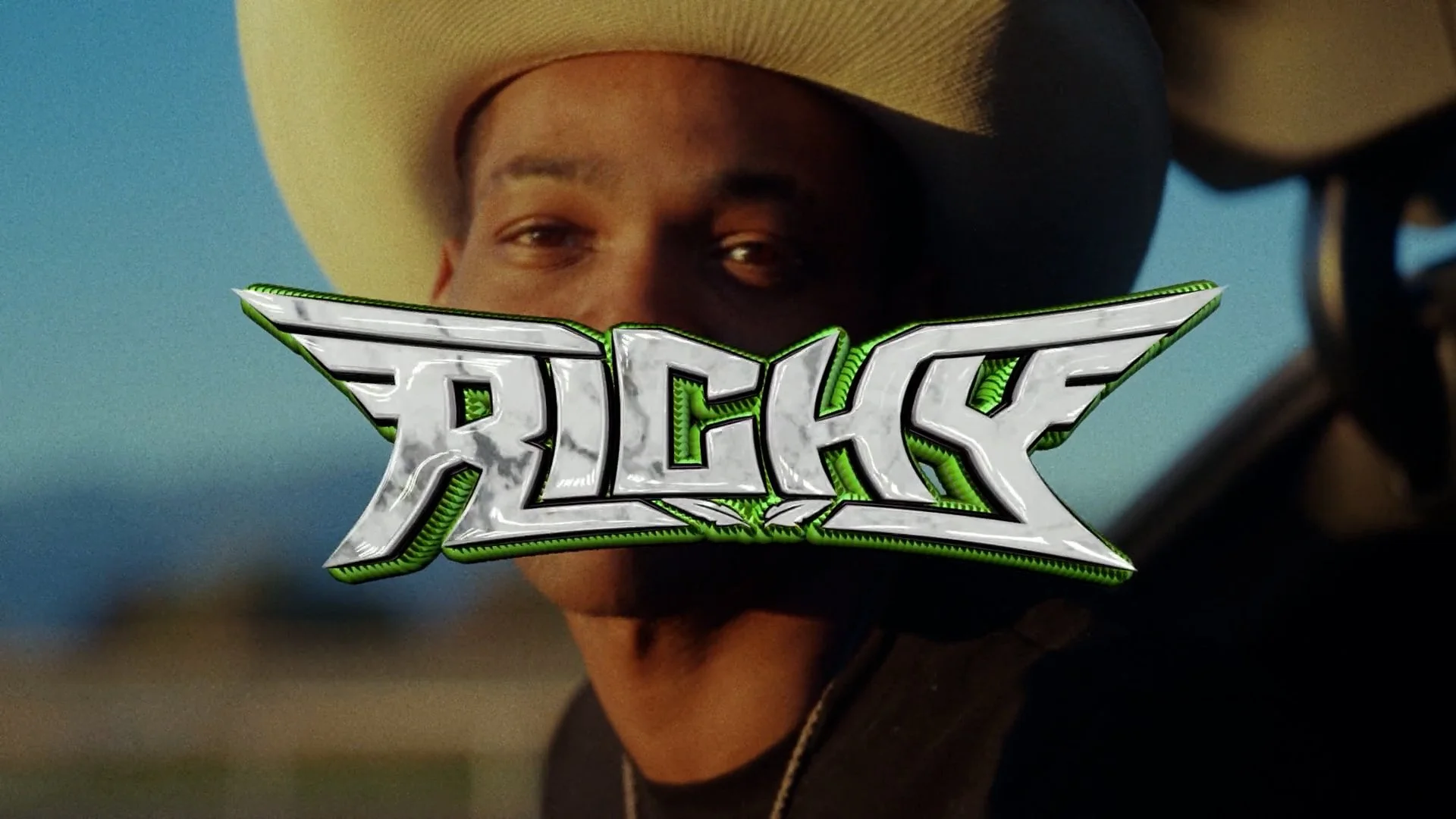
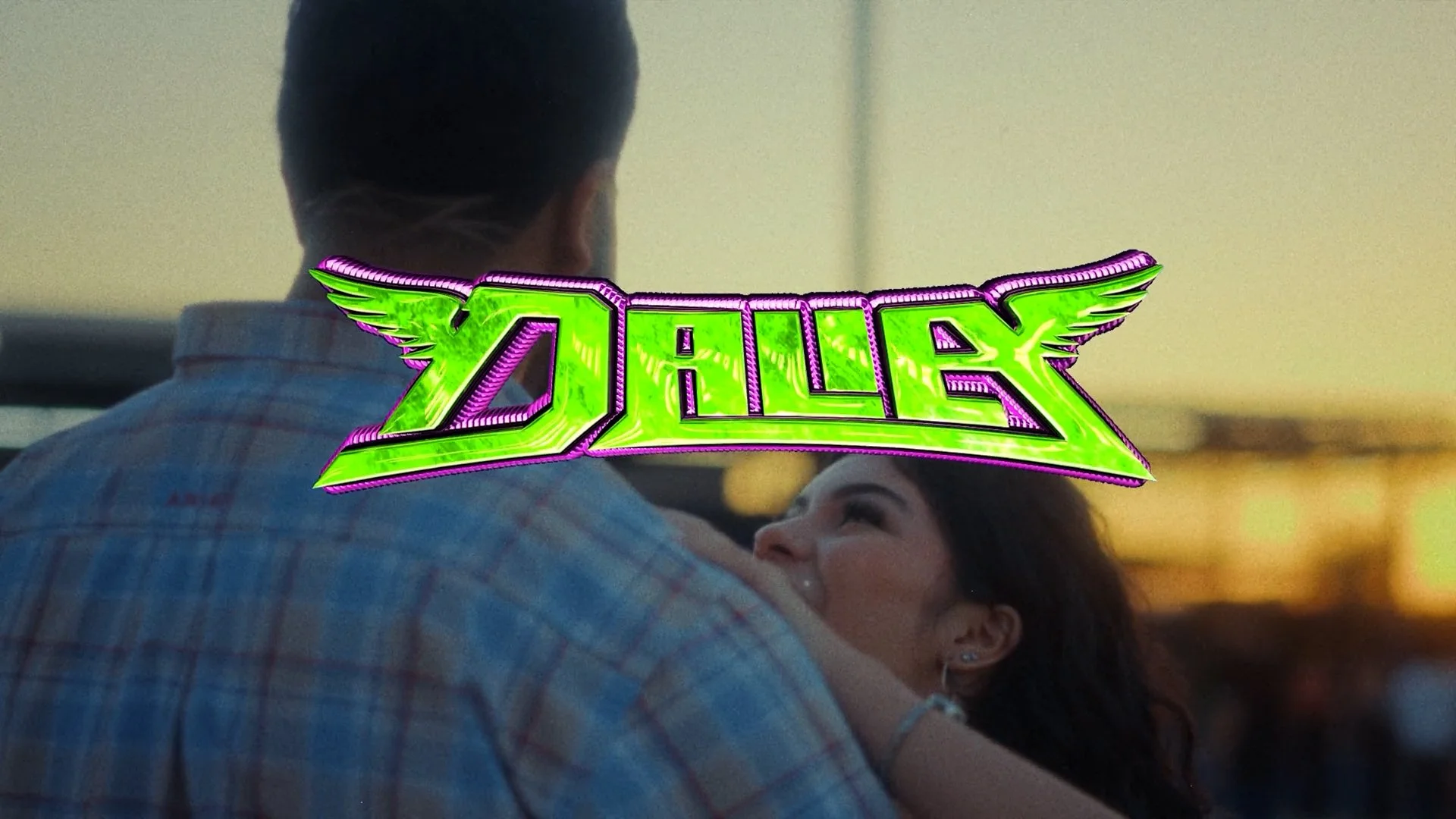
So I found this brilliant graphic designer, Choligud, to create an homage to the scene. He used a very specific, old program to create the beautiful 3D graphics for the title and for each of our characters. I just love them. I love how they’re really playful and fun.”
“I think dancing in a shared space is hugely important. Being together and moving to the beat of something we really enjoy has probably been with us since the dawn of humanity. It’s very simple but it’s unifying.”
James Pearson Howes
Can you talk more about your focus on the social dance floor?
“Before even shooting, I realised the younger generations were not going out. The spaces where they can dance and come together are being closed, and a lot of that came from Covid. But I think dancing in a shared space is hugely important. Being together and moving to the beat of something we really enjoy has probably been with us since the dawn of humanity. It’s very simple but it’s unifying.
These places help you see other cultures and meet new people. They bring out the intrinsic good in people…as well as maybe some equality. An understanding that we are probably more similar than we think, while also celebrating cultural difference.”