
Words MIRANNE WATLEY // Visuals SHOKIRIE CLARKE
How does Street Dance exist without… the street? Lauren Scott’s recent commission for The Place answers just that.
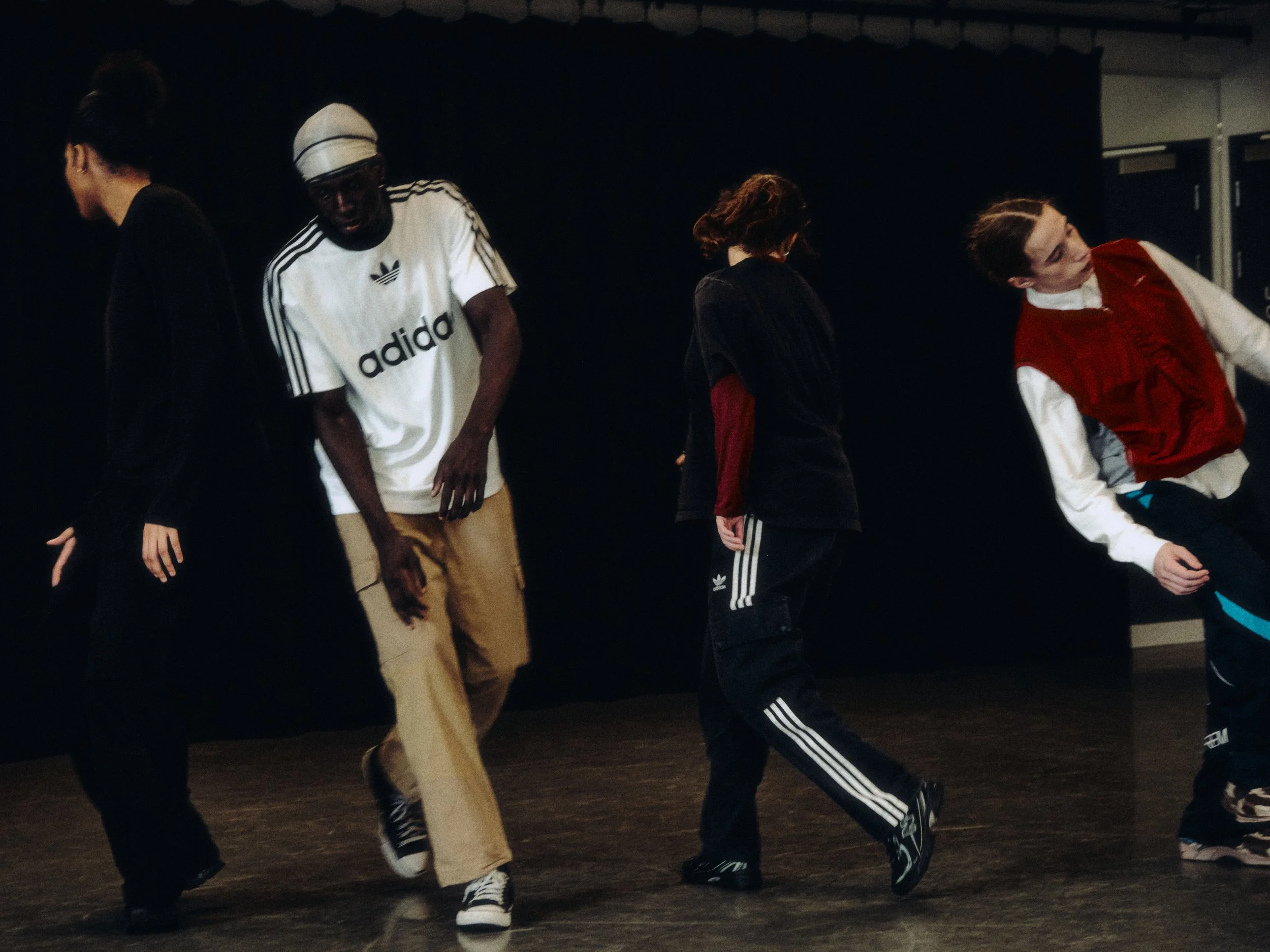
Blueprint takes the foundations of popping to the contemporary stage. Blending set choreography with improvisation, it stages a creative process, and emphasises the significance of this ongoing process itself, rather than any fixed end result. Having just finished two weeks of R&D, Lauren spoke to MOVES about the rehearsal process ahead of Blueprint’s March 2027 premiere (as part of a double bill with Seirian Griffiths… I’d just get your tickets now while you still can).
A key point that Lauren stressed in our conversation was the intersection between street and contemporary dance styles. Having trained in both, Lauren was especially inspired by the responsiveness that both styles centred. The way improvised movement is triggered by the dancer’s environment, and blends seamlessly into their performance. “We found great examples of trigger points in duets where the freestyle and the set choreography activated each other. The dancers go from freestyle to choreography to freestyle to choreography, and you can’t tell which is which. I really like that”. Lauren also emphasised how her experience in battles informs the structures of her stage works. “In a battle you still have to create a beginning, a middle, and an
end. You have to showcase your style and your creativity… what makes you you. I think it’s very similar, you’re just stretching it out when you put it onto a stage. I think battles and theatre are a lot closer than people realise”.
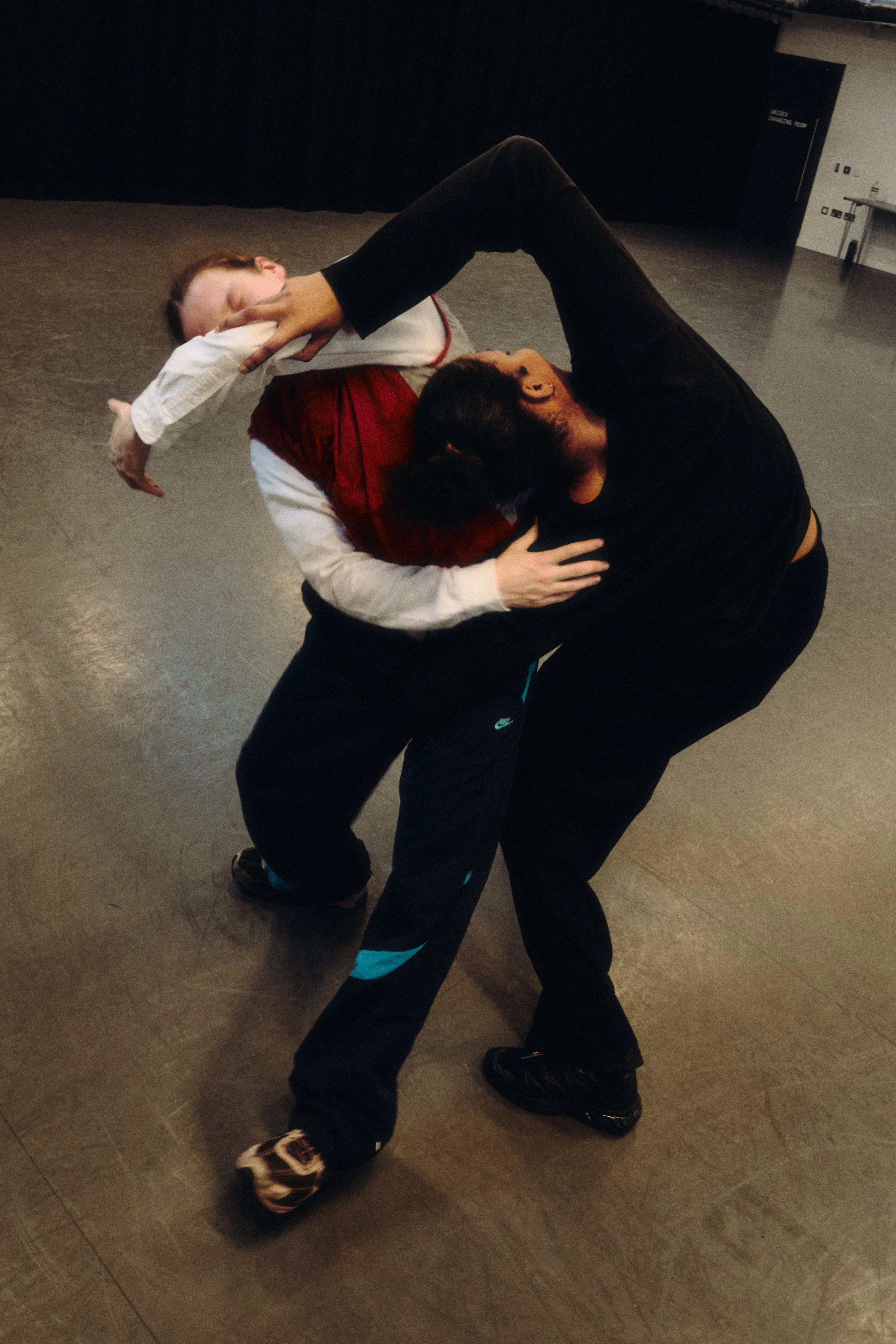
Of course, there are clear differences between the social dancefloors of a battle or cypher and the formal layout of a theatre. But Lauren was keenly aware of this nuance. “I’m always considering how these things translate… and should they translate. What do we gain and what do we lose when we take something from an underground battle/club space and put it on a massive stage, with an audience that’s sat down. There are lots of things that change, but there are also lots of things that are able to emerge”.
Lauren was aware of both the importance of the platform (“there’s so much quality and technique within street styles that I firmly believe should be on stage”) and the ways in which her work could impact and mould the platform itself. Prioritising sustainable work and spotlighting underrepresented artists, the process of creating Blueprint was one that MOVES was eager to discuss with Lauren.
“I’m really excited for people to see the way we’ve used principles of popping.”
How would you describe the concept of Blueprint?
An investigation into how we can put street styles on the contemporary stage.
When did you come up with this concept?
I come from a street dance background, but I also trained in contemporary dance at London Contemporary Dance School. I feel like Blueprint is my way of synthesising these two worlds, while staying true to the complexity of the styles that I’m presenting, which are popping and hip hop.
The concept of blending freestyle and set choreography has been on my mind throughout my training, but up until now I’ve had primarily a solo practice. Over the years I’ve been trying to figure out the best way to translate it… not just onto my body but to others.
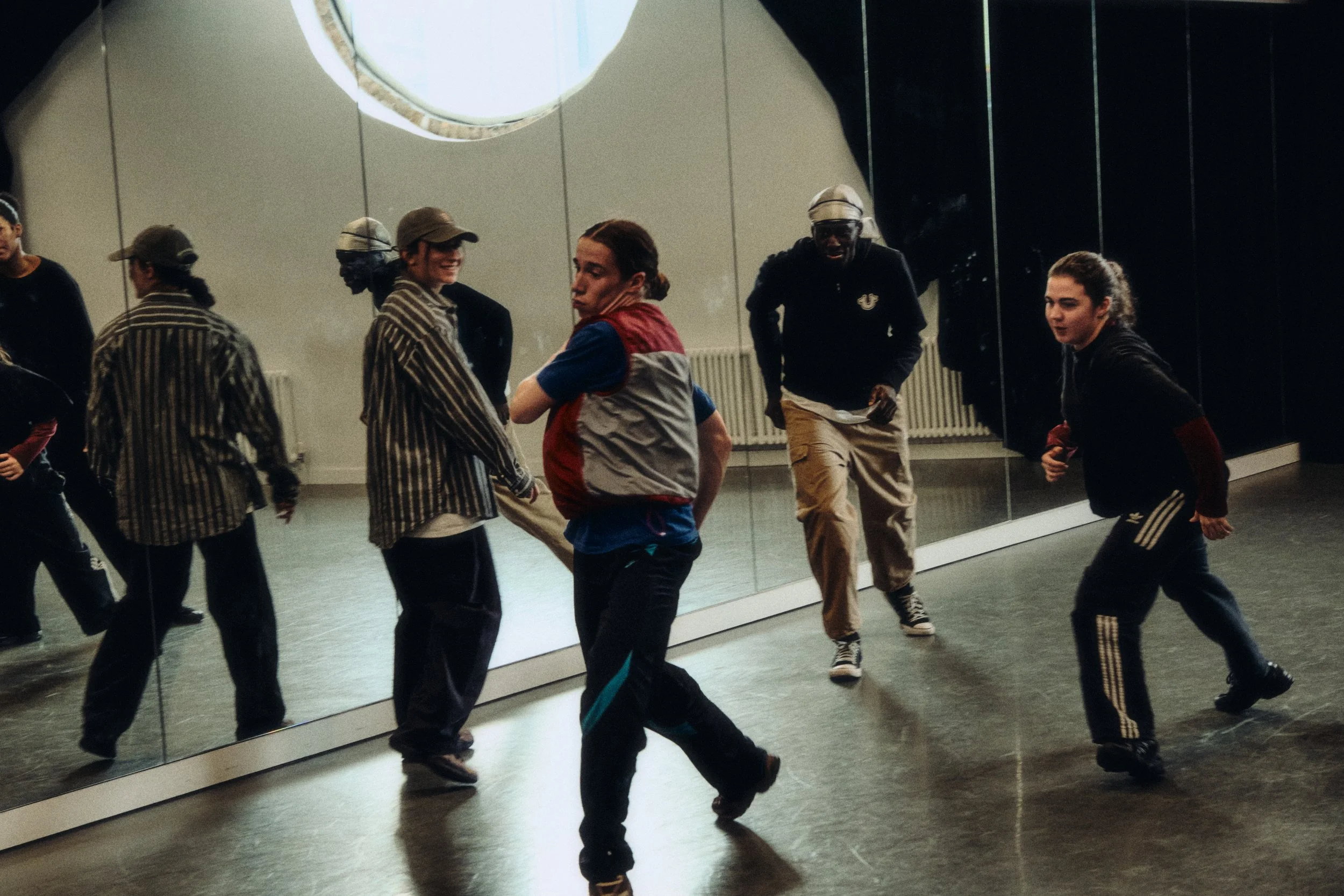
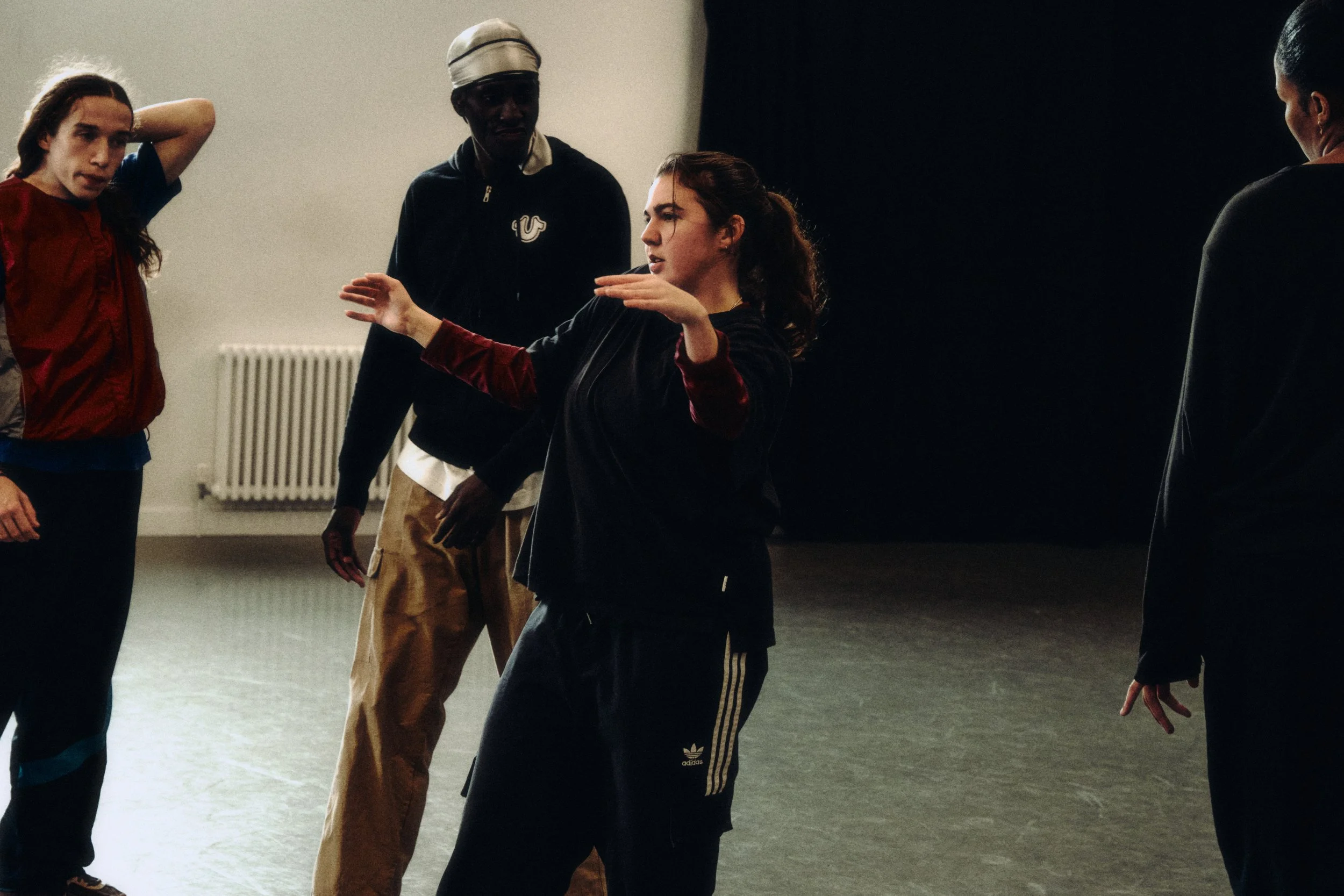
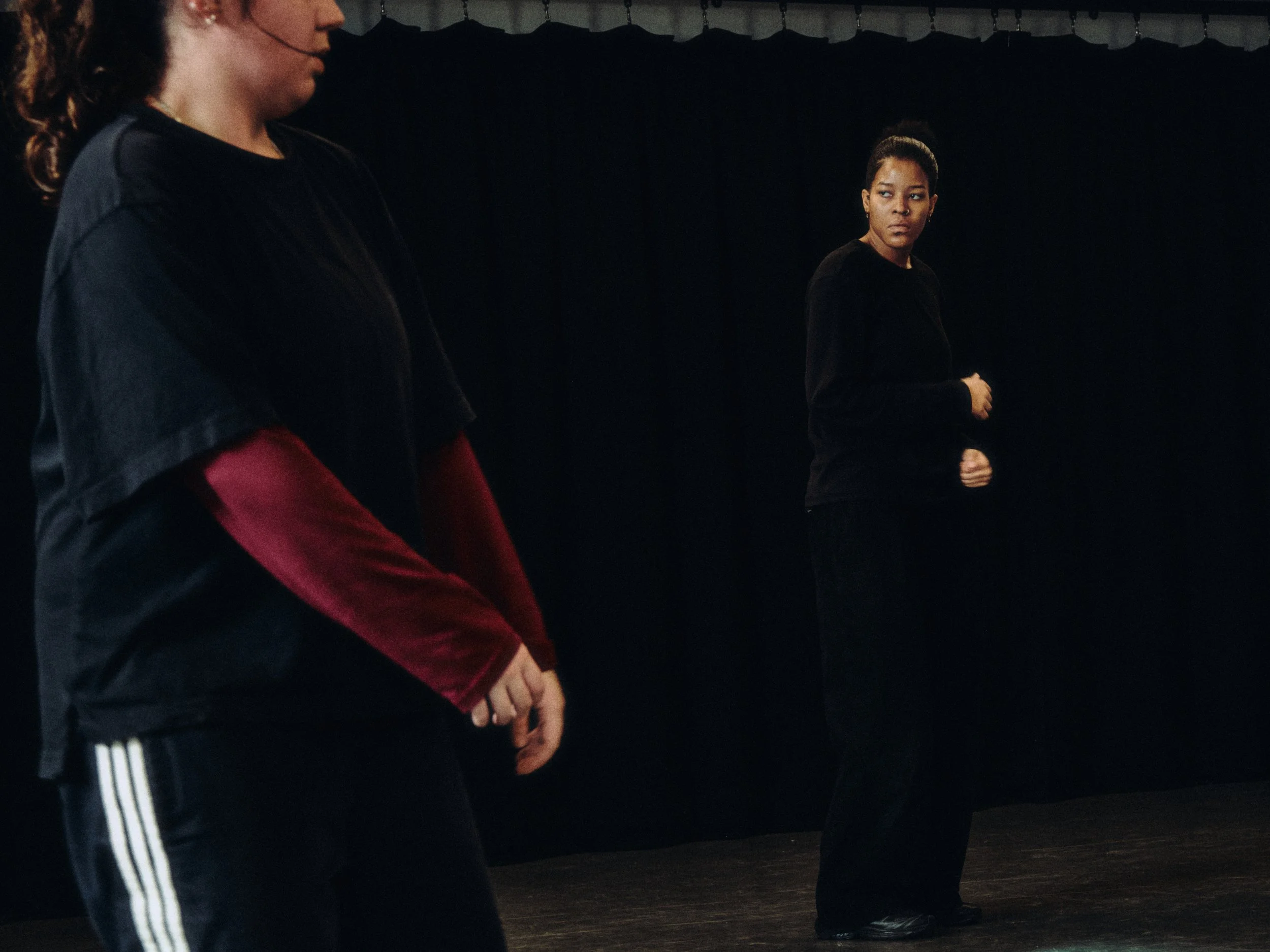
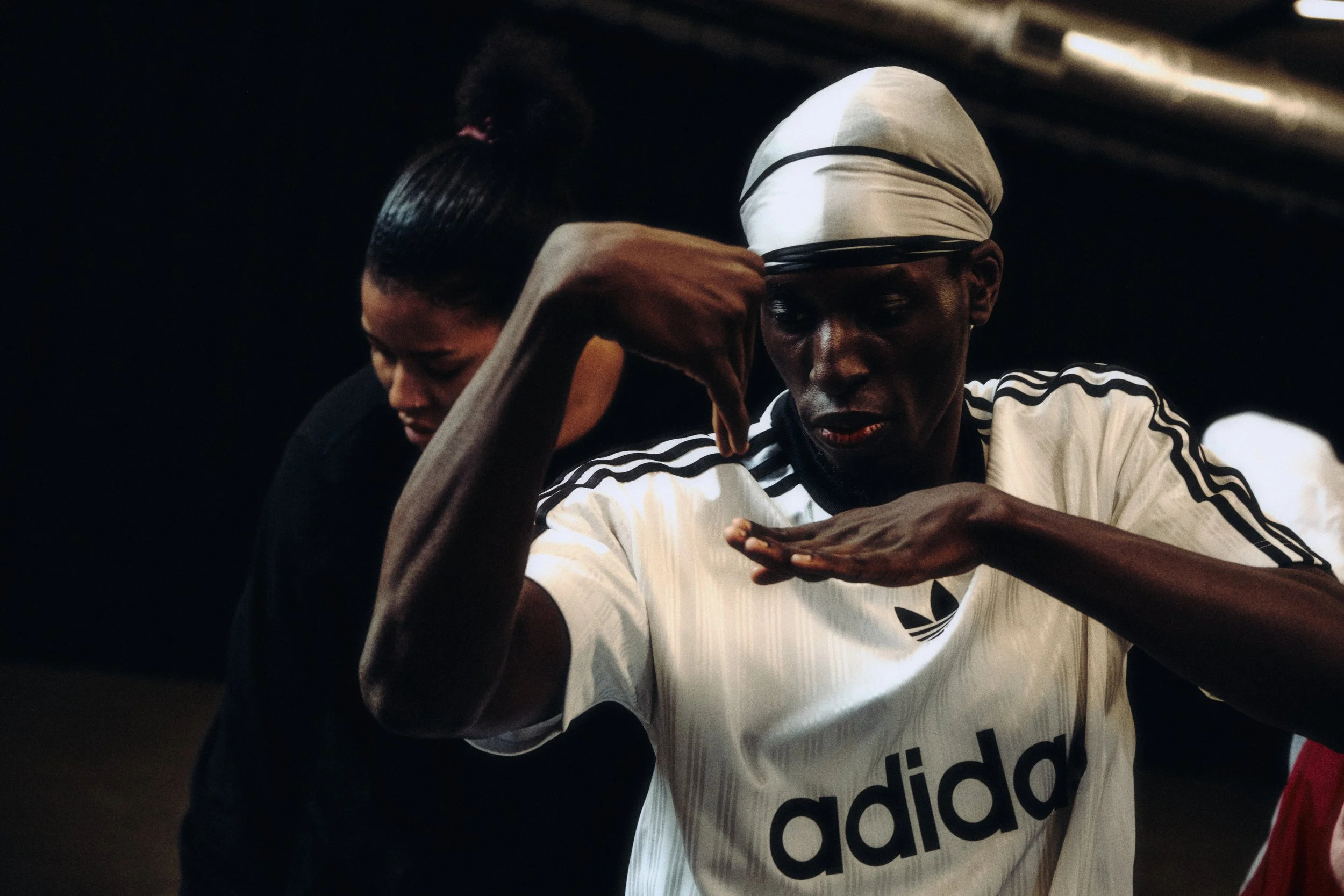
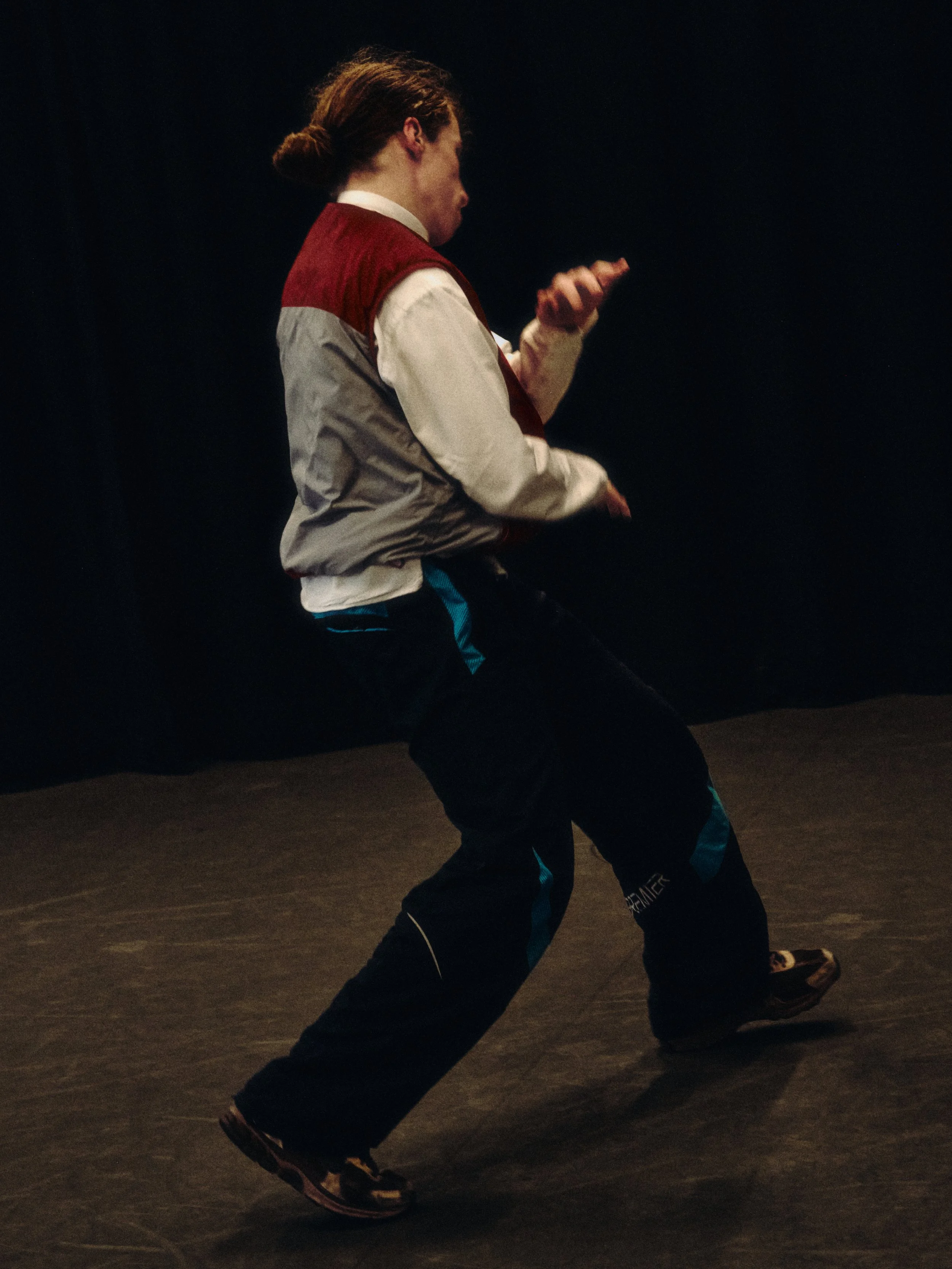
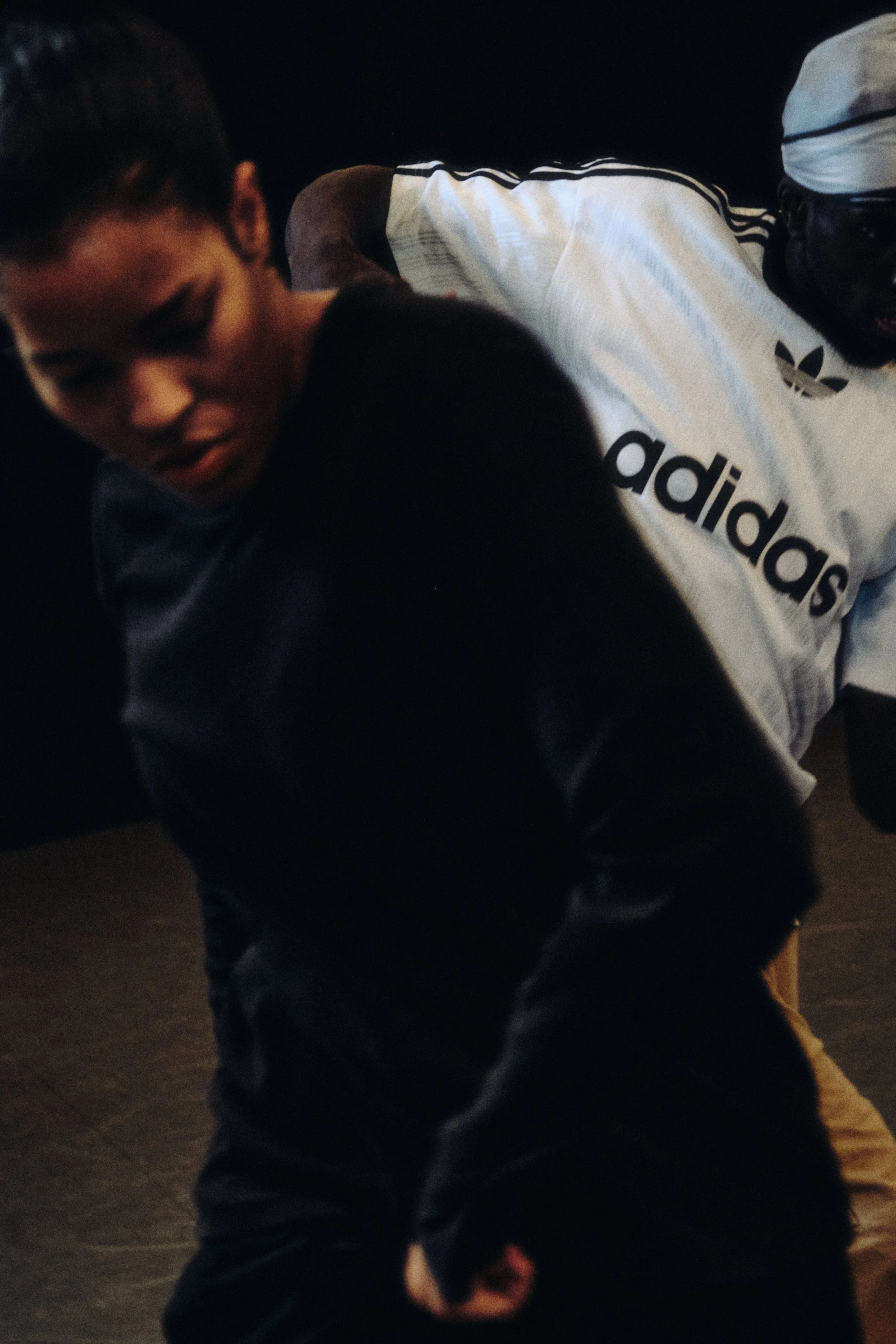
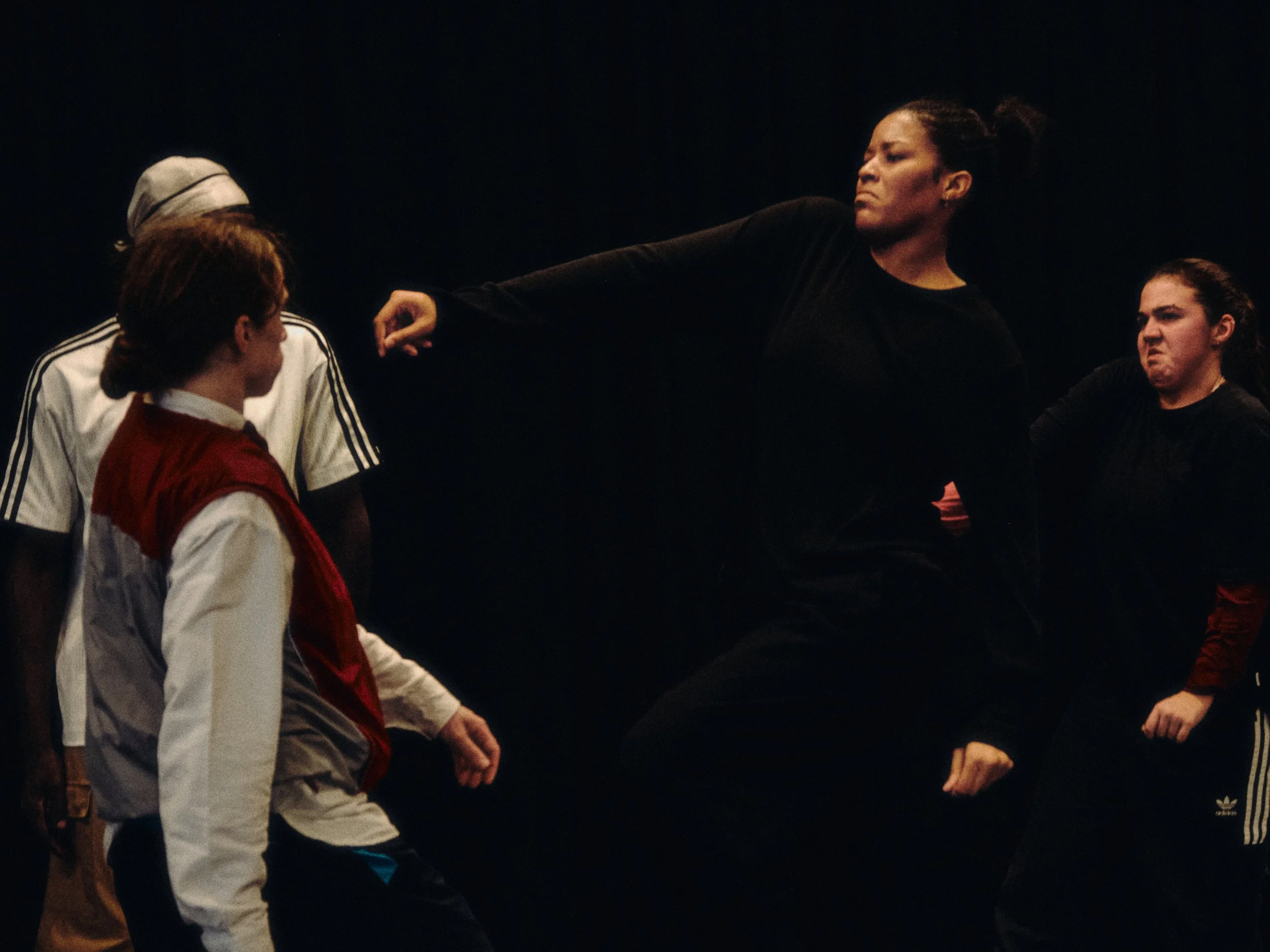
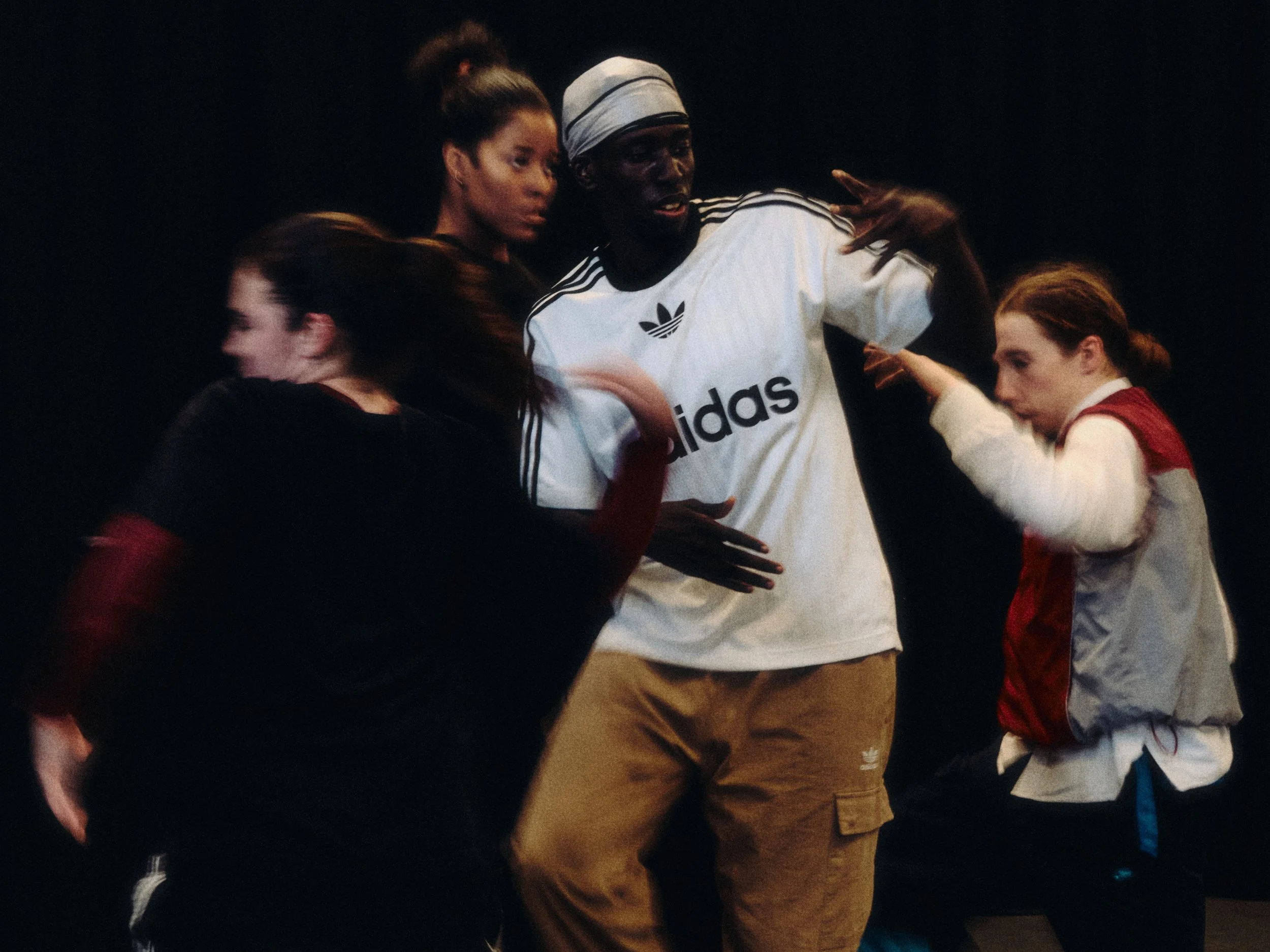
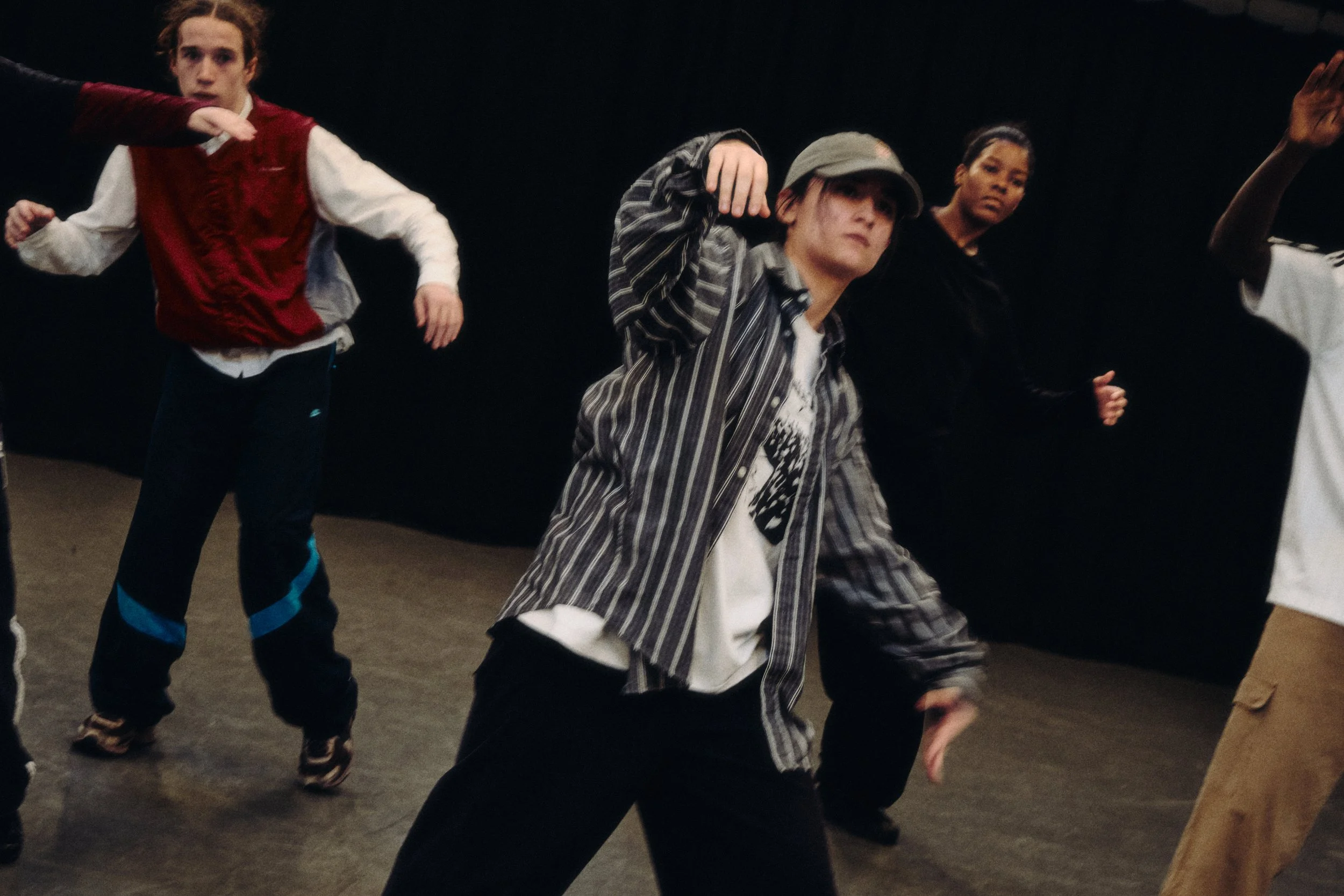
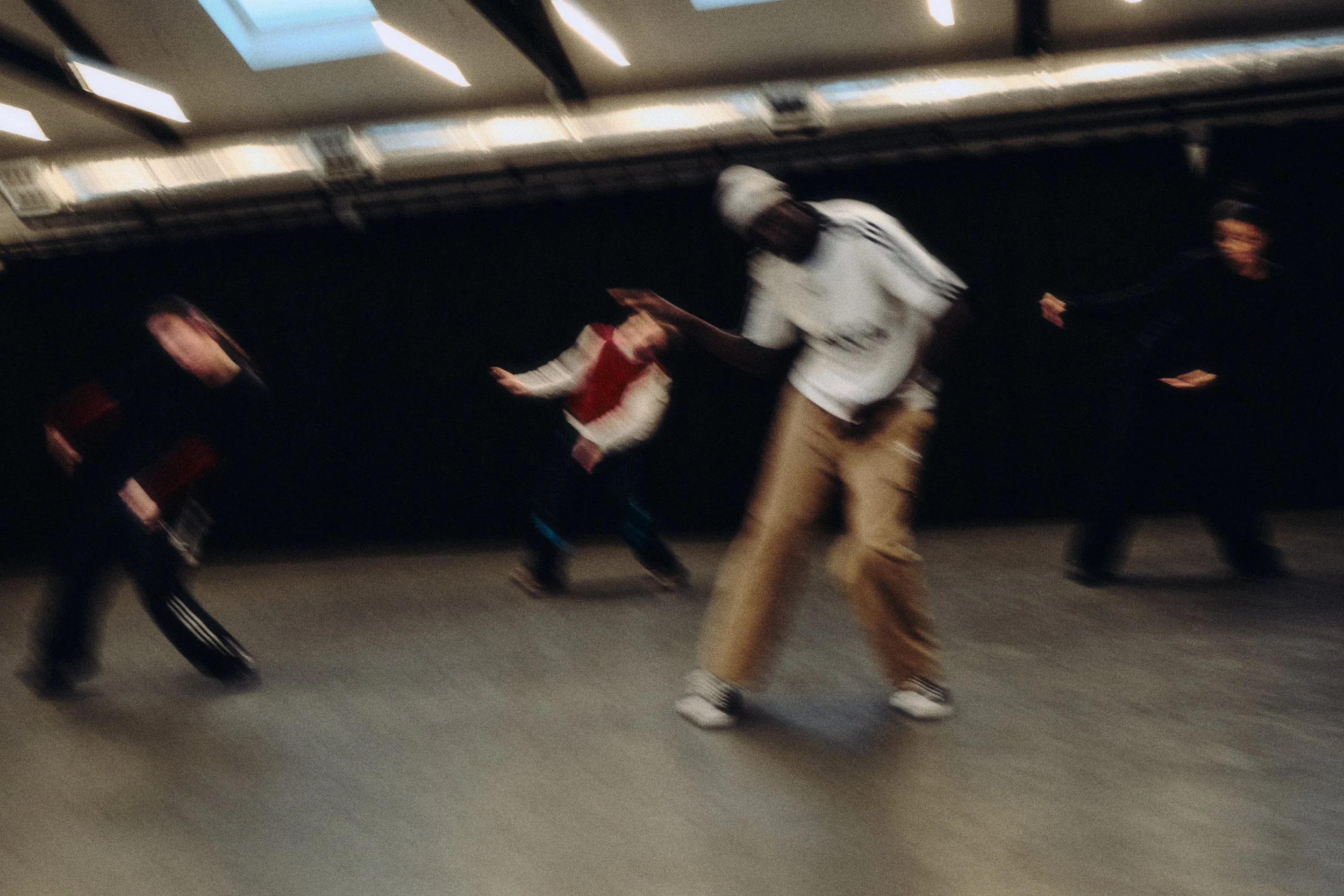
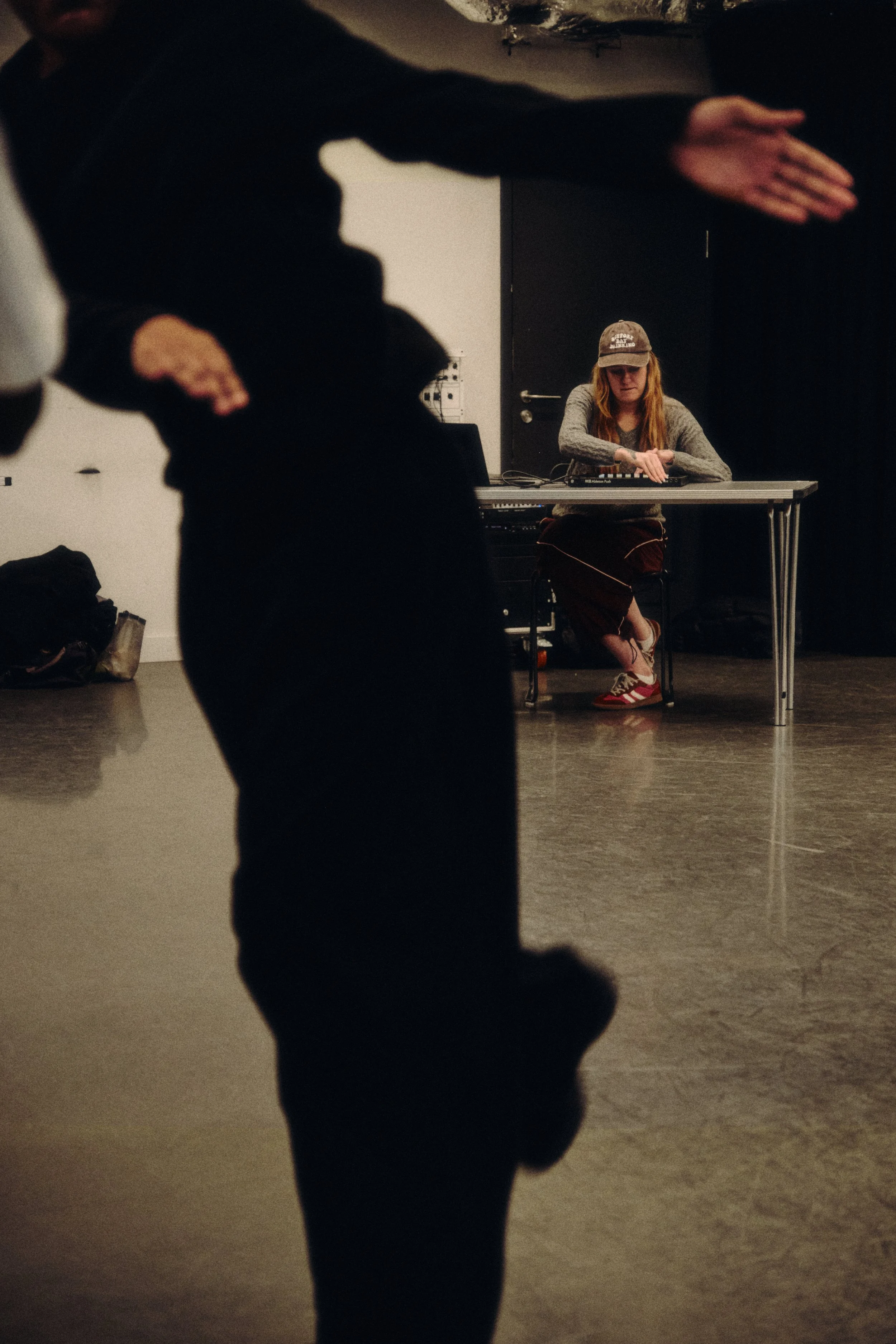
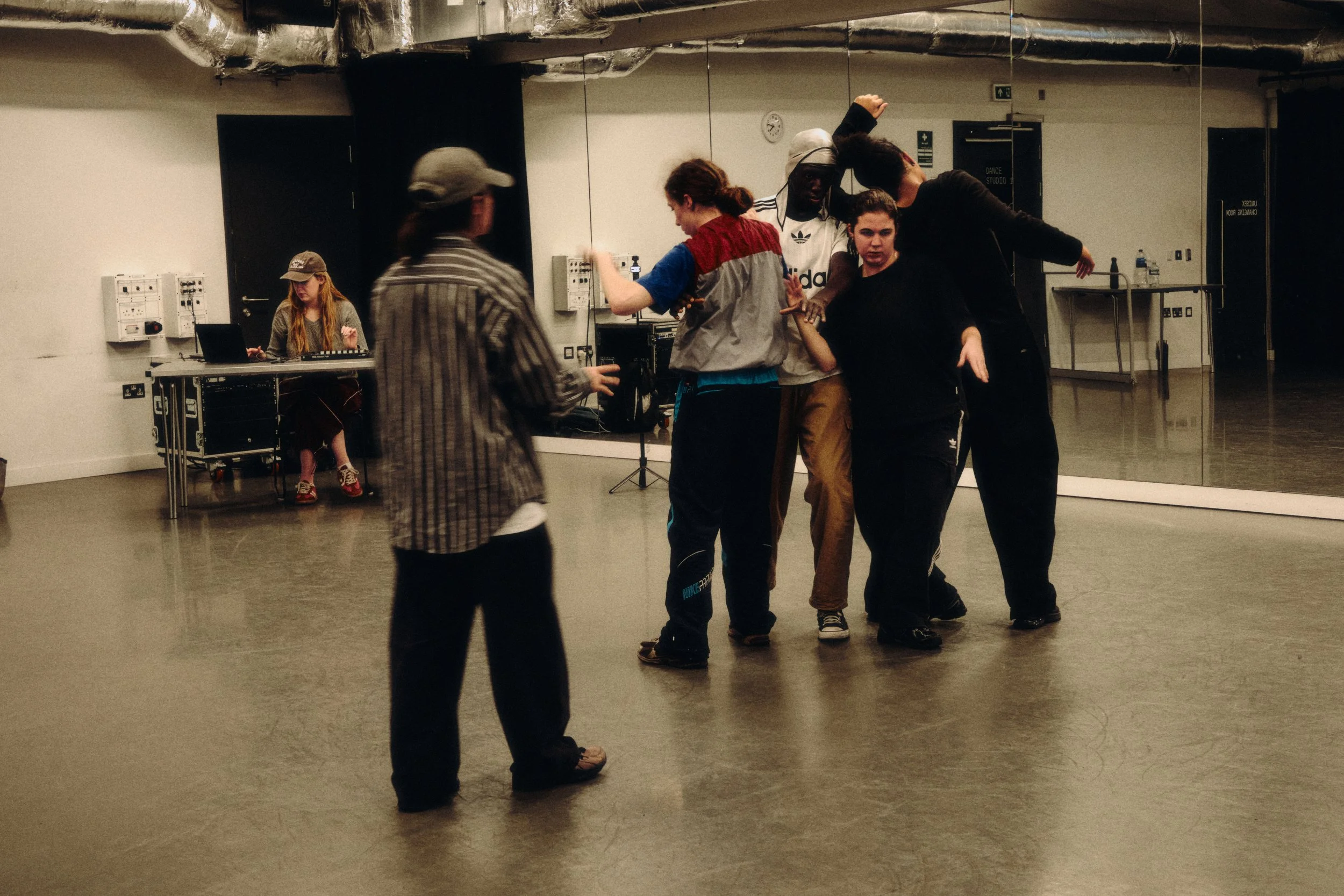
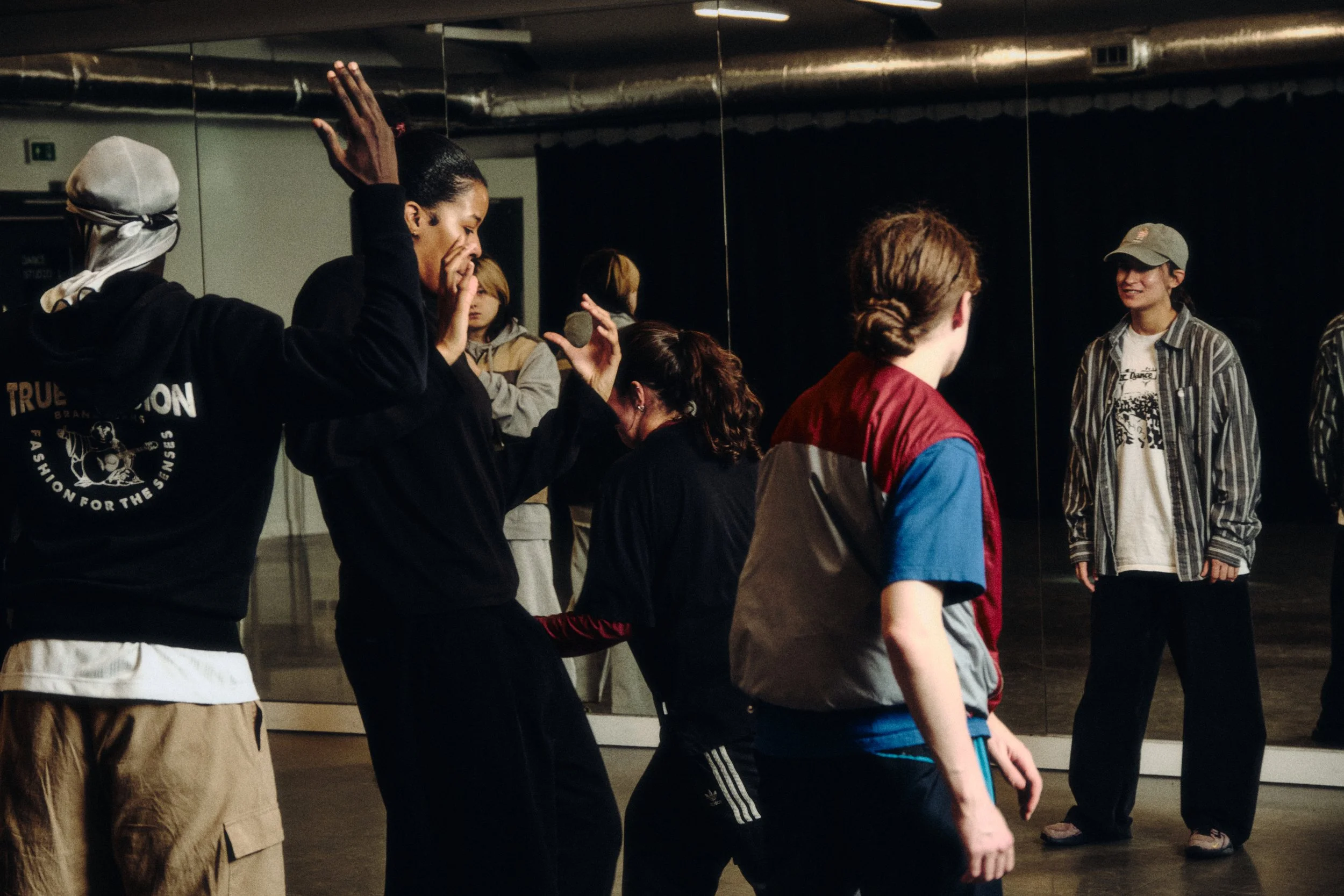
“There’s such a social aspect to battle spaces, and there are a lot of these spontaneous elements that get lost when you set something for the stage. But I’m really trying to hold onto some of them. The call and response, the individuality, the freestyle…. and the live-ness.”
Which part of the work are you most excited to see people’s reactions to?
I’m really excited for people to see the way we’ve used principles of popping. Popping is a super technical style. It’s so broad and there’s so many subsets within the genre. The whole piece is held within a structure that really relies on these elements of popping.
Why is it important to place street styles onto a contemporary stage?
It’s not represented enough on stage. There’s so much quality and technique within street styles that I firmly believe should be on stage… and given the resources to explore in depth. It’s also about giving work to and collaborating with other street style artists. Getting super high-level street dancers on stage and showcasing the brilliance that is within these underground dance cultures is really important to me.
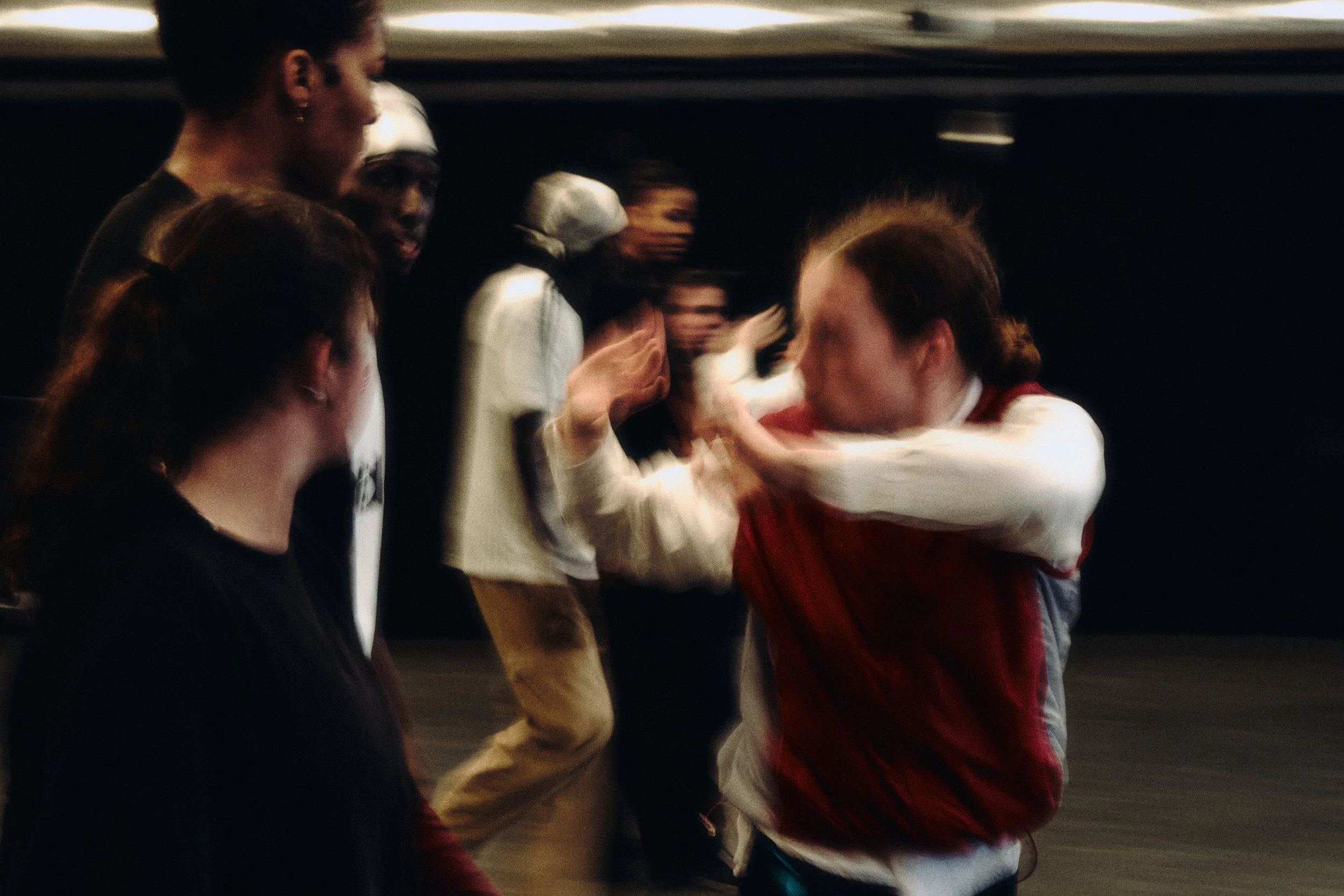
How did you select the dancers?
It was really easy. They’re my dream team of some of the best street dancers in the UK, and they’re my friends… some of them I’ve known for over 10 years. Rory Clarke and Bella Chieza, they’re the hip hop dancers in the piece, but I also make them do some popping. Matthew Eudu is one of the best poppers and animators in Europe. Lia Garner, who is sharing the role with me, is also a popper and contemporary trained. They’re all amazing at what they do.
What are the inspirations behind Blueprint?
Through the grant, I was able to go to Berlin and work with Saïdo Lehlouh, who has a company called Collectif FAIR-E. I spent 10 days there as part of my research and really saw how he uses structure to find coherence within freestyle.
I also saw a great piece at Sadlers Wells called The Centre Will Not Hold by Dorrance Dance. They had house dancers, jazz dancers, and Chicago footwork, and found unison within rhythm.
Aside from dance, I love Yoshitomo Nara. He’s a super whimsical artist. I really enjoy anything that feels crafty.
What about the inspirations behind the music?
We have a playlist of references. It’s very electronic, somewhat funky, somewhat housey… very glitchy and textural.
Monolake was a big inspiration. I really enjoy their sound. I also went to Robert Henke’s laser show at the Barbican, where 3D lasers were used alongside super atmospheric, electronic music. That was a huge inspiration as well.
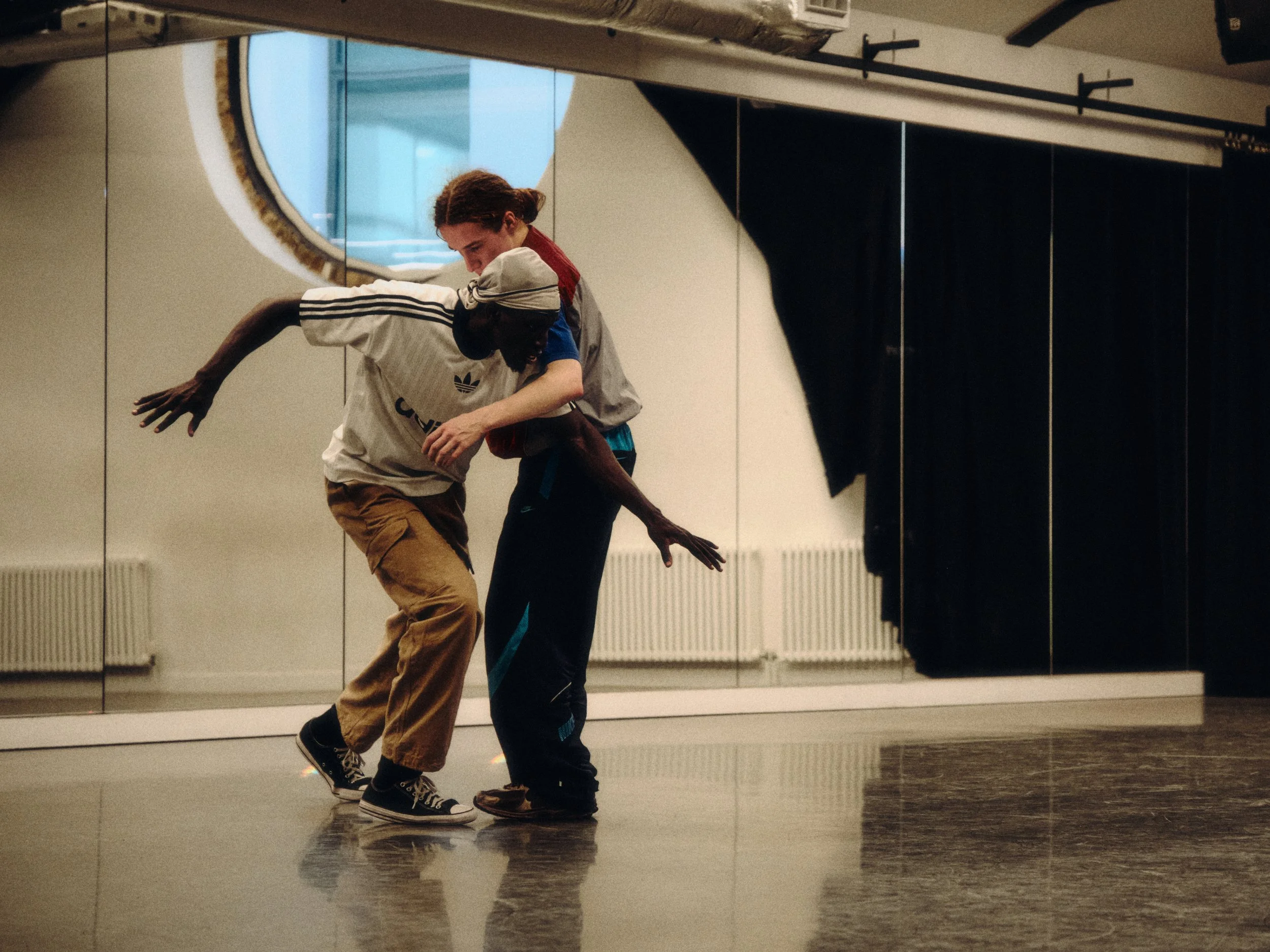
Talk us through a rehearsal.
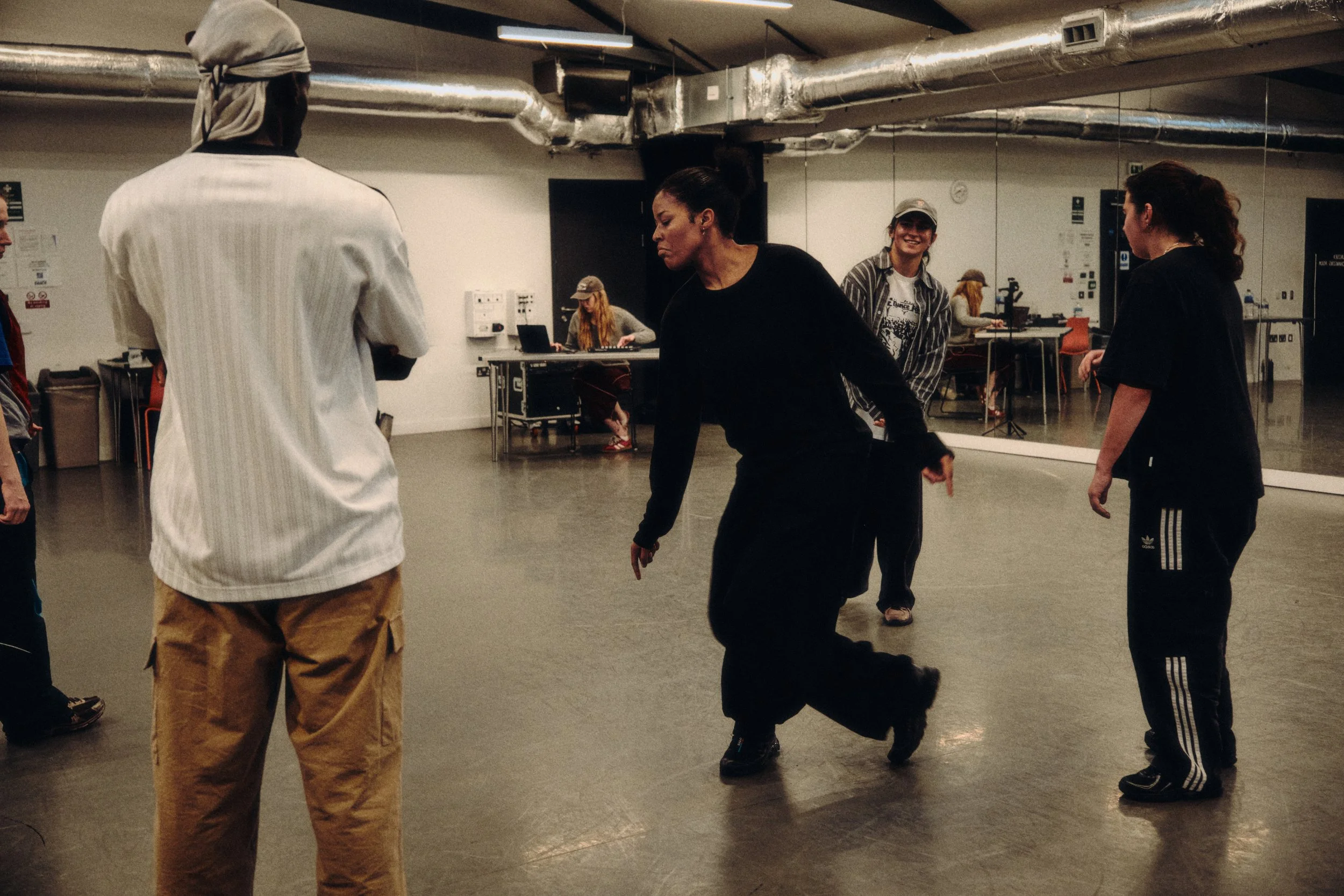
For the first hour we work on mobilising and warming up. Then I begin teaching a particular popping technique… could be waving, could be hits… so everyone in the room gets their bodies fired up. In terms of devising movement, we begin with a concept or principle from popping, drill it, and then each person in the room explores that in their own time before we exchange.
Cyphering was a huge part of R&D. And we’d do a high intensity interval workout every day. On the last day of rehearsals we also had Chloe, our composer, come in and do some live mixing.
“something so expansive that you’re not really thinking in terms of style anymore. It’s beyond style.”
Where is your favourite place to rehearse?
I have a few favourite places. We rehearsed at East London Dance for our second R&D. They very kindly offered us the space for the week. Their top studio is huge, it’s got mirrors on both sides, and the sound is good. East London Dance also supports a lot of street dancers, and they host events, so the venue is very familiar and homely.
The Place is great too. I studied there, so it’s very sentimental to me. To be able to host my own rehearsals towards a commission from them means a lot… very full circle moment for sure.
What is your rehearsal essential?
My Osmo Pocket 3. It’s a small camera with a little gimbal. I would recommend it to anyone who’s hosting rehearsals or needing to document rehearsal footage. Super wide angle, captures the whole room, and very discreet.
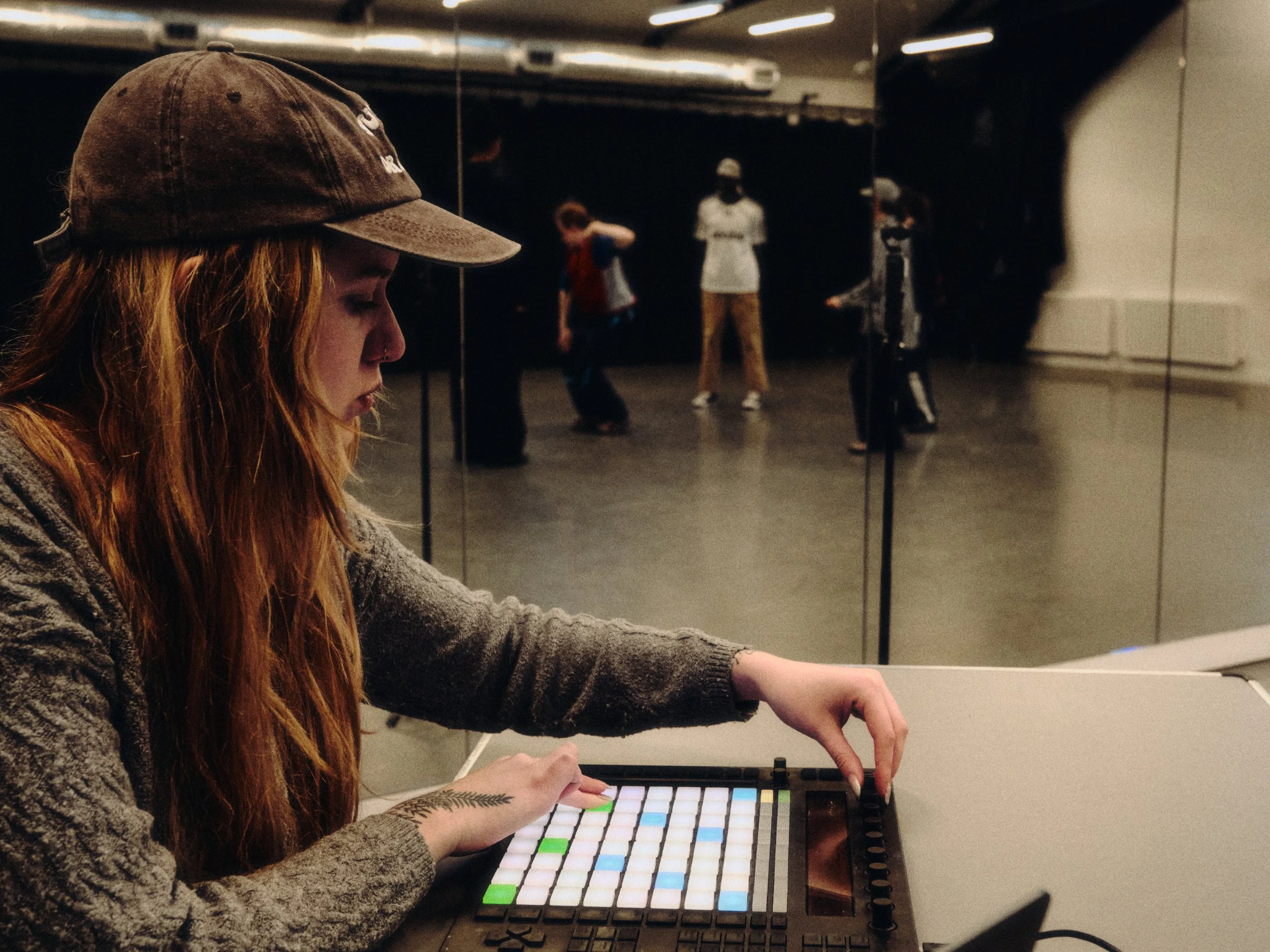
How have you maintained the integrity of street styles within this stage performance?
There’s such a social aspect to battle spaces, and there are a lot of these spontaneous elements that get lost when you set something for the stage. But I’m really trying to hold onto some of them. The call and response, the individuality, the freestyle…. and the live-ness. It’s also really important to me for the dancers to find a sense of playfulness, so that every time we do it, it’s slightly different.
It’s a very frequent conversation that I’m having with myself when taking non-institutional practices and putting them in institutions. I think it will be an ongoing discussion.
What else have you considered when it comes to Blueprint’s impact?
I think the decision to work with particular people is really felt within a work, even if you don’t see it, whether that’s who’s on music, who’s on lighting, who’s on photo or video, or who’s producing the work. It’s really cool to be able to platform women and queer people to lead these creative areas… and it’s intentional. We are the minority in these spaces.
Working sustainably is also part of my ongoing research. I manage chronic illness, so I’m very aware of the environment that I want to create through having regular breaks, finishing early, and making sure we warm up properly. Not overexhausting the dancers in the room. It’s been lovely to see that good, effective work can be done without burning out the dancers, and without burning out myself. That’s something that I’m quite proud of from the week.
