
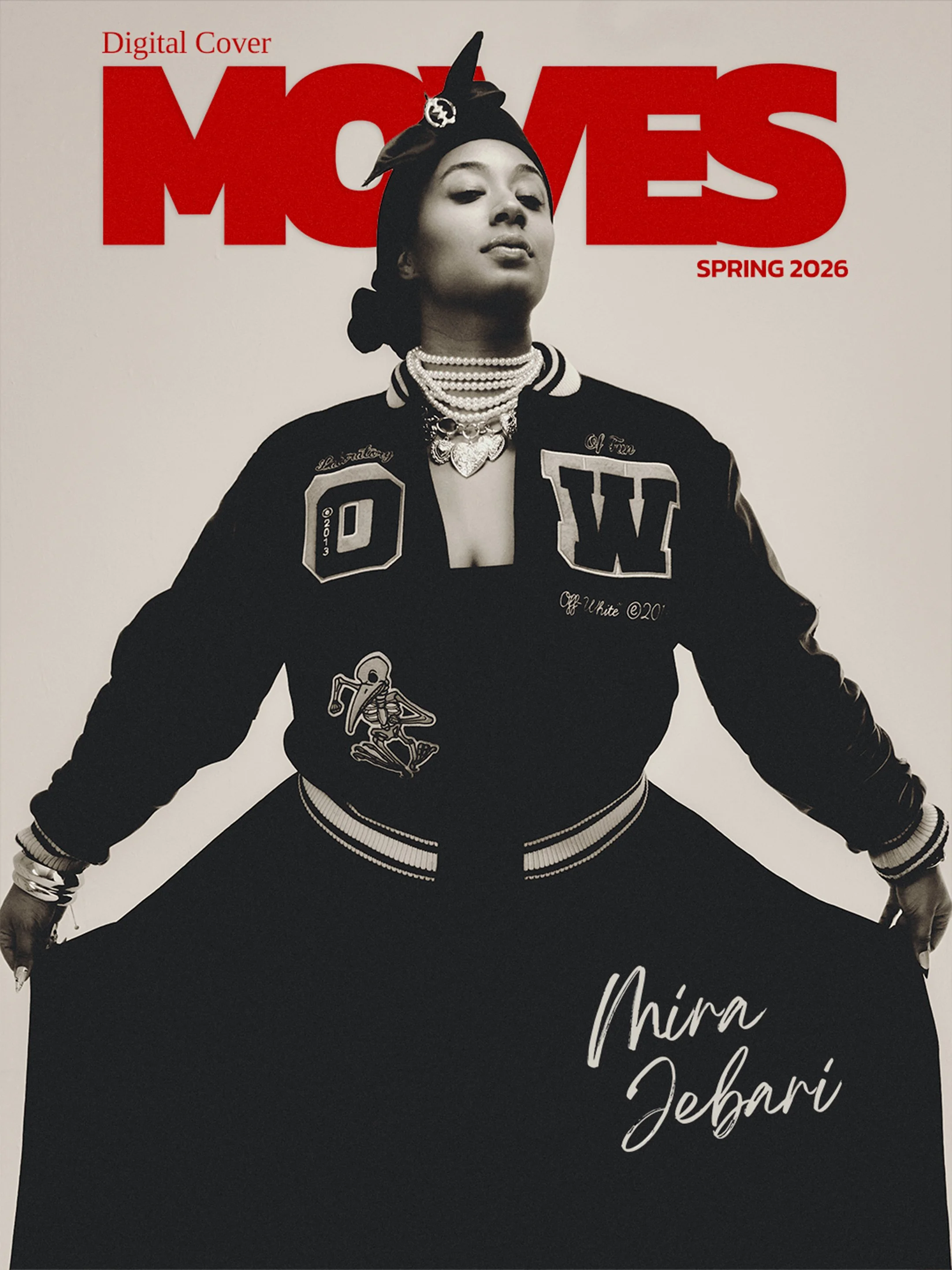
Mira jebari
a balancing act:
Photographer & Art Director SHOKIRIE CLARKE // Creative Director MIRA JEBARI // 1st Photo Assistant ASRA ALI // 2nd Photo Assistant & BTS ELIZABETH QUEK // Movement Director GEORGE DUKER (UNKLE TC) // Stylist ALMANNI ALI // MUA PORTIA LAWRENCE // Hair ANGELENE GIBBONS // Nail Technician SIMONE RICHARDSON // BTS SOPHIE BRADBURY
A quick glance at Mira Jebari’s Instagram will have you reeling (pun intended). Sean Paul, Tems, Alicia Keys. Mira’s done it. Tyla, Tiwa Savage, movies, and even major sports brands like Under Armour. She has genuinely done it all. But, rather than rushing to check career boxes, timing and patience have always been kept at the forefront. A thoughtful mix of drive and calm. MOVES talked to Mira about how she maintains this balance, and why she feels it’s so important in the dance industry.
Words MIRANNE WATLEY
One of the main points she stressed was her desire to mix juxtaposed poles. Femininity and masculinity, for example, are fused in much of her choreography. Separations are bridged. This balance also appears in her work ethic, where an embrace of creative individuality and disciplined group goals are able to coexist. With training in a wide variety of styles, Mira’s choreography fuses jazz and hip hop with Afro and dancehall. Her work, as she describes it, allows space for contrast. “It takes people on a journey”. This is Moves by Mira.
Adjacent to her distinct choreographic voice, Mira explores contrast in fashion. Just like dance, fashion lets her express herself freely, and, inspired by risk, she mixes and matches. “I love trying different energies together that might not be the norm.”
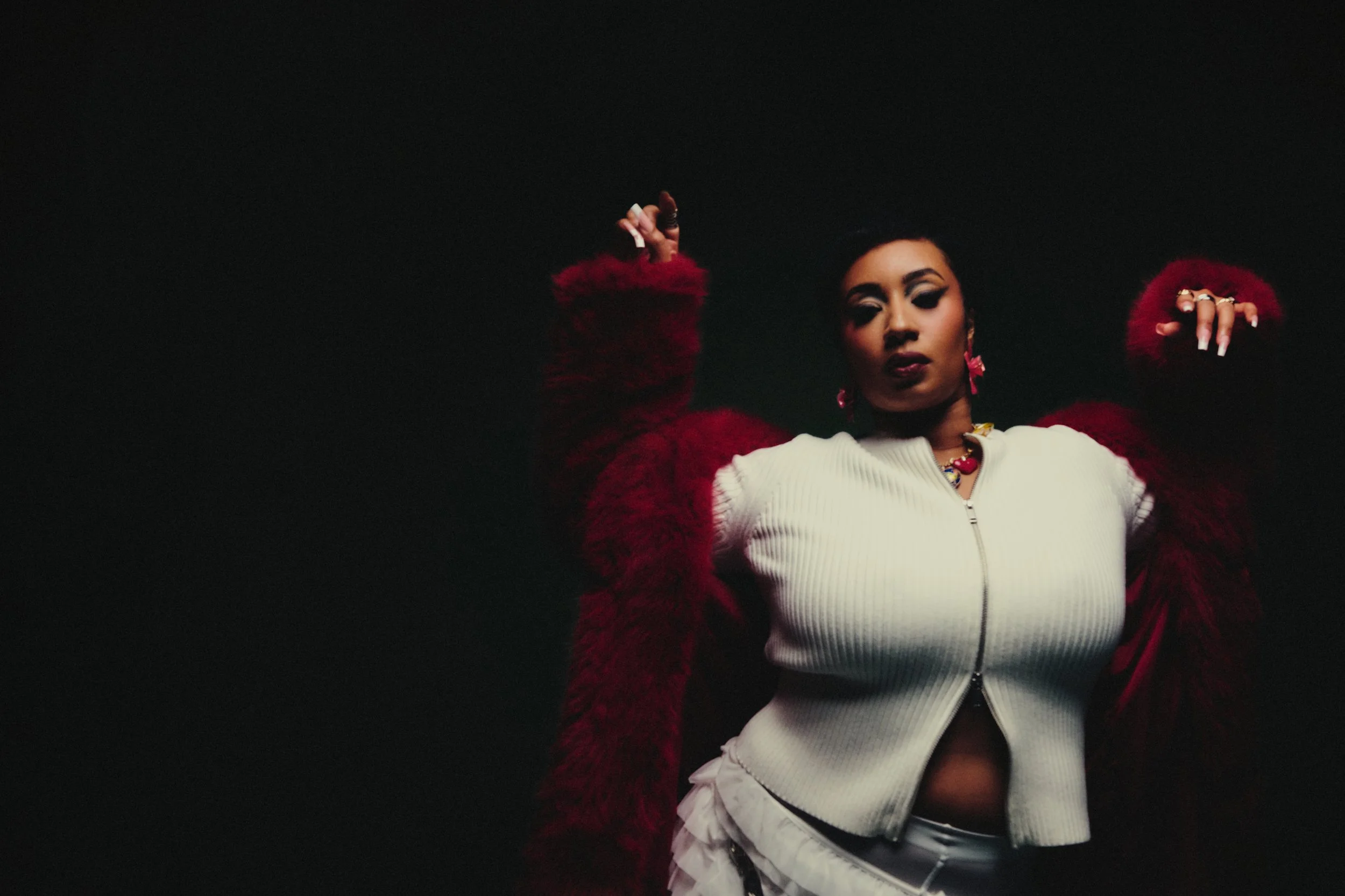
“be disciplined enough to be honest with yourself.”
While balancing her love of fashion and dance, Mira has remained an influential figure within the dance world. At the heart of Mira’s work is her desire to shift the industry, and to make it a safer space for other dancers. She discusses how she has seen it change in recent years as well as the importance of community and training with other people. “We all need to play a role in making it better, because it’s our industry.”
With over 13 years of experience and a lengthy list of credits, Mira shares her takes on some of her biggest jobs, her approach to choreographing, and advice for younger dancers hoping to succeed in the industry. Read the full interview below.
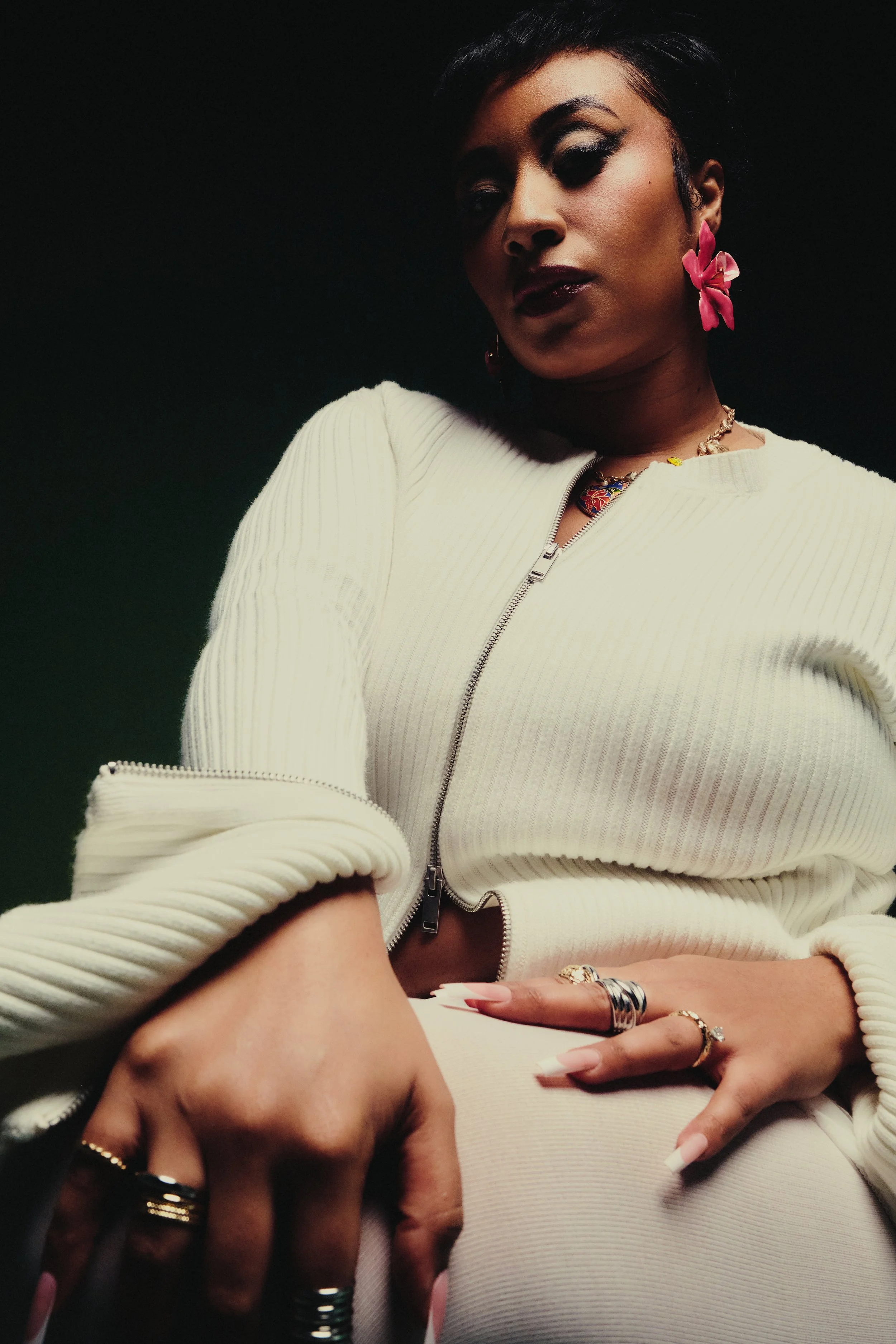
“I wanted to show dance artists, especially younger Black dancers, that we don’t have to wait for people to give us gigs, we can create our own.”
Can you introduce yourself?
“I’m Mira Jebari and I’m a dancer, choreographer, movement coach, and mentor. My first love is dance. My second love is music, and I also love creating pictures on other people.
I’m African, from Ghana and Morocco, and I’m really in tune with my culture…it appears in everything I do… so that’s something I’m really proud of. But being born in London also gives me that UK energy. It’s a nice balance.”
How did you begin dancing and working in the industry?
“My mum and dad put me in ballet when I was 3. Then I did performing arts in school (so music, drama, and dance), but I always gravitated more to dance.
I was technically trained in college but I also had a love for Hip Hop and street dance, so I joined Boy Blue in 2015 and that’s where a lot of my training, outside of classical technique, came from. Prior to this, I went to Middlesex University to study dance… but due to a severe injury, I had to leave after my first year. This was a blessing in disguise as my career excelled in many ways after that.
Also, choreographing has always been a big thing for me. I started sessions in Husky Studios and Studio 68, and from there UK artists would hit me up to choreograph their music videos. So it happened naturally.”
You’ve described your choreography as a mixture of feminine and masculine energy. Can you elaborate on this?
“Growing up with an older brother and a lot of male cousins, I was a bit of a tomboy. I really loved Hip Hop and I was really in my masculine energy, especially in Boy Blue. In the commercial world, they weren’t looking for girls to do masculine moves. To book jobs girls had to wear heels so, if I wanted to do this, I had to fall into that bag, which I did. I always merge the two together when I’m creating. My style is a combination of everything I’ve learned.”
How do you start your process of choreographing?
“The first thing is the sound. The music has to resonate with me. I’ve turned down jobs because it just doesn’t fit, so that’s how I would start… the music has to align with me.”
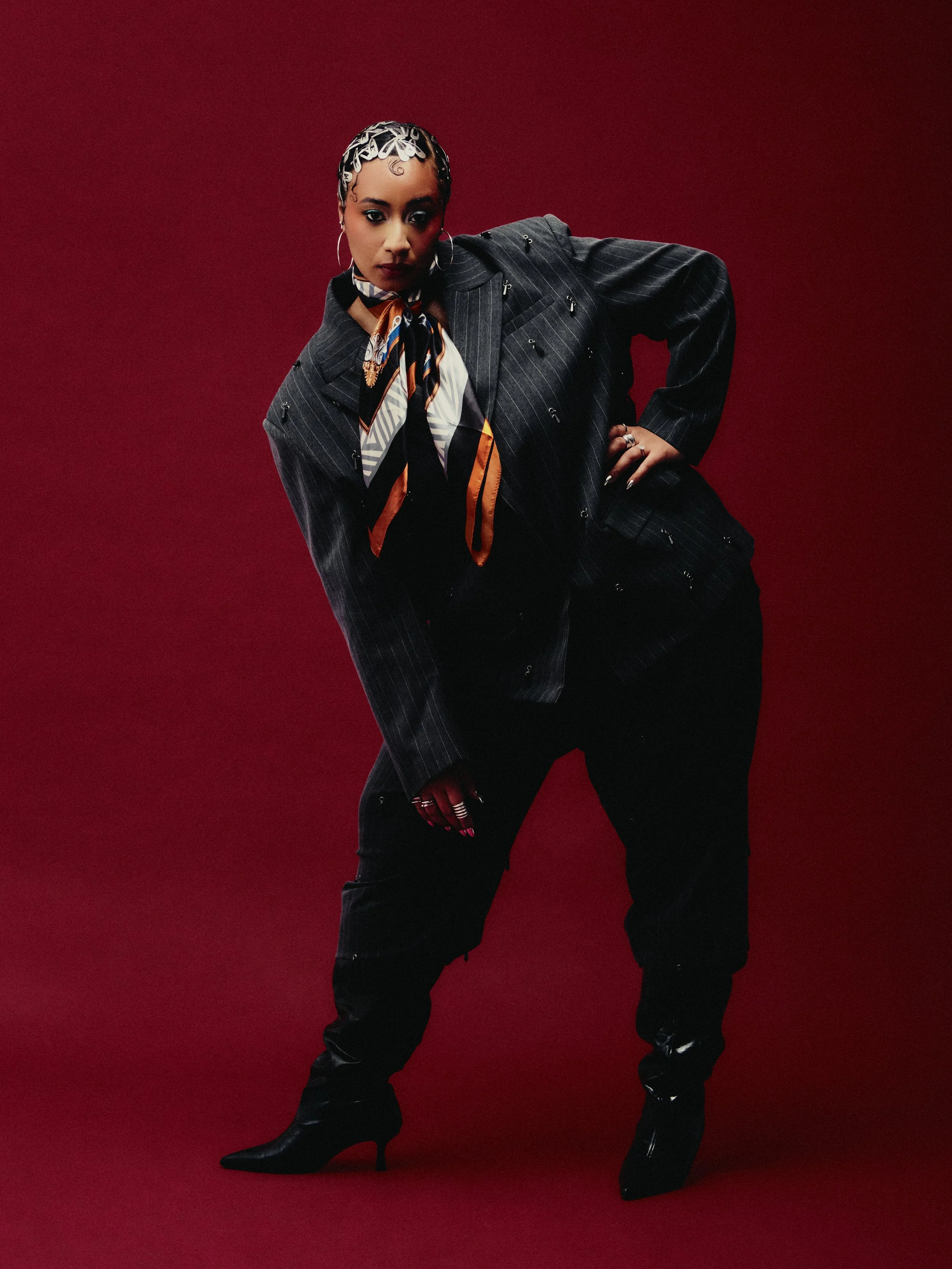
Your career is packed with credits. Can you talk about the tour you danced on with Tems?
“I’m not a big fan of flying. And I was actually manifesting a tour for years, knowing deep down I wasn’t ready, because of the flying. But that tour was really eye-opening for me. It was amazing. Definitely one for the books. And I feel like I accomplished something big, just because of the fear that I overcame.”
I would say to dancers to make sure you’re ready for tour on every level. Not just the moves but being away, living out of a suitcase, putting your body through the travel. Make sure that you’re ready mentally and physically and training for the tour because it’s not for the weak.”
How did you manage these more demanding aspects of tour?
“God and prayer. That’s a big deal to me, I’m very spiritually connected. I don’t think I would have even gone on the tour if I wasn’t in tune with that. It helped to have a moment to myself to pray, meditate, or do yoga. Something to centre myself.
Also, the encouragement from my husband, family, and close friends who supported me through that time.”
How did you manage these more demanding aspects You’ve also done a lot of staging for Tyla. What keeps you returning to jobs with her?
The team. Who you’re working with is extremely important and the team is just so much fun. Big vibes! It makes it feel less like work. Don’t get me wrong, it does get hectic and intense at times, but the team makes everything so much easier. Also Tanisha Scott, another mentor of mine, is like family to me, and I have worked with her on quite a few different projects over the years. Anytime I get to work with her I know it’s going to be good.”
Outside of dance, are there other art forms that inspire you?
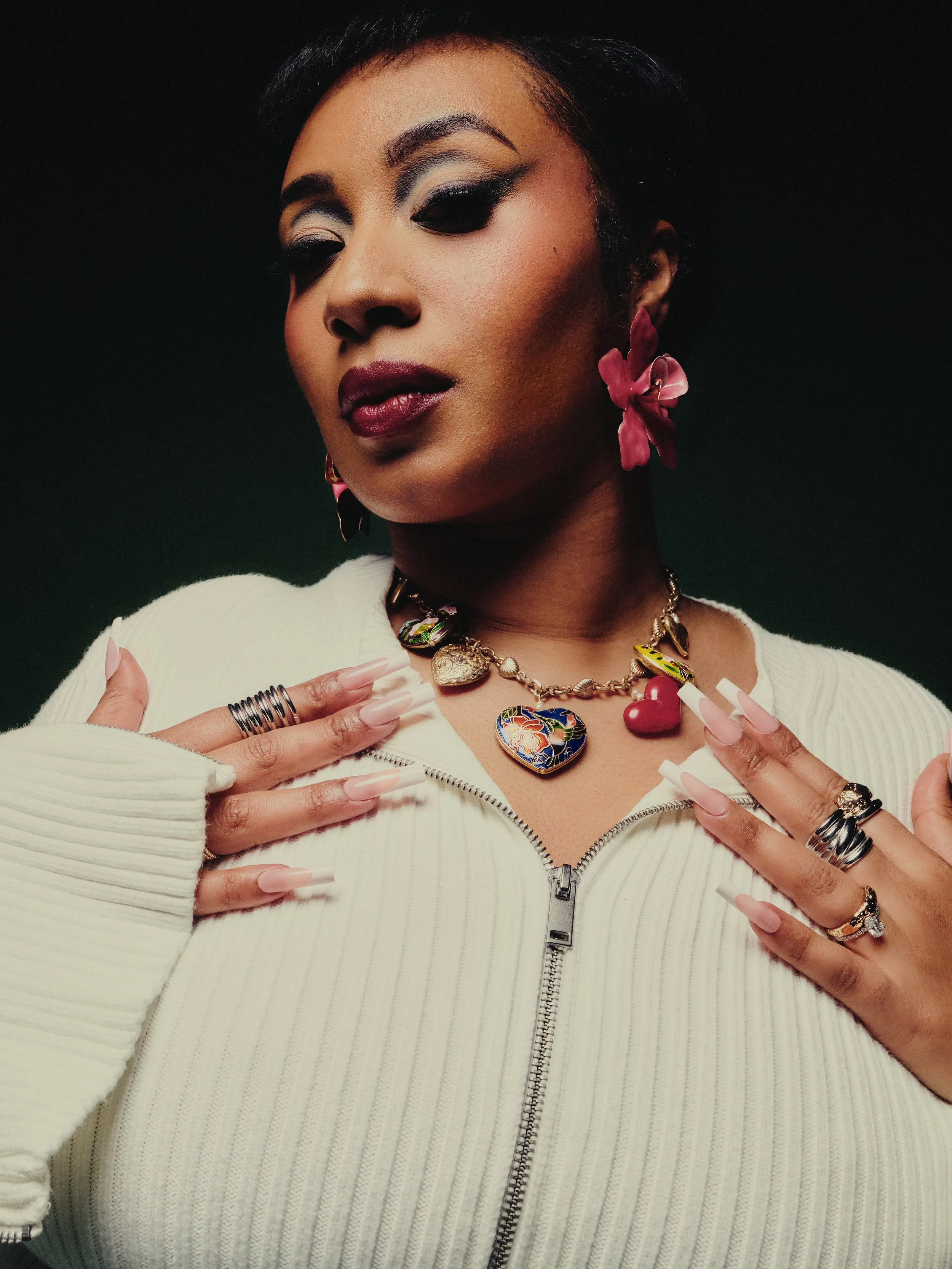
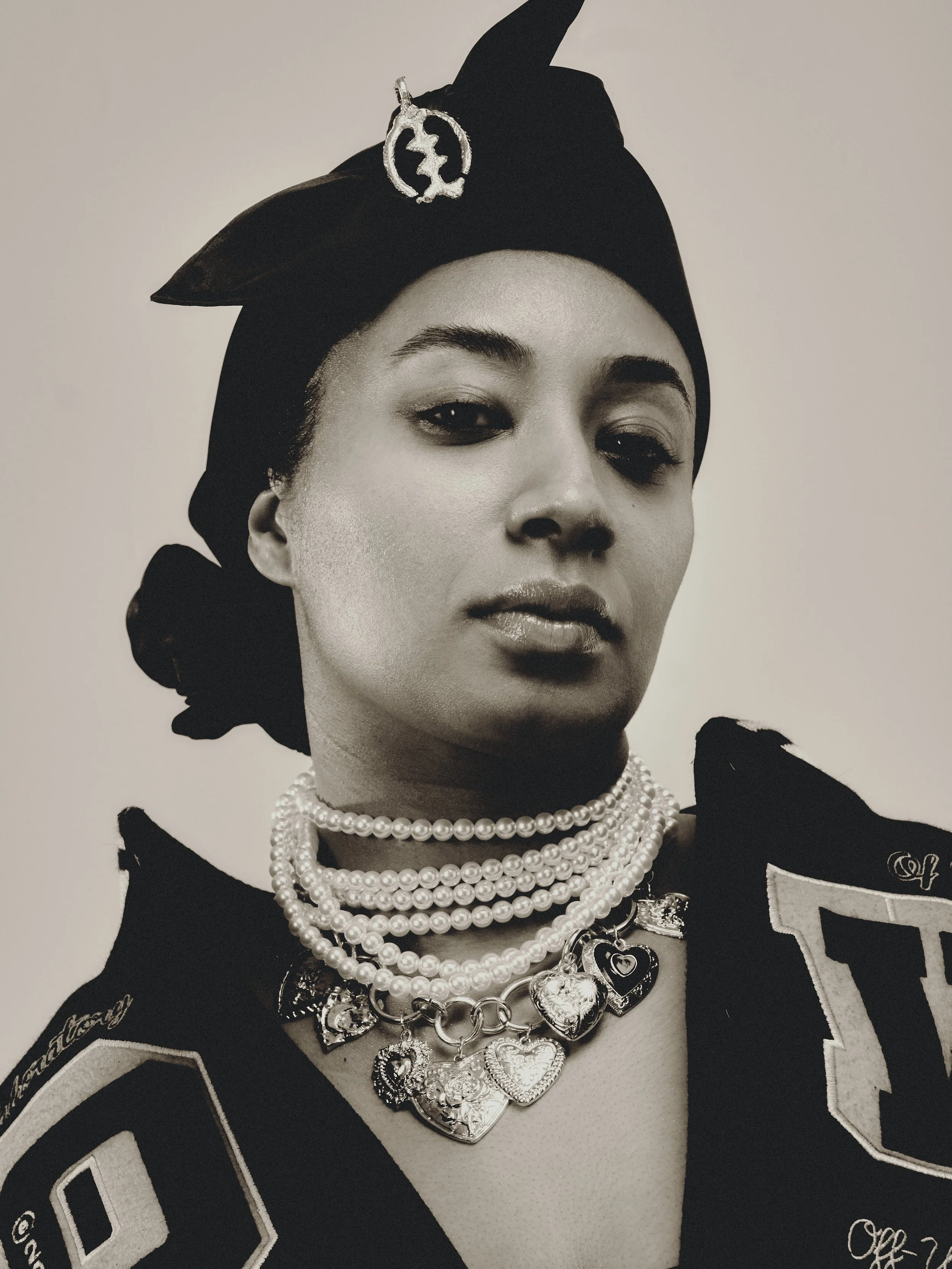
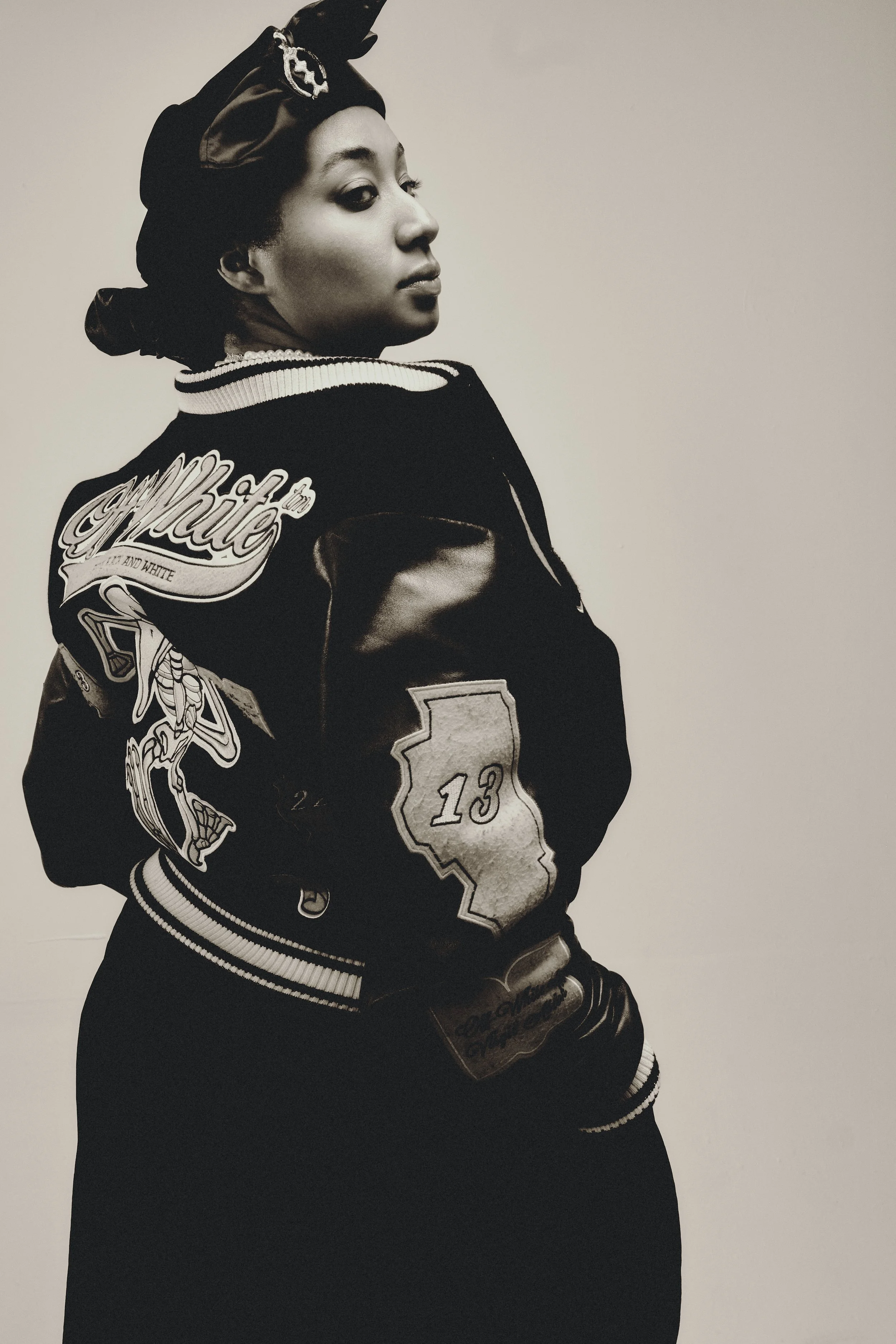
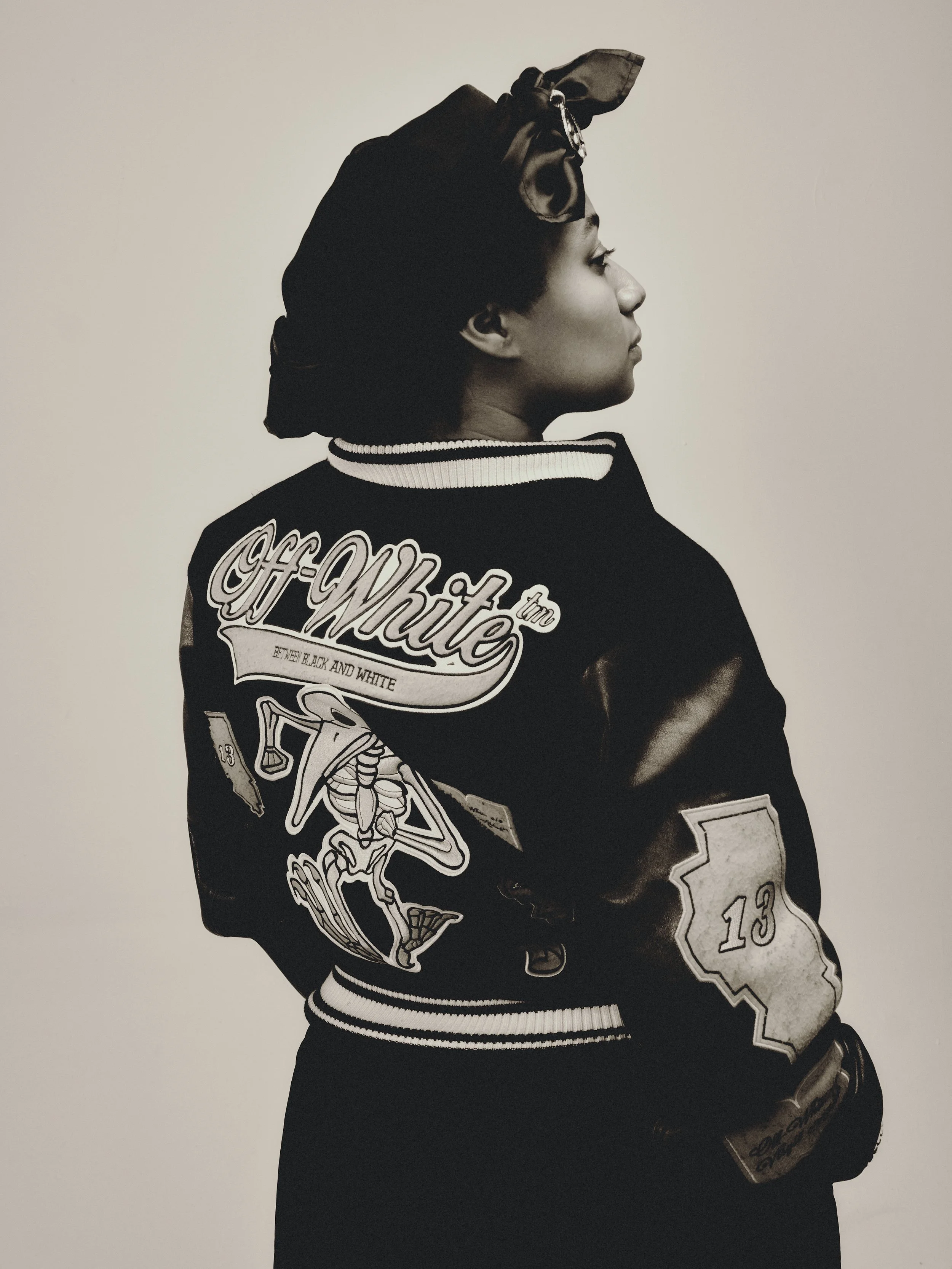
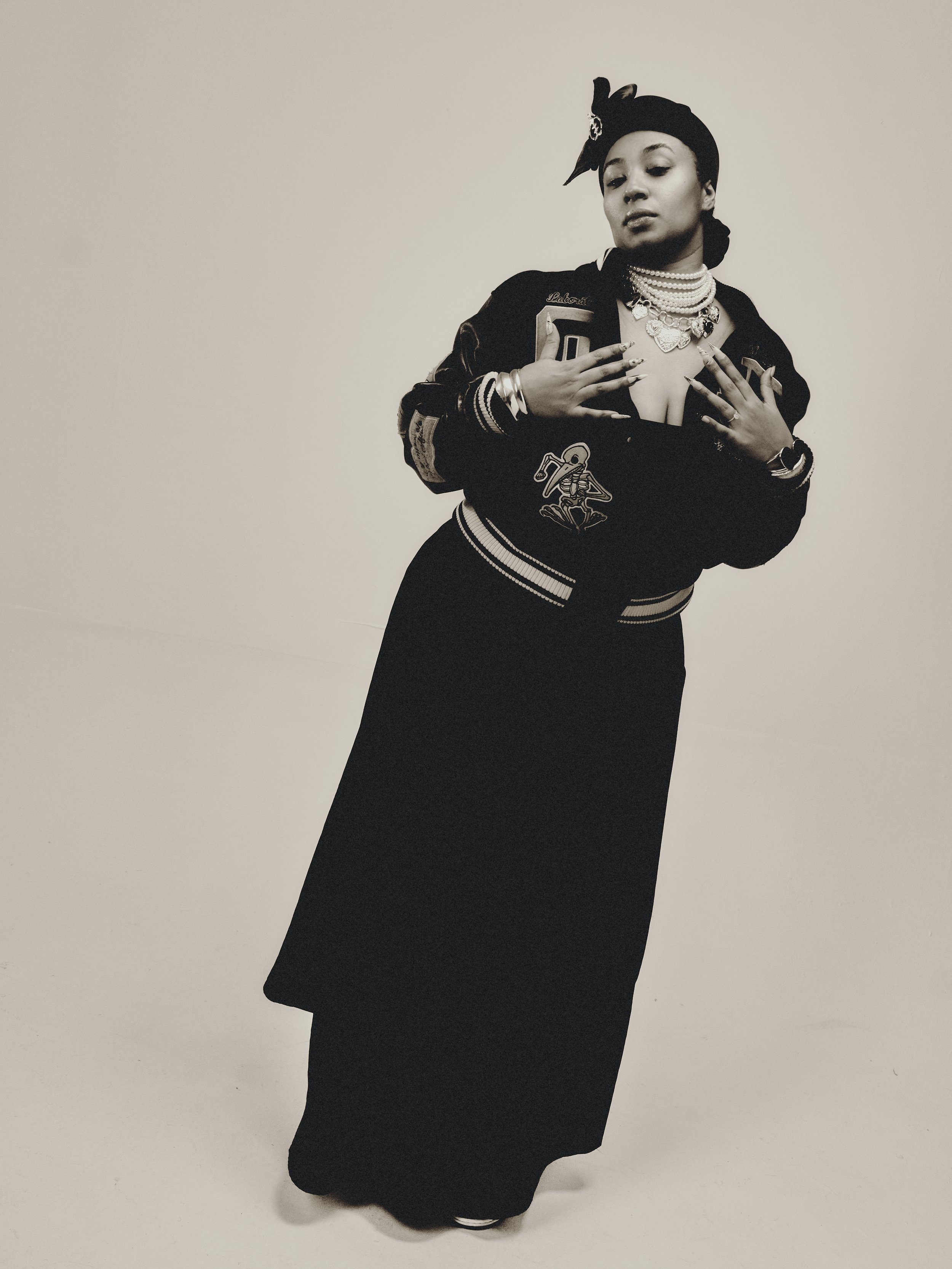
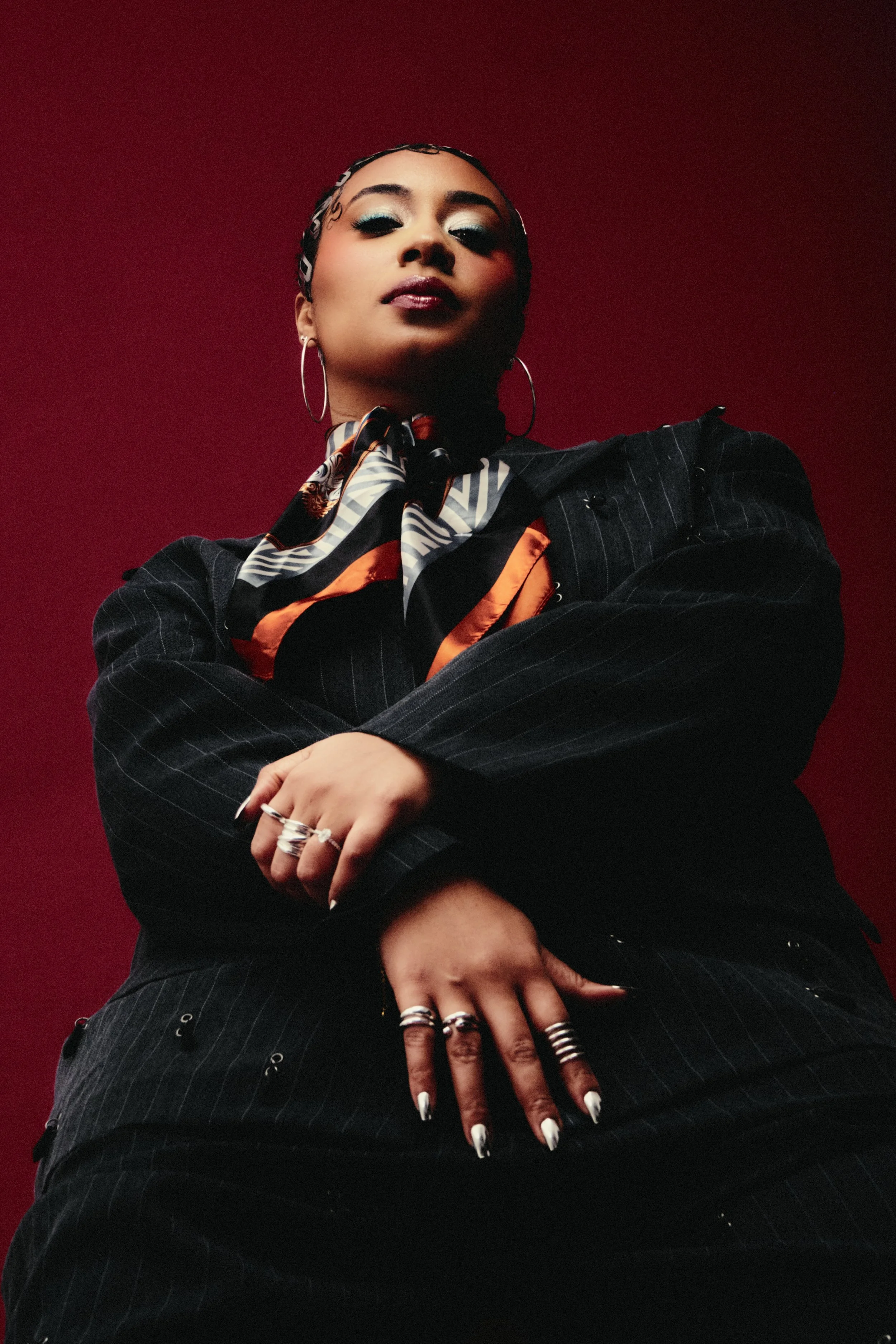
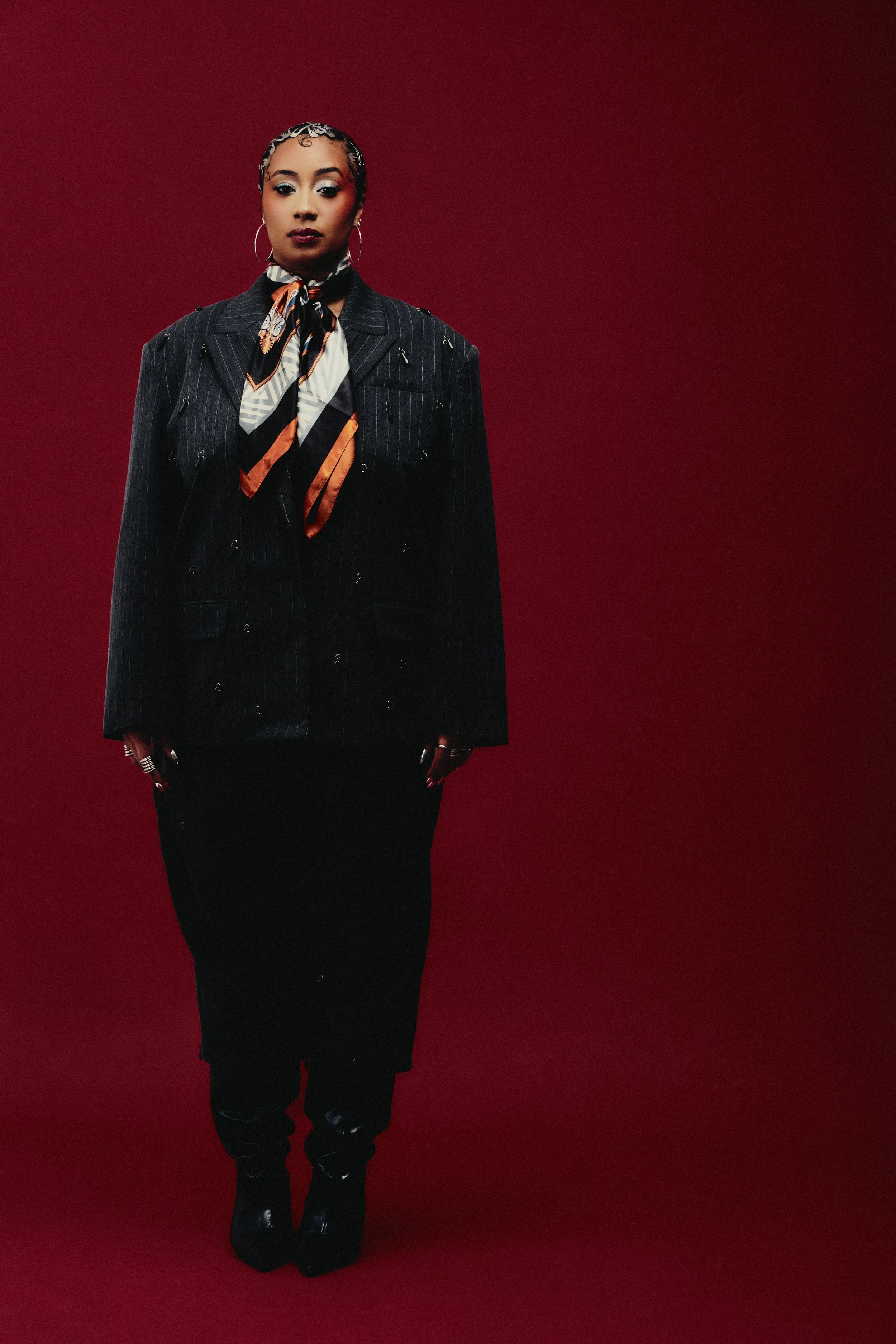
“Fashion lets me wear my identity. It’s very similar to dance as they both allow you to genuinely express yourself. My husband always laughs at me when I do this, but I dress depending on what I’m choreographing. If I’m in my masculine energy, I’ll wear a hat or a baggy hoodie. Fashion lets me embody whatever I want. And, just on a normal day, I love trying different energies together that might not be the norm.”
Who (or what) are your fashion influences?
“The first person I think of when it comes to fashion is Rihanna. Definitely up my street with how risky she likes to play things. Also, London street culture has always had a big influence on my fashion and choices.”
What impact do you want to have on the dance industry?
“I want people to remember that you should be your authentic self. In this industry, it’s very easy to get lost and doubt yourself… to think that you’re not good enough or you’re not doing enough. You have to be determined and you have to love it. I would also say be disciplined enough to be honest with yourself. You need to have discipline. Hold yourself accountable, whether that’s about getting better, training more, or going to more classes. Being honest with yourself is important on a human level, not just an industry one.
I also want people to see my story as a testimony. If I can do it, it can be done, especially as there were a lot of odds against me. In 2012 there would be times that I would go to auditions and not get the job, knowing that my talent was still good. It was just an aesthetic thing. You only had one Black token dancer and that was usually it. Dealing with body shaming and rejection was intense, so I stopped dancing for a year in 2012, but my passion for it never wavered. One of my mentors, Kenrick Sandy, encouraged me to continue in the commercial field, and to consider teaching as well, so that’s when I’d do classes and create with my friends.
I returned to dance with a completely different mindset. I wanted to show dance artists, especially younger Black dancers, that we don’t have to wait for people to give us gigs, we can create our own. My development programme, M.R.D. (Mindset, Reality, Dance) offers intensive training to help aspiring and professional dancers develop the skills necessary to succeed in the industry.”
“You can’t be waiting for other people to give you a job. Set pace for yourself.”
What do you think is the most important quality to make it in the dance industry?
“Versatility for sure. Resilience and thick skin. I’d also say do your own thing. You can’t be waiting for other people to give you a job. Set pace for yourself.”
And how do you see the industry changing?
“There’s so much space for everyone to create, so many diverse people doing incredible things that you can learn from. There’s so much talent in the world right now, and I feel the industry is definitely more open and welcoming.
I also see a lot of individuality now, which is good, but it’s a matter of knowing when to use it. When you’re dancing in a group or company and you’re standing out for the wrong reasons… that’s not what we’re looking for, we’re looking for unison. If you’re trying to book with an artist, you all need to look in sync. Be an asset, not a liability.
I feel like there is still more space to be unified and train with other people as a whole in the dance community. And we all need to play a role in making it better, because it’s our industry.”