
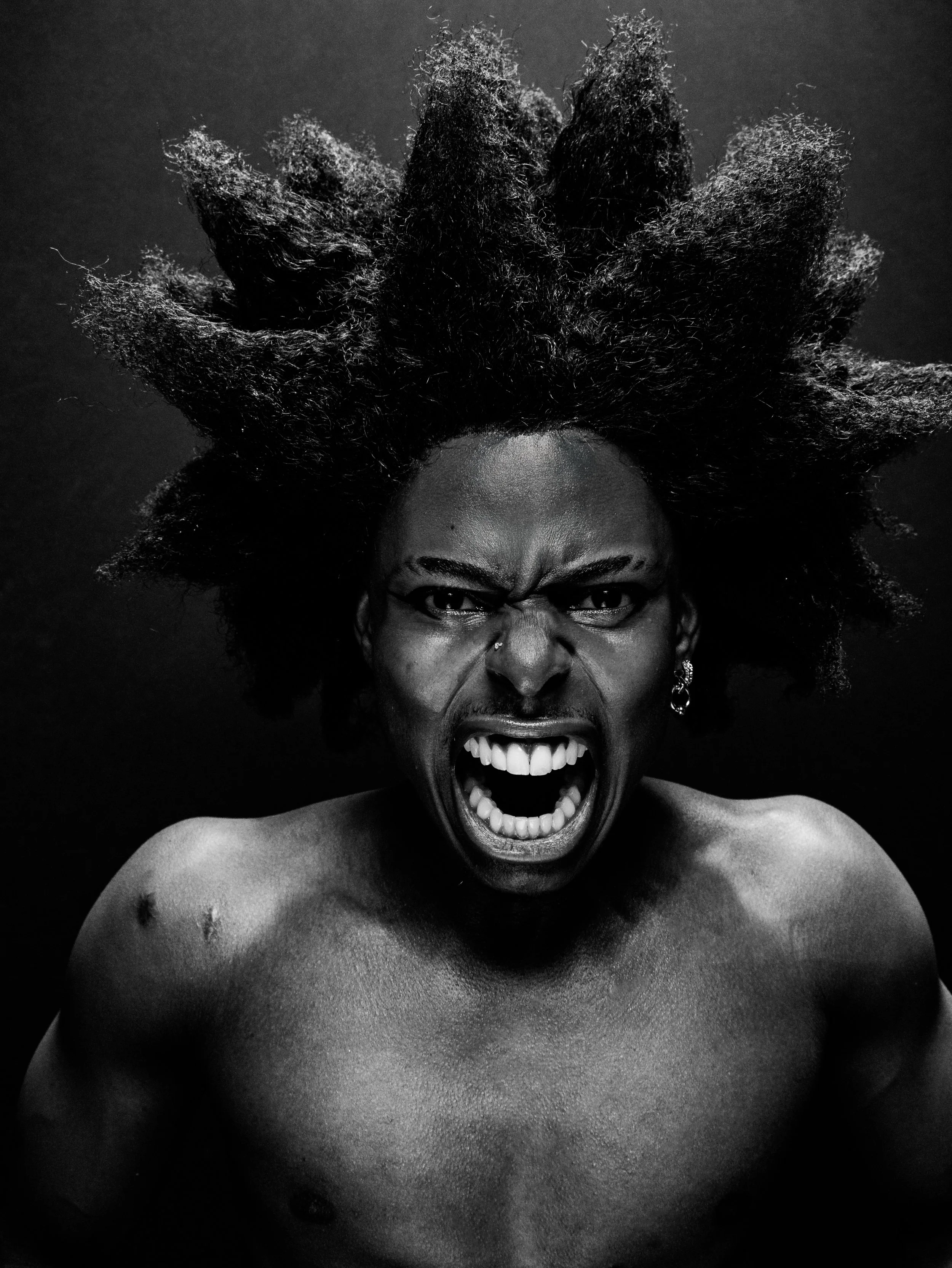
Joshua Ike
outside the box:
Photographer EMMANUEL PORQUIN // Styling ALMANNI ALI (MELO) // HMUA NGOZI CHRISTINE // Movement Director ELIANA MANDELBLUM
No limitations. No linear route to success. Life-changing Detours. Joshua rejects all traditional trajectories and takes himself outside the box. Theatre, TV, Live performances, Film, creative entrepreneurship, the sky is the limit and he’s only getting started.
Words FIYON GIBSON
You’ve seen him hit the West End in Crazy For You and the original cast of Disney’s Newsies, toured the UK in Hairspray and Quadrophenia: A Mod Ballet, and dance on your screens alongside artists including Busta Rhymes and Anne-Marie. With appearances across film in Wicked: For Good (Part 2) and Better Man, Joshua Ike is an artist of many facets.
Now he is currently playing Boy In The Cage in Andrew Lloyd Webber’s Masquerade (Lee’s Art Shop) in New York City. Joshua shares that moving to NYC has unlocked his creativity to new heights. But, how did he get there?
The road was not straightforward, with detours along the way. Knowing that he would find his purpose and owning that not fitting in is his superpower, Joshua has always been true to himself, ‘my purpose is being multifaceted.’
“There wasn’t really an agency that had strong relationships on both sides, with labels and artists, but also with dancers and choreographers. I remember thinking, okay… there’s a gap here, let’s make this work.”
A job in Saudi Arabia led to an opportunity to dance for Busta Rhymes and Swedish House Mafia at the FIFA World Cup Opening and Closing Ceremonies, “Growing up freestyling to tracks like "Break Ya Neck" and "Look At Me Now," then dancing behind the artists performing them live… that was a TIME.
Ending the year on a high, Joshua got up to other creative endeavors. After managing his best friends, who are in industries including athletics, dance, beauty and fashion, Joshua moved into artist management. “There wasn’t really an agency that had strong relationships on both sides, with labels and artists, but also with dancers and choreographers. I remember thinking, okay… there’s a gap here, let’s make this work.”
Now, Joshua works to bridge the gap between record labels and dance communities, as the founder of Move. “That’s the detour. I accidentally took a year out and somehow Move happened during that time. By the end of that same year, I got a call from my first ever job, Hairspray UK Tour, which became the first time I was trying to build an agency whilst also performing.”
“Then I made the move to New York. Looking back now, I feel like God took me through all these random detours and somehow it all came back together. I get to build Move whilst still continuing my own career as an artist.”
MOVES talks to Joshua about being multifaceted, how he bounces between industries, his upcoming project and more.
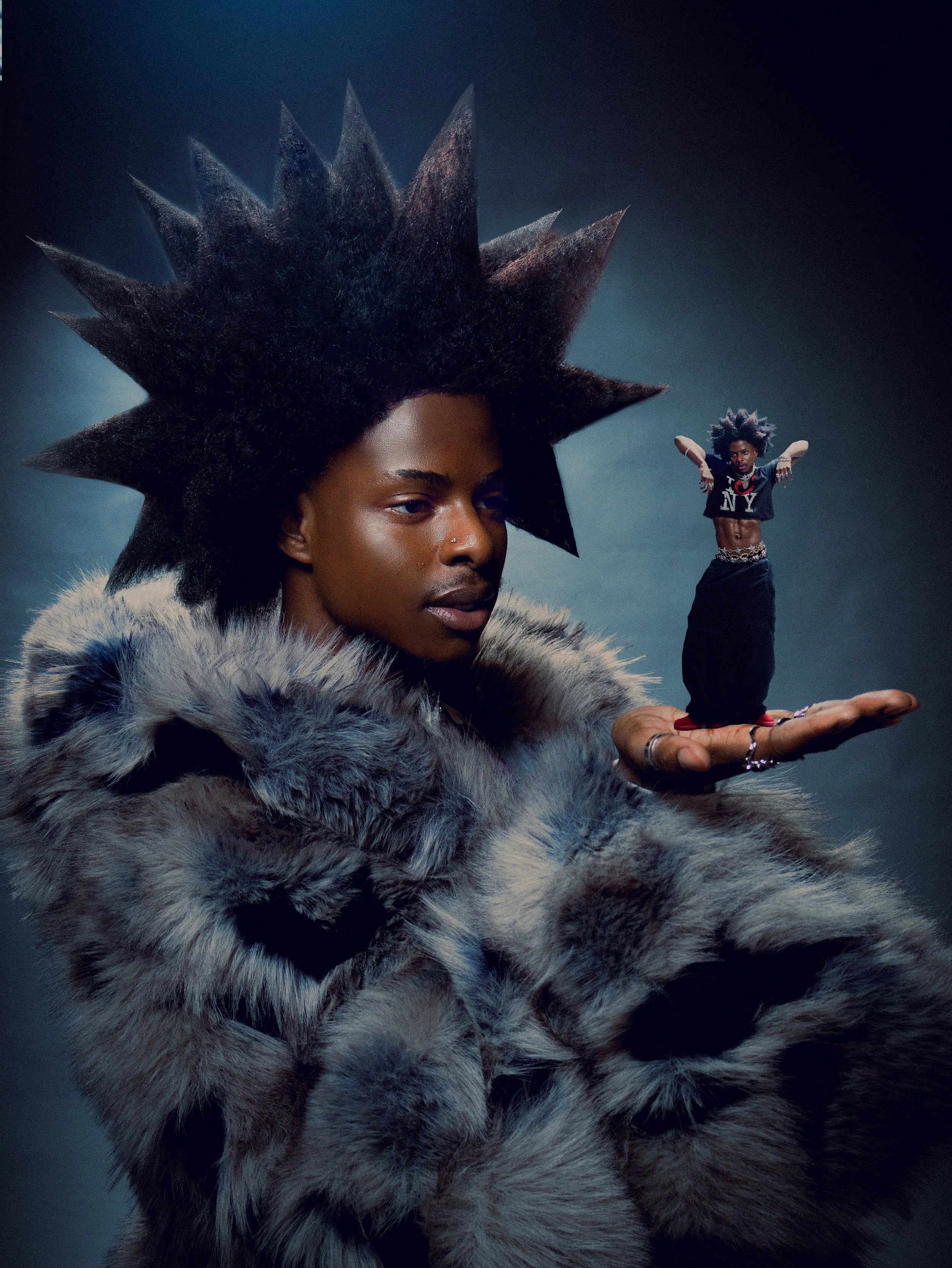
jacket - JADED LONDON // top, skirt & shoes - TELFAR // belly chain - URBAN OUTFITTERS
How did you break into the industry?
“That's a scary question because I still don't think I've broken into any one industry...
For so long I was trying to figure out where I fit. I didn’t fully feel like I belonged in musical theatre because I had the skills of a commercial dancer, and I didn’t fully feel like I belonged in the commercial world because I had the skills of a musical theatre performer.
Somewhere around my third musical theatre contract, after jumping in and out of commercial jobs, I realised that was actually my thing. Not fitting in was the thing. Being able to bounce between worlds was what made me, me.”
Have you faced any challenges within the dance space? If so, what?
“The commercial and musical theatre worlds feel so far apart, I honestly wish they were closer together. Commercial can be one week here, two weeks there, maybe a few months if it’s a film, whereas musical theatre is usually a much longer commitment. Once you're in, you're locked in for a minimum of six months to one year.
I think my biggest challenge was trying to exist in both spaces at the same time, I kept trying to bounce between worlds.”
Now you're in Masquerade. What's that been like? Tell us about your experience.
“Within Masquerade, I’ve had the opportunity to explore the world of ‘Boy in the Cage’ (Young Phantom) and it’s a role I’ll remember forever because there’s so much depth to him. You’re seeing the beginnings of who the Phantom eventually becomes and understanding the pain and experiences that shaped him. There’s a really difficult storyline underneath it all, and I’ve loved finding the truth in that and telling the story through movement and emotion.
I’m used to being part of an ensemble and helping tell a wider story, but this has given me a taste of building a character identity within a storyline and now I definitely want more of that.”
You're the founder of Move Agency. Tell us about it and what inspired you to establish the agency?
“Move is a dance-driven creative and digital agency built around bridging the gap between record labels and the dance community. I grew up on music videos and New Music Friday playlists, and I’ve always felt dance was one of the strongest ways people discover and connect with music. The way we consume things has changed, but that feeling hasn’t.
Imagine discovering a song and then seeing 10,000+ clips to it, all bringing their own energy, that’s Move. We sit right in the middle of culture, instinct and data, creating moments that feel natural. From RAYE and Zara Larsson to FLO, Adéla and Say Now, we’re slowly moving into live and wider creative spaces too. Watch this space.”
Why is bridging the gap between record labels and dance communities so important to you?
“Around 2020 there was a huge rise in dance trends and it felt like if you had a large following, you were automatically at the forefront of digital campaigns. At the same time, a lot of trained dancers and choreographers were creating equally strong content but weren’t always being recognised in the same way.
Coming from the dance world, I knew how culturally impactful dancers could be when aligned correctly, not just culturally but from an authentic engagement standpoint too. There are so many ways dancers can exist within an artist campaign beyond just dancing behind an artist on stage, and that’s something I’ve always wanted to keep pushing.”
“ There are so many ways dancers can exist within an artist campaign beyond just dancing behind an artist on stage, and that’s something I’ve always wanted to keep pushing.”
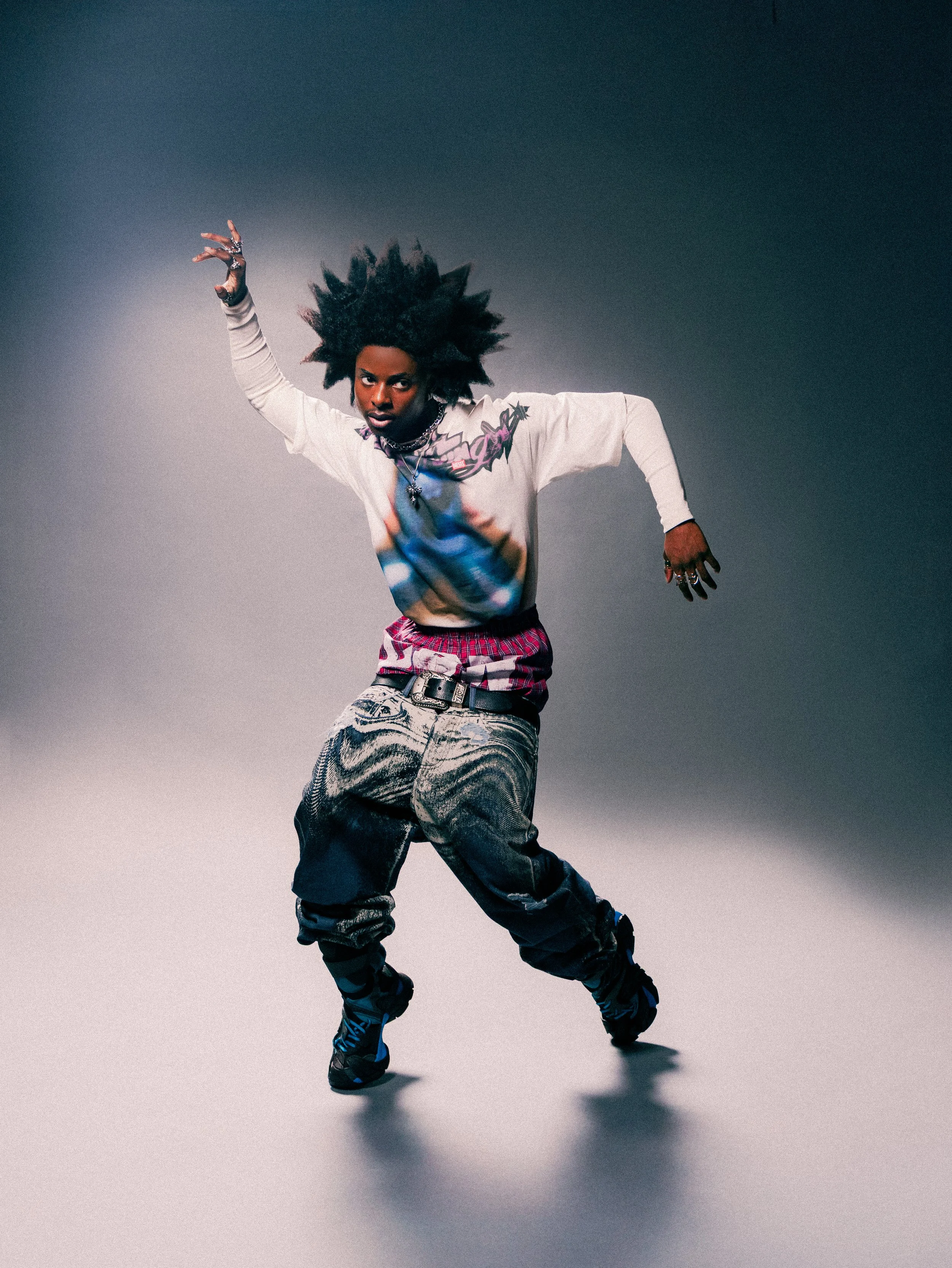
jeans & shoes - CAMPERLAB // top - DIESEL // boxers - JADED LONDON
How do you adapt your creativity across different areas of work?
“Everything usually starts with instinct. Whether I’m building an artist campaign, performing, or creating something for myself, I normally have a feeling first and then work backwards from there.”
Outside of dance, what inspires your craft?
“Music, film and nightlife. Also... doom scrolling too. People love acting like they’re above doom scrolling!
I can’t tell you how many trends, films or ideas I’ve discovered just from being chronically online. There’s so much information and inspiration living on our phones now.”
How do you balance the many facets of your career?
“I think the way my mind works is a blessing and a curse in many ways. It fuels my hunger and pushes me creatively, but it can also become overwhelming when there’s too much on my plate at once.”
What is your best approach to working with so many different creative teams?
“Be present and change the hat when it’s needed. One minute I’m leading an artist campaign, steering the ship and making decisions, and the next I’m in a rehearsal room where I’m the student again. They’re very different worlds, but they both fuel each other.
I think my best approach has been knowing how to read the room and being flexible. I’ve been lucky enough to exist in multiple spaces, and I think that teaches you when to lead, when to listen and when to leave your ego at the door.”
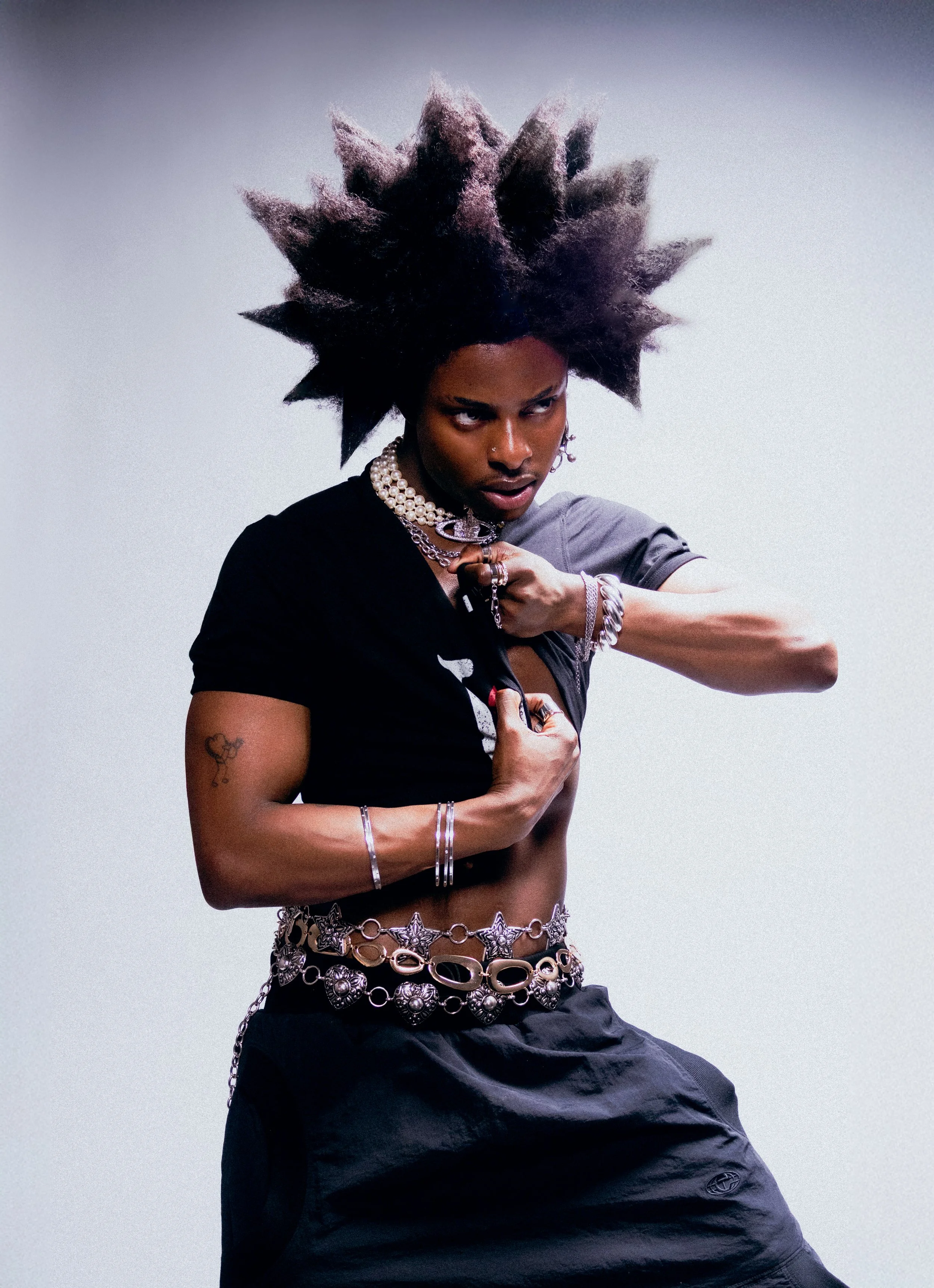
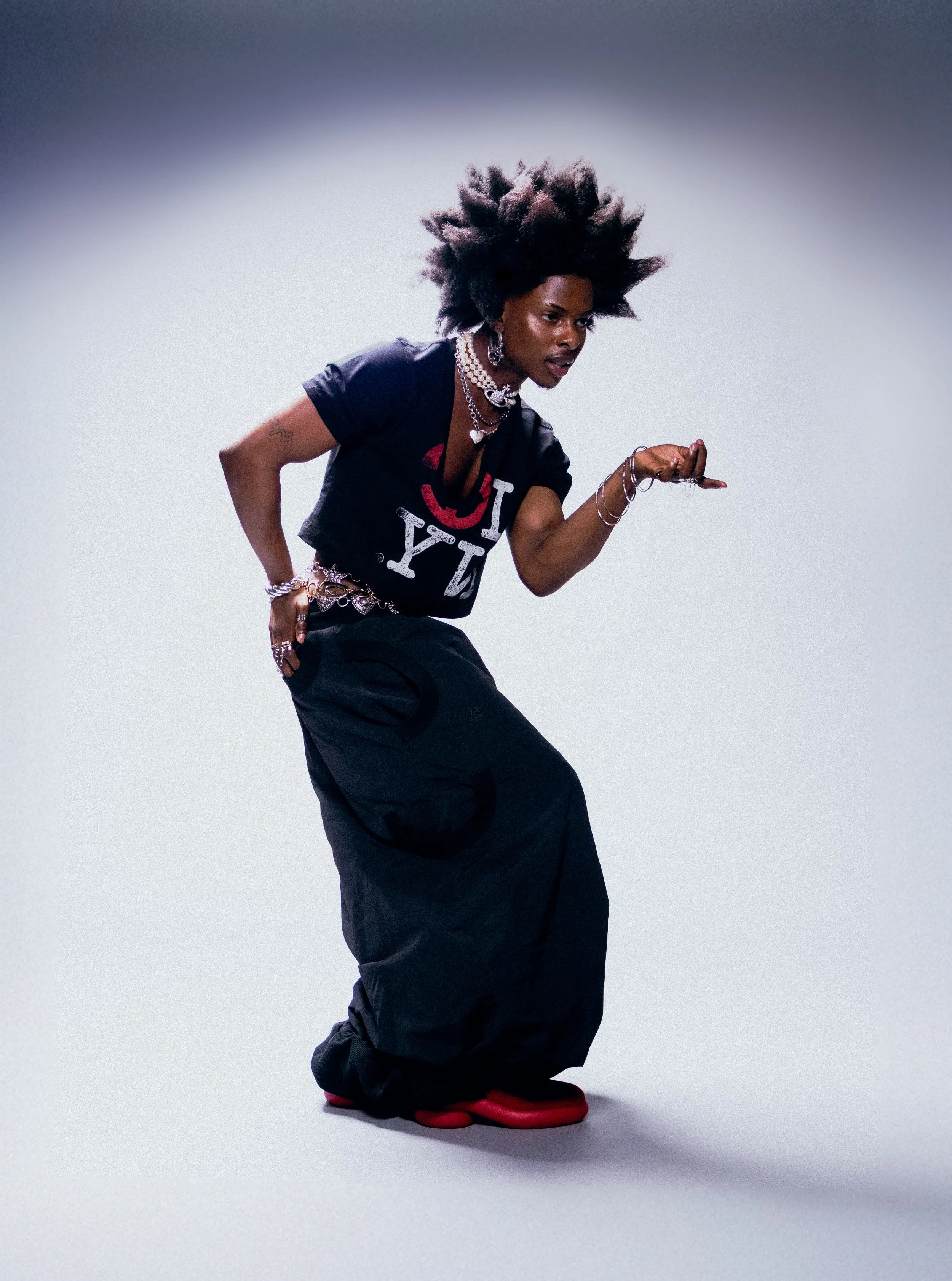
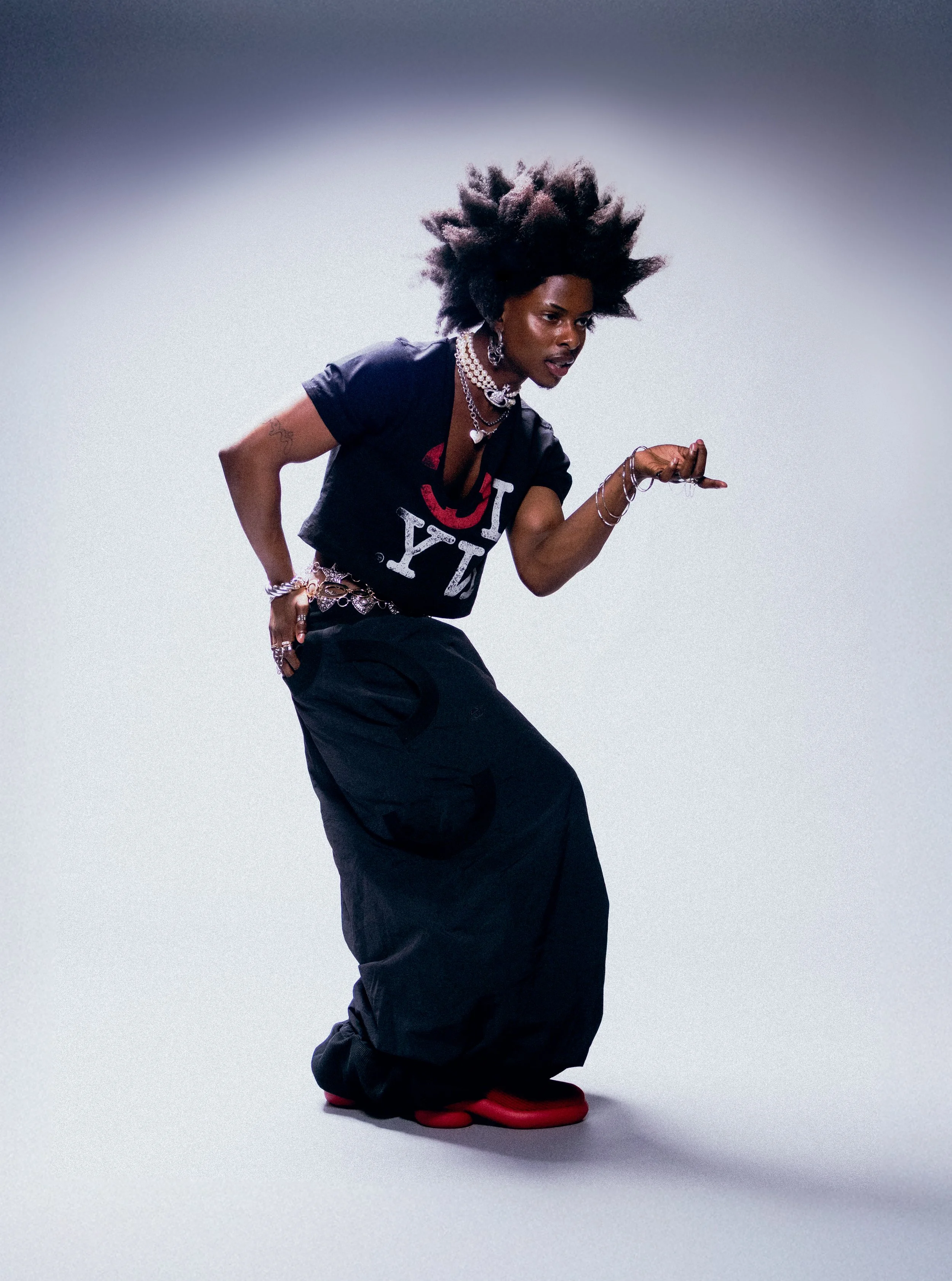
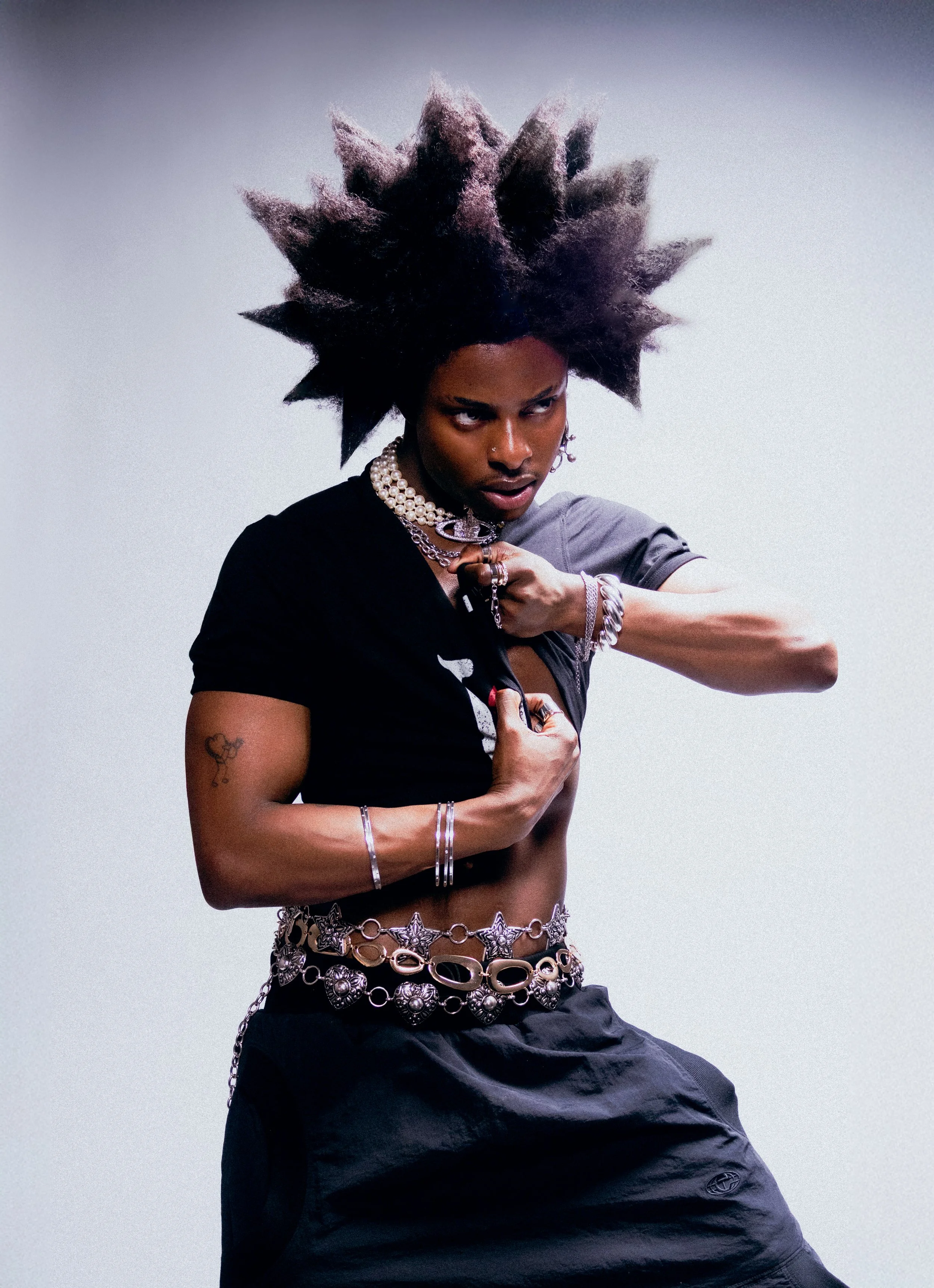
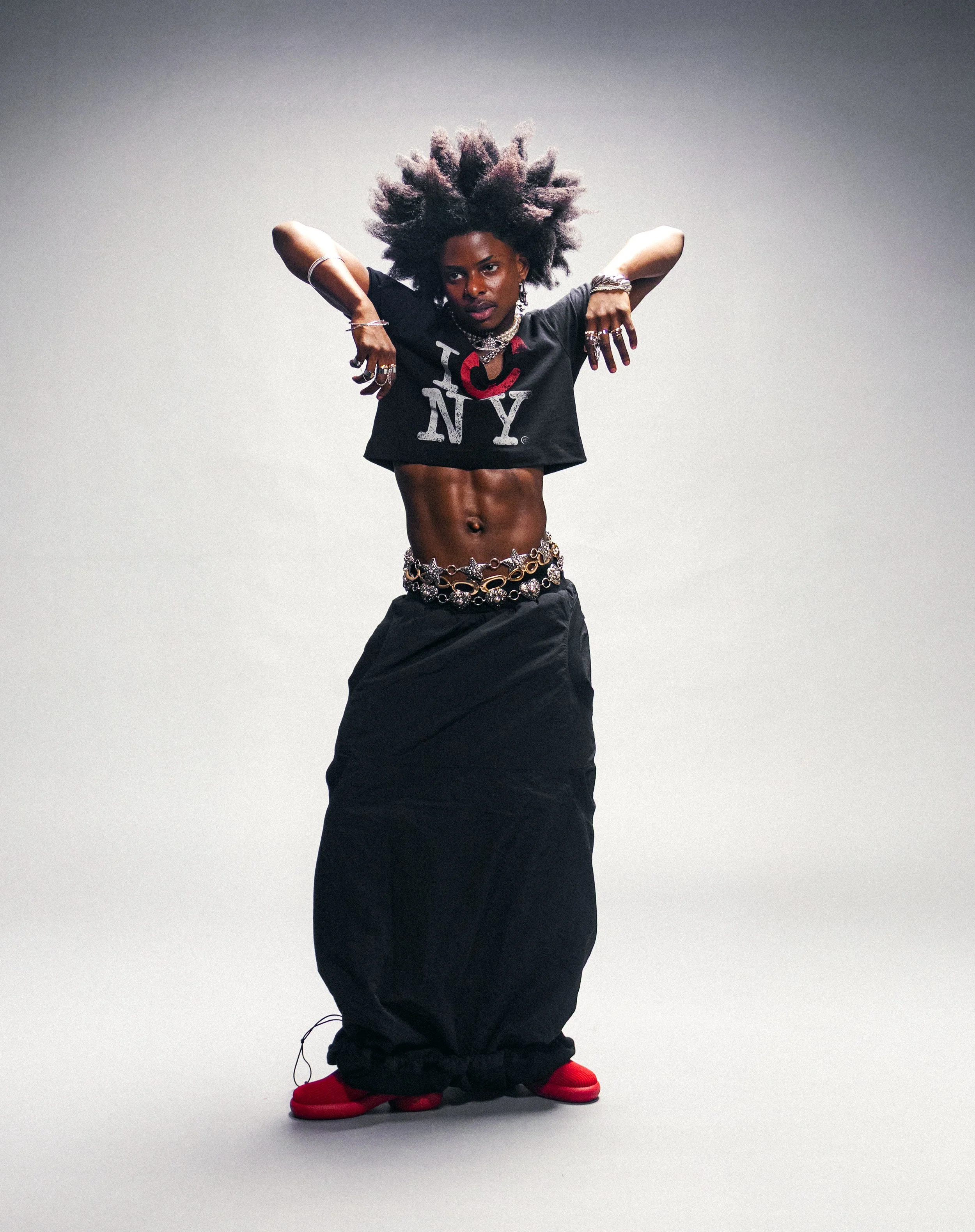
top, skirt & shoes - TELFAR // belly chain - URBAN OUTFITTERS
What advice would you give to your younger self when first starting out in the industry?
“You will soon find your purpose. Trust the detours.”
Your career resists staying in one line which is admirable. What does being “outside the box” mean to you in the industry?
“I feel like when you’re told no, do you stop? Why not get to the goal with a different approach? Thinking outside the box is getting from A to B, just with a few detours along the way, and I think that’s been my career through and through.”
“Thinking outside the box is getting from A to B, just with a few detours along the way, and I think that’s been my career through and through.”
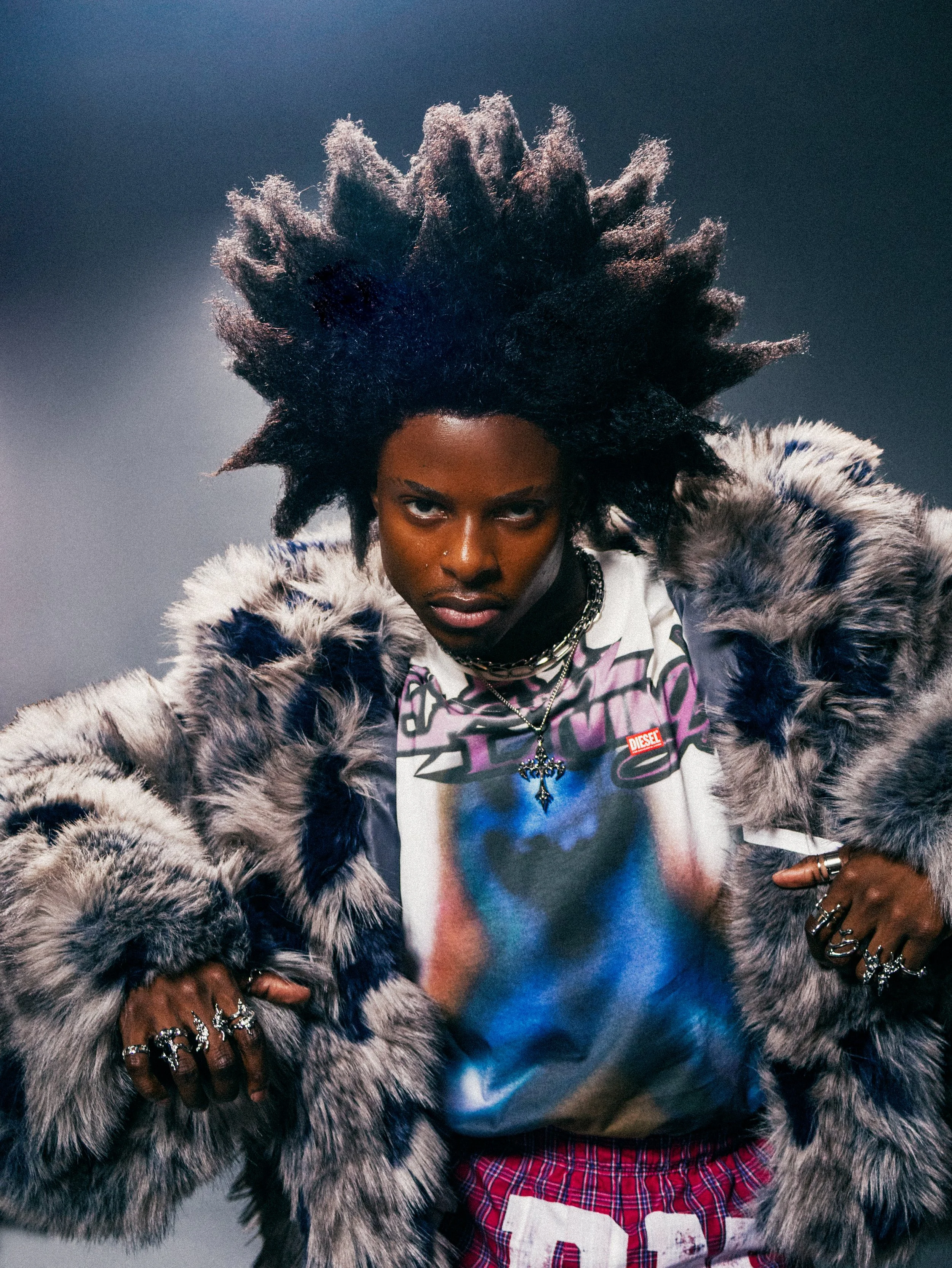
jeans & shoes - CAMPERLAB // top - DIESEL // jacket & boxers - JADED LONDON
Are there any exciting upcoming projects that you can share with us?
“I’m in the process of making my own sh*t.
Right now I’m working on a short film based on a true story, starring myself alongside an incredible director… and I think that’s all I’m allowed to say for now. Living in New York has definitely pushed me to start bringing my own ideas to life.”
What advice would you give to someone who wants to work across different spaces in the industry?
“Do it. Do it all.
I genuinely can’t give any more advice than that, I feel like if hearing that makes you feel overwhelmed, then maybe working across different spaces isn’t for you. But if you read that and think, yeah… I’m gonna frickin do it all, then it probably is.”
Do you see the industry moving away from encouraging traditional career trajectories?
“I think non-traditional career paths have always existed. We’re just used to seeing it with established names. The artists at the forefront right now are building brands, launching businesses, supporting causes and existing in multiple spaces beyond what they were originally known for, and I think we’ve become very used to that.
For a long time I was nervous about being vocal about the different things I do because I didn’t want people to think I wasn’t taking one thing seriously. But I’ve come to realise that having multiple passions doesn’t take away from your craft. I’ve learned that balance is everything, and I’m blessed to have teams around me that allow me to give each part of my career the attention it deserves.”